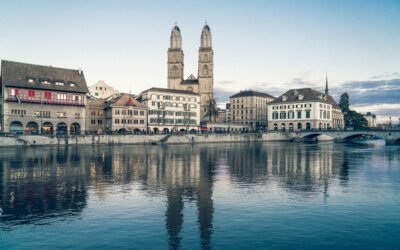
Looking to experience İnebolu, Kastamonu, but wondering when’s the sweet spot? This historic Black Sea town is worth exploring in every season, but the best time depends on what you want to do. For a balanced trip with comfortable sightseeing weather, beautiful coastal scenery, and a quieter atmosphere, aim for late spring or early autumn. If swimming is your main priority, summer is the more suitable choice.
Quick Answer
The best time to visit İnebolu, Kastamonu, is generally May to early June or September to early October. These periods offer a useful balance of sightseeing weather, coastal scenery, and potentially quieter streets. Choose July or August for a beach-focused holiday, while late August is worth considering for the town’s cultural celebrations.
Key Takeaways
- Best overall: May to early June and September to early October.
- Best for swimming: July and August, with September also worth considering when sea conditions allow.
- Best for quieter sightseeing: Late spring and early autumn, outside major holidays.
- Best for cultural events: Watch for the Heyamola festival and commemorations in late August.
- Best for budget flexibility: Compare midweek and shoulder-season accommodation rates.
- Essential preparation: Pack a waterproof layer and check the local forecast before outdoor activities.
Best Time to Visit İnebolu: Month-by-Month Overview
İnebolu sits on Turkey’s western Black Sea coast, where the weather can change quickly. Its coastal location makes it different from inland Kastamonu, so avoid using the provincial capital’s weather averages as a direct guide to the town.
The following table gives a practical overview of what to expect throughout the year. These are seasonal travel recommendations, not guaranteed weather forecasts.
| Month | Typical conditions | Best activities |
|---|---|---|
| January | Cool, damp, and occasionally snowy | Quiet town walks and photography |
| February | Cool winter conditions | Historical sightseeing and local food |
| March | Unsettled early-spring weather | Short walks and cultural visits |
| April | Cooler spring days with possible showers | Green landscapes and photography |
| May | Increasingly mild spring weather | Sightseeing and countryside walks |
| June | Warmer days and longer daylight hours | Coastal exploration and outdoor activities |
| July | Warm summer weather | Swimming and beach visits |
| August | Warm summer weather | Beach activities and cultural events |
| September | Mild early-autumn weather | Sightseeing and possible swimming |
| October | Cooling temperatures and greater rain risk | Autumn scenery and photography |
| November | Cooler, wetter conditions | Quiet cultural visits |
| December | Cool winter weather and limited daylight | Short sightseeing trips and local experiences |
1. Understanding İnebolu’s Climate: A Temperate Coastal Gem
İnebolu has a humid Black Sea coastal climate, with warm summers and cooler winters. The sea influences local temperatures, while the surrounding hills and mountains create opportunities for changing weather conditions.
The Turkish State Meteorological Service classifies İnebolu as humid under several climate classification methods. Its official climate information provides a more reliable regional reference than applying inland Kastamonu’s temperature averages to the coast.
Rain is possible throughout the year. Even during a generally favorable travel month, it is sensible to leave some flexibility in your itinerary.
1.1 Summer’s Embrace: Warm Days and Beach Activities
July and August are the main months to consider if you want warm weather and time by the Black Sea.
Summer days are generally suitable for walking along the waterfront, visiting nearby coastal areas, and enjoying outdoor dining. Humidity may make some afternoons feel warmer than the air temperature suggests, but breezes can bring relief along the shore.
Summer is not necessarily İnebolu’s wettest period. However, short showers, thunderstorms, and changes in wind or wave conditions can still interrupt outdoor plans.
For travelers interested in swimming, July and August offer the most practical seasonal window. The sea has had more time to warm after spring, although the water temperature and safety conditions will vary from day to day.
Evenings are often pleasant for a harbor stroll, dinner outdoors, or simply watching fishing boats along the waterfront.
Warning: Black Sea beaches can experience powerful waves and rip currents. Swim only where conditions are suitable, follow local warnings, and prefer beaches with lifeguards. Avoid entering the water during rough weather. Never assume that calm-looking water is automatically safe.
Turkey’s Disaster and Emergency Management Authority (AFAD) provides official advice about rip currents and safe swimming.
1.2 Winter’s Chill: Cool, Damp, and Quiet
December to February brings a quieter side of İnebolu.
Winter temperatures are generally cooler than in summer, with damp conditions, overcast periods, and occasional snowfall. The coast may be milder than inland areas, but this does not mean freezing weather or snow is impossible.
The rugged coastline can look especially dramatic beneath winter clouds. Photographers may enjoy the changing light, rough seas, and quieter waterfront.
However, winter is less suitable for extended outdoor exploration. Rain, wind, and shorter daylight hours can make long walks or mountain excursions more difficult.
Some seasonal guesthouses, restaurants, and visitor services may operate on reduced schedules. Check accommodation and activity availability before traveling rather than assuming every summer service remains open.
If you enjoy solitude and do not mind adjusting your plans around the weather, winter can provide a peaceful visit. It is less suitable for travelers expecting beach activities or a busy holiday atmosphere.
1.3 Spring’s Bloom: The Sweet Spot Begins
April to June marks the transition toward warmer weather and greener landscapes.
April can still feel cool and showery, particularly when exploring exposed coastal areas or higher ground. As May progresses, conditions generally become more comfortable for sightseeing and walking.
Late May and early June offer a useful balance for travelers who want to explore without making swimming the center of their holiday.
During this period, you can enjoy:
- Green hills and countryside scenery.
- Walks through the historical town center.
- Photography around the harbor and traditional houses.
- Visits to surrounding villages.
- Nature excursions when trails and weather conditions permit.
The sea may still feel cool in late spring, especially in May. If swimming is essential to your trip, consider traveling later in summer instead.
Occasional showers remain possible, so a waterproof jacket and flexible daily schedule are useful.
1.4 Autumn’s Hues: A Quieter Coastal Escape
September to November brings another attractive phase of the year.
September often provides a comfortable transition from summer, with opportunities for both sightseeing and time near the water. Early October can also suit travelers who prefer a quieter town and cooler walking conditions.
The sea may retain some summer warmth into September, making swimming possible when weather, water temperature, and beach conditions are suitable.
By October, the surrounding vegetation begins to change, creating opportunities for landscape photography and countryside exploration.
Later in autumn, cooler temperatures, rain, and wind become more important planning considerations. November is generally better suited to short town visits than beach-focused holidays.
For a balanced experience, September to early October is the preferred autumn window, but check the forecast before committing to long outdoor excursions.
2. Navigating the Crowds: Finding Your Serenity
İnebolu is not a major international resort destination. Much of its seasonal visitor activity is connected to domestic travel, summer holidays, family visits, and local events.
However, visitor numbers can change considerably between an ordinary weekday and a holiday weekend.
2.1 Peak Season: A Local Affair
July and August are generally the busiest months for summer coastal travel.
Turkish families may visit İnebolu during school holidays, while people with family connections to the district may return from larger cities.
During popular periods, you may notice:
- More people along the waterfront and beach areas.
- Greater demand for centrally located accommodation.
- Busier restaurants during lunch and dinner.
- More road traffic around the town center.
- Increased activity during festivals and public holidays.
This creates a lively, family-oriented atmosphere. If you enjoy an active summer town, it can be part of the appeal.
However, if your priority is quiet sightseeing or a particular guesthouse, booking early is sensible.
2.2 Shoulder Seasons: The Goldilocks Zone
May, early June, September, and early October generally provide a useful compromise between favorable sightseeing conditions and summer visitor activity.
These periods are particularly appealing to independent travelers, couples, photographers, and visitors interested in local history.
There may be more flexibility when choosing accommodation, and the town can feel less hurried than during popular summer weekends.
Historical houses, the town center, and surrounding countryside are easier to explore at a relaxed pace when visitor activity is lighter.
However, shoulder season does not automatically mean empty streets or low prices. A national holiday, festival, or long weekend may bring substantial domestic travel even in May or September.
Pro Tip: For a quieter visit, compare midweek stays with Friday and Saturday nights. Also check Turkey’s holiday calendar before choosing your dates. A normally quiet shoulder-season week can become busy when it overlaps a national or religious holiday.
2.3 Off-Peak: Solitude and Serenity
November to April is generally the quieter period outside school holidays and other special travel dates.
İnebolu returns to its everyday rhythm, with local shops, markets, and year-round businesses serving residents.
Some smaller guesthouses or tourism-focused businesses may close seasonally or operate on limited hours.
This time of year can appeal to:
- Travelers who prefer quiet destinations.
- Photographers seeking dramatic coastal scenes.
- Visitors interested in historical architecture.
- People who enjoy local food and everyday town life.
Hiking trails may be muddy or slippery, and exposed coastal areas can be uncomfortable during windy weather.
Swimming is not a practical expectation for a typical winter trip.
The main advantage is the peaceful atmosphere. The main trade-off is that weather and limited seasonal services may restrict your plans.
3. Cost Considerations: Stretching Your Lira
İnebolu can be an appealing alternative to Turkey’s larger resort destinations, particularly for travelers interested in local guesthouses, traditional food, and simple coastal experiences.
However, accommodation prices depend on the property, booking date, room type, weekend demand, and local events.
There is no reliable basis for assuming that every hotel follows a fixed seasonal price increase or discount.
3.1 Peak Season Prices: Higher Demand
July and August can bring stronger demand for accommodation, especially on weekends and during major local events.
Popular guesthouses and centrally located rooms may become unavailable earlier than they would during quieter periods.
When preferred options sell out, travelers may have to choose a different location, room category, or price range.
Restaurant and activity prices vary by business. It is better to compare current menus and listed prices than assume a specific seasonal increase.
If you are traveling during summer, check accommodation availability before finalizing transport.
For any boat tour or other seasonal activity, confirm that it actually operates during your dates and ask about cancellation rules when weather is unsuitable.
3.2 Shoulder Season Value: Maximize Your Experience
May, early June, September, and early October may provide greater booking flexibility than the busiest summer periods.
Depending on demand, accommodation providers may have more room categories available, making it easier to choose a property that fits your budget.
To compare prices effectively:
- Check the same property across several dates.
- Compare weekday and weekend rates.
- Look at the total booking cost, including taxes and fees.
- Check whether breakfast is included.
- Review cancellation conditions before paying.
- Consider staying slightly outside the busiest waterfront area if transport is convenient.
Local markets and traditional eateries can also be useful options for travelers who prefer simple meals and regional produce.
If you plan to rent a car for the wider Kastamonu region, compare the total cost of renting, fuel, parking, and additional driver fees rather than looking only at the advertised daily rate.
3.3 Off-Season Bargains: Lower Demand, Limited Options
November to April may provide opportunities to find lower accommodation prices when demand is limited.
However, fewer rooms may be available if some guesthouses close for the season.
A cheaper room is not necessarily better value if it is far from the places you want to visit or lacks suitable heating.
Before booking an off-season stay, confirm:
- That the property will be open throughout your visit.
- Whether heating and hot water are available.
- Check-in arrangements.
- Nearby dining options.
- Transport availability.
- Cancellation terms if weather disrupts your journey.
Winter can suit budget-conscious travelers who are flexible about activities and do not expect a full summer tourism schedule.
4. Special Events and Local Experiences: Timing Your Visit for Culture
Beyond weather and crowds, İnebolu offers a chance to experience the history and traditions of Turkey’s western Black Sea region.
The town is particularly notable for its historical architecture and its role during the Turkish War of Independence.
4.1 İnebolu’s Heyamola Culture and Arts Festival
Late August is an important period for İnebolu’s cultural calendar.
The municipality’s documented festival is the International Heyamola Sea Festivities Culture and Arts Festival, known in Turkish as the Uluslararası Heyamola Deniz Şenlikleri Kültür ve Sanat Festivali.
The municipality’s August 15, 2025 announcement confirms that the 12th edition ran from August 25 to August 31, 2025.
That documented program included concerts and cultural celebrations. The broader festivities have also featured activities connected to the district’s maritime traditions and historical identity.
The festival offers an opportunity to experience a livelier side of İnebolu through music, community gatherings, cultural events, and local traditions.
However, festival dates and programs may change between editions. Check the current announcement from İnebolu Municipality before booking a future trip specifically for the event.
Accommodation demand may rise around major celebrations, so secure your preferred room early once the program is confirmed.
4.2 Historical Celebrations and Atatürk’s Visit
İnebolu has an important place in modern Turkish history.
According to the Kastamonu Provincial Directorate of Culture and Tourism, June 9 is commemorated as İnebolu’s Day of Honor and Heroism.
The town also holds commemorations connected to Mustafa Kemal Atatürk’s historic visit in August 1925.
On August 27, 1925, Atatürk delivered his well-known speech on the hat and clothing reform at the İnebolu Türk Ocağı.
These historical connections make late August an especially meaningful time for visitors interested in the district’s heritage.
Local commemorations can also affect traffic and visitor activity, so consider them when planning your itinerary.
4.3 Local Markets and Harvesting Seasons
İnebolu’s local market culture provides a window into everyday life along the Black Sea coast.
Depending on the season and current vendor availability, you may find fresh vegetables, fruit, local cheeses, honey, nuts, and handmade goods.
Spring offers opportunities to look for fresh herbs and seasonal vegetables, while autumn brings a different selection of local produce.
Chestnuts and other regional products can be particularly appealing during the cooler months.
Markets are also social places where residents gather, shop, and exchange news.
For photographers, the produce displays and everyday street scenes provide interesting subjects beyond the town’s waterfront.
Confirm the current market day and location locally before planning your visit around it. Operating arrangements can change during holidays or special events.
4.4 Religious and National Holidays
Turkish public holidays can influence travel demand even outside the main summer season.
Islamic holidays such as Eid al-Fitr, known locally as Ramazan Bayramı or Şeker Bayramı, and Eid al-Adha, known as Kurban Bayramı, move through the Gregorian calendar.
Fixed national holidays include:
- May 19: Commemoration of Atatürk, Youth and Sports Day.
- August 30: Victory Day.
- October 29: Republic Day.
During important holidays, more people may travel domestically or return to their hometowns.
This can increase demand for accommodation and transport. Some shops or services may also operate on modified hours.
Use the official Turkish holiday calendar when planning your dates, especially if your visit falls in May, late August, or October.
5. Practical Recommendations for Your İnebolu Journey
A little planning goes a long way when visiting a smaller coastal destination like İnebolu.
Unlike a large resort city, the town rewards travelers who allow time for walking, local food, historical sightseeing, and spontaneous stops along the coast.
5.1 Booking Accommodation and Transport
If you plan to visit in July, August, or during a major festival, reserve your preferred accommodation early.
This is particularly useful if you want a specific guesthouse, waterfront location, family room, or property with parking.
For shoulder-season trips, you may find greater booking flexibility, but popular weekends and holidays can still become busy.
Before confirming your accommodation, check:
- The property’s location relative to the town center.
- Parking availability if you are driving.
- Heating or air conditioning, depending on the season.
- Breakfast and other included services.
- Cancellation and modification conditions.
If traveling by bus from a larger city, compare available services and connections for your actual travel date. Do not assume that routes or departure times remain unchanged throughout the year.
Booking transport early is sensible during major holidays and other popular travel periods.
5.2 Packing Essentials: Be Prepared for Black Sea Weather
Layers are useful throughout the year because temperatures, wind, and rainfall can change during a single day.
For spring and autumn:
- A waterproof jacket.
- Comfortable walking shoes with good grip.
- Light and warm clothing for layering.
- A compact umbrella.
- A small daypack for countryside excursions.
For summer:
- Light, breathable clothing.
- Sunscreen and a hat.
- Swimwear and a towel if you plan to visit the beach.
- Comfortable footwear for walking around town.
- A light waterproof layer for unexpected showers.
For winter:
- Insulated outerwear.
- Waterproof footwear.
- Warm layers.
- Protection against wind and rain.
If you plan to explore forest paths or mountain areas, choose footwear suited to wet or uneven ground.
5.3 Getting Around İnebolu and Beyond
Walking: Much of central İnebolu can be explored on foot, including parts of the waterfront, town center, and streets with historical houses.
Walking is often the most enjoyable way to appreciate the traditional architecture and everyday life.
Local transport: Shared minibuses, known as dolmuş, and taxis may be useful when traveling beyond the center.
Check departure times locally, particularly when visiting villages or traveling outside the busiest season.
Rental car: A car provides greater flexibility if you want to explore nearby coastal districts such as Abana and Bozkurt or travel farther into the Kastamonu countryside.
Mountain routes can involve winding roads and changing weather conditions. Allow additional travel time and check road conditions before setting out.
Rental availability is generally broader in larger transport hubs, so confirm collection and return arrangements before planning a driving itinerary.
5.4 Explore İnebolu’s Historical Houses
İnebolu is known for its distinctive traditional houses, many of which feature burgundy-and-white exteriors.
The local architectural style reflects the region’s materials, climate, and history.
According to the provincial tourism authority, traditional houses commonly feature multiple floors, garden spaces, and roof materials selected to withstand the coastal environment.
These buildings are among the town’s most recognizable cultural attractions.
Late spring and early autumn are suitable periods for walking through the historic streets and photographing the architecture.
Remember that many traditional buildings are private homes. Respect residents’ privacy and do not enter private property without permission.
5.5 Explore the Küre Mountains and Nearby Coast
İnebolu can also serve as a starting point for exploring the wider western Black Sea region.
Nearby coastal districts offer additional scenery, while inland routes lead toward forests, hills, and mountain landscapes.
Küre Mountains National Park is a notable regional destination for nature enthusiasts.
The protected area contains forest landscapes, valleys, rocky terrain, and a variety of natural habitats.
However, the national park covers a broad area. Not every attraction or trail is close to İnebolu, and some destinations require a substantial drive.
If you want to include the park, select a specific visitor area or walking route before departure rather than treating the whole park as a single short excursion.
Spring and early autumn can offer pleasant hiking conditions, but rain may make trails slippery.
Before starting a hike, check:
- The local weather forecast.
- Trail access and current conditions.
- Expected walking time.
- Daylight remaining.
- Whether a guide is appropriate for the route.
Avoid exposed viewpoints, forest routes, and mountain paths during thunderstorms or severe weather warnings.
5.6 Best Time to Visit for Different Activities
The best month for one traveler may not be the best month for another.
- Swimming and beach activities: July and August are the main choices. September may also work when conditions are suitable.
- Historical sightseeing: May, early June, September, and early October provide a useful balance of weather and visitor activity.
- Hiking and countryside exploration: Late spring and early autumn are appealing, subject to trail conditions.
- Photography: Spring greenery, autumn colors, and dramatic winter coastal scenes offer different opportunities.
- Festivals and local culture: Watch for the Heyamola program and late-August commemorations.
- Budget-focused travel: Compare midweek and off-peak dates, while checking which businesses remain open.
If your schedule allows only one short visit and swimming is not essential, September is a practical month to consider because it combines late-summer conditions with the beginning of autumn.
5.7 A Simple Two-Day İnebolu Itinerary
If you are visiting for a weekend or a short break, avoid filling every hour with long-distance excursions.
Day 1: Explore the town
- Walk through central İnebolu and admire the historical houses.
- Spend time around the waterfront and harbor.
- Enjoy a traditional Turkish lunch.
- Look for local produce and regional specialties.
- Take an evening walk along the coast.
Day 2: Enjoy the surrounding scenery
- Choose a nearby coastal viewpoint or village excursion.
- Visit a local market if one is operating that day.
- Consider a countryside walk when weather permits.
- Return to town for a relaxed meal before departure.
If you want to visit a more distant area of Küre Mountains National Park, consider adding another day rather than rushing a long mountain journey into a short itinerary.
For a summer visit, you can replace part of the second day’s sightseeing with beach time when the sea is safe for swimming.
5.8 Embrace the Local Pace
İnebolu isn’t a place to rush through. Much of its appeal comes from its everyday rhythm, traditional streets, and close connection to the Black Sea.
Take time to sit at a tea house, watch the fishing boats, explore the back streets, and speak with local residents when appropriate.
A few basic Turkish phrases can be useful, particularly in smaller businesses where English may not be widely spoken.
Do not assume that every restaurant, shop, or attraction stays open late, especially outside summer.
For weather-sensitive activities, check the latest information from the Turkish State Meteorological Service. Its weather and marine forecasts are useful when planning coastal travel.
Note: Seasonal recommendations describe typical travel conditions, not guaranteed weather. Check the forecast, local event calendar, accommodation availability, and sea conditions for your actual travel dates.
In conclusion, İnebolu offers different experiences throughout the year. For a balanced visit combining sightseeing, coastal scenery, and a relaxed atmosphere, May to early June and September to early October are generally the most practical choices. Choose July or August if swimming is your priority, or plan around the town’s cultural calendar if you want to experience its festive side. With realistic expectations and a little flexibility, İnebolu makes a rewarding destination in any season.
Frequently Asked Questions
1. What is the best time to visit İnebolu, Kastamonu, in terms of weather?
May to early June and September to early October are generally good choices for comfortable sightseeing. July and August are better suited to travelers who want warmer summer weather and beach activities. Rain and changing coastal conditions remain possible throughout the year.
2. When is the peak tourist season in İnebolu, Kastamonu?
July and August are generally the busiest months for summer coastal travel. Domestic holidays, festivals, and popular weekends can also increase visitor activity outside the main summer period.
3. When is the off-peak season in İnebolu, Kastamonu?
November to April is generally quieter outside major holidays. Winter offers a peaceful atmosphere, but cooler weather, rain, and reduced seasonal services may limit outdoor activities.
4. What are the costs like during the peak tourist season in İnebolu?
Accommodation demand can rise in July and August, especially on weekends and during major events. Prices vary by property and booking date. Compare current room rates and reserve early if you want a particular guesthouse or location.
5. When is the best time to visit İnebolu to avoid crowds and high costs?
May, early June, September, and early October are useful periods to consider. Midweek stays may provide additional flexibility. Check for public holidays and local events before booking because these can increase demand even during shoulder season.
6. Is September a good month to visit İnebolu?
Yes. September is a practical choice for travelers who want to combine sightseeing with late-summer coastal conditions. Swimming may still be possible when water temperature, weather, and beach conditions are suitable.
7. Can you swim in İnebolu in May or June?
The sea may still be cool in May, while conditions generally become more suitable as summer approaches. July and August are more dependable choices for a swimming-focused trip. Always check local safety warnings and avoid entering the water during rough conditions.
8. When does İnebolu hold its cultural festival?
The documented 2025 International Heyamola Sea Festivities Culture and Arts Festival took place from August 25 to August 31. Event dates and programs may vary between editions, so check current announcements from İnebolu Municipality before planning a festival trip.
9. Is İnebolu worth visiting in winter?
Yes, particularly if you enjoy quiet destinations, historical architecture, and coastal photography. Expect cooler, wetter conditions and check accommodation availability before traveling. Winter is not ideal for a beach-focused holiday.
10. How many days do you need in İnebolu?
Two days allow time to explore the town center, historical houses, waterfront, and nearby scenery at a relaxed pace. Add more time if you want to visit distant parts of the Kastamonu region or Küre Mountains National Park.
Sources
- Turkish State Meteorological Service — İnebolu Climate Classification — official climate classification based on the 1991–2020 reference period.
- Kastamonu Provincial Directorate of Culture and Tourism — İnebolu — local history, traditional architecture, and commemorations.
- İnebolu Municipality — 2025 Heyamola Festival Announcement — documented festival name and 2025 program dates.
- Presidency of Religious Affairs — Official 2026 Holiday Calendar — religious and national holiday dates.
- AFAD — Rip Current Safety Guidance — official Black Sea swimming precautions.
- Ministry of Agriculture and Forestry — Küre Mountains National Park — official information about the protected natural area.