

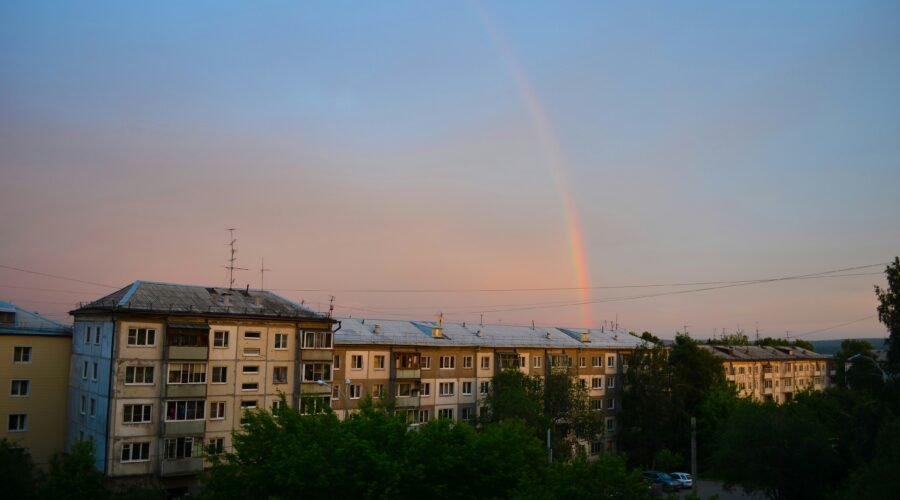
So, you’re thinking about a trip to Irkutsk and wondering when’s the sweet spot to go? The short answer? It really depends on what you’re after. If you dream of seeing Lake Baikal with a pristine, icy sheen and enjoying winter activities, then a winter trip is your best bet. But if you prefer milder temperatures and long, sunny days for exploring the city and surrounding nature without the extreme chill, then summer is the way to go. Let’s dive into the details so you can pick the perfect time for your Irkutsk adventure. Knowing the best time to visit Irkutsk Russia helps you plan around weather, crowds, and budget.
Compare our seasonal guides to Olkhon Island, Irkutsk Oblast and Listvyanka, Irkutsk Oblast when choosing other stops in Irkutsk Oblast.
Summer in Irkutsk, typically from June to August, is generally considered the most pleasant time to visit if you’re not specifically seeking a winter wonderland. The days are long, the temperatures are moderate, and the natural scenery is at its most vibrant. This is when the region truly comes alive after the long Siberian winter.
Peak Summer (July & August)
This is when Irkutsk and the surrounding areas boast the warmest weather. You can expect daytime temperatures to hover around the low to mid-20s Celsius (70s Fahrenheit). Nights can still be cool, especially if you’re near Lake Baikal, so packing layers is always a good idea.
- Pros:
- Ideal for Baikal: This is the time for experiencing Lake Baikal in its full glory. The ice is long gone, and the water is at its warmest (though still bracingly cold for most!). Boat trips, swimming (if you’re brave!), and exploring the Olkhon Island are prime activities.
- Long Daylight Hours: You’ll have plenty of daylight to explore the city’s wooden architecture, visit museums, and take day trips. The “white nights” phenomenon, where the sky never fully darkens, is a unique experience.
- Lush Scenery: The Siberian taiga is a breathtaking shade of green, and the wildflowers are in bloom, making any hike or scenic drive a visual treat.
- Easier Accessibility: All roads are clear, and transport links are generally more reliable and frequent.
- Cons:
- Crowds: This is also the peak tourist season, so expect more people at popular attractions, especially on Olkhon Island and at the Circum-Baikal Railway.
- Higher Prices: Accommodation and tour prices tend to be at their highest during July and August. Booking in advance is highly recommended.
- Mosquitoes and Midges: Be prepared for insects, particularly in forested areas and near water. Pack insect repellent – it’s non-negotiable!
Early Summer (June)
June offers a gentler introduction to the warmer months. Temperatures are slightly cooler than July and August, often in the mid-to-high teens Celsius (60s Fahrenheit). While the water at Baikal will be colder, the surrounding nature is still stunning.
- Pros:
- Fewer Crowds: You’ll encounter fewer tourists than in the absolute peak months, making for a more relaxed experience.
- Potentially Lower Prices: Accommodation and some tours might be slightly cheaper than in July and August.
- Still Plenty of Daylight: The days are still long, offering ample time for sightseeing.
- Blooming Nature: The landscape is just starting to burst into full bloom, creating a beautiful and fresh atmosphere.
- Cons:
- Colder Baikal Water: While pleasant for looking at, swimming in Lake Baikal in June is for the truly hardy!
- Lingering Spring Conditions: Some areas might still be a bit damp from the spring thaw, and the insect population is starting to pick up.
If you’re planning a trip to Irkutsk, Irkutsk Oblast, you might also find it helpful to explore the best times to visit other stunning destinations in Russia. For instance, the article on the Best Time to Visit Botan Valley in Siirt discusses the weather, crowds, and costs associated with traveling to this beautiful area. You can read more about it by following this link: Best Time to Visit Botan Valley, Siirt: Weather, Crowds, and Costs.
Best Time To Visit Irkutsk Russia: 2. Autumn: The Golden Hues of Siberia
Autumn, from September to October, presents a dramatically different, yet equally beautiful, face of Irkutsk. The air becomes crisp, and the forests transform into a symphony of reds, oranges, and yellows.
Early Autumn (September)
September is often described as a “golden month” in Siberia. Temperatures are pleasantly cool, typically ranging from 10-15°C (50-59°F) during the day, with cool evenings. The first hints of autumn color start to appear.
- Pros:
- Stunning Fall Foliage: This is the prime time to witness the Siberian taiga ablaze with color. The views around Lake Baikal are particularly spectacular.
- Fewer Tourists: Most summer crowds have dispersed, offering a more tranquil experience.
- Comfortable for Sightseeing: The cooler temperatures are perfect for walking around Irkutsk and for hiking in the surrounding natural parks.
- Clear Skies: Autumn often brings clear, crisp days with excellent visibility.
- Cons:
- Cooler Temperatures: While comfortable for many, it’s definitely not beach weather. You’ll need warmer clothing.
- Shorter Daylight Hours: The days begin to noticeably shorten.
- Baikal Water: Lake Baikal is getting progressively colder, making any water activities unlikely.
- Potential for Early Snow: While not common until later in the month, a surprise early snowfall is possible.
Late Autumn (October)
October sees temperatures dropping significantly, often hovering around freezing or just below. The vibrant fall colors fade, and the landscape begins to prepare for winter.
- Pros:
- Very Few Tourists: You’ll likely have many popular spots almost to yourself.
- Budget-Friendly: Prices for accommodation can be significantly lower.
- Dramatic Scenery: There’s a stark, beautiful quality to the landscape as it transitions to winter.
- Cons:
- Cold Weather: Expect frost and temperatures often below freezing. Snowfall becomes more likely.
- Limited Daylight: Daylight hours are significantly reduced, impacting sightseeing time.
- Many Outdoor Activities Closed: Boat trips on Baikal are usually finished, and hiking trails might become difficult or inaccessible due to ice and snow.
- Potential for Mud and Ice: Roads and paths can become a mix of mud and ice, making travel trickier.
3. Winter: The Realm of Ice and Snow

Winter in Irkutsk, from November to March, is a serious affair. It’s a time of deep cold, heavy snow, and a unique, stark beauty. If you dream of Siberia’s iconic frozen landscapes, this is your season.
Early Winter (November & December)
November marks the true beginning of winter. Temperatures plummet, and snow starts to accumulate. December sees the mercury drop even further, with average temperatures well below -20°C (-4°F).
- Pros:
- The Baikal Ice Begins to Form: By late December, Lake Baikal starts to freeze over, offering the first glimpses of its incredible ice formations, though it’s not typically safe for extensive travel until January.
- Winter Wonderland: The city and surrounding nature are blanketed in snow, creating a picturesque, if very cold, scene.
- Fewer Tourists: You’ll find very few tourists, especially in November and early December.
- Potentially Lower Prices: Outside of the New Year period, prices can be more affordable.
- Cons:
- Extreme Cold: This is the biggest factor. Temperatures can easily drop to -30°C (-22°F) and lower. You need serious winter gear.
- Limited Daylight: Days are very short, with only a few hours of daylight.
- Many Activities Unavailability: Most outdoor summer activities are impossible.
- Travel Disruption Potential: Heavy snowfall can sometimes cause travel delays.
Deep Winter (January & February)
This is the heart of Siberian winter. January and February are the coldest months, with average temperatures often ranging from -20°C to -30°C (-4°F to -22°F), and it can get much colder.
- Pros:
- Iconic Baikal Ice: This is the peak season for experiencing the legendary ice of Lake Baikal. The ice is thick, clear, and stretches for miles. Activities like ice driving, ice skating, ice fishing, and exploring ice caves become possible and are truly unforgettable.
- The Ultimate Siberian Experience: If you want to tick off the “extreme Siberia” box, this is it.
- Unique Natural Phenomena: The frost patterns, snow-covered landscapes, and the sheer stillness of the frozen world are breathtaking.
- Fewer Crowds: Apart from a few hardy enthusiasts, you’ll have plenty of space.
- Cons:
- Extreme Cold: This cannot be overstated. You need to be exceptionally well-prepared with thermal clothing, insulated boots, hats, and gloves. Frostbite is a real risk.
- Very Short Daylight Hours: You’ll have limited time with sunlight each day.
- Limited Accessibility: Traveling to more remote areas can be challenging. Some roads may be closed or only accessible by specialized vehicles.
- Higher Costs (around holidays): If you visit around New Year or Orthodox Christmas (early January), prices for accommodation and tours can spike.
4. Spring: The Thaw and Renewal

Spring in Irkutsk, from April to May, is a transitional period. It’s a time of melting snow, budding nature, and a gradual return to warmer weather, though it can be unpredictable.
Early Spring (April)
April is still very much a winter month in Irkutsk. While the snow might start to melt in the city, it remains in the surrounding areas and on Lake Baikal. Temperatures are still cold, often hovering around freezing.
- Pros:
- Fewer Tourists: As with late winter, you’ll find very few visitors.
- Potentially Lower Prices: Accommodation costs can be quite low.
- The “Ice Road” Season on Baikal: If the ice is still strong enough (usually until early April), this is when the famous ice roads across Lake Baikal are often at their best for driving, offering a unique way to traverse the frozen expanse.
- Cons:
- Still Very Cold: Expect freezing temperatures and plenty of snow.
- Mud and Slush: As the snow melts, many areas become muddy and slushy, making walking and driving unpleasant. This “rasputitsa” (mud season) can be problematic.
- Limited Activities: Many spring activities are not yet possible, and winter activities are winding down.
- Dreary Scenery: The landscape can look quite bleak and uninspiring as the snow melts unevenly.
Late Spring (May)
May is when spring truly begins to assert itself. Temperatures start to rise, and the snow melts more rapidly, giving way to green shoots. However, it can still be quite chilly, especially in early May.
- Pros:
- Nature Reawakens: You’ll see the first signs of greenery and blooming flowers. The air begins to feel fresher.
- Increasing Daylight: The days get noticeably longer.
- Fewer Crowds: Still a shoulder season, so you won’t be battling crowds.
- Better Accessibility: Most roads are becoming clear, and public transport is more reliable.
- Cons:
- Unpredictable Weather: May can be a mix of sunny days and cold snaps, with the potential for late snow.
- Muddy Conditions: The melting process can still leave many areas very muddy.
- Baikal Water is Freezing: Lake Baikal is still very cold and dangerous for swimming.
- Insects Begin to Emerge: While not as bad as mid-summer, mosquitoes and midges start to appear towards the end of the month.
5. Considering Costs: When Your Wallet Will Thank You
| Month | Weather | Crowds | Costs |
|---|---|---|---|
| January | Cold, snowy | Low | Low |
| April | Cool, some rain | Low | Low |
| July | Warm, occasional rain | High | High |
| October | Cool, some rain | Low | Low |
The cost of visiting Irkutsk is heavily influenced by the season, mainly due to demand for accommodation and tours, as well as the operational costs associated with winter activities.
Peak Season Prices (July, August, New Year/Early January)
- Why: These are the times when demand is highest. Summer offers the most pleasant weather and access to Baikal, while early January is prime time for the iconic Baikal ice experiences.
- What to Expect: Flights can be more expensive, and accommodation prices, particularly in tourist hotspots like Listvyanka or Olkhon Island, will be at their highest. Popular tours will also command premium prices.
- Tips: Book flights and accommodation months in advance. Be prepared for a significant portion of your budget to go towards these essentials.
Shoulder Season Prices (June, September, Late March/April)
- Why: These periods offer a good balance of decent weather and fewer crowds, leading to more moderate pricing. June and September are particularly appealing as they offer good weather without the absolute peak crowds.
- What to Expect: You’ll find more reasonable prices for flights and accommodation. Tours might be slightly cheaper or offer more flexibility.
- Tips: These are excellent times to visit if you want to save money while still enjoying good conditions. You might have more options for booking last-minute or negotiating prices.
Low Season Prices (November, December, February, May)
- Why: These are the times with the least desirable weather conditions (extreme cold in winter, mud and slush in spring) or the tail end of the seasons.
- What to Expect: This is when you’ll find the absolute lowest prices for flights and accommodation. Many hotels and guesthouses will offer significant discounts.
- Tips: If you’re on a tight budget and can handle the weather extremes, these periods offer incredible value. Be prepared for limited services and fewer tour options. May, despite being technically low season for some, can offer good value as it transitions into warmer weather.
6. Navigating Crowds: Peace or People?
The number of tourists you’ll encounter can significantly impact your travel experience, from feeling the buzz of a popular destination to enjoying serene solitude.
Peak Crowds (July & August)
- Where: Lake Baikal (especially Olkhon Island, Listvyanka), popular viewpoints, and major city attractions in Irkutsk.
- Experience: Expect bustling towns, busy ferries, and queues at popular restaurants or historical sites. On Olkhon Island, transport can be in high demand.
- Pros: A vibrant atmosphere, easy to meet other travelers, and a sense of shared experience.
- Cons: Less personal space, potential for noise, and a need to book things in advance to avoid disappointment.
Moderate Crowds (June & September)
- Where: Similar to peak season but with fewer people. Olkhon Island will still be popular, but generally less packed than in July/August.
- Experience: A more relaxed pace. You’ll still see plenty of other travelers, but you won’t feel overwhelmed.
- Pros: A good balance of activity and tranquility. Easier to find spontaneous accommodation or tours.
- Cons: Some popular spots might still be busy on weekends or during specific events.
Low Crowds (November to May, excluding New Year/Early January)
- Where: Most places will be very quiet. Irkutsk city will have locals and a few hardy tourists. Lake Baikal will be mostly empty, especially in winter when it’s frozen and less accessible.
- Experience: You’ll often feel like you have many sites to yourself. This is ideal for those seeking solitude and a deeper connection with the place.
- Pros: Ultimate peace and quiet, an authentic local experience, and the ability to linger at sights without feeling rushed.
- Cons: Some businesses may have reduced hours or be closed, and the overall atmosphere can be very subdued. In winter, the extreme cold is the main deterrent for crowds.
By considering these factors – weather, activities, costs, and crowds – you can pinpoint the perfect time for your unforgettable journey to Irkutsk and the magnificent Lake Baikal.
FAQs
1. What is the best time to visit Irkutsk, Irkutsk Oblast for favorable weather?
The best time to visit Irkutsk, Irkutsk Oblast for favorable weather is during the summer months of June to August when the temperatures are mild and the days are long.
2. When is the peak tourist season in Irkutsk, Irkutsk Oblast?
The peak tourist season in Irkutsk, Irkutsk Oblast is during the summer months of June to August when the weather is most favorable and many outdoor activities are available.
3. What is the off-peak season in Irkutsk, Irkutsk Oblast?
The off-peak season in Irkutsk, Irkutsk Oblast is during the winter months of December to February when the temperatures are very cold and outdoor activities are limited.
4. When can visitors expect lower costs for accommodations and activities in Irkutsk, Irkutsk Oblast?
Visitors can expect lower costs for accommodations and activities in Irkutsk, Irkutsk Oblast during the off-peak seasons of spring (March to May) and fall (September to November).
5. What are the main factors to consider when planning a visit to Irkutsk, Irkutsk Oblast?
The main factors to consider when planning a visit to Irkutsk, Irkutsk Oblast include the weather, the peak tourist season, the off-peak season, and the associated costs for accommodations and activities.




[…] Irkutsk, Irkutsk Oblast […]