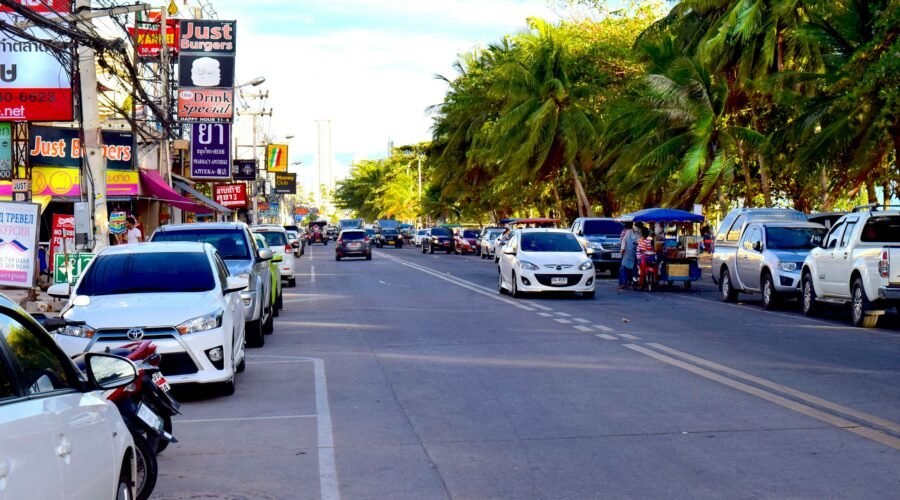
So, you’re eyeing Jomtien Beach and wondering when’s the sweet spot to go? In a nutshell, the best time to visit Jomtien Beach is generally between November and February. This is when the weather is at its most pleasant, with lower humidity and comfortable temperatures, and before the peak of the really hot season. Plus, you’ll likely find fewer crowds than during the absolute busiest periods, making it easier to relax and enjoy yourself. Knowing the best time to visit Jomtien Beach Chonburi helps you plan around weather, crowds, and budget.
Compare our seasonal guides to Chonburi, Thailand and Chonburi when choosing other stops in Chonburi.
1. Understanding Jomtien’s Climate: The Big Picture
Jomtien, like much of Thailand’s eastern coast, experiences a tropical monsoon climate. This means you can expect distinct wet and dry seasons, and the humidity levels can be a significant factor in your comfort. It’s not just about sunshine; it’s about how that sunshine feels.
The Three Main Seasons
- Cool/Dry Season (November – February): This is widely considered the prime time. Think of it as Thailand’s “winter” – though it’s still warm! The humidity dips, the temperatures are more manageable, and there’s less rain. It’s the most comfortable for exploring, lounging on the beach, and enjoying outdoor activities.
- Hot Season (March – May): Get ready for some serious heat and humidity. If you don’t mind the sweat and the sun beating down, this can be a good time for water activities, but exploring the town might feel a bit more challenging. Prices might also start to creep up as people look for ways to cool off.
- Rainy Season (June – October): Don’t let the name scare you off entirely. While you’ll experience rain, it’s usually not an all-day, every-day affair. Often, it comes in heavy, short bursts, typically in the afternoon or evening, followed by sunshine. This season brings lush greenery and can offer a more budget-friendly experience.
Humidity: The Unsung Hero (or Villain)
Humidity plays a massive role in how hot it feels. Even if the thermometer reads a “cool” 30°C, high humidity can make it feel much more oppressive. The cool/dry season offers a welcome reprieve from those sticky, muggy days, making a stroll along the promenade or a dip in the sea much more enjoyable.
2. Navigating the Crowds: When to Go for Peace and Quiet
Jomtien is a popular destination, and knowing when the masses descend can significantly impact your experience. While Jomtien might not get as overwhelmingly packed as some other Thai hotspots, there are definitely times when you’ll want to aim for fewer fellow travelers.
Peak Tourist Seasons
- Christmas and New Year (Late December – Early January): This is universally the busiest time across Thailand, and Jomtien is no exception. Expect full beaches, booked accommodation, and higher prices. If you love a festive atmosphere and don’t mind the crowds, this is your time, but book well in advance.
- Chinese New Year (Late January/Early February – Dates Vary): This period sees a significant influx of tourists from mainland China and other East Asian countries. Accommodation can fill up quickly, and popular spots will be busy.
- Songkran (Thai New Year – Mid-April): While Jomtien might not have the massive water fights of Chiang Mai or Bangkok, it still draws crowds for the holiday. If you’re prepared for some water-based fun, it can be lively. However, if you’re seeking tranquility, give this period a miss.
- School Holidays (Various times, especially European/Western summer): While less pronounced than in some other destinations, you’ll see an uptick in families during major school breaks.
Shoulder Seasons: The Ideal Compromise
- November and March: These months often fall into the “shoulder” season. You get the tail end of good weather in November and the beginning of it in March, but before the absolute peak of holiday crowds or the intense heat. You’ll find a good balance of pleasant weather and manageable numbers of people.
- Late October/Early November: As the rainy season starts to wind down, the skies clear, and the humidity begins to drop. This can be a fantastic time before the real holiday rush.
The Quietest Times
- June – September (Excluding any local holidays): This is the heart of the rainy season. While you’ll encounter rain, the numbers of international tourists are significantly lower. If you’re on a tight budget and don’t mind the potential for some rain showers, this can be a peaceful and affordable time to visit.
- February (Post-Chinese New Year): Once the major Asian holidays are over, there’s often a brief lull in crowds before the hot season really kicks in.
3. The Cost Factor: Getting the Best Bang for Your Buck
When you travel can have a dramatic impact on your wallet. Understanding Jomtien’s pricing cycles will help you plan a trip that fits your budget.
High Season Prices
- Accommodation: Expect hotels, guesthouses, and even condos to be at their most expensive from December to February, especially around Christmas and New Year.
- Flights: Airfare to Bangkok (the nearest major international airport) will also see a significant price hike during these peak periods.
- Tours and Activities: While not as dramatic as accommodation, prices for tours and popular activities might also be slightly inflated during peak season.
Low Season Savings
- Accommodation: This is where you’ll see the most significant savings. During the rainy season (June-October), you can often find excellent deals on accommodation, sometimes slashing prices by 30-50% or more compared to the high season.
- Flights: While flight prices fluctuate, you might find slightly better deals if you can book in advance outside of the major holiday periods.
- Food and Local Transport: Prices for everyday things like food at local eateries and songthaew (shared taxi) rides generally remain fairly stable year-round, offering consistent affordability.
The Shoulder Season Sweet Spot
- Value for Money: The shoulder months, like November and March, often offer a great balance of decent weather and more reasonable prices. You’re not paying peak season premiums, but you’re also not dealing with the consistent downpours of the rainy season. This is a popular time for independent travelers looking for a good deal.
4. Jomtien’s Vibe: Weather’s Impact on Activities
The weather in Jomtien doesn’t just affect your comfort; it also dictates what you can realistically and enjoyably do.
Active Pursuits in Pleasant Weather (November – February)
- Beach Lounging: This is prime time for soaking up the sun and enjoying the sea without feeling overwhelmed by heat or humidity.
- Water Sports: Activities like jet skiing, parasailing, and banana boat rides are readily available and more comfortable to participate in.
- Exploring the Town: Walking along Jomtien Beach Road, browsing markets, and visiting local restaurants is far more pleasant when it’s not stiflingly hot.
- Day Trips: If you plan to visit nearby islands like Koh Larn or explore attractions in Pattaya, the mild weather makes these excursions much more enjoyable.
Dealing with the Heat (March – May)
- Embrace the Water: This is the season to live in your swimwear. Swimming, water parks (like Ramayana or Columbia Pictures Aquaverse nearby), and any activity involving being submerged are your best bets.
- Early Mornings and Late Evenings: Plan your explorations for the cooler parts of the day. Sunrise walks or evening strolls become more appealing.
- Air-Conditioned Havens: You’ll likely spend more time in air-conditioned cafes, malls, and your hotel.
- Hydration is Key: Constantly drinking water and seeking shade is crucial to avoid heatstroke.
The Rainy Season: A Different Pace (June – October)
- Relaxed Atmosphere: With fewer tourists, Jomtien often has a more laid-back feel.
- Indoor Activities: This is a good time to explore Jomtien’s spas, enjoy longer meals at restaurants, or even take a Thai cooking class.
- “Afternoon Shower” Adventures: Many days will still have plenty of sunshine, interrupted by a refreshing downpour. You can plan activities around these potential showers, perhaps heading to the beach in the morning and then finding shelter or enjoying a quiet afternoon indoors.
- Lush Scenery: The landscape becomes incredibly green and vibrant during this season.
5. Jomtien vs. Pattaya: A Quick Note on Location
It’s worth remembering that Jomtien is essentially an extension of Pattaya, located just a few kilometers south. While Jomtien offers a slightly more relaxed and family-friendly atmosphere, the weather patterns and crowd dynamics will be very similar to Pattaya itself.
Proximity Benefits
- Access to Amenities: Jomtien benefits from Pattaya’s extensive infrastructure, including its large shopping malls, hospitals, and a wider range of dining and entertainment options.
- Transportation: Getting between Jomtien and Pattaya is easy and cheap via the local songthaew system.
Vibe Differences
- Jomtien: Known for its long, wide beach, promenade, and a generally more chilled-out vibe. It attracts more families and couples looking for a quieter beach holiday.
- Pattaya: More famously known for its nightlife, bustling streets, and a wider variety of attractions. It has a more energetic and sometimes raucous atmosphere.
Understanding this proximity means that when considering the best time to visit Jomtien, you’re largely looking at the same weather and crowd considerations as Pattaya, but with Jomtien offering a potentially more tranquil base.
6. Final Thoughts: Your Jomtien Perfect Timing
Ultimately, the “best” time to visit Jomtien Beach depends on your priorities.
- For the Most Comfortable Weather & Fewer Crowds: Aim for November, December (early), and February. You’ll get pleasant temperatures, lower humidity, and a good balance of activity and peace.
- For Budget Travelers Who Don’t Mind Rain: Consider the rainy season (June to October). You’ll find the lowest prices and a very relaxed atmosphere, as long as you’re prepared for potential downpours.
- For a Festive Atmosphere (and you don’t mind crowds): The Christmas/New Year period offers a lively, festive vibe, but be ready for higher costs and significant crowds.
- If You Love the Heat and Water Fun: The hot season (March to May) can be an option, but be prepared to manage the heat and humidity.
Think about what matters most to you – is it the weather, the cost, or the atmosphere? By considering these factors, you can pinpoint the perfect window for your Jomtien Beach getaway.
Best Time To Visit Jomtien Beach Chonburi: FAQs
1. What is the best time to visit Jomtien Beach, Chonburi in terms of weather?
The best time to visit Jomtien Beach, Chonburi is during the dry season, which typically runs from November to February. During this time, the weather is cooler and less humid, making it ideal for beach activities and outdoor exploration.
2. When is the peak tourist season at Jomtien Beach, Chonburi?
The peak tourist season at Jomtien Beach, Chonburi is during the months of December and January. During this time, the beach can get quite crowded, and accommodation prices may be higher than usual.
3. What is the off-peak season at Jomtien Beach, Chonburi?
The off-peak season at Jomtien Beach, Chonburi is during the rainy season, which typically runs from May to October. During this time, there are fewer tourists, and accommodation prices may be lower. However, it’s important to note that the weather can be unpredictable, with heavy rainfall and potential flooding.
4. What are the average costs of visiting Jomtien Beach, Chonburi?
The average costs of visiting Jomtien Beach, Chonburi can vary depending on the season. During the peak tourist season, accommodation prices may be higher, and popular activities and attractions may also be more expensive. During the off-peak season, accommodation prices may be lower, and there may be discounts on activities and attractions.
5. What are some popular activities to do at Jomtien Beach, Chonburi?
Some popular activities to do at Jomtien Beach, Chonburi include swimming, sunbathing, water sports, and exploring nearby attractions such as Pattaya Floating Market and Nong Nooch Tropical Botanical Garden. Additionally, visitors can enjoy the vibrant nightlife and dining options in the area.