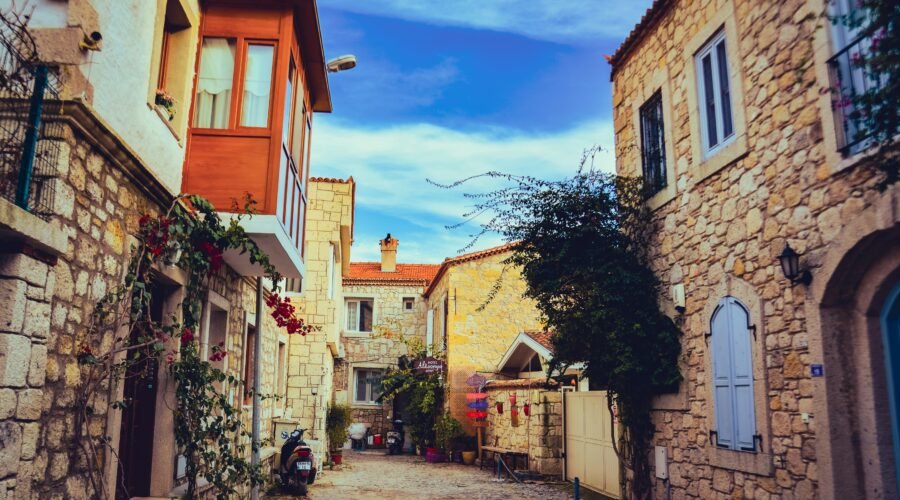
Choosing the best time to visit Izmir depends on whether you care most about comfortable sightseeing, warm sea temperatures, lighter crowds, or lower travel costs. İzmir has hot, very dry summers and mild but much wetter winters, so your experience changes noticeably from one part of the year to another.
Quick Answer
For most travelers, the best time to visit Izmir is May to June or September to October. May and October are especially comfortable for walking and archaeological sites, while September combines warm weather with good swimming conditions. July and August are hotter, busier, and usually more expensive.
Last checked: October 3, 2026. Dates and figures were verified against official sources.
Key Takeaways
- May and October offer some of the easiest temperatures for long days of sightseeing.
- July and August are the hottest and driest months, with average highs above 33°C (91°F).
- November through March brings fewer tourists and generally better accommodation value, but substantially more rain.
- For 2027 travel, the Ramadan Feast and Sacrifice Feast create important domestic travel periods in March and May.
Best Time to Visit Izmir Month by Month
Official Turkish State Meteorological Service climate normals for İzmir show a sharp change between the wet winter and hot, almost rainless summer. The figures below use the 1991–2020 normals.
The crowd and cost columns are relative planning guidance rather than official statistics. Actual hotel and flight prices depend on your origin, booking date, neighborhood, holidays, and local events.
| Month | Average High / Low | Average Rainy Days | Crowds / Cost | Best For |
|---|---|---|---|---|
| January | 12.7 / 6.0°C (55 / 43°F) | 11.6 | Low / Low | Museums, food, quiet city breaks |
| February | 14.0 / 6.6°C (57 / 44°F) | 12.0 | Low / Low | Culture and quieter attractions |
| March | 17.2 / 8.6°C (63 / 47°F) | 10.2 | Low / Low to moderate | Early spring sightseeing |
| April | 21.3 / 11.8°C (70 / 53°F) | 9.0 | Moderate / Moderate | Walking, ruins, spring scenery |
| May | 26.5 / 16.2°C (80 / 61°F) | 7.1 | Moderate / Moderate | Best all-around sightseeing |
| June | 31.3 / 20.9°C (88 / 70°F) | 3.7 | Moderate to high / Moderate | City plus beach trips |
| July | 33.8 / 23.5°C (93 / 74°F) | 0.7 | High / High | Beaches and nightlife |
| August | 33.6 / 23.7°C (92 / 75°F) | 0.8 | High / High | Hot-weather coastal trips |
| September | 29.5 / 19.5°C (85 / 67°F) | 3.1 | Moderate to high / Moderate | Beach plus sightseeing |
| October | 24.6 / 15.4°C (76 / 60°F) | 6.7 | Moderate / Moderate | Comfortable walking and food trips |
| November | 18.8 / 10.9°C (66 / 52°F) | 9.1 | Low / Low | Food, culture, olive season |
| December | 14.0 / 7.7°C (57 / 46°F) | 13.3 | Low / Low | Museums and local city life |
Izmir Weather by Season
Izmir has a Mediterranean climate, but that simple label hides a large seasonal difference. Summer is intensely dry, while winter accounts for much of the annual rainfall. Spring and autumn sit between those two extremes and suit the widest range of activities.
Spring: March to May
Spring becomes increasingly comfortable as May approaches. March still averages more than 10 rainy days, while May reaches an average high of 26.5°C (80°F) and gets substantially less rain.
April works well if you prefer cooler walking weather and do not mind occasional showers. May is better if you want warm evenings, long Kordon walks, archaeological day trips, and some coastal time without midsummer heat.
Spring scenery around the region is also greener than in late summer. Pack layers for March and April, while May usually calls for lighter clothing during the day plus something light for evenings.
Summer: June to August
Summer is hot, sunny, and exceptionally dry. June already averages 31.3°C (88°F) in the daytime. July and August average highs of 33.8°C and 33.6°C respectively, with fewer than one rainy day per month in the climate normals.
Those conditions are excellent if beaches, swimming, outdoor dining, and nightlife are your priorities. They are less comfortable if your plan revolves around long walks through Ephesus, Pergamon, or exposed urban sites.
For July and August sightseeing, schedule open-air attractions for early morning or late afternoon. Use the hottest part of the day for lunch, museums, cafés, or a rest.
Autumn: September to November
September and October provide one of the strongest combinations of warm weather and manageable sightseeing conditions. September still averages 29.5°C (85°F), while October drops to a milder 24.6°C (76°F).
September is particularly useful if you want both beach time and city sightseeing. October favors walking, markets, historical sites, food-focused trips, and exploring nearby towns without July or August heat.
November is noticeably cooler and wetter, with an average high of 18.8°C (66°F) and about nine rainy days. It can still work well for a culture-focused trip, especially if swimming is not important.
Winter: December to February
Winter is mild compared with inland Türkiye, but it is İzmir’s wettest season. December averages 13.3 rainy days and 131.3 mm of precipitation, while January and February also see frequent rain.
Snow in central İzmir is uncommon. Winter instead tends to mean cool temperatures, rain, shorter days, and far fewer leisure travelers.
This is a useful period for museums, Kemeraltı, local restaurants, cafés, and quiet archaeological visits. Coastal resort areas can feel much sleepier, and some seasonal businesses may reduce their hours or close temporarily.
When Are Crowds and Travel Costs Highest?
Izmir itself remains a working city throughout the year, so it does not shut down in the low season. The largest seasonal change is usually seen in leisure demand around coastal destinations such as Çeşme and Alaçatı, as well as at famous day-trip sites.
Peak Season: July and August
July and August are the main summer peak. Beaches and resort towns are busiest, accommodation demand rises, and popular restaurants or beach venues can require more planning.
Flights and hotels are commonly more expensive during high-demand summer dates. The original planning rule of booking major summer flights roughly 6–9 months ahead can be useful if your dates are fixed, although it is not a guarantee of the lowest fare.
If you must travel in midsummer, reserving accommodation early matters most in beach-oriented areas rather than in every part of İzmir city.
Shoulder Season: April to June and September to October
The shoulder months usually give you more breathing room without losing good weather. May, early June, September, and October are especially attractive because most outdoor activities remain practical.
Accommodation choice is generally better than during the July-August rush. Booking roughly 3–5 months ahead is reasonable if you have firm dates, a specific hotel in mind, or plan to stay in popular coastal areas.
Low Season: November to March
November through March is the quietest period for leisure tourism. Hotels often have more availability, archaeological sites feel calmer, and you can experience a more local side of the city.
The trade-off is wetter weather and less reliable beach activity. For flexible winter trips, the original 1–3 month booking window is usually sufficient as general planning guidance, although major holidays or business events can still affect availability.
2027 Holiday Dates That Can Affect Crowds
Religious and national holidays matter because domestic travel can increase around them. The official 2027 Turkish religious calendar gives the following dates.
- Ramadan Feast eve: March 8, 2027, followed by the holiday from March 9–11.
- Sacrifice Feast eve: May 15, 2027, followed by the holiday from May 16–19.
- May 19: The final day of the 2027 Sacrifice Feast also coincides with Atatürk, Youth and Sports Day.
If your trip falls close to these periods, expect stronger domestic demand for intercity buses, flights, family-oriented attractions, and popular coastal accommodation. Booking transport and lodging earlier is sensible.
Izmir Festivals and Events to Consider
Izmir has major cultural events in spring, summer, and early autumn. As of October 3, 2026, several flagship event organizers were still displaying their 2026 schedules rather than confirmed 2027 editions, so the dates below are clearly labeled by year.
| Event | Latest Confirmed Schedule | What to Know |
|---|---|---|
| İzmir European Jazz Festival | March 5–17, 2026 | The official 2026 Jazz Festival program included concerts, talks, and screenings at venues such as AASSM and MÜZİKSEV. |
| International İzmir Festival | June 4–July 8, 2026 | The 39th International İzmir Festival used venues including AASSM, Agora, Celsus, and Çeşme Castle. Some 2026 concerts at historic venues were complimentary. |
| İzmir International Fair | September 5–13, 2026 | The 2026 fair at Kültürpark charged TRY 100 full admission and TRY 50 youth admission, with specified groups eligible for free entry. |
The fair can make central İzmir feel livelier in September, while the International İzmir Festival adds another reason to consider early summer despite warmer temperatures.
What Is the Best Time for Beaches and Swimming?
June through September is the most reliable period if swimming is a major part of your trip. Average sea temperatures rise sharply into summer and stay comparatively warm into September.
Historical water-temperature data for İzmir show averages of about 66°F (19°C) in May, 71°F (22°C) in June, 74°F (23°C) in July and August, 73°F (23°C) in September, and 69°F (21°C) in October. The water-temperature record summarized by WeatherSpark places the warmer-water period roughly from mid-June through late September.
- June to September: Best overall for swimming and beach-focused trips.
- Late May and early October: Possible for many swimmers, but the water feels cooler.
- November to April: Better for city sightseeing than beach swimming.
Remember that İzmir city itself is not primarily a beach resort. Many travelers pair a city stay with coastal areas such as Çeşme or Alaçatı.
Is Spring or Autumn Better for Izmir?
Spring is better for greener scenery, while early autumn is better if swimming matters. Both seasons are excellent for sightseeing, so your priorities should decide between them.
- Choose April or May for spring landscapes, comfortable archaeological visits, and cooler evenings.
- Choose September if you want warm water and beach time without waiting until midsummer.
- Choose October for comfortable walking temperatures, thinner leisure crowds, and food-focused travel.
For a first trip centered on İzmir city, Ephesus, Kordon, markets, and nearby towns rather than beaches, May or October is especially easy to plan.
How Holidays Can Change Your Trip
Turkey’s Eid periods, known locally as Ramazan Bayramı and Kurban Bayramı, create a very different travel pattern from an ordinary week. Families often travel between cities, and popular holiday destinations can become much busier.
Flights, intercity buses, accommodation, and coastal roads may face heavier demand. Some banks, offices, and smaller businesses may also operate differently during official holidays, although major tourist attractions and restaurants often continue operating.
If cultural atmosphere is part of your reason for visiting, these periods can be interesting. If your priority is easy transport, flexible reservations, and quieter attractions, dates immediately outside the holiday period are simpler.
When Is Izmir Cheapest to Visit?
Winter generally gives budget travelers the strongest chance of lower accommodation and flight costs. November through March has lower leisure demand than midsummer, although prices still vary by route, hotel category, business events, and holidays.
July and August
Expect the greatest competition for resort accommodation and desirable summer dates. Çeşme and Alaçatı can be particularly busy because they attract domestic vacationers as well as international visitors.
Rental-car demand can also rise. Local everyday restaurants do not necessarily change their menu prices with the tourism season, but popular venues can become harder to reserve.
May, June, September, and October
These months often offer a better balance between price and conditions. You still get warm weather, but usually with more accommodation choice than the July-August peak.
September can remain relatively busy around major events or warm weekends, while October tends to become calmer as the month progresses.
November through March
Winter is generally the best period for travelers who prioritize price over beach weather. City hotels stay open, while some seasonal properties and businesses in coastal resort areas may close or reduce services.
The biggest limitation is weather rather than sightseeing access: build some flexibility into your day so rain does not disrupt your entire itinerary.
Practical Booking Tips
Booking needs change by season. You need the most advance planning for peak summer, popular coastal stays, religious holidays, and major event periods.
- July and August: If your dates are fixed, start looking several months ahead. The original 6–9 month flight-planning window is reasonable for travelers who need specific dates.
- May, June, September, and October: Around 3–5 months ahead gives you a wider choice of hotels and flights, especially in sought-after coastal locations.
- November through March: Around 1–3 months can often provide ample choice, except around holidays, business fairs, or New Year.
- Popular small-group tours: Reserve earlier if a specific guide, departure time, or limited-capacity experience matters to you.
Prices are dynamic, so these are planning windows rather than promises that a particular date will produce the lowest fare.
What to Pack for Each Season
Your packing list changes substantially between January and July. Comfortable walking shoes matter year-round because İzmir and nearby archaeological sites involve a lot of walking.
Spring
- Light layers and a jacket or cardigan
- Comfortable walking shoes
- Sunglasses and sunscreen
- A compact umbrella or light rain jacket, especially in March and April
Summer
- Light, breathable clothes
- Sun hat and high-SPF sunscreen
- Sunglasses
- Swimwear for coastal trips
- Comfortable sandals or walking shoes
Autumn
- Light clothes for September
- Layers for October and November
- Comfortable closed shoes
- A light rain layer later in the season
Winter
- Warm layers
- Water-resistant outerwear
- Sturdy walking shoes
- An umbrella
Getting Around Izmir
Izmir has an integrated network of buses, metro services, trams, suburban rail, and ferries. Public transport is particularly useful for moving around central districts without dealing with parking.
From April 1, 2026, the central-zone full fare listed on the official İzmirim Kart tariff was TRY 35. Eligible İzmirim Kart trips also include second and subsequent rides within the 90-minute transfer period, with exceptions for some fare and payment categories.
Taxis are widely available. The original claim that Uber is not widely available is no longer accurate: the Uber app in İzmir currently allows users to request licensed local taxis 24 hours a day.
A rental car is most useful if you intend to make several independent trips to destinations such as Çeşme, Alaçatı, Pergamon, or rural areas. Inside central İzmir, parking and traffic can make public transport more convenient.
Should You Visit Ephesus from Izmir?
Ephesus fits especially well into an April-May or September-October Izmir trip. The archaeological site is exposed, so mild shoulder-season weather makes several hours of walking more comfortable than the hottest part of July or August.
If you visit in midsummer, arrive as early as your schedule permits. Comfortable shoes, sun protection, and drinking water become much more important on hot days.
Pergamon is another strong archaeological day trip, while Çeşme and Alaçatı suit travelers who want to combine history and city life with beaches, restaurants, and the Aegean coast.
Which Month Should You Choose?
Your ideal month depends on what you want from the trip. There is no need to force a summer visit if beaches are not your main goal.
- May: Best balance for sightseeing, mild warmth, and spring scenery.
- June: Best if you want warmer beach conditions while avoiding the height of July-August demand.
- September: Best combination of warm water, warm weather, and easier sightseeing than midsummer.
- October: Best for comfortable walking, food, culture, and fewer beach-focused visitors.
- July-August: Best for travelers who actively want hot weather, beach trips, and lively summer evenings.
- November-March: Best for lower-cost, quieter, culture-focused travel if rain does not bother you.
For the broadest mix of good weather, sightseeing comfort, coastal access, and reasonable crowd levels, May, June, September, and October remain the strongest choices.
Frequently Asked Questions
What is the best time to visit Izmir?
The best time to visit Izmir for most travelers is May to June or September to October. These months avoid the wettest winter weather and the strongest midsummer heat while still offering good conditions for walking, archaeological sites, outdoor dining, and coastal trips.
What are the hottest months in Izmir?
July and August are the hottest months in Izmir. Official 1991–2020 climate normals show average daytime highs of 33.8°C in July and 33.6°C in August, while rainfall averages less than one rainy day per month.
When is peak tourist season in Izmir?
Peak leisure season is generally July and August, particularly in coastal destinations such as Çeşme and Alaçatı. Expect stronger hotel demand, busier beaches, more domestic vacation traffic, and less comfortable midday conditions for long archaeological or city walks.
When is the cheapest time to visit Izmir?
November through March generally offers the best chance of lower travel costs because leisure demand is lower. The trade-off is wetter, cooler weather. Exact hotel and airfare savings vary by route, neighborhood, business events, public holidays, and how early you book.
What months are best for swimming near Izmir?
June through September is the most reliable swimming period near Izmir. Average sea temperatures are around 71°F in June, 74°F in July and August, and 73°F in September. Late May and early October can also work if you are comfortable with cooler water.
Does it snow in Izmir in winter?
Snow in central Izmir is uncommon. Winter weather is more often cool and rainy, with December through February forming the wettest part of the year. Snow is more plausible at higher elevations away from the low-lying city center.
Which 2027 holidays could make Izmir busier?
The main 2027 religious holiday periods to plan around are the Ramadan Feast from March 9–11 and the Sacrifice Feast from May 16–19, with half-day eves on March 8 and May 15. Domestic transport demand can increase around these dates.
Sources
- Turkish State Meteorological Service: İzmir 1991–2020 monthly climate normals, including high and low temperatures, rainfall, sunshine, and rainy days.
- Presidency of Religious Affairs: Official 2027 Ramadan Feast and Sacrifice Feast calendar dates.
- İzmir Culture, Arts and Education Foundation — European Jazz Festival: 2026 festival dates and program information.
- İzmir Culture, Arts and Education Foundation: 2026 International İzmir Festival dates, venues, and complimentary concert information.
- İzmir International Fair: 2026 fair dates, hours, admission prices, and free-entry categories.
- İzmirim Kart: Public transport fare and 90-minute transfer information effective in 2026.
- Uber İzmir: Current licensed taxi availability through the Uber app.
- WeatherSpark: Historical average sea-temperature seasonality for İzmir.