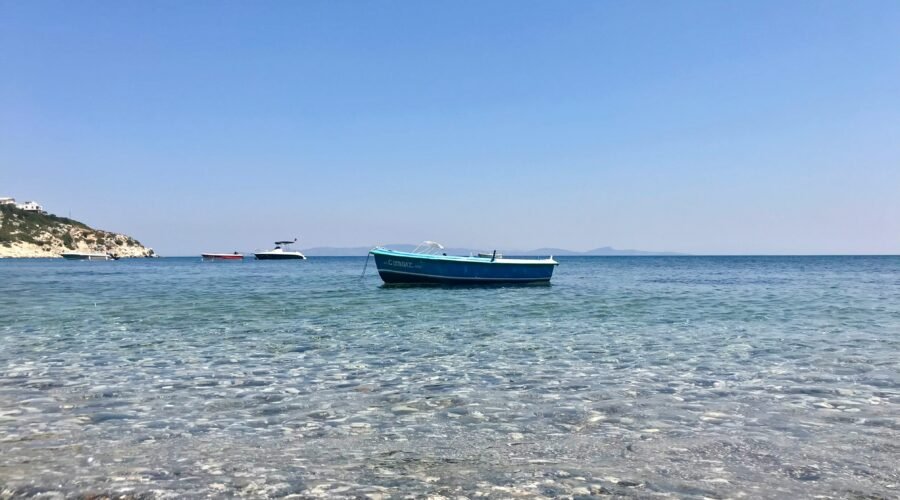
The best time to visit Karaburun, İzmir depends on whether you care most about swimming, hiking, quiet beaches, or lower demand. For the strongest overall balance, plan for late May to mid-June or September. These periods avoid much of the peak-summer pressure while still offering warm, mostly dry conditions.
Quick Answer
The best time to visit Karaburun, İzmir is late May to mid-June or September. Late spring gives warm, mostly dry days and excellent hiking, while September keeps the sea warmer and crowds lighter than peak summer. Early October is better for sightseeing than guaranteed beach weather as the sea and evenings cool.
Last checked: September 29, 2026. Dates and figures were verified against official sources.
Key Takeaways
- September is especially strong for swimmers because the Aegean retains much of its summer warmth.
- May and June work well for hiking, sightseeing, wildflowers, and beach time before the busiest part of summer.
- July and August have the hottest, driest weather and the greatest pressure on beaches, roads, parking, and accommodation.
- Winter is much quieter and better suited to walking and local life than to a conventional beach holiday.
Best Time to Visit Karaburun, İzmir by Month
For beach-focused travel, June through September offers the most dependable combination of warm air and swimmable water. May is better for active sightseeing, while October can still be pleasant but becomes less reliable for swimming as the sea cools and rainy days become more common.
The air-temperature figures below use Meteoroloji Genel Müdürlüğü’s İzmir 1991-2020 climate normals as an official regional benchmark. Karaburun’s exposed coastal location can feel cooler or windier than central İzmir.
| Month | Average High | Average Low | Aegean Sea Average | Typical Crowd Level | Best For |
|---|---|---|---|---|---|
| May | 26.5°C / 79.7°F | 16.2°C / 61.2°F | 18.8°C / 65.8°F | Moderate | Hiking, sightseeing, flowers |
| June | 31.3°C / 88.3°F | 20.9°C / 69.6°F | 22.1°C / 71.8°F | Moderate, rising late month | Beach time and swimming |
| July | 33.8°C / 92.8°F | 23.5°C / 74.3°F | 24.2°C / 75.6°F | High | Swimming and full summer atmosphere |
| August | 33.6°C / 92.5°F | 23.7°C / 74.7°F | 24.6°C / 76.3°F | High | Warmest sea and summer nightlife |
| September | 29.5°C / 85.1°F | 19.5°C / 67.1°F | 23.3°C / 73.9°F | Moderate | Best all-round beach trip |
| October | 24.6°C / 76.3°F | 15.4°C / 59.7°F | 20.8°C / 69.4°F | Low | Walking and quiet sightseeing |
The sea figures come from the MGM analysis of Aegean Sea temperatures from 1970-2024. They are Aegean-wide monthly averages rather than measurements from one Karaburun beach.
March to April: Best for Spring Walks
Early spring suits travelers who care more about scenery and walking than swimming. Days become steadily milder, wild vegetation is active, and the peninsula is much quieter than it will be in summer.
The official Visit İzmir guide to Karaburun identifies April through November as the ideal period for the peninsula’s walking routes. March and April can still bring rain and cool evenings, while the sea remains cold for most casual swimmers.
May to June: Best for Warm Weather Without Peak-Summer Heat
May and the first half of June are among the strongest periods for an active coastal holiday. You can combine hiking, village visits, beach time, cycling, and sightseeing without the sustained midsummer heat of July and August.
May’s regional average high is 26.5°C (79.7°F), although the long-term Aegean sea average is only 18.8°C (65.8°F). By June, the sea average rises to 22.1°C (71.8°F), making swimming more comfortable for many visitors.
Late June starts to feel more like peak summer. Türkiye’s 2025-2026 school year ended on June 26, 2026, which helps explain why domestic leisure demand becomes stronger from the end of June onward.
July to August: Best for Hot Weather and the Warmest Sea
July and August suit travelers whose main goal is swimming, sun, boat trips, and a lively summer atmosphere. They are also the hottest months, so long hikes and exposed sightseeing are less comfortable around the middle of the day.
Official İzmir normals put average daytime highs at 33.8°C (92.8°F) in July and 33.6°C (92.5°F) in August. Average rainfall is extremely low in both months, while the long-term Aegean sea average reaches 24.2°C (75.6°F) in July and 24.6°C (76.3°F) in August.
This is also the period when popular beaches, harbor areas, restaurants, roads, and parking are most likely to feel busy. If you must travel in midsummer, booking accommodation before arrival gives you more choice.
September to Early October: Best Overall for Swimming and Sightseeing
September is arguably Karaburun’s strongest all-round month. The worst summer heat eases, the Aegean still averages 23.3°C (73.9°F), and the peninsula becomes easier to explore as the main holiday rush fades.
Early October can still work well for walking, road trips, and quiet coastal days. However, the Aegean’s long-term October average drops to 20.8°C (69.4°F), and İzmir’s average number of rainy days rises from about 3 in September to nearly 7 in October.
November to February: Quietest, but Not a Beach Season
Winter is best for travelers seeking solitude, local life, photography, and cool-weather walks rather than swimming. Karaburun has a Mediterranean climate, so winters are mild compared with much of Europe but noticeably wetter than summer.
Many seasonal businesses close during the low season, so accommodation and dining choices can be narrower. The sea is also cold: MGM’s Aegean averages fall from 18.0°C (64.4°F) in November to 15.6°C (60.1°F) in December and 13.3°C (55.9°F) in February.
When Is Karaburun Most Crowded?
Karaburun is busiest in July and August, especially on summer weekends when visitors arrive from İzmir and other parts of Türkiye. May, early June, September, and early October generally offer more breathing room while keeping most warm-weather attractions practical.
Mordoğan is one of the more active parts of the district, while Karaburun’s smaller coves can feel quieter. Even outside July and August, local festivals or national holidays can create short-term crowd spikes.
2026 Dates That Can Affect Crowds
Several dated events make the shoulder seasons more interesting but can also increase local traffic. The Karaburun Municipality’s 2026 event listings included Hıdırellez activities on May 5 and May 9, Mordoğan’s liberation celebrations on September 16, and Karaburun’s liberation celebrations on September 17.
Religious holidays can also increase domestic travel. In 2026, the official Diyanet public-holiday calendar listed the Kurban Bayramı holiday from the afternoon of May 26 through May 30. If your trip overlaps a major holiday, accommodation and roads may be busier than normal shoulder-season conditions suggest.
When Is Karaburun Usually Cheapest?
Demand is normally highest in July and August and lower outside the main summer season. That means May, early June, late September, October, and winter can provide better availability, but there is no authoritative public dataset that supports a fixed percentage saving for Karaburun hotels.
Accommodation is the part of the trip most likely to change with season and demand. Flights to İzmir and rental-car rates also move with dates, booking lead time, holidays, and wider travel demand, so one fixed seasonal percentage would be misleading.
- July-August: Expect the strongest demand and the greatest need to book ahead.
- May-June and September-early October: Usually a better balance between weather, choice, and demand.
- Late October-April: Demand is much lower, but some seasonal accommodation, restaurants, and tourism services may not operate.
Best Activities by Season
Your ideal month also depends on what you plan to do. Karaburun is not only a beach destination; its walking routes, villages, diving, fishing culture, and coves make spring and autumn useful even when the water is too cool for long swims.
Spring
Choose spring for hiking, wildflowers, photography, village visits, and comfortable road trips. April and May are especially attractive if you want to explore without building your day around the afternoon heat.
Summer
Summer gives you the broadest range of sea-based activities. Visit İzmir highlights swimming, boat tours, scuba diving, snorkeling, fishing, and beaches including Kuyucak, Akvaryum or İncirlikoy, Eşendere, Saipaltı, İğdealtı, Büyükkent, and Dolungaz.
July and August are better for people who prioritize warm water over quiet surroundings. For hiking, start early or wait until later in the day rather than tackling exposed routes during peak heat.
Autumn
September combines swimming with comfortable exploration, while October increasingly favors hiking and sightseeing. This is a useful period for visiting Mordoğan, Karaburun center, nearby villages, harbors, and coastal viewpoints without midsummer conditions.
Winter
Winter is centered on quiet coastal drives, local life, fishing, nature walks, and photography. Beaches are largely empty, but swimming conditions will be too cold for most visitors and the range of tourism-oriented services is reduced.
Getting Around Karaburun
A car gives you the most flexibility if you want to move between villages, viewpoints, and less accessible coves. Public transport does serve the main settlements, so you can still plan a trip without driving if your itinerary stays close to established routes.
Current ESHOT information shows that Line 761 connects Karaburun and Urla. Services also operate within the peninsula, including the Mordoğan-Yeniliman corridor, but departure frequencies vary by route and day.
Do Ferries Run to Mordoğan All Year?
No. The İzmir-Mordoğan sea connection should be treated as seasonal rather than a year-round transport option. In 2026, İZDENİZ’s weekend summer day-trip services to Mordoğan and Urla ran from June 27 through September 13.
This matters if you choose late September or October for fewer crowds. Those months can still be excellent for a visit, but you should not build the trip around the assumption that the summer ferry will still be operating.
How Far Ahead Should You Book?
Book earliest for July, August, major holiday periods, and dates around local celebrations. Shoulder-season trips usually give you more flexibility, while low-season travelers should focus less on selling out and more on confirming that the accommodation and services they want are actually open.
- July-August: Reserve preferred hotels, guesthouses, and rental cars well ahead when possible.
- May-June and September: Advance booking is still sensible for popular properties and weekends.
- Late autumn and winter: Availability may look plentiful, but the number of operating seasonal properties can be smaller.
Which Season Should You Choose?
Choose late May to mid-June if you want hiking, sightseeing, warm days, flowers, and some beach time before peak summer. Choose September if swimming matters most but you still want milder weather and less pressure than July or August.
Pick July or August for the warmest sea and fullest summer atmosphere, accepting the heat and crowds. Choose October through April mainly for walking, scenery, local life, and quiet rather than a classic Aegean beach holiday.
Frequently Asked Questions
What is the best time to visit Karaburun, İzmir for good weather?
Late May to mid-June and September offer the best overall weather for most visitors. They combine warm days with easier sightseeing than peak summer, while September also benefits from sea temperatures that remain close to summer levels.
When is the best time for swimming in Karaburun?
June through September is the most comfortable swimming period for most travelers. Long-term Aegean averages rise from 22.1°C in June to 24.6°C in August, then remain around 23.3°C in September.
When is peak tourist season in Karaburun?
July and August are the main peak season in Karaburun. Hot, dry weather, school holidays, warm sea temperatures, and weekend visitors from the İzmir area combine to make beaches, roads, parking, restaurants, and accommodation busier.
Is September a good month to visit Karaburun?
Yes, September is one of the strongest months for a Karaburun trip. İzmir’s regional average high is 29.5°C, the long-term Aegean sea average is 23.3°C, and the busiest part of the summer holiday season is beginning to ease.
Is Karaburun worth visiting in winter?
Karaburun can be rewarding in winter if you want quiet scenery, walks, photography, and local life rather than swimming. The weather is cooler and wetter, the sea is cold, and many seasonal businesses close, so your choice of accommodation and dining may be narrower.
Do you need a car in Karaburun?
A car is not essential for staying around the main settlements, but it gives you much more flexibility. ESHOT buses serve Karaburun, Mordoğan, Urla, and other stops, while remote coves and scattered viewpoints are easier to reach on your own schedule by car.
When is the cheapest time to visit Karaburun?
Late autumn and winter generally have the lowest travel demand, while July and August have the strongest demand. However, there is no reliable public Karaburun hotel-price index that proves a fixed seasonal discount, and fewer seasonal properties may operate in winter.
Sources
- Meteoroloji Genel Müdürlüğü – İzmir Climate Normals: Regional monthly temperatures, sunshine, rainfall, and rainy-day averages.
- Meteoroloji Genel Müdürlüğü – Aegean Sea Temperature Analysis: Long-term monthly Aegean sea-temperature averages.
- Visit İzmir – Karaburun: Beaches, walking season, diving, boat trips, villages, and local activities.
- Karaburun Municipality Events: Verified 2026 local festivals and September celebration dates.
- ESHOT Line 761: Karaburun-Urla public transport route and current timetable information.
- İZDENİZ: 2026 seasonal Mordoğan and Urla summer ferry period.
- Türkiye Ministry of National Education: June 26, 2026 end of the 2025-2026 school year.
- Diyanet – 2026 Official Holidays: 2026 religious-holiday dates relevant to domestic travel demand.