So, you’re thinking about a trip to Kostroma, Russia? That’s a great choice! This charming city on the Volga River is packed with history and beauty. But like any trip, the when can make a big difference. Let’s break down the best times to visit Kostroma, looking at what the weather’s like, how many people you’ll be up against, and what your wallet might have to say about it. Knowing the best time to visit Kostroma Russia helps you plan around weather, crowds, and budget.
Compare our seasonal guides to Nerekhta, Kostroma Oblast and Galich, Kostroma Oblast when choosing other stops in Kostroma Oblast.
If you’re looking for the most comfortable experience, aim for this period. You’ll generally find pleasant weather, longer daylight hours, and most of the city’s attractions will be in full swing. It’s a good balance for most travelers.
1.1. May: Blossoms and Gradual Warmth
- Weather: May in Kostroma is a breath of fresh air. The last of the winter chill is usually gone, and you’ll start to see trees and flowers blooming. Temperatures are typically mild, ranging from around 10°C to 18°C (50°F to 64°F). It’s not quite summer heat, but it’s definitely comfortable for walking around. You might still get a few cooler days or occasional rain showers, so packing layers is a good idea.
- Crowds: May is generally not peak season. You’ll find fewer tourists than in the height of summer, making it easier to explore attractions without feeling rushed or overwhelmed. It’s a great time to enjoy a more relaxed pace.
- Costs: Accommodation and flight prices are usually more reasonable in May compared to July and August. You can often find good deals if you book in advance, but it’s not as fiercely competitive as the absolute peak months.
1.2. June & July: The Heart of Summer
- Weather: These are your classic summer months. Expect warm to hot temperatures, often reaching into the low to mid-20s Celsius (70s Fahrenheit), and sometimes even higher. Daylight hours are at their longest, offering plenty of time for sightseeing. The evenings are pleasant, perfect for strolling along the Volga. However, these months can also bring occasional thunderstorms, so be prepared for a bit of rain.
- Crowds: This is prime tourist season. You’ll encounter more people at popular spots like the Ipatiev Monastery and the Fire Tower. While not as overwhelming as some major European capitals, expect a noticeable increase in visitor numbers. Booking accommodations and tours well in advance is highly recommended to secure your preferred options and prices.
- Costs: Prices for flights and hotels will be at their highest during June and July. This is when demand is strongest, so if budget is a major concern, you might want to consider the shoulder months.
1.3. August: Still Warm, but Shifting
- Weather: August offers much of the same warm weather as July, with average temperatures still in the comfortable range. Towards the end of the month, you might start to feel a subtle shift towards autumn, with slightly cooler evenings and a hint of changing colors in the foliage. It’s still great for outdoor activities.
- Crowds: August remains a busy month, especially in the earlier half. As school holidays wind down in late August, you might see a slight dip in the number of families traveling. However, it’s still considered a popular time to visit.
- Costs: Similar to July, August sees high prices. The very end of August might offer some slight price reductions as the summer peak starts to recede, but generally, expect summer rates.
1.4. September: Autumn’s Gentle Embrace
- Weather: September is a beautiful transition month. The summer heat subsides, replaced by crisp, clear autumn days. Temperatures are usually in the 15°C to 20°C (59°F to 68°F) range. The real draw here is the stunning foliage. The leaves begin to turn, painting the city and surrounding countryside in shades of gold, red, and orange. It’s absolutely picturesque.
- Crowds: As families return to school and the summer rush fades, September sees a significant drop in tourist numbers. This makes it an ideal time for those who prefer a quieter, more authentic experience. You’ll have more space at attractions and a better chance to interact with locals.
- Costs: Prices for flights and accommodation typically start to decrease in September. It’s a fantastic time to find good value for money without compromising on pleasant weather and beautiful scenery.
Best Time To Visit Kostroma Russia: 2. The Cold Shoulder: Winter (November to March)
Visiting Kostroma in winter is a different experience altogether. If you’re looking for snow-covered landscapes, festive lights, and a truly Russian winter atmosphere, this is your time. However, it comes with significant weather challenges and shorter daylight hours.
2.1. November: The Pre-Winter Chill
- Weather: November is when Kostroma starts to embrace winter. Temperatures drop considerably, often hovering around freezing or just below. Snowfall becomes more frequent, and the landscape begins to transform. Daylight hours are significantly reduced. It can be a bit bleak as the transition happens.
- Crowds: Tourist numbers are very low in November. You’ll likely have many attractions to yourself. This can be a positive if you enjoy solitude and a local feel.
- Costs: Prices for accommodation and flights are generally at their lowest during this period. It’s a budget-friendly time to visit if you can tolerate the cold.
2.2. December & January: The Deep Freeze
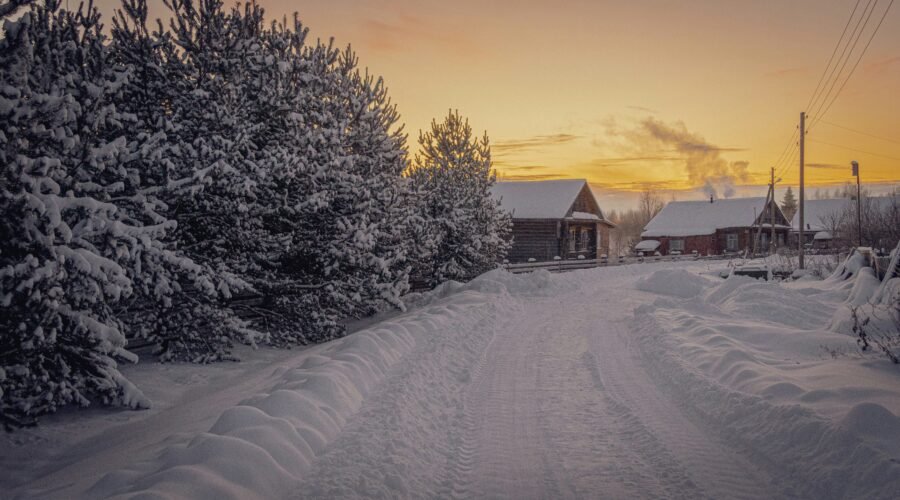
- Weather: These are the coldest months. Expect sub-zero temperatures, often well into the -10°C to -20°C (14°F to -4°F) range, and sometimes even colder. Heavy snowfall is common, creating picturesque winter scenes. The Volga River will likely be frozen over. Daylight is very limited, with only a few hours of weak sunlight each day.
- Crowds: Apart from the Christmas and New Year holidays, December and January are very quiet for tourists. If you visit outside of the holiday period, you’ll find Kostroma to be a peaceful, almost deserted city. If you aim for the New Year, expect a slight increase in domestic tourists.
- Costs: Outside of the New Year period, accommodation and flight prices are at their absolute lowest. This is the most budget-friendly time to visit Kostroma, provided you are well-prepared for the extreme cold.
2.3. February: Lingering Winter Magic
- Weather: February is still firmly in the grip of winter. Temperatures remain very cold, similar to January. Snow is prevalent, and the landscape is at its most dramatic winter-white. Daylight hours begin to slowly increase as the month progresses, but it’s still considerably shorter than in summer.
- Crowds: February continues the pattern of low tourist numbers, except perhaps for some local winter festivals. It’s a quiet time for international visitors.
- Costs: Similar to December and January, February offers the lowest prices for travel to Kostroma.
2.4. March: A Glimpse of Spring
- Weather: March is a transition month back towards spring. The temperatures gradually start to rise, though it can still be quite cold, especially in the first half of the month. You might see some snow melting, but winter conditions can linger. Daylight hours are noticeably increasing.
- Crowds: Tourist numbers remain low in March. It’s still very much considered off-season.
- Costs: Prices are still low in March, making it a good option for budget travelers who don’t want to endure the absolute coldest months.
3. The Shoulder Seasons: April & October

These months offer a middle ground, with weather that can be a bit unpredictable but generally fewer crowds and better prices. They are often overlooked but can be surprisingly rewarding.
3.1. April: The Thaw and Awakening
- Weather: April in Kostroma is characterized by the thaw. The snow melts, and the ground can be muddy. Temperatures are still cool, often in the 5°C to 15°C (41°F to 59°F) range. While not always visually stunning, you can feel the city waking up from winter. Early spring flowers might start to appear towards the end of the month.
- Crowds: April is very much part of the low season. You’ll find very few tourists, making it feel like you have the city to yourself.
- Costs: Accommodation and flight prices are typically low in April. It’s a good time to snag deals if you don’t mind potentially cooler and wetter conditions.
3.2. October: Autumn’s Lingering Beauty and Early Cold
- Weather: October offers a mix. The early part of the month can still be quite pleasant, with crisp autumn air and lingering fall colors. Temperatures typically range from 5°C to 15°C (41°F to 59°F). However, as the month progresses, you’ll feel the chill of winter approaching, with temperatures dropping and the possibility of the first snow.
- Crowds: October sees a drop in visitor numbers after September. It’s a quiet month, ideal for those seeking a peaceful visit.
- Costs: October usually offers good value for money. Prices are generally lower than in the summer months, and you might find some good deals as the tourist season winds down.
4. Considering Your Priorities

When deciding on the best time to visit Kostroma, think about what matters most to you:
4.1. Weather Preferences
- Warmest & Sunniest: July and August offer the highest chance of warm, sunny weather, ideal for exploring outdoors.
- Mild & Pleasant: May, June, and September provide comfortable temperatures for sightseeing without the intense summer heat.
- Winter Wonderland: December, January, and February are for those who love snow, ice, and the cozy atmosphere of winter.
- Challenging but Potentially Rewarding: April, October, and November offer variable weather but fewer crowds.
4.2. Crowd Tolerance
- Fewest Crowds: Winter (excluding New Year) and early spring/late autumn (November, March, April, October) will offer the most solitude.
- Moderate Crowds: May and September are good compromises, with fewer people than summer but still a pleasant buzz.
- Busiest: July and August are peak tourist season, so expect more people at popular attractions.
4.3. Budget Considerations
- Most Affordable: Deep winter months (January, February, November, March) will offer the lowest prices for flights and accommodation.
- Good Value: Shoulder months like May, September, and October often provide a balance of decent weather and lower costs.
- Most Expensive: Summer months (June, July, August) will command the highest prices due to peak demand.
5. Special Events and Festivals
| Month | Weather | Crowds | Costs |
|---|---|---|---|
| June | Warm and sunny | High | High |
| July | Warm and sunny | High | High |
| August | Warm and sunny | High | High |
| September | Cooler, some rain | Medium | Medium |
| October | Cool and rainy | Low | Low |
While Kostroma might not have a massive calendar of international festivals, local events can add a unique flavor to your visit. Keep an eye out for:
5.1. Russian Orthodox Holidays
- Easter (Paskha): Celebrated with great fervor, Easter is a significant religious holiday in Russia. If you visit during this time (which falls in late March or April depending on the calendar), you can experience unique traditions, though many services will be in Russian.
- Christmas (Roshdestvo): Celebrated on January 7th according to the Orthodox calendar, this is a magical time in Russia. Kostroma will be beautifully decorated, and there will be a festive atmosphere, though it will be very cold.
5.2. Local Summer Festivals
- Midsummer/Ivan Kupala Day: Celebrated around July 7th, this ancient Slavic festival involves bonfires, dancing, and traditions. It’s a lively, cultural experience if your visit aligns with it.
- Regional Food and Craft Fairs: Throughout the summer and early autumn, Kostroma may host local markets and fairs showcasing regional produce, crafts, and folk performances. These are excellent opportunities to experience local life.
5.3. Winter Celebrations
- New Year’s Eve: As in much of Russia, New Year’s is a huge celebration. Kostroma will likely have decorations and events, though it will be very cold and geared towards domestic tourists.
- Maslenitsa (Butter Week): This pre-Lenten festival, usually in February or early March, involves feasting, folk games, and the burning of an effigy. It’s a very traditional Russian celebration.
6. Final Thoughts: Crafting Your Ideal Kostroma Trip
Ultimately, the “best” time to visit Kostroma depends on your personal preferences.
- For first-time visitors prioritizing comfort: Aim for late May, June, September, or early October. You’ll get pleasant weather, decent daylight hours, and a good balance of activities and manageable crowds. September and early October are particularly great for fall colors and fewer people if you don’t mind slightly cooler temperatures.
- For budget travelers who don’t mind the cold: January, February, or November offer the lowest prices and a true winter experience, but be prepared for serious cold and limited daylight.
- For those seeking a vibrant summer experience: July and early August will be the warmest and busiest, perfect if you want to experience the city at its most lively, but be ready to book ahead and spend a bit more.
- For photographers and those who love unique atmospheres: Consider late September or early October for the golden autumn foliage, or the depths of winter for dramatic snowy landscapes.
No matter when you choose to go, Kostroma offers a rich tapestry of history, culture, and natural beauty. A little planning based on these factors will help ensure your trip is everything you hoped for.
FAQs
1. What is the best time to visit Kostroma, Kostroma Oblast for favorable weather?
The best time to visit Kostroma, Kostroma Oblast for favorable weather is during the summer months of June to August when the temperatures are mild and the days are long.
2. When is the peak tourist season in Kostroma, Kostroma Oblast?
The peak tourist season in Kostroma, Kostroma Oblast is during the summer months of June to August when the weather is pleasant and many outdoor activities and events are available.
3. What is the off-peak season in Kostroma, Kostroma Oblast?
The off-peak season in Kostroma, Kostroma Oblast is during the winter months of December to February when the temperatures are cold and many outdoor attractions may be closed.
4. When can visitors expect lower costs for accommodations and attractions in Kostroma, Kostroma Oblast?
Visitors can expect lower costs for accommodations and attractions in Kostroma, Kostroma Oblast during the off-peak seasons of spring (March to May) and fall (September to November).
5. What are the average temperatures in Kostroma, Kostroma Oblast throughout the year?
The average temperatures in Kostroma, Kostroma Oblast range from -10°C to -15°C in the winter months and 15°C to 25°C in the summer months.