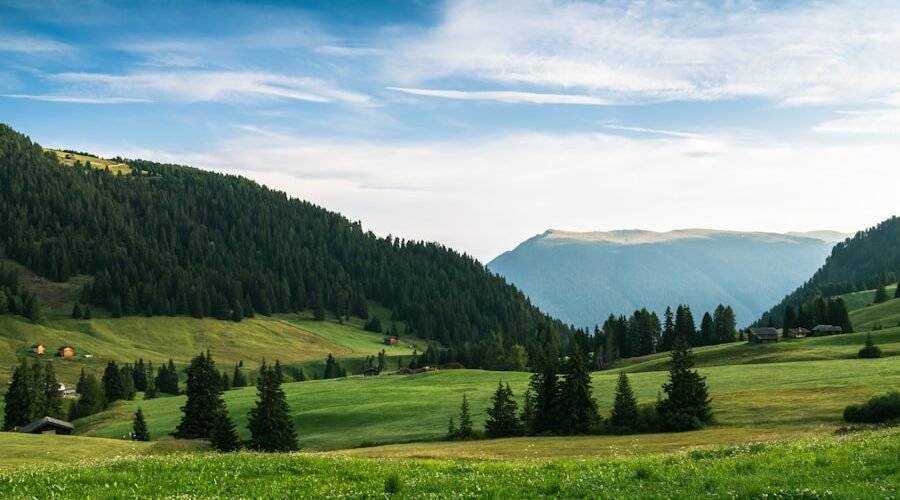
Nerekhta, a small, historic town in Russia’s Kostroma Oblast, offers a charming glimpse into traditional Russian life. The best time to visit Nerekhta really depends on what you’re looking for. Generally, late spring (May-June) and late summer/early autumn (late August-September) offer the most pleasant experience due to comfortable weather, manageable crowds, and reasonable costs. However, each season has its own unique appeal and drawbacks, which we’ll dive into below. Knowing the best time to visit Nerekhta Kostroma Oblast helps you plan around weather, crowds, and budget.
For a wider trip plan, see our Galich, Kostroma Oblast seasonal guide.
1. Spring: Thawing Beauty and Fresh Starts (April – June)
Spring in Nerekhta is a time of awakening. The snow melts, the rivers thaw, and the landscape slowly but surely turns green. It’s a beautiful transition period, offering unique photographic opportunities and a sense of renewal.
1.1 April: The Thaw and Muddy Paths
- Weather: April is truly a transitional month. You’ll still see remnants of winter, with temperatures hovering around 0°C to 10°C (32°F to 50°F). Expect a mix of chilly days, occasional snow flurries early in the month, and increasing rain as the month progresses. The ground can be quite muddy, especially off paved roads.
- Crowds: Very low. Nerekhta is not a major tourist hub, and April is definitely off-peak. You’ll likely have many of the local attractions to yourself.
- Costs: Generally lower for accommodation and potentially transportation, as it’s the shoulder season.
- Pros: Witnessing the dramatic change from winter to spring, few tourists, potentially lower prices.
- Cons: Unpredictable and often chilly/wet weather, muddy conditions, some outdoor activities might still be limited.
- Good for: Photographers interested in seasonal transitions, budget travelers, those who prefer solitude.
1.2 May: Blooming Landscapes and Mild Days
- Weather: May brings much more pleasant weather. Average temperatures range from 10°C to 20°C (50°F to 68°F). The days are longer, and the landscape bursts into bloom. While still cool in the evenings, daytime often feels comfortable for walking around. Rain showers are common but usually not prolonged.
- Crowds: Still relatively low, but you might start to see more local visitors, especially on weekends and public holidays (like Victory Day on May 9th).
- Costs: Accommodation prices might start to creep up slightly towards the end of the month but remain reasonable.
- Pros: Beautiful blooming nature, comfortable walking weather, good opportunities for outdoor exploration without feeling too cold or hot.
- Cons: Can still have some cooler days, especially early in the month. Mosquitoes might start to appear towards the end of May.
- Good for: Nature lovers, those seeking comfortable exploration without large crowds.
1.3 June: Early Summer Warmth and Greenery
- Weather: June offers some of the best weather of the year, with average temperatures from 15°C to 25°C (59°F to 77°F). Days are long, and the sun is often out. It’s generally warm and pleasant, though occasional thunderstorms can occur.
- Crowds: Remains moderate. While more people are traveling, Nerekhta doesn’t experience the kind of summer rush seen in larger cities. You’ll still find it relatively uncrowded.
- Costs: Mid-range. Accommodation and services are not at their peak, but prices are slightly higher than in the dead of winter or early spring.
- Pros: Excellent weather for exploring, long daylight hours, lush green landscapes.
- Cons: Can be prone to sudden thunderstorms, mosquitoes are definitely present, so bring repellent.
- Good for: General sightseeing, enjoying the outdoors, comfortable travel for most.
2. Summer: Warm Days and Local Festivities (July – August)
Summer is the warmest time in Nerekhta, and while it brings the most reliable good weather, it also marks the peak season for domestic tourism.
2.1 July: Peak Warmth and Lushness
- Weather: July is typically the hottest month, with average temperatures ranging from 20°C to 28°C (68°F to 82°F), and sometimes higher. It’s often sunny and humid. Thunderstorms can be quite dramatic in the afternoons.
- Crowds: This is probably the busiest month for Nerekhta, though “busiest” for Nerekhta is still relatively calm compared to major tourist destinations. You’ll see more families and local tourists, especially on weekends.
- Costs: Accommodation and some local services might be at their peak prices for the year, but still likely reasonable compared to larger cities.
- Pros: Best chance for consistently warm weather, ideal for river activities or simply enjoying the town squares, everything is open.
- Cons: Can be quite hot and humid for some, mosquitoes are abundant, potential for more local crowds.
- Good for: Those who love warm weather, families with children, river trips or outdoor recreation.
2.2 August: Gentle Decline and Harvest Time
- Weather: August sees a gradual cooling from July, with average temperatures from 18°C to 25°C (64°F to 77°F). The heat of July begins to subside, especially towards the end of the month. Days are still warm and pleasant, but evenings become noticeably cooler. Early autumn colors might start to appear in late August.
- Crowds: Crowds begin to thin out slightly as school holidays end, but it’s still a popular time, especially in the first half of the month.
- Costs: Similar to July, with a potential slight decrease towards the end of the month.
- Pros: Still excellent weather for exploration, less intense heat than July, first signs of autumn beauty.
- Cons: Mosquitoes remain a factor, can still be warm and humid.
- Good for: Similar to July, but for those who prefer slightly less intense heat, or those hoping to catch early autumn hues.
3. Autumn: Golden Hues and Crisp Air (September – November)
Autumn is arguably one of the most picturesque times to visit Nerekhta, especially early autumn, when the town and surrounding nature transform into a riot of color.
3.1 September: Golden Autumn Glory
- Weather: This is often considered the “golden autumn” in Central Russia. Temperatures are wonderfully crisp and pleasant, ranging from 10°C to 20°C (50°F to 68°F). Sunny days are common, providing perfect conditions for enjoying the vibrant autumn foliage. Rain increases towards the end of the month.
- Crowds: Low to moderate. The main summer rush is over, offering a more peaceful experience. You’ll mostly encounter independent travelers or small groups.
- Costs: Excellent value. Prices for accommodation and services are generally lower than in summer.
- Pros: Absolutely stunning autumn colors, comfortable temperatures for walking, fewer crowds, good value.
- Cons: Days start to get shorter, increasing chance of rain later in the month.
- Good for: Photographers, nature enthusiasts, those seeking a tranquil and beautiful experience. This is arguably the best overall time for many visitors.
3.2 October: Mellow Hues and Cooler Days
- Weather: The golden colors fade into more muted browns and reds. Temperatures drop significantly, averaging 5°C to 12°C (41°F to 54°F). Expect more overcast days and an increased chance of rain, which can sometimes turn to sleet by the end of the month. The air is crisp and often breezy.
- Crowds: Very low. This is firmly off-peak.
- Costs: Low. You’ll likely find good deals on accommodation.
- Pros: A moody, atmospheric beauty, truly quiet experience, excellent budget travel opportunity.
- Cons: Significantly colder, more rain, many trees will have lost their leaves by mid-month.
- Good for: Budget travelers, those who appreciate a quiet, contemplative atmosphere, researchers.
3.3 November: Approaching Winter and First Snow
- Weather: November is cold and increasingly damp. Temperatures hover around 0°C to 5°C (32°F to 41°F), often dipping below freezing by night. The first consistent snowfalls usually occur towards the end of the month, signaling the arrival of winter. It’s often grey and gloomy.
- Crowds: Extremely low. Nerekhta is almost entirely free of tourists in November.
- Costs: Lowest prices for the year.
- Pros: Experience the onset of winter, very quiet.
- Cons: Cold, wet, dreary weather, limited daylight, many outdoor activities are not feasible.
- Good for: Hardcore budget travelers, those visiting family or for specific local events, or those who truly enjoy the solitude of late autumn.
4. Winter: A Snowy Wonderland (December – March)
Winter transforms Nerekhta into a quintessential Russian fairytale landscape, blanketed in snow. While cold, it offers a unique charm and experience.
4.1 December: Early Winter and Festive Spirit
- Weather: Winter truly sets in. Temperatures typically range from -10°C to -2°C (14°F to 28°F), but can drop lower. Snow is common, creating a picturesque scene. Days are short, and the air is crisp.
- Crowds: Low. While locals prepare for New Year, general tourism is minimal.
- Costs: Low. Accommodation and services are generally inexpensive. Prices might rise slightly around New Year’s Eve.
- Pros: Beautiful snowy landscapes, festive atmosphere towards the end of the month.
- Cons: Very cold, short daylight hours, roads can be challenging.
- Good for: Those seeking a traditional Russian winter experience, photography of snowy scenes, visiting local Christmas markets (if any).
4.2 January: Deep Winter and Frosty Beauty
- Weather: January is usually the coldest month, with average temperatures from -15°C to -5°C (5°F to 23°F), often dipping much lower, especially during cold snaps. Heavy snow cover is almost guaranteed. The air is dry and bitterly cold.
- Crowds: Extremely low, except possibly during the Orthodox Christmas (January 7th) and New Year (first week of January) holidays, when some local families might travel.
- Costs: Low, except during the holiday period where prices might be slightly elevated but still reasonable.
- Pros: Classic Russian winter scenery, opportunities for winter sports (if available locally, like cross-country skiing), very quiet.
- Cons: Extreme cold, very short daylight hours, limited outdoor activities unless you’re prepared for the cold.
- Good for: Experiencing deep Russian winter, winter photography, those interested in quiet, introspective travel.
4.3 February: Lingering Cold and Increased Daylight
- Weather: Still very cold, but the intensity of January often lessens slightly, with temperatures ranging from -12°C to -3°C (10°F to 27°F). Days noticeably start to lengthen, and the sun, though still low, makes more frequent appearances. Snow cover remains deep.
- Crowds: Very low.
- Costs: Low.
- Pros: Beautiful snowy landscapes persist, longer daylight hours compared to January, still very quiet.
- Cons: Still very cold, potential for heavy snow.
- Good for: Similar to January, but with a bit more daylight for activities.
4.4 March: Signs of Spring and Melting Snow
- Weather: March is a transitional month. Early March is still very much winter, with temperatures around -5°C to 3°C (23°F to 37°F). Towards the end of the month, temperatures rise above freezing more consistently, and the snow begins its slow melt, leading to slushy conditions.
- Crowds: Very low.
- Costs: Low.
- Pros: Witnessing the very first signs of spring’s arrival, quiet.
- Cons: Can be very slushy and muddy as snow melts, unpredictable weather with a mix of winter and early spring conditions.
- Good for: Budget travelers, those interested in seasonal change, researchers.
5. Other Considerations: What to Pack and Local Events
Beyond just weather and crowds, a few other factors can influence your visit to Nerekhta.
5.1 Packing Essentials for Each Season
- Spring (April-June): Layers are key. Waterproof jacket, sturdy waterproof shoes (especially for April/early May), light sweaters, hat for cooler days, sunglasses. Mosquito repellent for May/June.
- Summer (July-August): Light clothing, short sleeves, but also a light jacket or sweater for cooler evenings. Rain jacket or umbrella. Sunscreen, hat, sunglasses. Definitely strong mosquito repellent.
- Autumn (September-November): Layers, warm sweaters, waterproof and windproof jacket, sturdy closed-toe shoes (waterproof for later autumn). Scarf and hat for October/November.
- Winter (December-March): Extremely warm winter clothing. Thermal underwear, warm layers (fleece, wool), heavy winter coat, waterproof and insulated boots with good grip, warm hat, scarf, and gloves/mittens are absolutely essential.
5.2 Local Events and Holidays
Nerekhta is a smaller town, so it doesn’t host massive international festivals. However, national holidays and local celebrations can impact your visit:
- New Year & Orthodox Christmas (Late Dec – Mid Jan): This is a major holiday period in Russia. Many shops and businesses might have reduced hours or be closed for extended periods. Public transport might also run on a holiday schedule. However, towns often have festive decorations.
- Victory Day (May 9th): A significant public holiday with parades and commemorative events. While usually peaceful, it can mean closures of some businesses.
- City Day (Usually late July or early August): Many smaller Russian towns celebrate a “City Day” with local festivities, concerts, and markets. Check with local information sources or Nerekhta’s official website closer to your desired travel dates. These can be charming local experiences but might mean slightly higher local activity.
- Maslenitsa (Shrovetide – late Feb/early March): This ancient Slavic pagan holiday marks the end of winter. Celebrations often involve pancake eating, folk games, and burning an effigy of winter. While exact dates vary, it’s a vibrant cultural experience if you happen to be there.
5.3 Transportation and Accessibility
Nerekhta is accessible by train from Moscow (often requiring a change in Yaroslavl or Kostroma) or by bus from Kostroma. Roads leading to Nerekhta are generally well-maintained, but winter conditions can make driving challenging. Public transport within the town is limited, so exploring on foot is common, or taxis are available. Consider this when choosing your travel season – deep snow in winter or mud in early spring can affect walkability and road conditions.
In summary, for the most comfortable and visually appealing trip, aim for May-June or September. If you’re a hardy traveler looking for unique experiences and don’t mind the cold, a winter visit could be magical. Avoid April and November if you dislike unpredictable weather and muddy conditions, unless you’re specifically seeking the quiet and budget benefits of the shoulder seasons.
Best Time To Visit Nerekhta Kostroma Oblast: FAQs
1. What is the best time to visit Nerekhta, Kostroma Oblast in terms of weather?
The best time to visit Nerekhta, Kostroma Oblast is during the summer months of June to August when the weather is warm and pleasant, with temperatures ranging from 15°C to 25°C.
2. When is the peak tourist season in Nerekhta, Kostroma Oblast?
The peak tourist season in Nerekhta, Kostroma Oblast is during the summer months of June to August when the weather is ideal for outdoor activities and sightseeing.
3. When is the off-peak season in Nerekhta, Kostroma Oblast?
The off-peak season in Nerekhta, Kostroma Oblast is during the winter months of December to February when the weather is cold and snowy, and outdoor activities are limited.
4. What are the average costs for visiting Nerekhta, Kostroma Oblast?
The average costs for visiting Nerekhta, Kostroma Oblast include accommodation, meals, transportation, and activities, with prices varying depending on the season and type of accommodation.
5. Are there any major events or festivals in Nerekhta, Kostroma Oblast that visitors should consider when planning their trip?
Nerekhta, Kostroma Oblast hosts the Nerekhta City Day celebration in August, featuring cultural events, performances, and local food and crafts, making it a great time to experience the local culture and traditions.