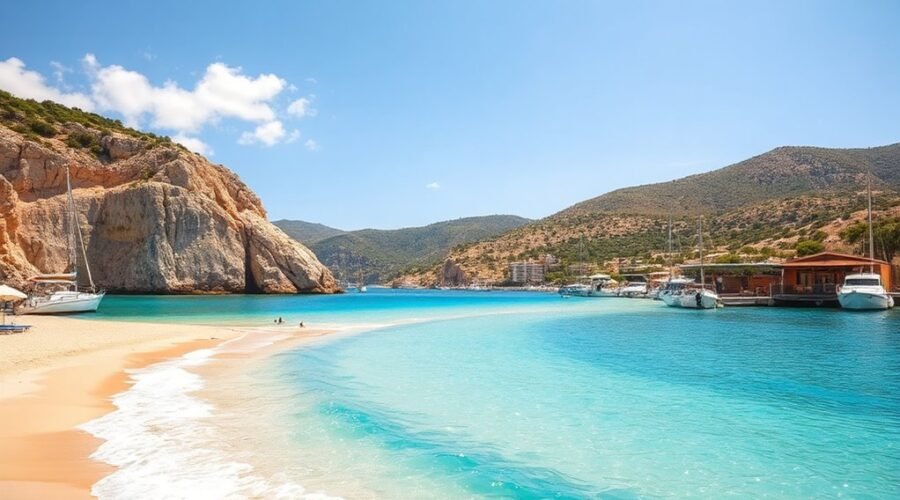
Choosing the best time to visit Mallorca depends on what you want from the island. Summer brings beach weather and the busiest resorts, while spring and autumn suit walking, cycling and sightseeing. Winter is quieter and cheaper, but some resort businesses close.
Quick Answer
For most trips, May, June and September are the best months to visit Mallorca. You get warm days and better conditions for exploring than in peak summer. Choose June to September for beach time, March to May or September to November for hiking, and November to February for the lowest prices and quietest atmosphere.
Also compare: When to Visit Bloomington, IN.
Last checked: November 19, 2026. Climate figures use the stated long-term reference period; 2027 public holidays and cited tourism figures were checked against official sources.
Key Takeaways
- July and August bring Mallorca’s hottest weather, busiest beaches and highest seasonal demand.
- September offers warm sea temperatures and more comfortable conditions than the height of summer.
- Spring and autumn are particularly suitable for hiking, cycling and exploring traditional villages.
- Winter offers quieter towns and lower travel costs, but some seasonal hotels and restaurants close.
The Best Time to Visit Mallorca for Good Weather
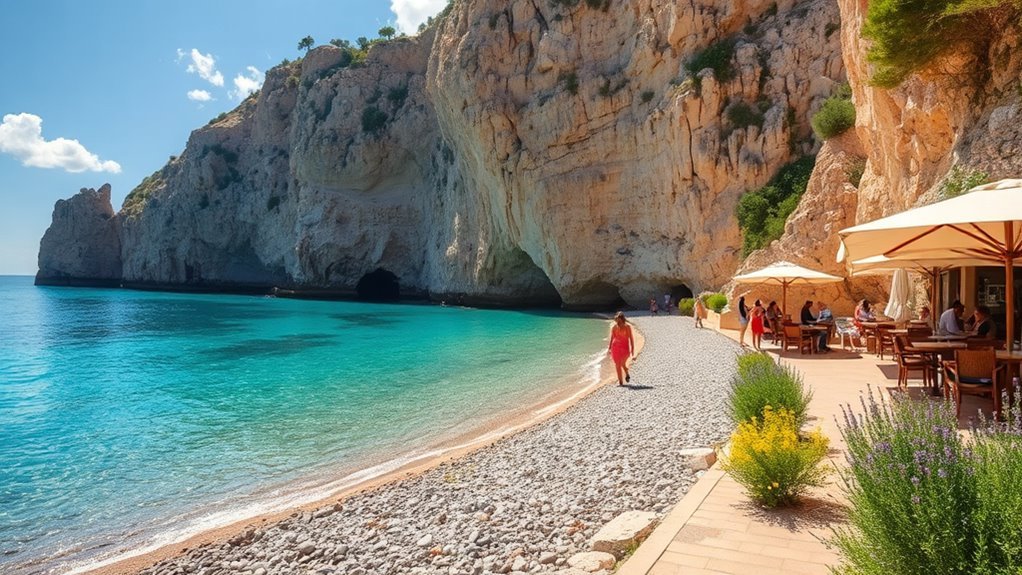
May, June and September usually provide the most comfortable mix of warmth and manageable conditions. If swimming is your priority, choose June to September. July and August bring the hottest weather, while spring and autumn are more comfortable for walking and cycling.
The following table uses the Spanish State Meteorological Agency (AEMET) climate records for Palma de Mallorca Airport. These standard climate values cover 1981–2010 and show average daily maximum and minimum temperatures and monthly rainfall.
| Month | Average daytime high | Average night low | Rainfall |
|---|---|---|---|
| January | 15.2°C (59°F) | 3.8°C (39°F) | 37 mm |
| February | 15.4°C (60°F) | 4°C (39°F) | 32 mm |
| March | 17.5°C (64°F) | 5.2°C (41°F) | 26 mm |
| April | 19.8°C (68°F) | 7.4°C (45°F) | 34 mm |
| May | 23.7°C (75°F) | 11.3°C (52°F) | 32 mm |
| June | 28.1°C (83°F) | 15.4°C (60°F) | 12 mm |
| July | 31.2°C (88°F) | 18.3°C (65°F) | 5 mm |
| August | 31.3°C (88°F) | 18.9°C (66°F) | 17 mm |
| September | 27.9°C (82°F) | 16.5°C (62°F) | 50 mm |
| October | 23.9°C (75°F) | 13.1°C (56°F) | 62 mm |
| November | 19°C (66°F) | 8.3°C (47°F) | 55 mm |
| December | 16.1°C (61°F) | 5.4°C (42°F) | 48 mm |
July is the driest month in this climate record, with just 5 mm of average rainfall. October is the wettest, with 62 mm. Average daytime highs reach 31.2°C (88°F) in July and 31.3°C (88°F) in August. Heatwaves can push temperatures above 35°C (95°F).
These figures describe the airport area, not every part of Mallorca. The Serra de Tramuntana and exposed coastal areas can experience different conditions, so use the table as a seasonal guide rather than a forecast.
When Are Crowds at Their Worst in Mallorca?
Mallorca is busiest in July and August, when summer holidays bring heavy demand to beaches, resort towns, restaurants and popular attractions. Easter week and late June can also bring short periods of increased visitor numbers.
The IBESTAT August 2025 tourist-flow report recorded 2,057,142 tourists whose main destination was Mallorca. This figure excludes day visitors and people in transit, showing how much overnight tourism concentrates in the summer season.
These are the main periods to consider:
- July and August: These are the busiest months, particularly during European school summer holidays. Expect more crowded beaches, busy coastal roads and higher accommodation prices.
- Semana Santa (Easter Week): Religious processions and public holidays attract visitors to towns across the island. In 2027, the Balearic public holidays include March 25 (Holy Thursday), March 26 (Good Friday) and March 29 (Easter Monday).
- Late June: Visitor numbers rise as the island moves into its main summer season. Popular beach areas and coastal attractions become noticeably busier.
- Public holiday weekends and local fiestas: These can create short-term demand spikes. The 2027 Balearic calendar lists May 1 as Labour Day, alongside separate municipal holidays throughout Mallorca.
If you prefer quieter beaches and easier sightseeing, May, early June and late September are generally better choices than the main summer holiday period. September can still be busy, particularly around popular resorts.
Best Time to Visit Mallorca for Your Holiday Type
Your ideal travel month depends on the kind of holiday you want. Families often benefit from warm weather outside the busiest summer weeks, while hikers, couples and culture lovers usually prefer milder conditions and fewer visitors.
| Holiday Type | Best Time to Visit | Why It Works |
|---|---|---|
| Family Vacations | June and early September | Warm beach weather without August’s strongest heat and crowds |
| Adventure Seekers | April, May and October | Milder temperatures for hiking, cycling and outdoor exploration |
| Romantic Getaways | May and October | Quieter villages, pleasant walking weather and a more relaxed atmosphere |
| Cultural Experiences | March, April and November | Easter traditions, local markets and seasonal village fairs |
Families get a good balance of beach weather and manageable temperatures in June and early September. Adventure seekers can explore the Serra de Tramuntana and coastal cycling routes without dealing with the strongest summer heat. Couples can enjoy quieter villages, while culture-focused visitors benefit from the island’s seasonal festivals and traditional markets.
The Cheapest Time to Visit Mallorca
November through February generally offers the lowest prices for flights, accommodation and car hire. You’ll spend less and encounter fewer tourists, but some resort hotels, restaurants and seasonal attractions close during the winter months.
Here’s where your budget travel strategy pays off most:
- Flights: Fares often drop considerably from October onward. Expect fares 40–60% cheaper than peak summer rates, although actual savings depend on your route and travel dates.
- Hotels: Hotels slash prices dramatically in winter, with many quality properties offering half-board deals.
- Car hire: Car hire becomes remarkably affordable outside the busy summer period, giving you more flexibility to explore the island.
- Restaurants and activities: Some businesses offer lower seasonal prices outside the main tourist period, helping your travel budget stretch further.
March and early April offer a useful middle ground. Temperatures begin to rise, outdoor activities become more appealing and prices can remain below summer levels. However, Easter week can bring increased demand, so avoid assuming every spring week offers the same savings.
The Best Months to Visit Mallorca by Traveller Priority
Choose your travel month according to your main priority. The best beach months are not necessarily the best hiking months, and the quietest period is not ideal for every type of holiday.
| Priority | Best Months | Why It Works |
|---|---|---|
| Beach and Sun | June–September | Warm sea temperatures, long days and dependable beach conditions |
| Budget Travel | November–February | Lower seasonal rates and fewer tourists |
| Hiking and Nature | March–May and September–November | Milder temperatures and more comfortable outdoor conditions |
| Quiet Sightseeing | February and November | Less crowded towns, markets and cultural attractions |
Spring: March to May
Spring is one of Mallorca’s strongest seasons for hiking, cycling and exploring traditional villages. Temperatures become more comfortable, and the countryside offers attractive conditions for outdoor activities. The official Mallorca spring travel guide also highlights cycling routes, hiking and the island’s Easter traditions and village fairs.
March and April can still bring cool mornings and occasional rain. May is generally warmer and offers a particularly good balance for sightseeing and outdoor exploration.
Summer: June to August
Summer is the strongest season for beach holidays, swimming, boat trips and water sports. Beaches and coves are at their most popular, and the island has a lively calendar of outdoor entertainment and local celebrations.
June is a good choice if you want summer weather before the busiest weeks. July and August bring higher temperatures, more visitors and greater demand for accommodation. July is also the driest month in the AEMET climate record.
Autumn: September to November
September and October are attractive for visitors who want to combine coastal activities with hiking, cycling and food experiences. The sea retains summer warmth early in autumn, although rainfall increases, particularly in October.
Autumn is also a good time to explore local markets and traditional fairs. Inca’s Dijous Bo, one of Mallorca’s best-known autumn fairs, takes place in November. The official autumn fairs and markets guide highlights this event and other village celebrations.
Winter: December to February
Winter offers a quieter Mallorca, with mild daytime temperatures and cooler evenings. It suits visitors interested in Palma, village walks, local food, wine and cultural attractions rather than traditional beach holidays.
Winter also brings some of the island’s best-known local celebrations. Sant Antoni takes place on January 16 and 17, with bonfires and traditional festivities in towns such as Sa Pobla, Manacor and Artà. Palma celebrates Sant Sebastià around January 20, with its main festive night on January 19. The official festival guide explains these winter traditions.
Keep in mind that some seasonal hotels, restaurants and tourist businesses close during winter, especially in resort areas. Palma and larger towns generally offer more year-round options.
Frequently Asked Questions
What Currency Is Used in Mallorca, and Are Cards Widely Accepted?
Mallorca uses the euro (€). Debit and credit cards are widely accepted in hotels, restaurants and shops, especially in tourist areas, but carrying a little cash is useful for small purchases or smaller businesses. ATMs are available in Palma and other towns. You can find more information in Spain’s official payment and currency guide.
Do I Need a Visa to Visit Mallorca as a Tourist?
Visa rules depend on your nationality, not on Mallorca itself. EU, EEA and Swiss citizens can travel under free-movement rules; some non-EU visitors are visa-exempt, while others need a Schengen short-stay visa. For non-EU visitors using short-stay rules, the usual limit is 90 days in any 180-day period. Read Spain’s official visa and entry requirements before travelling.
What Language Is Spoken in Mallorca, and Is English Widely Understood?
Spanish and Catalan are both official languages in the Balearic Islands. Mallorquí is the island’s local variety of Catalan, not a separate official language. English is commonly understood in hotels, resorts and tourist-facing businesses, but it is less reliable in smaller villages. The Balearic government language guide explains the local language situation.
How Long Is the Flight From the UK to Mallorca?
A direct flight from the UK to Palma de Mallorca usually takes about 2 to 2.5 hours, depending on the departure airport. A nonstop flight from London Heathrow takes about 2 hours 25 minutes, but schedules and flight times vary by airline and season.
Are There Any Cultural Customs or Etiquette Tips I Should Know?
Dinner is often later than in northern Europe, and 9 PM is a common time to eat. Greet staff politely and follow the restaurant’s pace. Tipping is optional in Spain; leaving 5–10% for good service is common, but no fixed tip is required.
Conclusion
For a balanced trip, choose May, June or September. Pick July or August if peak-summer beach weather and lively resorts are your priority, or visit in spring and autumn for outdoor activities. Match your month to your plans, then account for Easter and local holidays before booking.
Sources
- AEMET, Standard Climate Values: Palma de Mallorca Airport: Monthly average high and low temperatures and rainfall for the 1981–2010 reference period.
- IBESTAT, FRONTUR August 2025 Tourist Flow Report: Mallorca’s August 2025 tourist arrivals and the exclusion of day visitors and transit passengers.
- Government of the Balearic Islands, 2027 Working Holiday Calendar: Regional public holidays, Easter dates and local municipal holidays.
- Illes Balears Tourism, Mallorca in Spring: Spring hiking, cycling, outdoor activities and Easter traditions.
- Illes Balears Tourism, Autumn Fairs and Markets: Inca’s Dijous Bo and Mallorca’s autumn village fairs.
- Illes Balears Tourism, Sant Antoni and Sant Sebastià: January festival dates and traditional celebrations.
- Spain.info, Visa and Passport Requirements: Tourist entry requirements and short-stay visa information.
- Spain.info, Money and Payments: Spain’s currency, card payments and tipping customs.
- Government of the Balearic Islands, Language Guide: Catalan and Spanish official-language status and local language varieties.