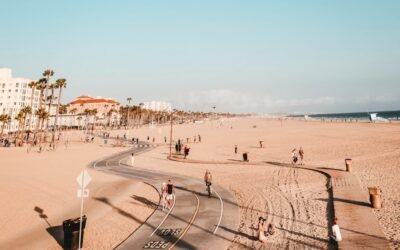
Planning a trip to Margaret River, Western Australia, means choosing between sunny beach weather, quieter winery days, wildflower season, whale migration, and the price pressure that comes with popular holiday periods. There is no single perfect month for every traveler, but autumn and spring usually offer the strongest balance of comfortable weather, manageable crowds, and flexible travel costs.
Quick Answer
For most visitors, the best time to visit Margaret River is during autumn from March to May or spring from September to November. Autumn suits wine, coastal walks, and warm settled days, while spring is best for wildflowers, migrating whales, hiking, and mild weather. Summer favors beaches; winter favors quieter, cozy escapes.
Key Takeaways
- Best overall balance: March-May and September-November.
- Best for beaches: December-February, when days are warm, dry, and long.
- Best for wine lovers: Late summer through autumn for vintage activity, or winter for relaxed cellar-door visits.
- Best for wildflowers: August-November, with especially strong displays during spring.
- Best for whales: Roughly late May or June through early December, with viewing locations changing as the migration progresses.
- Best chance of quieter travel: Winter outside school holidays and major event weekends.
Margaret River has a mild Mediterranean-style climate. The region’s official tourism guide describes summers as warm with little rainfall and winters as cooler and wetter. The Wadandi people, the Traditional Custodians of this part of the South West, also recognise six seasonal periods tied to changes in weather, plants, wildlife, and Country. You can read the region’s official climate and seasonal guide when planning around current conditions.
Summer: Beaches, Sunshine, and Peak Holiday Demand
Summer in Margaret River runs from December through February. This is the classic choice if your trip revolves around beaches, swimming, surfing, coastal drives, outdoor dining, and long daylight hours. It is also one of the busiest periods, particularly during the Christmas and New Year holiday season.
Weather in Summer
Summer is generally warm, sunny, and comparatively dry. The Margaret River Region reports an average summer maximum just under 30°C, although individual days can be cooler or considerably hotter. Many afternoons are moderated by sea breezes, and evenings are usually mild enough for outdoor meals and winery visits.
Pack sunscreen, a hat, light clothing, drinking water, and a warmer layer for cooler coastal evenings. Even during a warm spell, conditions can differ between the inland vineyards and exposed coastline.
Crowds in Summer
Summer brings strong holiday demand. Christmas, New Year, school-holiday periods, and long weekends can make popular beaches, cellar doors, restaurants, tours, and accommodation noticeably busier. The region’s own summer-holiday guidance recommends booking popular lunches and tours ahead.
If you enjoy an energetic holiday atmosphere, summer can be excellent. If your priority is quiet cellar doors, easy restaurant reservations, and more space at viewpoints, autumn, winter, or early spring will usually suit you better.
Costs in Summer
Accommodation and transport prices are date-sensitive, so there is no reliable fixed “summer premium.” However, strong demand and limited availability around school holidays and long weekends can push rates higher and reduce your choice of rooms, rental cars, and tours.
Compare live rates before booking rather than assuming every December-February date will cost the same. Early December and February outside major holiday periods may offer a different price picture from Christmas and New Year.
Pro Tip: If you want summer weather without the strongest holiday pressure, compare dates outside the Christmas-New Year period and reserve high-priority restaurants, accommodation, and tours before the trip.
What to Do in Summer
Summer is ideal for beach days, surfing, snorkeling in suitable conditions, coastal drives, boating, fishing, and sunset stops. Surfers Point near Prevelly is one of the region’s best-known coastal locations, while wineries and breweries make good afternoon stops when you want a break from the beach.
The Cape to Cape Track can also be explored in summer, but heat, exposed sections, water requirements, bushfire conditions, and temporary closures matter. The full Cape to Cape Track is about 130 km and includes rough trail, beach walking, cliffs, and variable river conditions.
Warning: Bushfire risk is highest during hot, dry, and windy conditions. Before summer hikes or drives through bushland, check current fire danger, emergency warnings, park alerts, closures, and weather. Western Australia’s Department of Fire and Emergency Services advises travelers to be prepared to change plans if conditions deteriorate.
If you’re comparing how seasonal weather, crowds, and costs affect different destinations, you can also see Best Time to Visit Resadiye, Tokat: Weather, Crowds, and Costs.
Autumn: Warm Days, Vintage Activity, and Fewer Summer Crowds
Margaret River moves into autumn from March through May. This is one of the strongest all-round periods because much of the warm weather can linger while the intense summer-holiday rush begins to ease.
Weather in Autumn
March can still feel quite summery. April and May gradually bring cooler mornings, milder afternoons, and an increasing chance of rain. The region’s six-season climate guidance places February-March in a warmer phase and April-May in a cooler period with average temperatures broadly around 12-24°C.
This combination works well if you want outdoor sightseeing without relying on peak-summer heat.
Crowds in Autumn
Visitor pressure normally drops after the main summer-holiday period, although weekends, Easter, school holidays, major food-and-wine events, and surfing competitions can still create busy pockets.
Outside those periods, you may find more breathing room at beaches, tasting rooms, restaurants, and walking trails than during late December and January.
Costs in Autumn
Autumn can provide better value than peak holiday dates, but it should be treated as a shoulder season rather than a guaranteed discount period. Rates vary by weekend, event, property type, and how early you book.
May can be particularly appealing to travelers who value quieter surroundings more than beach-swimming temperatures.
What to Do in Autumn
Wine is a major reason to visit at this time. Vintage commonly gets underway in February and can continue into autumn depending on grape variety and the conditions of that particular year. The Margaret River Wine Association’s vintage reports show how each harvest differs rather than following one fixed March-April schedule.
Autumn is also good for leisurely winery lunches, coastal drives, surfing, photography, forest trips, and sections of the Cape to Cape Track. Sea temperatures and weather gradually cool as May approaches, so beach walking often becomes more attractive than long swims for travelers who dislike cold water.
Note: Vintage timing changes from year to year. If watching harvest activity matters to your trip, check directly with the wineries you plan to visit rather than choosing dates solely from a general calendar.
Winter: Cozy Wineries, Whales, and Dramatic Coastlines

Winter runs from June through August. It is Margaret River’s coolest and wettest period, but it can be rewarding if you like quiet roads, fireplaces, wine, forest scenery, whale watching, and dramatic Southern Ocean weather.
Weather in Winter
Most of the region’s annual rainfall falls during winter. Official regional guidance describes average winter daytime temperatures around 16-18°C, while nights are commonly above about 8°C. Individual mornings can be colder, and storms can bring strong wind and heavy rain along the coast.
Pack waterproof outerwear, layers, closed shoes, and clothing that can handle changing conditions rather than assuming every winter day will be wet.
Crowds in Winter
Winter usually feels quieter than summer. Weekdays can be especially relaxed, although July school holidays, festivals, and popular winter events can temporarily increase demand.
This slower pace is well suited to couples, solo travelers, food-and-wine trips, and visitors who care more about atmosphere than swimming weather.
Costs in Winter
Winter often provides greater accommodation availability and can produce attractive off-season offers, but no specific saving is guaranteed. School holidays, events, premium weekend stays, and limited-room properties can still command strong rates.
For the most accurate budget, compare the exact dates you are considering rather than relying on a generic low-season percentage.
What to Do in Winter
Winter works especially well for cellar-door visits, long restaurant lunches, galleries, artisan shops, cafes, chocolate experiences, forest walks between showers, and storm watching from safe viewpoints.
It is also an important whale-watching period. The Margaret River Region’s official whale-watching guide places migrating whales in regional waters from roughly June through early December. Augusta and Flinders Bay are especially important earlier in the season, commonly from June through August.
Winter is also truffle season. Local Margaret River truffle farms run seasonal hunts, commonly beginning in early June and continuing through part or all of winter. The broader South West black-truffle season can extend into September depending on the producer and year.
Spring: Wildflowers, Whales, and Mild Outdoor Weather
Spring runs from September through November and is another excellent all-round period. Temperatures rise, days become sunnier, native flowers spread across the landscape, and migrating whales continue moving through the region.
Weather in Spring
September can still bring cool, wet, or windy conditions, so it should not be treated like early summer. October and November generally become warmer and more settled. Regional six-season guidance places August-September around 9-19°C and October-November around 12-24°C as broad seasonal averages.
That makes spring particularly comfortable for hiking, touring wineries, exploring caves and forests, and spending long days outside without relying on peak-summer temperatures.
Crowds in Spring
Spring visitor levels are usually moderate, although school holidays, long weekends, events, and warmer November weekends can be busy. September and non-holiday weekdays often feel quieter than late spring.
If you want spring scenery with fewer people, compare weekday stays and avoid assuming every weekend has the same availability.
Costs in Spring
| Season | Typical Conditions | Crowds | Cost Tendency | Best For |
| December-February | Warm, sunny, comparatively dry | Highest around major holidays | Often higher on peak-demand dates | Beaches, swimming, outdoor dining |
| March-May | Warm at first, gradually cooler | Usually below summer levels | Often better shoulder-season value | Wine, surfing, hiking, food |
| June-August | Coolest and wettest | Generally quiet outside holiday/event dates | Often good value, but variable | Wine, whales, truffles, cozy stays |
| September-November | Mild, increasingly warm and sunny | Moderate | Moderate; November can rise | Wildflowers, whales, hiking |
Spring prices usually sit between winter’s quieter periods and peak summer-holiday demand, but there is no universal rate pattern. September or October weekdays may provide good availability, while school holidays and desirable November weekends can book quickly.
What to Do in Spring
Spring is one of the best periods for native flora. The region’s official wildflower guide says the strongest displays are generally from August through November. October can be particularly colorful, although different orchids and other species flower at different times.
The Cape to Cape Track is a major spring attraction because you can combine walking with wildflowers, coastal views, and whale spotting. DBCA notes that whales can pass close to shore along the track between May and December.
Spring is also excellent for vineyard visits as new growth returns to the vines. Outdoor cellar-door seating becomes increasingly comfortable, beaches become more inviting, and whale watching continues later in the migration season, particularly around Geographe Bay and the northern part of the region.
If you like comparing destinations by weather, crowds, and seasonal costs, you can also read this guide to the best time to visit Kocaali, Sakarya.
Shoulder Seasons: The Best of Both Worlds?
For many travelers, yes. Margaret River’s autumn and spring shoulder seasons offer the most useful compromise between weather, crowd levels, outdoor activities, and accommodation choice.
Spring Shoulder Season: September-November
Choose spring if wildflowers, whale watching, hiking, mild afternoons, and green landscapes are high on your list. September remains changeable, while October and November generally move closer to warm-weather conditions.
Spring is especially attractive if you want a nature-focused trip without the strongest Christmas and January holiday demand.
Autumn Shoulder Season: March-May
Choose autumn if you want lingering summer warmth, wine-region activity, surfing, vineyard lunches, coastal scenery, and a gradual move toward quieter conditions.
March is best for travelers who still want warm weather. May suits visitors who prefer cooler walking weather and a more relaxed atmosphere.
Why Shoulder Seasons Work
The advantage is flexibility. You can still spend substantial time outdoors, yet you are less dependent on the high-demand summer holiday calendar. Shoulder seasons also give you two distinct versions of Margaret River: autumn centers more strongly on harvest, surf, food, and fading summer warmth, while spring emphasizes wildflowers, whales, new vineyard growth, and longer warming days.
Best Time to Visit Margaret River by Travel Style
- For beaches and swimming: December-February offers the warmest overall beach weather.
- For wine and vintage atmosphere: February through autumn is the key harvest period, although exact picking dates vary each year.
- For relaxed cellar doors: Winter and non-holiday weekdays in the shoulder seasons are strong choices.
- For wildflowers: August-November, with spring providing the widest choice of flowering landscapes.
- For whale watching: Roughly late May/June to early December. Augusta is important earlier in the migration, while Geographe Bay becomes especially useful later.
- For the Cape to Cape Track: Autumn and spring usually provide the most comfortable overall balance, although current weather and track alerts matter more than the calendar alone.
- For fewer crowds: Winter outside school holidays and event weekends is usually the safest bet.
- For potential value: Compare winter and shoulder-season dates first, but always check live accommodation and transport prices.
What Can Change the Best Time for Your Trip?
The calendar is only a starting point. School holidays, long weekends, major sporting or food events, accommodation availability, storms, bushfires, and individual preferences can all change which week is best.
If a specific winery, restaurant, tour, hiking section, or whale-watching cruise is central to your trip, confirm its operating dates before booking accommodation. For walking trips, check DBCA track alerts shortly before departure. During hot and dry periods, also check Western Australian fire danger and emergency information.
Ultimately, the best time to visit Margaret River depends on what you want most. Summer gives you the strongest beach focus, autumn combines warmth with wine-region activity, winter delivers quiet cellar doors and dramatic weather, and spring brings wildflowers, whales, and excellent outdoor conditions. For the broadest balance, March-May and September-November remain the strongest starting points.
Frequently Asked Questions
What is the best time to visit Margaret River, Western Australia?
For most travelers, autumn from March to May and spring from September to November offer the best balance. Autumn favors warm days, wine, surf, and lighter crowds, while spring is excellent for wildflowers, whales, hiking, and mild weather.
What is the weather like in Margaret River throughout the year?
Margaret River has a mild Mediterranean-style climate. Summers are warm and comparatively dry, autumn gradually cools, winter is the wettest period with average daytime temperatures around the mid-to-high teens Celsius, and spring becomes progressively warmer and sunnier.
When are crowds highest in Margaret River?
Demand is normally strongest during the summer holiday period, especially around Christmas, New Year, school holidays, and long weekends. Major events can also make selected autumn, winter, or spring weekends busy.
When is Margaret River quietest?
Winter generally has the quietest atmosphere, particularly on weekdays outside July school holidays and major events. Late autumn and early spring can also feel relaxed compared with peak summer dates.
When is the cheapest time to visit Margaret River?
Winter and parts of the shoulder seasons often provide better availability and attractive rates, but there is no guaranteed cheapest month. Prices depend on your exact dates, accommodation type, events, school holidays, and how early you book.
What is the best month for wildflowers in Margaret River?
Wildflowers can be found across a long season, but August through November is the strongest general window. October often produces especially diverse and colorful displays, although flowering varies by species and seasonal conditions.
When can you see whales in the Margaret River Region?
Whales are commonly seen from roughly late May or June through early December. Augusta and Flinders Bay are important earlier in the season, particularly during winter, while Geographe Bay and northern viewpoints become important later in the migration.
When is the best time to walk the Cape to Cape Track?
Autumn and spring are usually the easiest seasons for comfortable walking because temperatures are milder. However, trail conditions, river crossings, heat, fire danger, storms, closures, and water availability should always be checked before you start.
Sources
- The Margaret River Region — Weather & Climate — seasonal weather, temperature patterns, and regional seasonal context.
- Western Australia Parks and Wildlife Service — Cape to Cape Track — track distance, conditions, river crossings, whale sightings, closures, and safety information.
- The Margaret River Region — Whale Watching — regional migration timing and viewing areas.
- The Margaret River Region — Wildflowers — flowering season and peak viewing period.
- Margaret River Wine Association — Vintage Reports — current and historical harvest conditions.
- Department of Fire and Emergency Services WA — Bushfire — bushfire danger and travel-safety guidance.