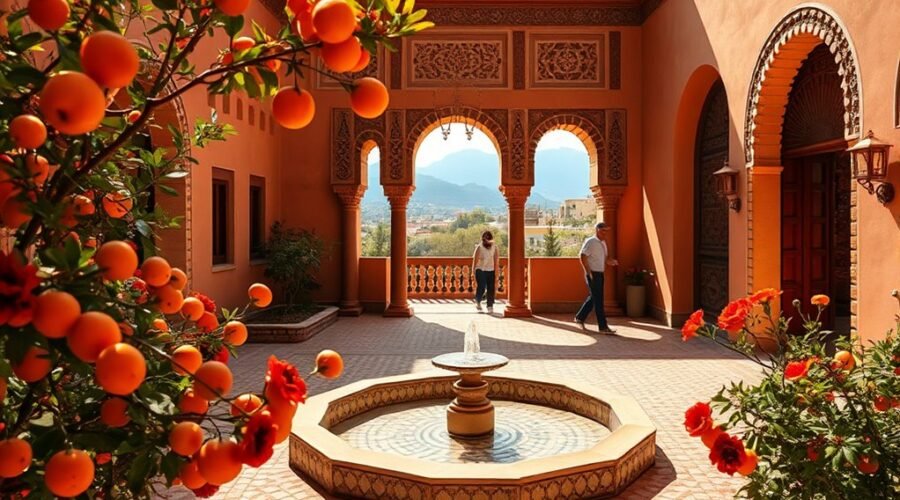
The best time to visit Morocco depends on whether you want to explore ancient medinas, ride camels across Sahara dunes, hike the Atlas Mountains, or relax beside the Atlantic. Morocco’s weather changes dramatically between regions, so choosing the right month can make a big difference to your trip. This guide compares the seasons, temperatures, crowds, costs, and festivals to help you decide when to go.
Quick Answer
The best time to visit Morocco is usually March to May or October to November. Choose March or April for sightseeing and spring scenery, or October for a trip combining Marrakech, the Atlas Mountains, and the Sahara. Summer suits the Atlantic coast, while winter offers mild city afternoons but cold mountain and desert nights.
Also compare: Newry.
Last checked: November 15, 2026. Climate figures and stated festival dates were verified against the sources listed below. Provisional religious dates are identified separately.
Key Takeaways
- March and April offer green landscapes, comfortable sightseeing, and excellent conditions for many Atlas foothill walks.
- July and August can exceed 40°C (104°F) inland, but Essaouira and other Atlantic destinations stay relatively cool.
- October is excellent for desert excursions, although popular tours and accommodations can be busy.
- January and February can offer good value outside holiday periods, but mountain snow and cold desert nights require preparation.
- Festival dates, European school holidays, and Ramadan can affect accommodation demand, opening hours, and transportation.
Morocco’s Four Climate Zones and How They Shape Your Trip
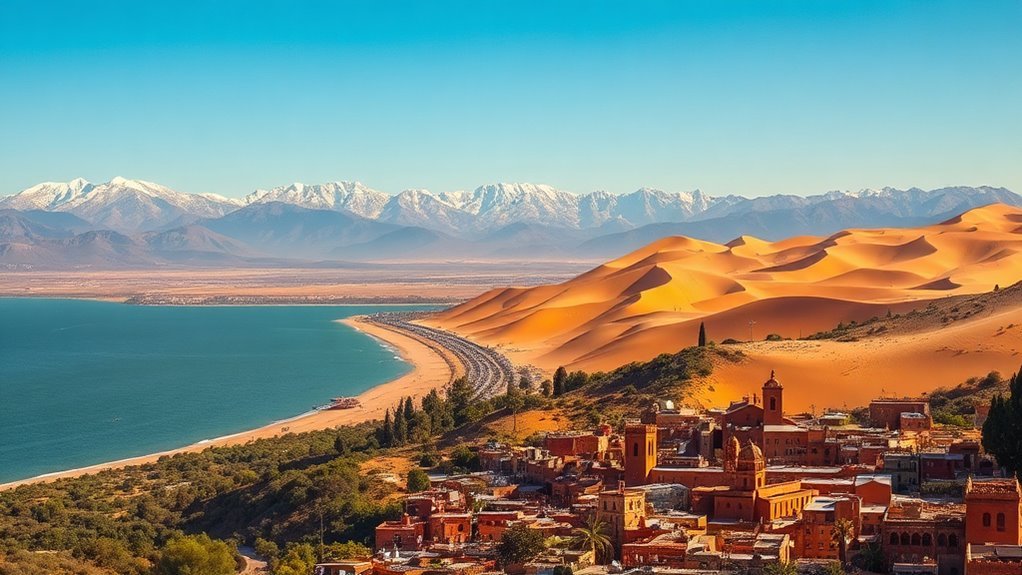
Morocco has four broad climate zones: the Mediterranean coast, Atlantic coast, inland cities and mountains, and Sahara Desert. Each follows a different weather pattern. That’s why the best month for a Marrakech city break may not be ideal for a beach holiday or a mountain trek.
The Moroccan National Tourism Office’s climate guide explains how the country’s coastlines, mountains, and desert create these regional differences.
Mediterranean Coast: Tangier and Tetouan
Northern Morocco generally has warm, dry summers and cooler, wetter winters. Tangier and Tetouan are especially comfortable for walking and sightseeing in spring and fall.
Choose April, May, September, or October for a balance of pleasant weather and outdoor activities. Summer is better suited to travelers who want Mediterranean beaches, although popular coastal resorts can get crowded.
Atlantic Coast: Essaouira and Agadir
Atlantic breezes moderate temperatures along much of Morocco’s western coastline. Essaouira is particularly windy, making it popular for windsurfing and kitesurfing.
Agadir generally offers warmer beach conditions, while Essaouira suits travelers who enjoy coastal walks, water sports, and exploring historic streets.
Summer can be a good choice for both destinations, especially when inland cities become too hot. However, strong winds and cool Atlantic water can make swimming less comfortable than expected.
Inland Cities and the Atlas Mountains
Marrakech, Fes, and Meknes experience much greater temperature differences between seasons. Summer afternoons can be extremely hot, while winter nights may feel surprisingly cold.
The Atlas Mountains add another factor: elevation. Higher trails stay cooler during summer, but winter snow can make some routes difficult or inaccessible.
For city sightseeing, prioritize March to May or October to November. For higher mountain trekking, late spring and early fall often provide better conditions, depending on altitude and recent snowfall.
Sahara Desert: Merzouga and the Southern Dunes
The Sahara has intense summer heat and large temperature changes between day and night. Rainfall is generally limited, but winter nights can become very cold.
October through April is the usual desert travel season, with March, April, October, and November particularly appealing for daytime excursions.
During winter, pack warm clothing for overnight camps. During summer, avoid strenuous daytime desert activities because extreme heat can create serious health risks.
The Best Months to Visit Morocco Overall
March, April, October, and November are among the strongest choices for a varied Morocco itinerary. They generally offer comfortable conditions for exploring imperial cities, visiting the countryside, and arranging desert excursions.
May is another excellent month, especially for mountains and coastal destinations, although inland temperatures rise. September improves as the month progresses, but early September can still feel like summer in Marrakech and the Sahara.
Why Spring and Fall Are the Best Seasons
Spring brings greener valleys, wildflowers, and comfortable walking weather. Fall offers harvest-season markets, softer afternoon temperatures, and better conditions for desert travel after summer.
Both seasons make it easier to combine several regions without constantly adjusting your itinerary around extreme temperatures.
However, pleasant weather also attracts visitors. April and October can be busy in Marrakech, Fes, and Merzouga. These are not automatically the cheapest months.
If you want fewer crowds, consider early March or parts of November, while accounting for special events and holiday periods.
Morocco Weather by Month: Temperatures, Crowds, and Activities
The following table uses average daily high and low temperatures for Marrakech Menara Airport. The figures come from NOAA GSOD observations summarized by NOTAMET for 1991–2020.
These are historical averages, not forecasts. Marrakech is much hotter than some coastal towns in summer and warmer than the high mountains in winter. Crowd descriptions are general travel patterns, not measured visitor counts.
| Month | Marrakech Average High / Low | Typical Crowds | Best For |
|---|---|---|---|
| January | 19.2°C / 5.9°C | Often quieter after New Year | City sightseeing, winter scenery |
| February | 20.9°C / 7.7°C | Usually low to moderate | Marrakech, Fes, desert daytime tours |
| March | 23.7°C / 10.4°C | Increasing | Medinas, green valleys, desert tours |
| April | 25.8°C / 12.4°C | Often busy during holidays | Sightseeing, spring hiking, gardens |
| May | 29.5°C / 15.1°C | Moderate to busy | Atlas foothills, roses, coastal trips |
| June | 33.6°C / 17.9°C | Varies by destination and festival | Atlantic coast, music festivals |
| July | 37.7°C / 20.6°C | Busy on popular coasts | Beaches, water sports, mountain escapes |
| August | 37.4°C / 21.1°C | Busy in beach resorts | Atlantic beaches, higher-altitude stays |
| September | 32.6°C / 18.6°C | Variable; often improves later | Coast, early fall trips, mountain walks |
| October | 28.6°C / 15.7°C | Often busy | Sahara, imperial cities, harvest season |
| November | 23.2°C / 10.7°C | Often quieter except event dates | City walks, cultural events, desert tours |
| December | 20.2°C / 7.4°C | Quiet early; busy during holidays | Winter sun, medinas, mountain scenery |
These averages show why March, April, October, and November work so well for sightseeing. They also reveal an important detail: September remains hot, and May is already approaching summer temperatures in Marrakech.
For a shorter list of standout months, use this comparison:
| Month | Key Advantage |
|---|---|
| March | Green valleys, pleasant medina walks, and milder desert days |
| April | Comfortable spring sightseeing and many accessible hiking routes |
| October | Excellent conditions for combining cities, mountains, and Sahara excursions |
November is a strong alternative when you want cooler weather and potentially better accommodation availability outside major events. It also suits travelers who prefer city sightseeing without intense afternoon heat.
How Crowds and Costs Shift Throughout the Year
Morocco’s busiest and most expensive travel periods depend on the destination. Spring and fall attract visitors to historic cities and desert routes, while summer brings strong demand to beach resorts.
Winter can offer lower accommodation costs, particularly outside Christmas and New Year. However, there is no single cheap season that applies to every Moroccan destination.
When Are Morocco’s Busiest Travel Periods?
March through May and September through November attract travelers seeking comfortable sightseeing weather. April and October are particularly appealing for multi-city itineraries.
Other busy periods include:
- European school holidays: Spring breaks, summer vacations, and autumn holidays can increase demand for flights, riads, and guided tours.
- July and August: Agadir, Essaouira, and Mediterranean beach resorts attract domestic and international holidaymakers.
- Christmas and New Year: Marrakech and popular desert camps can become busy despite the winter season.
- Major festivals: Cultural events can temporarily raise demand for rooms, transport, and event tickets.
- Public holidays: Moroccan holidays can affect opening hours and local travel patterns.
Marrakech’s Jemaa el-Fnaa square and popular medina streets may feel crowded during busy periods. Desert excursions and Atlas trekking guides can also have limited availability.
Reserve popular accommodations and organized excursions before traveling during April, October, or major holiday periods.
When Is the Cheapest Time to Visit Morocco?
January and February are often good months for budget-focused city trips. June through August can also bring lower prices at some inland accommodations because many visitors avoid the heat.
However, coastal prices may rise during summer, and late December can be expensive in popular tourist areas.
To reduce costs, consider these practical strategies:
- Choose January or February for a city-focused trip, outside holiday periods.
- Consider summer accommodation deals in Marrakech or Fes if you can manage the heat.
- Travel in early November when your dates do not overlap with major festivals.
- Compare traditional riads with hotels and guesthouses before booking.
- Use shared grand taxis or public transportation where routes and schedules suit your itinerary.
- Eat at neighborhood restaurants and local markets rather than relying only on tourist-area dining.
Walking through public medinas, browsing traditional markets, and visiting many beaches is free. Guided excursions, desert camps, museums, and some festival performances cost extra.
Accommodation prices depend on location, room type, availability, and the exact dates. A discount in Marrakech does not guarantee a similar discount in Agadir.
Pro Tip: Compare accommodation prices for the same property in different weeks. Moving a trip away from a school holiday or festival can sometimes save more than changing your destination.
Spring in Morocco: The Best Time to Visit for Mild Weather
Spring, from March through May, is one of Morocco’s best seasons for sightseeing, nature, and cultural experiences. The countryside becomes greener, temperatures are generally comfortable, and many outdoor activities are easier than in summer.
In Marrakech, average daytime highs rise from about 24°C (75°F) in March to 30°C (86°F) in May. Conditions become progressively warmer, especially toward the end of spring.
What Makes Spring Special?
Spring brings wildflowers to parts of the Atlas foothills and greener landscapes after winter rainfall. It is a rewarding time for exploring valleys, gardens, and rural communities.
One highlight is the Rose Festival in Kelaat M’Gouna, which celebrates the region’s rose harvest.
The festival is generally associated with May. Celebrations feature local products, music, traditional performances, and regional culture. Exact dates can change each year.
Spring activities worth considering include:
- Explore Marrakech: Visit Jemaa el-Fnaa, Bahia Palace, and the medina while afternoons remain manageable.
- Discover Fes: Walk through Fes el-Bali and explore its historic markets and traditional crafts.
- Visit the Atlas Mountains: Enjoy lower-elevation walks, green valleys, and mountain villages.
- Travel to the Sahara: Take a Merzouga desert excursion before the strongest summer heat arrives.
- Experience the rose harvest: Visit the Kelaat M’Gouna area during its seasonal celebrations.
March can bring some rain, particularly in northern Morocco. Higher mountain routes may also retain snow well into spring.
For a first visit combining cities and countryside, April is an excellent choice. May is better if you want warmer conditions and more time in the mountains or coastal areas.
Is Summer in Morocco Worth the Heat, Crowds, and Higher Prices?
Summer, from June through August, is worth considering if you focus on Morocco’s coast or higher mountain areas. It is much less comfortable for long sightseeing days in Marrakech, Fes, and the Sahara.
Marrakech’s average July high is about 37.7°C (100°F), and heatwaves can push temperatures above 40°C (104°F). Strong sunshine and limited shade make outdoor exploration difficult during the hottest hours.
Where Should You Go in Summer?
The Atlantic coast offers a more comfortable alternative to inland cities. Essaouira benefits from persistent ocean breezes, while Agadir attracts travelers interested in beach holidays.
Popular summer destinations include:
- Essaouira: Coastal walks, historic ramparts, windsurfing, and kitesurfing.
- Agadir: Beach resorts, family holidays, and seaside activities.
- Taghazout: Surfing, beach stays, and coastal relaxation.
- Tangier: Mediterranean and Atlantic scenery, historic streets, and summer cultural activities.
- High Atlas villages: Cooler mountain air and opportunities for outdoor exploration at suitable elevations.
Which Summer Festivals Are Worth Planning Around?
Summer is an important season for Moroccan music and cultural festivals.
The Fes Festival of World Sacred Music held its 2026 edition from June 4 to 7. Its program included performances at Bab Al Makina, Jnan Sbil, and other historic venues. Some concerts required paid tickets.
Essaouira’s Gnaoua and World Music Festival is another major summer event. The official organizer lists June 24–26, 2027, for its next edition.
These events attract music fans and create a lively atmosphere, but accommodation demand can rise around festival dates.
Warning: Extreme summer heat can cause dehydration and heat illness. If you visit inland Morocco during a heatwave, limit outdoor activities during the hottest hours, drink water regularly, and seek shade or air-conditioned spaces. Avoid demanding Sahara excursions in extreme heat.
How Can You Make a Summer Trip More Comfortable?
If you must travel inland during summer, arrange sightseeing in the early morning and evening. Spend the hottest part of the day indoors or resting at your accommodation.
Pack loose, breathable clothing, a sun hat, sunscreen, and sufficient drinking water.
For families with children, the Atlantic coast is often a more manageable choice than a desert itinerary. Look for suitable swimming conditions and lifeguarded beaches when planning water activities.
Summer prices vary significantly. Some inland hotels offer attractive deals, while popular beach accommodations may become more expensive.
Fall in Morocco: The Best Season for Desert Adventures
Fall, from September through November, is one of the best periods for combining Morocco’s cities, mountains, and desert landscapes. Temperatures gradually cool, making sightseeing and outdoor excursions more comfortable.
October is especially useful for travelers planning a Sahara adventure. November provides cooler city weather and can be quieter outside major events.
What Is Morocco Like in September?
September is a transition month, not a fully cool season. Marrakech still has an average daytime high around 33°C (91°F), so early September can feel hot.
The Atlantic coast remains appealing, and higher mountain areas become increasingly suitable for hiking as temperatures ease.
Late September is generally a better choice than early September if your itinerary includes several inland destinations.
Why Is October So Popular?
October combines warm days, improving desert conditions, and a busy cultural calendar. It is particularly attractive for Marrakech, Ouarzazate, the Draa Valley, and Merzouga.
Harvest season adds another reason to visit. Southern markets feature dates, while olives, figs, and pomegranates appear in many local markets.
Traditional events associated with fall include the Erfoud Date Festival and saffron harvest celebrations around Taliouine. Their schedules vary, so do not assume they occur on the same dates every year.
October is also a popular trekking month in the Atlas Mountains. However, higher elevations can experience cold weather, especially overnight.
Is November a Good Month to Visit Morocco?
November is an excellent choice if you prefer cooler temperatures for walking. Marrakech averages about 23°C (74°F) during the day, although evenings become noticeably colder.
The cultural calendar can still attract large crowds. The Marrakech International Film Festival is scheduled for November 20–28, 2026.
During the festival, some screenings and conversations are accessible through the organizer’s accreditation system, including free public access opportunities subject to registration and capacity.
November also marks the approach of Morocco’s wetter winter period, particularly in northern and coastal regions.
For a fall itinerary, choose October when desert excursions are the priority. Choose November when city walks, cooler afternoons, and cultural experiences matter more.
Winter in Morocco: Cold Mountains, Mild Coasts, and Low Prices
Winter, from December through February, can be a rewarding time to visit Morocco if you prepare for cold nights. Many cities enjoy mild daytime temperatures, while the Atlas Mountains receive snow and the Sahara becomes chilly after sunset.
Marrakech’s average January high is around 19°C (67°F), but average nighttime lows fall to about 6°C (43°F). This makes daytime sightseeing pleasant, although warm layers are essential.
Where Is the Weather Best in Winter?
Marrakech is popular for its winter sunshine, historic gardens, and medina walks. Agadir and Essaouira also offer generally mild conditions, although the Atlantic coast can be windy or rainy.
Fes and Meknes are cooler, especially at night. Northern destinations such as Chefchaouen can experience more winter rainfall.
The Sahara is another option for winter travelers. Desert afternoons can be comfortable for exploring dunes, but overnight camps may become very cold.
In the Atlas Mountains, snow creates striking scenery. However, higher trails and some mountain roads can become dangerous or inaccessible.
Warning: Winter snow, ice, and sudden weather changes can make Atlas Mountain routes hazardous. For high-altitude trekking, use suitable equipment and an experienced local guide. Do not assume a mountain trail is accessible simply because Marrakech is sunny.
Does Winter Offer the Best Travel Deals?
Winter can offer attractive prices, but the timing matters. January and February are often more affordable than the busiest spring and fall periods.
Some riads may offer rates substantially below peak-season prices, although discounts vary by property. The original estimate of 40–50% below peak rates should not be treated as a guaranteed saving.
Christmas and New Year are important exceptions. Popular Marrakech accommodations and desert camps may charge premium prices during the holiday period.
What Cultural Events Take Place in Winter?
Morocco celebrates the Amazigh New Year, known as Yennayer, on January 14. The holiday recognizes Amazigh culture and heritage, with celebrations varying between communities.
Winter visitors may also encounter regional celebrations, traditional markets, and local cultural activities.
Religious dates deserve special attention because they shift each year.
According to the Morocco Ramadan calendar, Ramadan is expected to begin around February 8, 2027. This date is provisional and depends on Morocco’s official moon-sighting announcement.
During Ramadan, some restaurants and businesses adjust their daytime schedules. Evenings can become particularly lively as families and communities gather to break the fast.
Winter is best for travelers who enjoy cooler city walks, seasonal mountain scenery, and exploring Morocco without summer’s extreme inland heat.
Best Time to Visit Morocco by Region and Activity
The best month for Morocco depends on the places you plan to visit and the activities you want to enjoy. If your itinerary includes several climate zones, spring and fall offer the most flexibility.
For a single destination, a different season may suit you better.
Best Time to Visit Marrakech and the South
March to May and October to November are excellent for exploring Marrakech. The weather generally supports walking through the medina, visiting gardens, and taking day trips.
December through February can also be pleasant for daytime sightseeing. Summer is less comfortable because of the intense heat.
For Ouarzazate and southern valleys, October through April usually offers better conditions than midsummer.
Best Time to Visit the Sahara Desert
October through April is the main season for Sahara excursions around Merzouga and Erg Chebbi.
October and November offer a useful balance between manageable daytime heat and cooler nights. March and April are also popular, although spring winds can sometimes bring blowing sand.
December through February can suit travelers who enjoy crisp desert mornings and do not mind very cold nights.
Overnight desert camps, camel treks, and organized excursions are generally paid activities. Prices vary by location, accommodation standard, transport, and included services.
Best Time to Visit Fes and Meknes
March to May and September to November are usually best for exploring Fes and Meknes on foot.
Fes el-Bali contains narrow streets, historic buildings, workshops, and traditional markets. Comfortable temperatures make it easier to explore these areas without rushing.
Summer can become very hot. Winter is often quieter, but cool evenings and occasional rain require suitable clothing.
If music festivals interest you, remember that the Fes Festival of World Sacred Music does not have a fixed month every year. Its 2026 edition took place in June.
Best Time to Visit Essaouira and Agadir
Essaouira is a year-round destination, although spring and fall generally provide a pleasant balance of weather and sightseeing conditions.
Summer is popular for its cooler Atlantic breezes and water sports. Strong winds can be uncomfortable for travelers who mainly want calm beach days.
Agadir is suitable for beach-focused holidays across much of the year. Summer attracts vacationers, while winter offers relatively mild coastal weather compared with many northern destinations.
Best Time for Atlas Mountain Hiking
Spring and fall are generally the most comfortable seasons for hiking in many parts of the Atlas Mountains.
April through June and September through October can be attractive for lower and moderate elevations. At higher altitudes, snow conditions and trail access can change the practical hiking season.
Summer can be suitable for some high mountain routes, while winter is better reserved for travelers prepared for snow and cold-weather conditions.
How to Choose the Right Month for Your Trip
If you’re still deciding, match your travel plans to these seasonal priorities:
- First-time Morocco itinerary: March, April, October, or November.
- Marrakech and imperial cities: Spring or fall.
- Sahara camel trekking: October through April, particularly spring and fall.
- Atlas Mountain hiking: Spring or early fall, with conditions checked for the chosen elevation.
- Atlantic beach holiday: Late spring through summer, depending on your preferred temperature and wind conditions.
- Lower-cost city break: January, February, or selected summer dates outside major events.
- Music festivals: June is an important month, but individual festival dates vary by year.
Pro Tip: If your trip combines Marrakech, the Sahara, and the Atlantic coast, October is a practical starting point. It offers more manageable inland temperatures while still allowing time for coastal exploration.
Frequently Asked Questions
What Vaccinations or Health Precautions Should I Take Before Visiting Morocco?
Make sure your routine vaccinations are current and discuss hepatitis A, typhoid, hepatitis B, and rabies risks with a travel-health professional. Not every vaccine is necessary for every traveler. Follow food and water hygiene precautions, avoid contact with stray animals, and arrange suitable medical insurance. The TravelHealthPro Morocco guidance explains the recommendations.
Do I Need a Visa to Visit Morocco, and How Do I Apply?
Visa requirements depend on your nationality and travel documents. British citizens can normally visit Morocco for tourism without a visa for up to 90 days, according to UK government entry guidance. Eligible travelers who need a visa may apply through Morocco’s official eVisa portal. Others may need to apply through a Moroccan embassy or consulate.
What Currency Is Used in Morocco, and Should I Exchange Money Beforehand?
Morocco uses the Moroccan dirham (MAD). Because it is a restricted currency, exchanging money after arrival is often more practical. Banks, authorized exchange offices, and ATMs are common options. Compare exchange rates and withdrawal charges before choosing. Carry some cash for small shops, traditional markets, and transport, especially outside major tourist areas.
Is Morocco a Safe Destination for Solo Female Travelers Year-Round?
Many women travel independently in Morocco, but unwanted attention and harassment can occur, especially in busy tourist areas. Choose reputable accommodation and transport, remain aware of your surroundings, and respect local customs. Loose-fitting clothing may help you feel more comfortable in conservative settings. Review the official Morocco safety guidance before traveling.
What Languages Are Spoken in Morocco, and Will English Suffice?
Arabic and Amazigh are Morocco’s official languages. Moroccan Arabic, known as Darija, is widely spoken, and French is common in business and tourism. English is increasingly useful in major tourist destinations, but less reliable in rural areas. Learning a few basic Darija or French phrases can make shopping, transportation, and everyday conversations easier.
What Is the Worst Month to Visit Morocco?
July and August are usually the most difficult months for sightseeing in Marrakech, Fes, and the Sahara because of extreme heat. However, they can be excellent for Atlantic coastal holidays and some higher-altitude destinations. The worst month depends on where you go and how you plan to spend your time.
Does It Snow in Morocco?
Yes, Morocco receives snow in the Atlas Mountains during winter. Higher mountain areas can experience substantial snowfall, making some roads and hiking routes difficult to access. Snow is uncommon in low-elevation cities such as Marrakech and Agadir. Winter visitors can enjoy snowy mountain scenery while experiencing milder temperatures in nearby cities.
How Many Days Do You Need to Visit Morocco?
A week is enough to explore one or two areas of Morocco at a comfortable pace. Around 10 to 14 days gives you more flexibility to combine Marrakech, Fes, the Atlas Mountains, and a Sahara excursion. Desert travel involves long journeys, so allow enough time for transportation rather than trying to fit every destination into a short trip.
Conclusion
The best time to visit Morocco is usually spring or fall, but your ideal season depends on your itinerary. Choose March or April for green landscapes and pleasant sightseeing, October for Sahara adventures, summer for Atlantic beaches, or winter for cooler city walks and potential savings.
Start by choosing your main destinations, then select the months that suit their climate. With the right timing, you can enjoy Morocco’s cities, mountains, coastlines, and desert without letting uncomfortable weather dominate your journey.
Sources
- Moroccan National Tourism Office: Regional climates, coastal conditions, and seasonal recommendations.
- NOTAMET, NOAA GSOD Climate Data: Marrakech Menara Airport monthly climate averages for 1991–2020.
- Moroccan National Tourism Office, Rose Festival: Kelaat M’Gouna’s rose harvest and cultural celebrations.
- Fes Festival of World Sacred Music: Official June 4–7, 2026 program and event information.
- Gnaoua and World Music Festival: Official June 24–26, 2027 event dates.
- Marrakech International Film Festival: Official November 20–28, 2026 festival dates.
- Time and Date, Morocco Ramadan Calendar: Provisional Ramadan dates for 2027.
- TravelHealthPro: Morocco vaccination recommendations, medical preparation, and travel-health risks.
- UK Foreign, Commonwealth & Development Office, Entry Requirements: Passport, visa, and currency rules.
- Accès Maroc: Official Moroccan electronic visa eligibility and application portal.
- UK Foreign, Commonwealth & Development Office, Safety and Security: Advice for independent travelers, women travelers, and road safety.