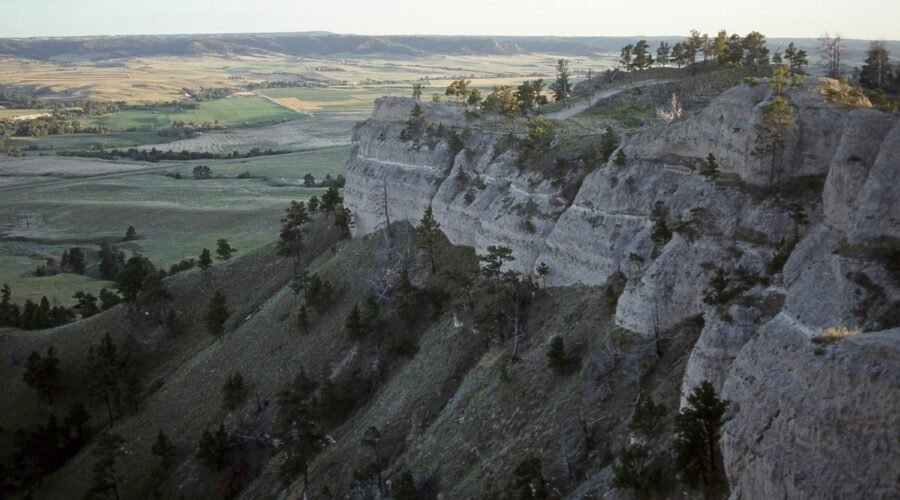
Planning a trip to Nebraska reveals a landscape far richer than the interstate corridor suggests, spanning rolling tallgrass prairies, the vast undulating Sandhills, dramatic high-plains buttes, and energetic cultural hubs. Because the state experiences a dynamic continental climate with dramatic shifts between seasons, your experience depends heavily on when you arrive. Whether you are traveling to witness the world-renowned Sandhill Crane migration, take a summer road trip across iconic pioneer trails, or explore Omaha’s historic Old Market without peak summer humidity, timing your journey ensures the best combination of weather, manageable costs, and open attractions.
Quick Answer
The overall best time to visit Nebraska is during early fall (September to mid-October) and late spring (May to June). September and October offer the most stable weather, with clear skies, crisp daytime highs between 65°F and 78°F, low rainfall, and thinning crowds. For wildlife enthusiasts, mid-March to early April is the premier window to witness over 500,000 migrating Sandhill Cranes along the Platte River.
Key Takeaways
- Prime Weather: September and October provide ideal daytime warmth, minimal humidity, and low precipitation across both eastern cities and western high plains.
- Top Wildlife Phenomenon: March through early April brings the world’s largest gathering of Sandhill Cranes to the central Platte River valley near Kearney and Grand Island.
- Peak Summer Travel (July–August): Highest temperatures (upper 80s to mid-90s°F), elevated humidity, and prime lake/river recreation, accompanied by peak accommodation rates.
- Budget Travel Window: November, January, and February feature the lowest lodging rates statewide, though travelers must prepare for sub-freezing temperatures and winter storms.
- Major Event Demand Surges: Hotel rates spike sharply during the NCAA Men’s College World Series in Omaha (June) and home football Saturdays in Lincoln (autumn).
Nebraska Across the Seasons: At a Glance
Nebraska’s climate transitions from a humid continental regime in the east (Omaha, Lincoln) to a semi-arid steppe in the western high plains (Scottsbluff, Chadron). Elevation rises steadily from 840 feet in the southeast corner to over 5,420 feet at Panorama Point in the west, meaning western regions experience cooler evenings, lower humidity, and more sudden temperature drops year-round.
At a Glance: Seasonal Comparison
| Season | Average Temperatures | Crowds | Lodging Costs | Best For |
| Spring (Mar–May) | Highs: 50°F to 74°F Lows: 28°F to 50°F |
Low to Moderate (High in Crane corridor) | Moderate | Sandhill Crane migration, prairie wildflowers, state parks opening |
| Summer (Jun–Aug) | Highs: 84°F to 92°F Lows: 60°F to 68°F |
High (Peak) | High (Surge during events) | Tanking down the Middle Loup, College World Series, Lake McConaughy, stargazing |
| Fall (Sep–Nov) | Highs: 50°F to 78°F Lows: 28°F to 52°F |
Moderate to Low | Moderate (High in Lincoln on game days) | Scenic Sandhills drives, fall foliage at Ponca/Indian Cave, harvest festivals |
| Winter (Dec–Feb) | Highs: 32°F to 40°F Lows: 12°F to 19°F |
Low (Off-Season) | Lowest | Museum touring, indoor attractions (Omaha’s Henry Doorly Zoo domes), budget travel |
Spring (March to May): Wildlife Spectacles and Prairie Blooms
Spring in Nebraska marks a dramatic transition from frozen winter plains to verdant prairie. While early spring weather remains unpredictable, it is home to one of North America’s premier natural migrations.
“Every spring, roughly 80% of the world’s total population of Sandhill Cranes converges on an 80-mile stretch of the central Platte River to rest and refuel before continuing their northward migration to Canada and the Arctic.”
March and April: The Great Sandhill Crane Migration
From late February through the first week of April, over 500,000 Sandhill Cranes funnel through central Nebraska, roosting on the shallow sandbars of the Platte River between Grand Island and Kearney. March represents the peak of this gathering.
- Weather Profile: Highly variable. Daytime highs range from the upper 40s to low 60s°F (8°C to 16°C), but overnight lows regularly dip below freezing. Late-season snowstorms and sudden cold snaps remain possible through mid-April.
- Crowd Dynamics: Heavy ecotourism concentrated in Kearney, Grand Island, and Hastings. Hotel rooms and specialized viewing blinds along the river fill months in advance.
- Travel Advice: Book river blinds at least 3 to 6 months ahead through organizations like Audubon’s Rowe Sanctuary or the Crane Trust. Pack heavy cold-weather layers, insulated boots, and windproof outer shells for dawn and dusk viewing sessions.
May: Wildflower Bloom and Outdoor Season
By May, spring stabilizes across the state. Grasslands turn vibrant green, wildflowers carpet the Loess Hills, and state parks reopen all seasonal facilities.
- Weather Profile: Comfortable and fresh. Average highs reach 70°F to 75°F (21°C to 24°C), with overnight lows around 48°F to 52°F (9°C to 11°C). May is typically the wettest month of the year, averaging 3.5 to 4.5 inches of rainfall.
- Crowd Dynamics: Moderate. Outside of Memorial Day weekend, state historical parks, scenic bluffs, and city botanical centers see low to moderate foot traffic.
- Cost Considerations: Spring shoulder season pricing applies to flights and hotels, offering excellent value before peak summer vacation pricing begins.
Warning: Severe Weather Season: Late May through June represents peak convective storm season in Nebraska. Supercell thunderstorms can rapidly generate high winds, large hail, and tornadoes. When traveling by road, monitor local radar using the National Weather Service and ensure your phone’s Wireless Emergency Alerts (WEA) are enabled.
Summer (June to August): High Energy, Lakes, and Festivals
Summer is Nebraska’s busiest tourist season. Extended daylight hours make it prime for outdoor activities, river floating, and attending community festivals, though midday heat requires careful hydration and pacing.
June: Kickoff to Summer and the College World Series
June brings long, warm days and a surge of sporting excitement to the eastern edge of the state.
- Weather Profile: Daytime highs average in the low-to-mid 80s°F (27°C to 29°C), with moderate humidity in the east and cooler, dry evenings in the west.
- Key Highlights: Omaha hosts the prestigious NCAA Men’s College World Series at Charles Schwab Field over 10 to 12 days in mid-to-late June. North Platte hosts Nebraskaland Days, featuring major rodeos and concerts.
- Cost Considerations: Omaha hotel rates double or triple during the College World Series, with regional accommodations booking out months ahead. If you are not attending the tournament, avoid staying in downtown Omaha during this window.
Pro Tip: Nebraska Tanking: A quintessential Nebraska summer tradition is “tanking”—floating down slow-moving prairie rivers (such as the Middle Loup, Calamus, or Cedar Rivers) in modified 8-foot livestock stock tanks fitted with bench seating. Book outfitters along the Sandhills rivers between late June and early August for ideal water levels and warm temperatures.
July and August: Peak Heat, Lakes, and State Fairs
July and August represent the core of high summer across the state, characterized by sunny skies and outdoor water sports.
- Weather Profile: Consistently hot. July is the hottest month, with daytime highs regularly reaching 88°F to 94°F (31°C to 34°C). Heat indices in eastern Nebraska frequently exceed 100°F (38°C) due to crop-induced humidity, while western Nebraska experiences drier, more tolerable heat.
- Key Highlights: Water sports at Lake McConaughy State Recreation Area near Ogallala (featuring white sandy beaches), tubing the Niobrara National Scenic River near Valentine, and the Nebraska State Fair in Grand Island (running late August through Labor Day).
- Stargazing Note: Merritt Reservoir State Recreation Area in the Sandhills—certified as an International Dark Sky Park—hosts the Nebraska Star Party in late July or early August, offering some of the clearest, darkest night skies in the continental United States.
Fall (September to November): Golden Foliage and Ideal Touring Weather
Autumn is widely considered the most comfortable and rewarding season for general travel, hiking, and road tripping in Nebraska. Summer’s oppressive heat dissipates rapidly, leaving crisp air, clear skies, and vibrant golden landscapes.
September: The Prime Road-Trip Window
September provides the most reliable and pleasant travel conditions of the entire calendar year.
- Weather Profile: Exceptionally pleasant. Daytime highs hover in the upper 70s°F (24°C to 26°C), dropping to brisk 50s°F (10°C to 13°C) at night. Rainfall decreases significantly compared to the spring and summer months.
- Crowd Dynamics: Crowds thin substantially as schools resume, making popular destinations like Scotts Bluff National Monument, Chimney Rock, and Toadstool Geologic Park peaceful to explore.
- Cost Considerations: State park lodges and hotels outside major university hubs return to moderate shoulder-season rates.
October: Peak Foliage and Harvest Atmosphere
October delivers crisp autumn days, vibrant deciduous foliage along river bluffs, and classic Midwestern harvest festivals.
- Weather Profile: Cool and invigorating. Daytime highs average in the low-to-mid 60s°F (16°C to 18°C), with night temperatures regularly dipping near freezing (32°F to 36°F / 0°C to 2°C). Frost is common by mid-month.
- Top Activities: Leaf-peeping at Ponca State Park and Indian Cave State Park along the Missouri River; exploring pumpkin patches, apple orchards, and cider mills in eastern Nebraska; and driving the scenic Sandhills Journey National Scenic Byway (Highway 2).
- Football Lodging Impact: On autumn Saturdays when the University of Nebraska Cornhuskers play home games at Memorial Stadium in Lincoln, hotel availability disappears for 40 miles around the city, and rates surge statewide.
Note: Lincoln Hotel Booking: Always check the Nebraska Cornhuskers home football schedule before planning an autumn trip to Lincoln or Omaha. Game days bring over 85,000 visitors to downtown Lincoln, creating major traffic bottlenecks and premium hotel pricing.
November: Early Winter Transition and Solitude
November sees the landscape shift into dormancy, offering quiet exploration for cold-tolerant budget travelers.
- Weather Profile: Cold and breezy. Highs drop into the mid-40s to low 50s°F (7°C to 11°C), while overnight lows average in the 20s°F (-5°C to -2°C). Early snow flurries are common, particularly in the western Panhandle.
- Crowd Dynamics: Low across all regions. Attractions transition to reduced winter hours, but you will enjoy unobstructed views and empty trails at major monuments.
- Cost Considerations: Excellent deals on lodging across the state as tourism drops into off-season rates.
Winter (December to February): Quiet Plains and Indoor Cultural Gems
Winter in Nebraska is characterized by freezing temperatures, prairie winds, and occasional blizzards. However, travelers who bundle up will find world-class indoor attractions, low prices, and serene snowscapes.
What to Expect in Winter
- Weather Profile: Bitter cold. Average daytime highs range from 30°F to 38°F (-1°C to 3°C), with overnight lows between 10°F and 18°F (-12°C to -8°C). Wind chill values frequently drop below zero across open plains. Average annual snowfall ranges from 25 inches in the southeast to over 40 inches in the northwest.
- Best Winter Activities: Exploring indoor environments at Omaha’s Henry Doorly Zoo and Aquarium (including the Desert Dome and Lied Jungle—the world’s largest indoor desert and rainforest exhibits), the Durham Museum in Omaha, the International Quilt Museum in Lincoln, and cross-country skiing at Fort Robinson State Park.
- Travel Precautions: Major interstates (especially I-80 across central and western Nebraska) can occasionally close due to ground blizzards, black ice, and zero-visibility conditions. Check highway status via Nebraska 511 before driving long distances.
- Cost Benefits: Winter offers the lowest accommodation and flight prices of the year, making it an affordable option for cultural and culinary city breaks.
Special Travel Windows by Interest
Aligning your itinerary with Nebraska’s specialized travel windows helps maximize your experience:
- For Wildlife Photographers: Target March 10 to March 31 for peak Sandhill Crane concentrations, waterfowl staging, and Prairie Chicken lek mating dances in the Sandhills.
- For Scenic Road Trips & Hiking: Target September 15 to October 15 for dry pavement, comfortable 70°F days, golden cottonwood trees, and low insect activity along western trails.
- For River Floating & Water Sports: Target July 1 to August 15 for optimal water and air temperatures along the Niobrara River and Lake McConaughy.
- For Dark Sky Astronomy: Target the new moon phases between July and September at Merritt Reservoir or Toadstool Geologic Park.
Frequently Asked Questions
What is the overall best time to visit Nebraska for great weather?
The best time for optimal weather is early autumn (September to mid-October) followed by late spring (mid-May to early June). September offers warm daytime temperatures (70°F to 78°F), cool evenings, low humidity, and the lowest monthly rainfall totals of the warm season, making it ideal for hiking, camping, and road trips.
When is the peak tourist season in Nebraska?
Peak summer tourist season runs from mid-June through mid-August, when state parks, water recreation areas, and outdoor attractions operate at full capacity. A secondary, highly localized peak occurs in March and early April along the central Platte River valley due to international ecotourism for the Sandhill Crane migration.
When is the cheapest time to visit Nebraska?
The cheapest time to visit Nebraska is during the winter off-season (November through February, excluding holiday weeks). Lodging rates and airfare to Omaha (OMA) and Lincoln (LNK) are at their annual lows, and indoor cultural attractions remain uncrowded.
When is the best time to see the Sandhill Cranes in Nebraska?
The best time to see the Sandhill Crane migration is between March 10 and March 30. During this three-week peak, over half a million cranes rest along the Platte River between Kearney and Grand Island before flying north. Morning and evening blind tours should be reserved months in advance.
What events cause hotel rates and crowds to surge in Nebraska?
The three largest demand surges are the NCAA Men’s College World Series in Omaha (mid-to-late June), the Nebraska State Fair in Grand Island (late August to Labor Day), and University of Nebraska home football Saturdays in Lincoln (September through November). Booking well in advance is essential during these dates.
Sources
- Visit Nebraska — Official state tourism guidelines, regional scenic byways, and statewide event calendars.
- National Weather Service (Omaha/Valley) — Historical climate data, seasonal temperature averages, and severe storm tracking.
- Nebraska Game and Parks Commission — State park seasonality, reservoir water recreation, and wildlife conservation zones.
- Audubon’s Rowe Sanctuary — Official monitoring data and viewing blind regulations for the annual Platte River Sandhill Crane migration.
- Nebraska Department of Transportation (511) — Real-time highway conditions, winter storm travel advisories, and road construction updates.