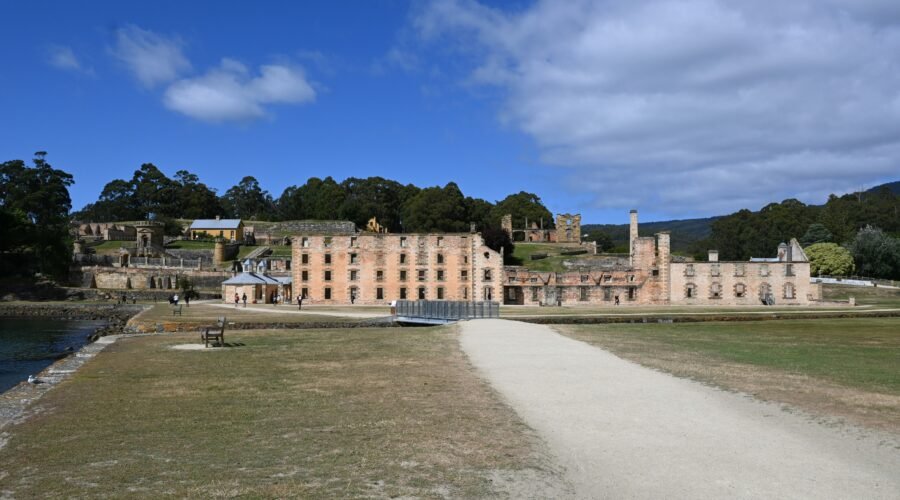
So, when is the best time to visit Port Arthur, Tasmania? For most travellers, the strongest all-around choices are March to April and October to November. You get relatively mild conditions for walking, avoid some of the busiest summer-holiday dates, and still have enough daylight to explore the historic site and the Tasman Peninsula comfortably. Tasmania’s coastal weather can change quickly in any month, though, so season matters less than being prepared.
Quick Answer
For most travellers, the best time to visit Port Arthur, Tasmania is March to April or October to November. These shoulder months usually give you cooler walking weather, fewer peak-holiday crowds, and better accommodation choice than midsummer. Choose December to February for longer days, or June to August for the quietest atmosphere.
Key Takeaways
- Best overall balance: March-April and October-November.
- Warmest period and longest days: December-February, although Port Arthur remains mild rather than hot.
- Quietest atmosphere: June-August, with colder, wetter and windier conditions more likely.
- Plan for changing weather: Pack layers and a windproof waterproof outer layer in every season.
- Check before leaving: Historic-site tours, marine trips and nearby national-park attractions can have different schedules, booking requirements or temporary alerts.
Port Arthur Weather by Season
The historic Port Arthur Bureau of Meteorology station recorded mean maximum temperatures ranging from about 11°C in July to about 19°C in February. These are long-term climate averages, not a forecast for your travel dates. Coastal wind, rain and rapid weather changes can make the day feel colder than the thermometer suggests. You can check the Bureau of Meteorology’s Port Arthur climate statistics when comparing seasons.
Summer (December – February)
Summer is the warmest part of the year and gives you the longest daylight for combining the historic site with other Tasman Peninsula attractions.
- Temperatures: Historical mean maximum temperatures at Port Arthur are about 16.9°C in December, 18.6°C in January and 18.9°C in February. Mean minimums are roughly 9.6°C to 11.2°C.
- Daylight: Long days give you more flexibility for sightseeing, walking and scenic drives.
- Rain: Do not assume summer will be dry. Showers are possible throughout the year, and conditions can change quickly.
- Wind: Exposed coastal locations can feel cool even on a sunny day, so carry a light windproof layer.
- Best for: Travellers who prioritize daylight, outdoor sightseeing, beaches, coastal cruises and combining several attractions in one trip.
Pro Tip: If you visit during the Christmas/New Year period or January school holidays, book important accommodation and timed tours earlier than you would for an ordinary weekday. There is no universal rule that you must book six or twelve months ahead, but popular dates give you less flexibility.
Autumn (March – May)
Autumn is one of the easiest seasons to recommend because temperatures become cooler without immediately dropping to midwinter levels.
- Temperatures: Historical mean maximums fall from about 17.5°C in March to 13.4°C in May. Mean minimums fall from about 10.5°C to 7.8°C.
- Walking conditions: Cooler temperatures can be comfortable for spending several hours on your feet.
- Rain: Wet days are still possible, so waterproof clothing remains useful.
- Crowds: March and April can offer a calmer experience once the main summer-holiday rush has eased, although weekends and holiday periods can still be busy.
- Best for: Travellers seeking a balance of comfortable sightseeing weather, photography and fewer peak-season pressures.
Winter (June – August)
Winter gives Port Arthur a quiet, atmospheric character, but this is the season when warm and waterproof clothing matters most.
- Temperatures: Historical mean maximums are about 11.0°C to 11.7°C, while mean minimums are roughly 5.7°C to 6.1°C.
- Rain: Historical Port Arthur data show relatively high rainfall through winter, particularly in August.
- Daylight: Shorter days give you less time for combining Port Arthur with long hikes or multiple distant stops.
- Wind: Coastal wind chill can make conditions feel considerably colder.
- Best for: Travellers who value a quieter atmosphere and do not mind cold, wet or windy weather.
The Port Arthur Historic Site itself does not close for winter. Its current published hours are 9am to 5pm daily, with Christmas Day the regular annual closure. Check the official Port Arthur entry page before travelling in case operating information changes.
Spring (September – November)
Spring brings gradually increasing temperatures and daylight, making October and November particularly useful shoulder-season choices.
- Temperatures: Historical mean maximum temperatures rise from about 13.1°C in September to 15.7°C in November. Mean minimums rise from about 6.3°C to 8.4°C.
- Weather: Expect changeability rather than guaranteed sunshine. A bright morning can still become windy or wet.
- Daylight: Increasing daylight makes it easier to combine the historic site with scenic stops.
- Nature: Spring can bring active wildlife and seasonal flowering around the Tasman Peninsula.
- Best for: Travellers wanting longer days without committing to the busiest summer holiday period.
If you’re planning several weather-focused trips, you can also compare these seasonal considerations with the existing guide to Best Time to Visit Ayder Plateau, Rize: Weather, Crowds, and Costs.
Crowd Control: Navigating Visitor Numbers
Crowd levels can change how Port Arthur feels. A quiet morning encourages slow exploration of the ruins and gardens, while busy holiday dates can mean less flexibility for popular timed experiences.
Peak Periods: Summer and Major Holidays
- Busiest dates: Expect greater demand around Christmas/New Year, January school holidays, long weekends and other holiday periods.
- Timed experiences: Popular optional tours can sell out even though the historic site itself remains open.
- Atmosphere: Summer feels livelier and offers longer daylight, which can be a plus if you enjoy an active visitor atmosphere.
- Best strategy: Reserve must-do tours before arrival rather than relying on last-minute availability.
Shoulder Seasons: Autumn and Spring
- Good balance: March-April and October-November are especially useful if you want reasonable weather without deliberately choosing the summer holiday peak.
- More relaxed exploration: Non-holiday weekdays are generally your best bet when crowd avoidance is a priority.
- Tour flexibility: Booking ahead is still sensible for any experience you would be disappointed to miss.
- Weather trade-off: You gain a quieter feel but accept greater chances of cool or unsettled conditions.
Off-Peak Season: Winter
- Quiet atmosphere: Winter is the strongest choice if your main goal is reflective sightseeing with fewer leisure travellers around the peninsula.
- Historic-site access: The Port Arthur Historic Site remains open through winter.
- Marine tours: Do not assume the Tasman Island Cruise shuts down or switches to a reduced winter season. Pennicott Wilderness Journeys states that its tours operate daily year-round except Christmas Day, although weather can affect routes and operations.
- Trade-off: Short daylight, rain and wind can reduce how many outdoor attractions you comfortably fit into one day.
What to Know Before You Choose a Month
Season is only one part of planning a good Port Arthur visit. Your available time, transport, mobility needs and must-do activities can be just as important.
- Allow enough time: The official site says most visitors spend between half a day and a full day exploring Port Arthur.
- Opening hours: Current published hours are 9am-5pm daily, except Christmas Day.
- Drive time: Port Arthur is roughly a 90-minute drive from Hobart in normal conditions. Add extra time if you plan scenic stops on the Tasman Peninsula.
- Weather gear: Wear comfortable shoes and carry layers plus a windproof waterproof jacket.
- Accessibility: The site covers hills, gravel, lawns and heritage areas. The Visitor Centre, Gallery and Harbour Cruise are wheelchair accessible, while some historic buildings are more challenging. A courtesy vehicle also operates around parts of the site during the day.
- Nearby national parks: Port Arthur Historic Site and Tasman National Park are separate attractions. A national-parks pass may be required for activities inside the park.
Current planning note — checked September 1, 2026: Tasmania Parks and Wildlife Service currently lists the Tasmans Arch and Devil’s Kitchen visitor site as closed through September 29, 2026 for infrastructure work. This does not mean the Port Arthur Historic Site is closed. Check current Tasman National Park alerts before adding nearby walks or lookouts to your itinerary.

Cost Considerations: Making Your Dollars Go Further
Your travel budget matters, but accommodation, airfare and car-rental prices are dynamic. They change with holidays, demand, booking lead time, events and availability, so treat seasonal price patterns as tendencies rather than guarantees.
High-Demand Periods: Summer and Major Holidays
- Accommodation: Christmas, New Year and January can produce stronger demand for rooms around Port Arthur and elsewhere in Tasmania.
- Flights: Airfares to Hobart depend on route, demand and booking dates. Holiday travel can cost more, but there is no fixed seasonal price.
- Car hire: Rental availability and rates can tighten during popular travel periods.
- Historic-site tickets: Check current admission and optional-tour prices directly with the Port Arthur Historic Site rather than relying on an old article price.
Shoulder Seasons: Autumn and Spring
- Accommodation: Outside holiday weekends, you may have more choice than during the summer peak.
- Flights: Compare several nearby dates instead of assuming every shoulder-season fare will be cheaper.
- Car hire: The same rule applies to rental vehicles: availability can matter as much as the season itself.
- Overall value: March-April and October-November often make sense for value-focused travellers because they balance usable weather with less peak-holiday pressure.
Low-Demand Periods: Winter
- Accommodation: Winter can produce attractive room rates and packages, but deals vary by property and weekend.
- Flights: Do not assume winter automatically produces the year’s lowest airfare; compare your specific route and dates.
- Car hire: Check total rental cost rather than relying on a seasonal rule.
- Budget trade-off: A cheaper room is less valuable if poor weather prevents you from doing the outdoor activities that matter most to you, so weigh price against your itinerary.

Seasonal Activities and Events Around Port Arthur
The historic site is the main reason many people come to Port Arthur, but weather and daylight also affect cruises, national-park walks, beaches, wildlife viewing and other Tasman Peninsula stops.
Summer Highlights
- Tasman Island Cruises: Longer daylight and milder temperatures can make summer attractive for an exposed coastal cruise, although ocean conditions still vary from day to day.
- Bushwalking: Long daylight helps with walks such as Cape Hauy, Cape Raoul and other Tasman National Park routes. Always check track alerts and weather rather than assuming summer automatically means safe conditions.
- Remarkable Cave: This nearby Tasman National Park attraction can be combined with Port Arthur when weather, time and park access allow.
- Beaches: Safety Cove and Fortescue Bay can be pleasant additions on mild days.
- Lavender: Port Arthur Lavender states that its flowers generally reach peak bloom from December through February.
- Food and drink: Longer days make it easier to add local producers, cafés and other peninsula stops before or after Port Arthur.
Autumn Highlights
- Scenic drives: Cooler days can make a relaxed drive around the Tasman Peninsula particularly comfortable.
- Walking: March and April can work well for travellers who prefer hiking without midsummer’s strongest sun exposure.
- Photography: Lower-angle seasonal light, changing weather and fewer peak-holiday visitors can create useful conditions for landscape and architectural photography.
Winter Highlights
- Historic atmosphere: Mist, low cloud and wet stone can give the ruins a dramatically different appearance from summer.
- Indoor breaks: Build café, gallery and museum time into the day so you have options when showers arrive.
- Coastal cruises: Pennicott Wilderness Journeys says its tours operate throughout the year except Christmas Day. Warm clothing is essential on exposed boats, and weather may affect the route or departure point. Check the operator’s current information before travel.
- Whale migration: Tasmania’s main northbound migration occurs around May-July, with the southbound migration occurring around September-December. Sightings are never guaranteed.
Spring Highlights
- Wildflowers: Native vegetation and coastal heath can add seasonal colour around the Tasman Peninsula.
- Wildlife: Spring can be rewarding for wildlife watching, but keep your distance and avoid disturbing animals.
- Gardens: The heritage gardens at Port Arthur become more active as temperatures and daylight increase.
- Whales: September through December overlaps with Tasmania’s southbound whale migration, adding a possible wildlife bonus to coastal sightseeing.
For another destination where weather, crowds and costs affect the ideal travel month, the existing guide to the best time to visit Avanos provides a similar planning comparison.
Month-by-Month Port Arthur Guide
The temperature figures below are historical mean maximum and minimum temperatures from the Bureau of Meteorology’s Port Arthur (Palmers Lookout) station. They are climate averages rather than a promise of the weather you will experience. Crowd and price notes are practical tendencies, not fixed rules.
| Month | Avg. Max / Min | Crowd Tendency | Best Suited To |
|---|---|---|---|
| January | 18.6°C / 10.9°C | High around holidays | Long days, outdoor sightseeing, lavender |
| February | 18.9°C / 11.2°C | Moderate to high | Warmest average conditions, outdoor activities |
| March | 17.5°C / 10.5°C | Moderate | Excellent all-around balance |
| April | 15.6°C / 9.2°C | Low to moderate outside holidays | Cooler walks, photography, fewer peak crowds |
| May | 13.4°C / 7.8°C | Lower | Quiet travel and start of northbound whale season |
| June | 11.4°C / 6.1°C | Low | Quiet atmosphere and winter scenery |
| July | 11.0°C / 5.7°C | Low, except event/holiday dates | Atmospheric winter visit |
| August | 11.7°C / 5.7°C | Low | Solitude if you accept wet, cool weather |
| September | 13.1°C / 6.3°C | Low to moderate | Spring scenery and southbound whale season |
| October | 14.3°C / 7.2°C | Moderate | Strong shoulder-season choice |
| November | 15.7°C / 8.4°C | Moderate, rising toward summer | Longer days before Christmas peak |
| December | 16.9°C / 9.6°C | High late in month | Long daylight, lavender and summer activities |
Best Time to Visit Port Arthur by Travel Style
- Best overall: March-April or October-November.
- Best for maximum daylight: December-February.
- Best for fewer peak-holiday visitors: Non-holiday weekdays in autumn, spring or winter.
- Best for a quiet, atmospheric visit: June-August.
- Best for lavender: December-February, based on Port Arthur Lavender’s stated peak flowering period.
- Best chance to combine whale migration with your trip: May-July or September-December, although sightings are never guaranteed.
- Best for long Tasman Peninsula walks: Choose a date with suitable forecast conditions, adequate daylight and no relevant park alert rather than relying on season alone.
Weather Warning: Port Arthur and the Tasman Peninsula are exposed coastal environments. Carry rain protection and warm layers even in summer. If your itinerary includes cliff-top walks, check the Bureau of Meteorology forecast and Tasmania Parks and Wildlife Service alerts before setting out, and be prepared to change plans in strong wind or severe weather.
Final Verdict and Recommendations
To circle back to the main question:
- For the best all-around experience: Aim for March-April or October-November. These months balance usable daylight, relatively mild walking temperatures and less exposure to the biggest summer-holiday rush.
- For the warmest average temperatures and maximum daylight: Choose December-February, but expect stronger holiday demand and book must-do experiences ahead.
- For budget-conscious travellers: Compare winter and shoulder-season accommodation rather than assuming one month is always cheapest. Dynamic airfare and rental-car prices can change the equation.
- For solitude and atmosphere: June-August is hard to beat if you are comfortable with short days, rain, wind and temperatures around the low teens during the day.
- If you hate crowds: A non-holiday weekday in March-April, May, September-October or winter is generally a better bet than late December or January.
Port Arthur is not a destination where you need perfect weather to have a worthwhile visit. The better strategy is to choose the season that matches your priorities, allow enough time, and arrive prepared for Tasmania’s fast-changing coastal conditions.
No matter when you go, give the site enough time rather than rushing through it. A half-day is a practical minimum for many visitors, while a full day gives you much more room for the historic buildings, gardens, Harbour Cruise and optional experiences.
Frequently Asked Questions
What is the best time to visit Port Arthur, Tasmania for good weather?
December to February has the warmest average temperatures and longest days, but March-April and October-November are often better if you want comfortable walking conditions without deliberately choosing the main summer holiday period.
When is Port Arthur likely to be busiest?
Expect stronger demand during summer, especially around Christmas, New Year, January school holidays, long weekends and special events. If a particular tour is important to you, reserve it ahead of time.
Is Port Arthur Historic Site open in winter?
Yes. The site’s current published schedule is 9am to 5pm daily, with Christmas Day listed as the regular annual closure. Always confirm current hours before travelling.
Is winter the cheapest time to visit Port Arthur?
Winter can offer attractive accommodation rates because overall leisure demand is often lower, but there is no guaranteed cheapest month. Airfares, accommodation and car-hire prices change with demand, events, weekends and how early you book.
How long should I spend at Port Arthur?
The Port Arthur Historic Site says most visitors spend from half a day to a full day. A full day is the safer choice if you want to explore the grounds slowly and add a guided or optional tour.
Do Tasman Island Cruises run during winter?
Pennicott Wilderness Journeys states that its tours operate daily year-round except Christmas Day. Weather can still affect marine operations, routes and departure arrangements, so check directly with the operator before your cruise.
When can I see migrating whales around Tasmania?
Tasmania’s main northbound whale migration generally occurs from May to July, while the southbound migration runs mainly from September to December. A migration period improves your opportunity, but sightings are never guaranteed.
Are there special seasonal events in Port Arthur?
Yes, but the calendar changes from year to year, so do not rely on an old event name as an annual fixture. For example, the Port Arthur Historic Site hosted Lumière as part of Lightwave Festival on July 17, 2026. Check the site’s current What’s On listings for your travel dates. Port Arthur Lavender separately lists December through February as its peak flowering period.
Sources
- Australian Bureau of Meteorology — Port Arthur climate statistics — historical monthly temperature and rainfall averages.
- Port Arthur Historic Site — General Admission — current opening hours, visit duration and admission information.
- Tasmania Parks and Wildlife Service — Three Capes Track and current alerts — Tasman National Park access, closures and walking information.
- Pennicott Wilderness Journeys — FAQs — year-round cruise operating information.
- Discover Tasmania — Whale Watching — Tasmania’s northbound and southbound whale migration periods.
- Port Arthur Lavender — operating information and December-February peak lavender bloom.