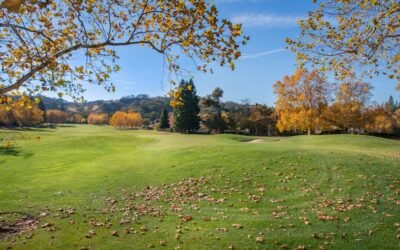
If you’re trying to work out the best time to visit Salford, late spring and early autumn are strong all-around choices. May to early June gives you longer days and relatively mild conditions, while September to early October can bring comfortable sightseeing weather after the main summer holiday period. Your ideal dates still depend on whether you care most about weather, crowds, events, or keeping accommodation costs down.
Quick Answer
For the best balance of mild weather, manageable crowds, and flexible pricing, visit Salford in May, early June, September, or early October. Summer is warmer and livelier but can be busier, while January and February can suit budget-focused city breaks if you do not mind colder, wetter weather and shorter daylight hours.
Key Takeaways
- Best overall: May to early June and September to early October.
- Warmest period: June through August, with long daylight hours and the busiest outdoor calendar.
- Relatively drier period: April and May are among the drier months in long-term regional Met Office averages.
- Best chance of lower accommodation prices: January, February, and quieter midweek dates outside major events often deserve a look, but prices are highly event-driven.
- Important planning rule: Check football fixtures, concerts, festivals, school holidays, and large Greater Manchester events before booking accommodation.
Best Time to Visit Salford by Priority
| Your Priority | Good Time to Visit | What to Expect |
|---|---|---|
| Best overall balance | May–early June, September–early October | Mild weather, useful daylight, and generally fewer school-holiday crowds than midsummer. |
| Warmest weather | June–August | The warmest temperatures and longest evenings, but no guarantee of dry weather. |
| Lower crowds | Weekdays in spring, autumn, January, or February | Often calmer, although matches, concerts, conferences, and school breaks can change this quickly. |
| Budget-focused trip | January–February and selected shoulder-season weekdays | Potentially better hotel availability, balanced against colder weather and shorter days. |
| Festivals and outdoor atmosphere | Late spring–summer | More outdoor events across Salford and Greater Manchester, but busier event weekends. |
| Festive city break | November–December | Seasonal shows, lights, indoor attractions, and easy access to Manchester’s festive events. |
1. Understanding Salford’s Seasons
Salford sits beside Manchester in North West England and has a generally mild maritime climate. Extreme heat and prolonged severe cold are uncommon, but the weather can change quickly. Sunshine, cloud, wind, and showers can all appear during the same day, so layers and a waterproof outer layer are useful in every season.
1.1. The North West Climate in a Nutshell
The Met Office’s 1991–2020 regional climate averages provide a useful benchmark for North West England and North Wales. They show average maximum temperatures rising from roughly 6–7°C in winter to around 19°C in July before falling through autumn.
Rain is possible throughout the year. However, the long-term regional data do not support the idea that midsummer is the wettest period or that summer has the least rain.
In the Met Office’s 1991–2020 regional averages, April and May receive roughly 77–79 mm of rainfall, while October through December average roughly 140–155 mm per month.
Note: These figures cover the wider England North West and North Wales climate district, so they are a regional planning guide rather than a weather forecast for a particular street in Salford. Check a short-range forecast just before your trip.
1.2. What to Expect from Each Season
- Spring (March–May): March can still feel chilly, but temperatures and daylight gradually improve. April and May are relatively dry in long-term regional averages, although showers remain possible.
- Summer (June–August): This is the warmest part of the year, with long evenings and more outdoor events. Rain still occurs, so do not plan a summer visit on the assumption that every day will be dry.
- Autumn (September–November): September can remain mild and works well for outdoor sightseeing. Conditions become cooler and generally wetter as October and November progress.
- Winter (December–February): Expect the shortest days and coolest temperatures. Frost and occasional snow are possible, but cool, wet, and cloudy conditions are more typical than prolonged heavy snow.
Whatever month you choose, build some flexibility into your plans. Salford has enough museums, theatres, cafés, historic sites, shopping, and indoor entertainment to make a wet-weather day easy to manage.
2. Weather: When Is Salford Most Comfortable?
If outdoor walking around Salford Quays, MediaCity, Ordsall Hall, or Worsley is a major part of your trip, late spring and early autumn offer an appealing balance. Summer is warmer, but shoulder-season dates can feel more comfortable when you also consider crowds and hotel availability.
2.1. Best for Mild Temperatures: May, Early June, and September
May is one of the more attractive months for walking and sightseeing. Regional Met Office averages put the mean daily maximum at about 15°C, while the longer daylight gives you more time outdoors.
September remains relatively mild, with a regional mean maximum of about 16.5°C. Early September can still feel summery on a good day, while later in the month you are more likely to notice cooler mornings and evenings.
June through August is warmer overall, so summer remains the better choice if temperature matters more to you than crowd levels or accommodation prices.
2.2. When Is Salford Driest?
There is no reliably rain-free season in Salford. Long-term regional data suggest that April and May are among the drier months, while rainfall totals generally rise through autumn and into early winter.
That makes late spring particularly appealing if you want a combination of improving temperatures, longer days, and comparatively lower rainfall. Even then, carry a lightweight waterproof rather than relying on the monthly averages.
2.3. Visiting Salford in Winter
Winter is colder and daylight is limited, but it can still work well for a city break. Salford Quays has major indoor attractions, including IWM North and Lowry, while MediaCity has restaurants, cafés, and entertainment close together.
IWM North currently offers free general admission, although special events or exhibitions can have separate arrangements. That makes it particularly useful for a lower-cost winter itinerary.
2.4. What to Pack
- A lightweight waterproof jacket in every season.
- Layers that you can add or remove as conditions change.
- Comfortable, water-resistant walking shoes if you plan to explore the Quays or parks.
- A warmer coat, hat, and gloves from late autumn through winter.
- Sun protection in late spring and summer, even if rain is also in the forecast.
3. Crowds: When Is Salford Quieter?
Salford is not dominated by tourism in the way some major European city centres are, but its busiest attractions and hotels are affected by school holidays, weekends, football fixtures, concerts, conferences, and Greater Manchester’s event calendar.
3.1. Shoulder Seasons Offer a Useful Balance
May, early June, September, and early October are good starting points if you want pleasant sightseeing conditions without automatically choosing the main July–August school-holiday period.
Families are more likely to visit attractions during school breaks, while events at MediaCity, Lowry, Old Trafford, central Manchester, and other nearby venues can cause short-term surges in visitors.
3.2. Weekdays vs. Weekends
Monday through Thursday is often calmer than Friday through Sunday around popular leisure areas. Sunny weekends can draw locals and day-trippers to Salford Quays, MediaCity, restaurants, bars, and Quayside MediaCityUK.
That said, weekday conferences, university events, concerts, and football fixtures can overturn the normal pattern, so do not rely on the day of the week alone.
3.3. Major Events Can Matter More Than the Season
Large events across Greater Manchester can affect hotel availability and transport even when the event itself is not in central Salford. Manchester United home fixtures at Old Trafford, Manchester City matches, arena concerts, large conferences, and major festivals can all have an effect.
Manchester International Festival is another example, but it does not happen every summer. Factory International confirms that MIF is biennial, taking place every two years. The previous edition was MIF25, so 2026 is not an MIF festival year.
Pro Tip: Before booking a hotel, check the event calendars for Salford, Manchester, Old Trafford, MediaCity, and major music venues. Moving a trip by one or two nights can sometimes matter more than choosing a different month.
4. Costs: When Can You Find Better Value?
There is no single guaranteed cheapest month because accommodation prices respond to demand. Season matters, but football, concerts, exhibitions, bank holidays, school breaks, and conferences can create large differences between two weekends in the same month.
4.1. Lower-Cost Periods to Check First
January and February are sensible months to check if price is your main concern. Demand often settles after the Christmas and New Year period, and cold weather keeps many leisure travellers away.
March, parts of November, and quieter midweek dates in spring or autumn can also offer useful value. Instead of assuming a month will be cheap, compare several nearby dates before booking.
- Accommodation: Compare Sunday-to-Thursday stays with Friday and Saturday nights. Always check whether a major event coincides with your dates.
- Flights and trains: Prices vary by route and demand. Buying earlier can help on popular dates, but there is no universal 3-, 6-, or 9-month rule that guarantees the lowest fare.
- Attractions: Admission policies differ. IWM North currently has free general admission, while RHS Garden Bridgewater uses different ticket bands depending on the date and booking method.
4.2. When Prices Are More Likely to Rise
July and August can bring stronger leisure demand because of school holidays and summer events. Festive weekends in November and December can also be busy because Salford visitors have easy access to Manchester’s seasonal attractions.
Major football matches, concerts, festivals, and conferences can create much sharper short-term price increases than the season alone. If you need to travel on a high-demand date, booking accommodation earlier gives you more choice, even though it does not guarantee the lowest price.
4.3. Budgeting for Food and Transport
Food and drink prices do not follow a simple seasonal pattern, so savings usually come from where and when you eat rather than which month you visit.
- Lunch deals: Look for fixed-price or weekday lunch menus where available.
- Self-catering: An apartment or aparthotel with a kitchen can reduce meal costs on a longer stay.
- Early-evening offers: Some bars and restaurants run time-limited food or drink promotions.
- Public transport: Salford is well connected to Manchester by tram and bus. The Bee Network supports options including contactless tap-and-go, app tickets, smart cards, cash, and card. Check current fares and zones before travelling.
5. Events and Seasonal Activities
Events can make a particular month the perfect time to visit—or the wrong time if your goal is lower hotel prices and quieter streets. Always confirm dates on the organiser’s website because programmes change from year to year.
5.1. Spring: Gardens and Floral Events
Spring is particularly appealing if you enjoy gardens and outdoor spaces. RHS Garden Bridgewater is in Worsley, Salford, and becomes increasingly colourful as the growing season progresses. The official RHS visitor information lists it as open throughout the year apart from Christmas Day, with opening times varying seasonally.
Manchester’s annual floral celebration is now called the Manchester Flower Festival. The 2026 festival took place from 23–25 May in Manchester city centre, making late May an especially lively time for visitors combining Salford with central Manchester.
5.2. Summer: Outdoor Events and Sport
Summer gives you the longest evenings and one of the busiest entertainment calendars. MediaCity and the Quays regularly host activities, while Lowry has theatre, comedy, family shows, exhibitions, and other performances throughout the year.
Football is mainly an August-to-May attraction, while cricket and other outdoor sports become more prominent during the warmer months. Old Trafford football stadium and Emirates Old Trafford cricket ground are both close enough to influence visitor demand around Salford.
Outdoor screenings, food events, waterfront activities, and temporary festivals vary from year to year, so check current listings rather than planning around an event from a previous season.
5.3. Autumn: Heritage and Milder Sightseeing
September is one of the strongest months for visitors who want an active sightseeing trip without midsummer timing. Temperatures are still relatively mild, while schools are returning after the summer break.
Heritage Open Days is a particularly useful autumn event. In 2026, the nationwide festival runs from 11–20 September, with free heritage experiences taking place across England, including events in Salford and Greater Manchester.
As October progresses, expect cooler and wetter conditions, but autumn colours can make parks, canalside paths, Worsley, and other green areas especially attractive.
5.4. Winter: Festive Atmosphere and Indoor Attractions
November and December combine colder weather with seasonal entertainment. Manchester’s Christmas Markets are easily reached from Salford, but exact dates and locations change each year, so verify the current programme before booking specifically for them.
Winter is also a good time to concentrate on Salford’s indoor attractions. IWM North, Lowry, MediaCity, cafés, restaurants, and shopping around the Quays allow you to build a full day without relying on good weather.
If your priority is culture rather than outdoor sightseeing, this makes Salford much more of a year-round destination than its weather alone might suggest.
6. Which Season Fits Your Travel Style?
The best time to visit Salford ultimately depends on the type of trip you want.
6.1. Culture Buffs and Sightseers
If museums, theatre, galleries, architecture, and MediaCity are your priorities, almost any season can work. Spring and autumn provide a comfortable balance, while winter is perfectly practical because so many key attractions are indoors.
Visit Salford’s official Quays and MediaCity guide is useful for checking the current mix of attractions and activities before you travel.
6.2. Budget-Conscious Travellers
Start by comparing January and February with midweek dates in March, spring, late autumn, and early autumn. Then check whether a football fixture, concert, conference, festival, or bank holiday is pushing prices up.
A cold month without a major event can be better value than a supposedly cheap shoulder-season weekend with a sell-out concert nearby.
6.3. Fair-Weather Wanderers
For walks around Salford Quays, MediaCity, Ordsall Hall’s grounds, Worsley, or RHS Garden Bridgewater, May to early June and September are strong choices.
Summer gives you warmer conditions overall, but late spring has the advantage of being relatively dry in long-term regional averages.
6.4. Festival and Event Fans
Late spring through summer has the busiest outdoor feel, while November and December bring festive events and seasonal performances. If a particular concert, festival, sporting event, or exhibition is the main reason for your trip, let its date determine your visit and book accommodation around it.
Remember that major programmes do not necessarily happen annually. Manchester International Festival, for example, runs every two years rather than every July.
Conclusion
For most travellers, May to early June and September to early October are the best times to visit Salford. These periods offer a useful compromise between comfortable sightseeing weather, daylight, crowd levels, and travel costs.
Choose June through August if warmth, long evenings, and a lively outdoor atmosphere matter most. Consider January or February if you mainly want museums, theatre, restaurants, and potentially better-value accommodation. For an event-focused trip, check the Greater Manchester calendar before booking because a football match, concert, festival, or conference can matter more than the season itself.
Whatever month you choose, pack for changeable weather. Salford’s biggest advantage is that attractions such as the Quays, MediaCity, Lowry, IWM North, Ordsall Hall, and RHS Garden Bridgewater give you enough indoor and outdoor options to adapt your plans as the forecast changes.
Frequently Asked Questions
What is the best overall time to visit Salford?
May to early June and September to early October offer one of the best combinations of mild weather, useful daylight, and manageable crowd levels. They also avoid part of the main July–August school-holiday period.
When is Salford warmest?
June, July, and August are the warmest months. Regional Met Office averages put July’s mean maximum at around 19°C, although individual days can be cooler or considerably warmer.
What is the driest time to visit Salford?
There is no reliably dry season, but April and May are among the drier months in 1991–2020 Met Office averages for the wider North West England and North Wales climate district. Autumn and early winter are generally wetter.
When should I visit Salford to avoid crowds?
Try weekdays in May, early June, September, early October, January, or February. However, always check football fixtures, concerts, conferences, school holidays, and major Greater Manchester events because these can create busy periods at any time of year.
What is the cheapest time to visit Salford?
January and February are good months to check first, along with quieter midweek dates in spring and autumn. There is no guaranteed cheapest month because hotel prices around Salford and Manchester can rise sharply for football matches, concerts, festivals, conferences, and holidays.
Is Salford worth visiting in winter?
Yes, especially if you enjoy museums, theatre, food, and other indoor activities. IWM North, Lowry, MediaCity, cafés, restaurants, and shopping around the Quays make it easy to plan around cold or wet weather.
Does it rain all the time in Salford?
No. Rain can occur in every month, but Salford also gets plenty of dry periods. Long-term regional data show that spring, particularly April and May, is generally drier than late autumn and early winter. A waterproof jacket is still worth carrying year-round.
Which events can make Salford more expensive or crowded?
Manchester United and Manchester City fixtures, arena concerts, conferences, festivals, major MediaCity events, school holidays, and festive weekends can all affect demand. Check current calendars before choosing your hotel dates.
Sources
- Met Office — North West England and North Wales climate averages — temperature, rainfall, sunshine, and seasonal climate context.
- Visit Salford — Salford Quays and MediaCity — current visitor attractions and Quays information.
- Royal Horticultural Society — RHS Garden Bridgewater — opening information, location, and current admission structure.
- Imperial War Museums — IWM North General Admission — current free general-admission information.
- Factory International — Manchester International Festival — confirms the festival’s biennial schedule.
- Heritage Open Days — official 2026 festival dates and current heritage-event information.