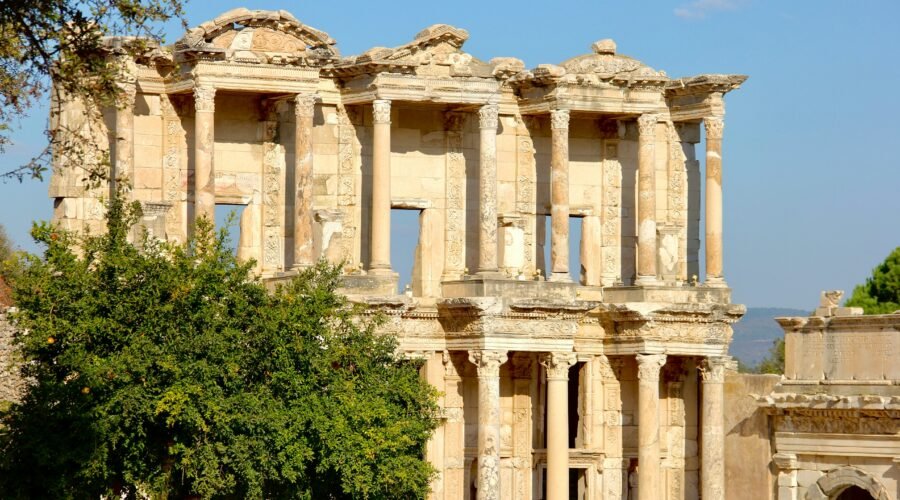
The best time to visit Selçuk is usually April to May or late September to October, when sightseeing weather is more comfortable than midsummer and the town is generally less intense than during the main summer travel period. These months work especially well if Ephesus is the focus of your trip. Winter is quieter and often cheaper, while summer suits travelers who also want beach weather.
Quick Answer
Choose April, May, late September, or October for the best balance of comfortable sightseeing weather, manageable crowds, and seasonal value in Selçuk. July and August are hotter and busier, while December through February offer the quietest atmosphere and the best chance of lower accommodation rates.
Last checked: October 5, 2026. Dates and figures were verified against official sources.
Key Takeaways
- April and May give you mild-to-warm weather before the hottest part of the year.
- September remains warm, while October is cooler and well suited to long days at archaeological sites.
- July and August are very dry but bring the strongest heat, so the timing of your Ephesus visit matters.
- Winter brings more rain and shorter days, but major historical sites remain accessible and crowds are much lighter.
Best Time to Visit Selçuk at a Glance
For most history-focused travelers, spring and autumn offer the strongest overall balance. Summer is best if hot, dry weather and nearby beaches matter more to you, while winter favors budget-conscious visitors who value quiet sightseeing.
The temperature figures below use official İzmir climate statistics from Türkiye’s Meteorology General Directorate as the regional benchmark. Selçuk can differ from central İzmir on individual days, so treat these as planning averages rather than a forecast.
| Season | Weather | Crowds | Costs |
|---|---|---|---|
| Spring: March-May | Regional average highs rise from 16.4°C to 26.2°C; rainy days fall from about 9.2 in March to 5.3 in May | Moderate overall; 2026 holiday peaks included March 20-22 and May 27-30 | Usually below midsummer peak-season levels |
| Summer: June-August | Regional average highs are 30.8-33.3°C; July averages only about 0.45 rainy days | High; school holidays, beach travel, August 15 pilgrimage traffic, and national holidays can add pressure | Typically the highest accommodation and airfare period |
| Autumn: September-November | Regional average highs fall from 29.3°C in September to 18.7°C in November | Eases after summer; EFEST ran September 5-8 in 2026, and Republic Day is October 29 | Often improves as the main summer season ends |
| Winter: December-February | Regional average highs are about 12.5-14.2°C, with roughly 10.5-12.7 rainy days per month | Low overall, apart from holidays and special local events | Generally the lowest-price season |
Spring in Selçuk: March to May
Spring is one of the easiest seasons for exploring Selçuk on foot. Temperatures rise quickly from March through May, but you avoid the sustained midsummer heat that can make long walks through Ephesus tiring.
Spring Weather for Sightseeing
Regional average daytime highs rise from 16.4°C in March to 21.0°C in April and 26.2°C in May. Average nighttime lows move from 7.7°C to 15.5°C over the same period.
Rain also becomes less frequent as spring progresses. A light jacket is useful in March and on cooler April mornings, while May often feels warm by afternoon.
Spring Crowds and Busy Dates
Spring is not crowd-free, but it usually gives you more breathing room than peak summer. Tour groups become more noticeable as the weather improves, especially at Ephesus, the House of the Virgin Mary, and the Basilica of St. John.
The official 2026 holiday calendar placed Ramazan Bayramı on March 20-22 and Kurban Bayramı on May 27-30. April 23, May 1, and May 19 were also public holidays, so these dates could bring extra domestic travel.
Spring Costs
Spring usually offers a better balance between weather and price than July or August. Accommodation and flight costs still vary sharply by booking date, holiday period, and demand, so late May around major holidays can behave differently from an ordinary shoulder-season week.
Summer in Selçuk: June to August
Summer gives you the driest weather and longest sightseeing days, but it also brings the strongest heat. If you visit mainly for Ephesus, plan outdoor archaeology early rather than building your day around the hottest afternoon hours.
How Hot Does Selçuk Get in Summer?
The official regional averages show daytime highs of 30.8°C in June, 33.3°C in July, and 33.0°C in August. Average nighttime lows remain around 19.9-22.6°C.
Rain is uncommon. The regional average is about 2.28 rainy days in June, 0.45 in July, and 0.56 in August, so sun protection and water usually matter more than rain gear.
Summer Crowds and School Holidays
Summer is the main high season for both cultural sightseeing and nearby coastal trips. In 2026, Türkiye’s school year ended on June 26, while the 2026-2027 school year began on September 14, creating a long domestic summer holiday period.
August 15 can also be noticeably different around the House of the Virgin Mary. Selçuk Municipality states that a religious service is held there every August 15 and attracts significant interest.
Summer Beach Time
Summer is the strongest choice if you want to combine archaeology with the coast. Pamucak and the Kuşadası area are close enough for a beach break after sightseeing, and the reliably dry weather makes this easier to plan than in winter.
If historical sites matter more than swimming, however, the added heat makes spring or autumn more comfortable for full-day exploration.
Summer Costs
This is normally the most expensive part of the year for hotels and flights because demand is higher. Booking earlier becomes more important if your dates overlap with school holidays, weekends, or major events.
Autumn in Selçuk: September to November

Autumn is the other standout season for Selçuk. September still feels summery, October is much gentler for long walks, and November marks the shift toward cooler and wetter weather.
Autumn Weather
Regional average highs fall from 29.3°C in September to 24.1°C in October and 18.7°C in November. Average lows drop from 18.8°C to 10.8°C across the same period.
September remains quite dry, averaging about 1.94 rainy days regionally. Rain becomes more common in October and especially November, so early autumn gives you the most dependable mix of warmth and dry weather.
Why September and October Work So Well
September suits travelers who still want hot afternoons and possible beach time without choosing July or August. October is better if your priority is walking around Ephesus, Ayasuluk Hill, and central Selçuk for hours at a time.
Crowds normally ease after the main summer holiday period. That makes late September and October especially attractive for travelers who want lively restaurants and tourism services without peak-season intensity.
EFEST and Autumn Events
Local events can create short crowd spikes. The municipality’s EFEST 2026 program ran September 5-8 with music, cultural events, performances, children’s activities, and community celebrations across Efes Selçuk.
Republic Day is October 29, with the official holiday beginning on the afternoon of October 28. These dates are worth factoring into transport and accommodation plans even though autumn is generally calmer than summer.
Autumn Costs
Accommodation prices often start easing as summer visitors leave, particularly later in October and into November. Airfares can also become more competitive outside holiday periods, although exact prices depend on route and booking date.
Winter in Selçuk: December to February

Winter is the quietest choice and can give Ephesus a completely different atmosphere. You trade long, dry days for cooler temperatures, more frequent rain, and a greater chance of reduced activity at small tourism-focused businesses.
Winter Weather and Rain
Regional average highs are 14.2°C in December, 12.5°C in January, and 13.7°C in February. Average lows are around 5.8-7.6°C.
This is the wettest part of the year. December averages about 12.72 rainy days regionally, January about 12.56, and February about 10.50. Snow in low-lying Selçuk is uncommon; rain is the more practical concern.
Winter Crowds and Local Events
Most days are substantially calmer than spring through autumn, so winter can suit travelers who want time and space around major ruins. New Year’s Day on January 1 is a national holiday and can temporarily change normal travel patterns.
Selçuk also has a long camel-wrestling tradition. An official municipal decision scheduled the 44th International Selçuk-Efes Camel Wrestling Festival for January 17-18, 2026 at the Pamucak wrestling grounds, showing how a winter event can create a brief local surge even during low season.
Winter Costs and Services
If budget is your main concern, winter is generally the cheapest season to visit Selçuk. Hotels and guesthouses often have their lowest demand, and flights to the region may also cost less outside holidays.
Some smaller tourism-oriented businesses can shorten their hours in winter. Major archaeological attractions continue operating, so the season still works well for a history-focused trip if you pack for rain.
What Is the Best Time of Day to Visit Ephesus?
During warm months, the most comfortable approach is to enter near opening time and cover the exposed parts of Ephesus before afternoon heat builds. A later visit can also work when seasonal evening access is operating.
As of October 5, 2026, the official Ephesus archaeological-site page lists daily opening at 08:00, closing at 18:00, and ticket-office closing at 17:45. It also lists night-museum operation on Wednesday through Saturday, with a 21:00 closing time on operating nights.
Ephesus has upper and lower entrances roughly three kilometres apart according to the Culture Ministry. Walking through the ruins from one gate to the other is common, so heat and footwear matter more here than they would at a compact indoor museum.
What to Consider Before Choosing Your Dates
The weather calendar gives you a good starting point, but your ideal month depends on what you actually want to do. History, beaches, budget, local events, and tolerance for heat can point to different answers.
Your Travel Style and Priorities
- History-focused traveler: Choose April, May, late September, or October for long outdoor visits without midsummer heat.
- Sun-seeker: Choose June through August if dry, hot weather and nearby beaches matter most.
- Budget traveler: Choose December through February for the best chance of low-season accommodation rates and quiet attractions.
- Relaxed explorer: May and October offer particularly useful compromises between weather, daylight, crowds, and local activity.
Closest Airport and Getting to Selçuk
İzmir Adnan Menderes Airport (ADB) is the main airport for Selçuk. An official Selçuk planning report places the district about 60 km from the airport and documents the rail connection between Selçuk and Tepeköy.
You can continue toward Selçuk by rail, bus, transfer, taxi, or rental car depending on your arrival time and wider itinerary. The government Selçuk transport-planning document is the basis for the distance and rail information; journey time varies with the service and connection you use.
A rental car becomes more useful if you plan to combine Selçuk with several places outside the center. Within Selçuk itself, many everyday stops are close enough that you may not need a vehicle for every outing.
How Holidays and Events Affect Crowds
A shoulder-season month is not automatically quiet every day. Religious holidays, national holidays, school breaks, pilgrimages, and local festivals can briefly create summer-like demand for rooms, restaurants, roads, and popular attractions.
For 2026, the clearest examples were Ramazan Bayramı on March 20-22, Kurban Bayramı on May 27-30, the long summer school break, the August 15 service at the House of the Virgin Mary, EFEST on September 5-8, and Republic Day on October 29. Event dates can change in later years, so future editions should not be assumed from the 2026 calendar.
For the broadest appeal, choose April, May, late September, or October. You will usually get more comfortable conditions for Ephesus than in midsummer without accepting the wetter weather and shorter days of winter.
Frequently Asked Questions
What is the best time to visit Selçuk, İzmir for good weather?
April, May, late September, and October offer the best overall weather for most visitors. These periods avoid the strongest July and August heat while still giving you useful daylight and generally comfortable conditions for walking through Ephesus and other outdoor sites.
When is the peak tourist season in Selçuk?
June through August is the main peak period, with July and August bringing the strongest heat and heavy tourism demand. School holidays, coastal travel, tour groups, public holidays, and special events can also create busy days outside those months.
What is the off-peak season in Selçuk?
December through February is the clearest off-peak period in Selçuk. You get much lighter tourist traffic and a quieter atmosphere, but you should expect cooler temperatures, more rain, shorter daylight hours, and reduced activity at some small tourism-focused businesses.
When are accommodation and travel costs usually lower in Selçuk?
Winter generally gives you the best chance of lower accommodation prices because visitor demand is lower. Spring and autumn can also offer better value than peak summer, although holidays, festivals, weekends, and booking timing can temporarily push prices higher.
What temperatures can you expect around Selçuk during the year?
Official İzmir regional averages range from a January daytime high of about 12.5°C to a July high of about 33.3°C. Spring warms quickly, summer is hot and very dry, autumn cools gradually, and December through February are the coolest and wettest months.
Is Ephesus open year-round?
Yes, the official Ephesus page currently lists the archaeological site as open every day. As of October 5, 2026, regular hours are 08:00 to 18:00 with the ticket office closing at 17:45, while selected Wednesday-through-Saturday nights have extended access.
What is the best time of day to visit Ephesus?
Opening time is usually the most comfortable choice during hot weather because you can cover exposed areas before afternoon temperatures peak. Later visits can also work when evening access is operating, but the current seasonal timetable should determine how late you can enter.
Does it snow in Selçuk in winter?
Snow is uncommon in low-lying Selçuk, so winter travelers should prepare mainly for rain and cool temperatures rather than regular snowfall. Regional climate data shows December through February among the wettest months, with average daytime highs generally in the low-to-mid teens Celsius.
Sources
- Meteorology General Directorate: Official İzmir regional temperature, sunshine, rainy-day, and precipitation statistics.
- Türkiye Ministry of Culture and Tourism — Ephesus Archaeological Site: Current opening hours, ticket-office time, daily operation, night-museum information, and entrance layout.
- Presidency of Religious Affairs — 2026 Official Holidays: 2026 religious and national holiday dates used for crowd planning.
- Türkiye Ministry of National Education: 2026-2027 school-calendar dates used to identify the summer holiday period.
- Selçuk Municipality — EFEST 2026: September 5-8, 2026 festival dates and program.
- Selçuk Municipality — House of the Virgin Mary: Annual August 15 service and its visitor significance.
- Selçuk Municipality Council Decision: Planned January 17-18, 2026 International Selçuk-Efes Camel Wrestling Festival.
- Official Selçuk Planning Report: Airport distance and Selçuk-Tepeköy rail-connection information.