South Australia changes dramatically with the seasons, so the best month depends on whether you want Adelaide festivals, wine harvests, beaches, wildlife, or cooler Outback adventures. March is one of the best all-round months for warm autumn weather, coastal trips and active vineyards, but it is not always the quietest or cheapest time to stay in Adelaide because major festivals can sharply increase demand.
Quick Answer
For most travelers, March is an excellent all-round month to visit South Australia, with warm autumn weather, active wine harvests and good coastal conditions. However, Adelaide is extremely busy during its March festival season. Choose late April or May instead if lower city crowds and easier accommodation matter more.
Key Takeaways
- March: one of the best overall months for warm weather, wine harvest activity and coastal touring, but Adelaide can be crowded and expensive during major festivals.
- Autumn (March–May): comfortable for city trips, vineyards, Kangaroo Island, the Fleurieu Peninsula and increasingly cooler Outback travel.
- Winter (June–August): cooler and wetter around Adelaide and the south, but excellent for whale watching and comfortable Flinders Ranges hiking.
- Spring (September–November): mild to warm weather, wildflowers after favorable rainfall and good conditions for walking and regional touring.
- Summer (December–February): best suited to beach-focused trips, but inland heat, bushfire conditions and school-holiday demand require extra planning.
Best Month to Visit South Australia: March or April?
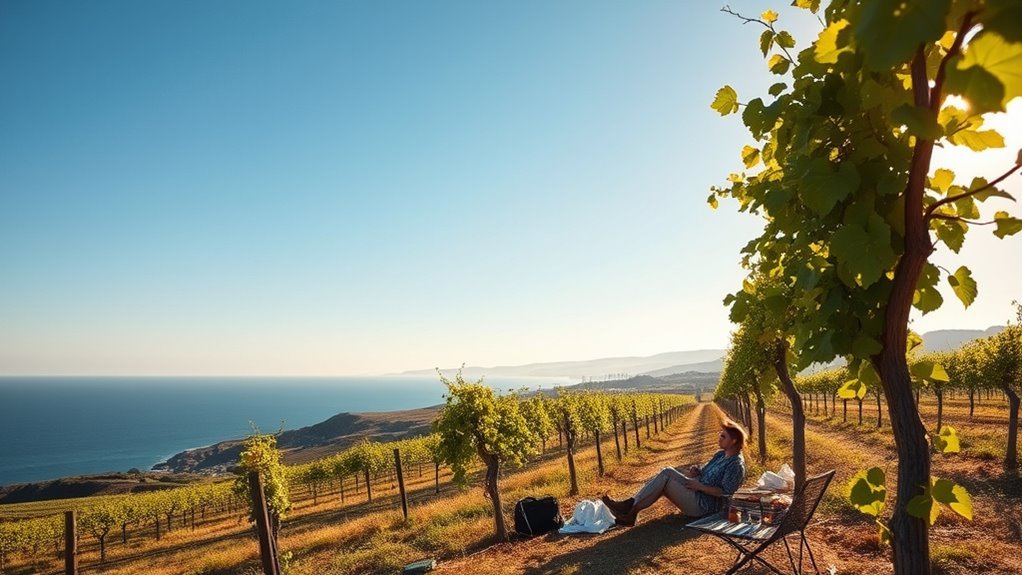
If you want one month that works well for several different parts of South Australia, March is a strong choice. Summer heat begins to ease in the south, daylight is still generous, vineyards are active with harvest, and coastal areas remain appealing for warm-weather activities.
The important exception is Adelaide itself. March sits inside the city’s major festival period, when Adelaide Fringe, Adelaide Festival, WOMADelaide and other events can increase visitor numbers and accommodation demand. That makes March exciting rather than consistently quiet.
Note: If your priority is festival atmosphere, March is hard to beat. If your priority is calmer Adelaide streets, simpler hotel bookings and potentially better-value stays, consider late April, May or winter outside major event dates.
For a broader road trip that combines Adelaide, wine country and the coast, March still offers an attractive balance. For a trip focused on long hikes in the Flinders Ranges, however, the cooler stretch from April through October is usually more comfortable.
How to Choose the Right Time: Weather, Crowds and Cost
The best time to visit South Australia depends on three practical factors: weather, visitor demand and what you want to do. Because the state stretches from temperate coastlines to arid inland country, the same month can be ideal in one region and uncomfortable in another.
Shoulder seasons are useful for travelers who want moderate temperatures without committing to the hottest summer weather or coolest winter conditions. However, “shoulder season” does not automatically mean low prices. Major events, public holidays and school breaks can create short periods of very high demand.
If your trip includes wine tastings, walking, wildlife or regional touring, consider how seasonal conditions affect each activity rather than choosing a month based only on Adelaide’s weather.
| Trip priority | Good time to consider | Why |
|---|---|---|
| Wine harvest | February–March | Harvest generally runs from late January into April depending on the wine region, with February and March especially active. |
| Adelaide festivals | February–March | Major arts and cultural events create a lively city atmosphere but can increase demand. |
| Quieter Adelaide visit | May or winter | Generally avoids the core March festival surge, although individual events can still affect availability. |
| Flinders Ranges walking | April–October | Milder temperatures are better suited to bushwalking and cycling. |
| Whale watching | May–October | Southern right and humpback whales migrate through South Australian waters, with frequent sightings during winter. |
| Beach holiday | Late spring–early autumn | Warmer air temperatures favor swimming and coastal days, subject to local surf and weather conditions. |
Seasonal Weather Across South Australia (Adelaide, Wine Regions, Outback, Coast)
South Australia covers very different climate zones. Adelaide has a Mediterranean-style climate with warm to hot, dry summers and cooler, wetter winters, while inland areas such as the Flinders Ranges and Outback experience greater heat extremes. Kangaroo Island and southern coastal areas are generally cooler.
Summer (December–February) can produce very hot days, especially inland. It suits beach trips, but heat and bushfire conditions can limit hiking and remote-area plans.
Autumn (March–May) gradually brings cooler conditions. Adelaide and the wine regions are comfortable for touring, while the Flinders Ranges become increasingly suitable for walking as summer heat fades.
Winter (June–August) brings most of Adelaide’s seasonal rainfall and cooler conditions in the south. Inland days can be pleasant for walking, although nights can become very cold.
Spring (September–November) brings warming temperatures and flowering landscapes. Wildflower timing in drier regions depends strongly on previous rainfall, so displays are never guaranteed simply because it is spring.
Along the coast, sea breezes can moderate heat, but water temperature, wind, swell and currents still vary. Check local conditions before planning swimming, snorkeling or boating.
When to Visit Adelaide: Weather, Crowds and Costs
For comfortable sightseeing, autumn and spring are strong choices for Adelaide. Temperatures are generally easier for walking than during summer heat, and the city’s parks and nearby wine regions are easy to combine with a city stay.
March deserves special planning. Adelaide Fringe, Adelaide Festival, WOMADelaide and other events create the period commonly called “Mad March.” If you are traveling for the festivals, book accommodation and popular restaurants early. If you are trying to avoid crowds, do not assume March will behave like a quiet shoulder-season month.
March combines excellent autumn conditions with some of Adelaide’s strongest event demand, so good weather and low crowds do not necessarily arrive together.
Summer offers long evenings, beaches and a busy social calendar, but temperatures can rise sharply. Winter is cooler and wetter, yet it can provide a calmer city experience and more comfortable conditions for museums, galleries, restaurants and cellar doors.
Adelaide Metro operates buses, trains and trams. Its journey planner and real-time service information are useful during large events, when traffic and transport demand may increase. See Adelaide Metro’s public transport guidance.
Best Time for Barossa, McLaren Vale and Other Wine Regions
South Australia’s wine regions can be visited year-round, but the experience changes noticeably by season. Autumn brings harvest activity and changing vineyard colors, winter is quieter and cooler, spring brings fresh growth, and summer can be hot.
Peak Harvest Season
If you want to see wineries during vintage, target the period from late January through April, depending on the region, grape variety and conditions that year. South Australian tourism guidance identifies February and March as peak harvest months across the major wine-road itinerary.
Harvest can make vineyards feel especially active, with fruit arriving at wineries and production work underway. Not every winery offers behind-the-scenes harvest access, however, so book specific vintage experiences rather than assuming normal cellar-door tastings include production tours.
March is particularly convenient if you want to combine harvest activity with warm autumn touring, while April can provide cooler conditions as harvest winds down in many areas.
Cooler Off-Season Visits
After the busiest harvest period, cooler months give the Barossa, McLaren Vale and other wine regions a different atmosphere. Cellar doors may feel quieter, walking conditions are cooler, and winter food-and-wine experiences become part of the appeal.
| What you get | Why it matters | Tip |
|---|---|---|
| Quieter tastings | A slower cellar-door experience | Try weekday appointments |
| Cooler weather | More comfortable walking and touring | Pack layers in winter |
| Seasonal food | Adds another reason to visit beyond wine | Check restaurant opening days |
Wine Festival Timing
Wine and food events occur throughout the year, and their dates can change annually. Rather than relying on a fixed “Barossa autumn” or “McLaren Vale spring” rule, check the current South Australian events calendar before choosing dates.
Festival weekends can increase traffic, restaurant demand and accommodation prices in otherwise quiet regional areas. If attending an event is your priority, secure transport and accommodation at the same time as your tickets.
Pro Tip: For a quieter wine trip during harvest season, visit cellar doors on weekdays and avoid the busiest Adelaide festival or public-holiday weekends when possible.
When to Visit Kangaroo Island & the Fleurieu Peninsula
Kangaroo Island and the Fleurieu Peninsula are worthwhile throughout the year, but autumn and spring offer a particularly useful balance for walking, wildlife and coastal sightseeing. Late spring through early autumn also suits travelers who place beaches and swimming high on the itinerary.
Wildlife should not be treated as a warm-season-only attraction. Seasonal behavior changes throughout the year, and cooler periods can be excellent for wildlife viewing.
Best Wildlife Viewing Times
Dawn and dusk are productive times for spotting animals such as kangaroos and wallabies because many Australian mammals are most active around the cooler edges of the day.
On Kangaroo Island, seasons bring different highlights. Spring can bring nesting birds, wildflowers and active mammals. During hot summer days, wildlife may retreat into sheltered habitat. Autumn can bring calmer conditions and young seal pups around coastal colonies. Winter also rewards travelers willing to accept cooler and wetter weather.
| Time or season | What to expect |
|---|---|
| Dawn–Dusk | Better chances of seeing active terrestrial mammals |
| Spring | Wildflowers, nesting activity and warming weather |
| Summer | Long days, but wildlife often shelters during the hottest hours |
| Autumn | Milder walking weather, calmer sea winds and seasonal seal activity |
Weather and Beach Conditions
Summer gives the coast long, warm days for swimming and surfing, while late spring and early autumn can provide a comfortable compromise between warmth and peak summer heat.
Never judge swimming safety by the season alone. Wind, swell, rip currents, water temperature and patrol coverage can change from beach to beach and from one day to the next.
At patrolled beaches, follow the red-and-yellow flags and local safety signs. If there are no patrols or you are unsure about conditions, check current beach information before entering the water.
For snorkeling and diving, Rapid Bay is well known for marine life including leafy sea dragons. Conditions around the jetty can include strong currents and tides, so inexperienced visitors should use appropriate local guidance rather than assuming calm-looking water is safe.
When to Visit the Flinders Ranges and the Outback Safely
For walking and cycling in Ikara-Flinders Ranges National Park, National Parks and Wildlife Service South Australia identifies April to October as the most comfortable period because temperatures are milder.
Summer can bring extreme heat and higher bushfire risk. Some walking trails may also be subject to seasonal closures, and all walking trails can close on Catastrophic Fire Danger days.
Warning: Before any Flinders Ranges or remote Outback trip, check the latest park alerts, road conditions, weather forecast and South Australian Country Fire Service Fire Danger Rating. Heavy rain can close roads and creek crossings, while extreme fire weather can force activity or park closures.
Travel prepared with more drinking water than you expect to need, adequate fuel, sun protection, food, offline maps and a reliable way to call for help. Mobile coverage becomes limited in remote areas, so a satellite communicator or personal locator beacon can add an important backup on isolated routes.
Travel prepared: carry extra water and fuel, download maps before leaving coverage, check road conditions and have a reliable emergency communication plan.
Drive remote roads in daylight when possible and avoid entering floodwater or closed roads. Conditions can change quickly after heavy rain even during months that are normally considered suitable for travel.
Guided walks and local operators can be especially useful if you are unfamiliar with remote-road conditions, cultural protocols or long-distance walking in arid environments.
Camping under the wide Outback sky can be one of South Australia’s most memorable experiences, but the best trip is one that treats heat, fire, rain and remoteness as practical planning factors rather than surprises.
When to See Whales, Dolphins and Coastal Marine Life
South Australia’s annual whale season generally runs from May to October, when southern right whales and humpback whales are seen along the state’s coastline. Sightings are especially frequent during the winter months from June through August.
Encounter Bay and the Fleurieu Peninsula are well-known whale-watching areas, while other important viewing locations occur farther west along the South Australian coast. Dolphins can be seen at different times of year, depending on species and location.
Marine mammals are protected in South Australia. When viewing whales, maintain the legally required distance. Boats viewing whales generally need to remain at least 100 metres away, while a 300-metre whale-watching approach distance applies within designated Whale Nursery Protection Areas, including Encounter Bay, Fowlers Bay and Sleaford Bay. Special rules also apply when calves are present.
See the South Australian Department for Environment and Water whale and dolphin guidance before a marine wildlife trip.
Summer can be attractive for snorkeling at sites such as Rapid Bay, where kelp, reef habitat and distinctive marine species reward careful exploration. Always check tides, currents and local conditions first.
Choose wildlife operators that follow the legal approach distances and avoid chasing, feeding or crowding animals.
How Major Events and School Holidays Affect Timing and Prices
South Australia’s event calendar can have as much influence on accommodation demand as the weather. This is particularly important in Adelaide.
Do not assume every shoulder-season week is quiet: major festivals, sporting events, public holidays and school breaks can temporarily create peak-season demand.
Adelaide’s February–March festival season includes major events such as Adelaide Fringe, Adelaide Festival and WOMADelaide. March therefore offers outstanding cultural experiences but can also bring busy restaurants, crowded entertainment precincts and high hotel occupancy.
Other large sporting, food and cultural events can affect different months, so check the current calendar instead of relying on a fixed low-season rule.
School holidays also increase family travel. South Australian school-holiday dates change each year, so confirm your travel period using the South Australian Department for Education term-date calendar.
If your trip falls on a major event or school-holiday weekend, reserve accommodation, rental vehicles, ferry travel and high-priority activities earlier than you would for an ordinary weekday.
South Australia Month by Month: What to Expect and When to Book
South Australia’s seasons shift gradually, but each month has a different balance of heat, events, wildlife and regional travel conditions. Use this table as a planning guide, then check current forecasts and event dates before booking.
| Month | What it is good for | Planning note |
|---|---|---|
| January | Beaches, long summer days, coastal holidays | Expect summer heat and school-holiday demand. Avoid strenuous inland activity during extreme heat. |
| February | Beaches, beginning/active wine harvest, festival season | Hot days remain possible. Adelaide Fringe and other events can increase city demand. |
| March | Wine harvest, warm coast, autumn touring, Adelaide festivals | Excellent all-round weather for many itineraries, but Adelaide can be exceptionally busy during major events. |
| April | Wine regions, walking, Adelaide Hills colors, Flinders trips | A strong transition month, but Easter, school holidays and major sporting events can create busy periods. |
| May | Cooler wine touring, regional drives, hiking | Often attractive for travelers who want autumn conditions after the busiest March festival period. |
| June | Whales, Flinders hiking, winter food and wine | Cooler and wetter in the south; pack layers and rain protection. |
| July | Whale watching, museums, Flinders and Outback walking | School holidays can increase family travel. Inland nights may be very cold. |
| August | Whales, Outback walking, possible early wildflowers | Wildflower timing depends on rainfall rather than the calendar alone. |
| September | Spring scenery, wildflowers, walking, wildlife | Excellent regional touring weather, but late-month school holidays may increase demand. |
| October | Kangaroo Island, coast, wine regions, outdoor sightseeing | Warm spring conditions make this a versatile touring month; check school-holiday dates. |
| November | Warm-weather touring, beaches and vineyards | Temperatures climb and Fire Danger Season begins in many districts around this part of the year; check current CFS dates. |
| December | Beach holidays, long daylight hours, summer events | Christmas/summer holidays and hot weather increase the need for early bookings and heat/fire planning. |
In January and February, secure accommodation early for summer holidays and major events. From March to May, weekday rental cars and wine experiences may provide more flexibility than event weekends. During winter, compare city accommodation but remember that popular Flinders Ranges dates can still attract visitors.
In spring, reserve Kangaroo Island ferry travel and limited-capacity accommodation early if your dates overlap school holidays. At any time of year, compare flight and accommodation prices across several dates rather than assuming an entire season will be uniformly cheap.
Frequently Asked Questions
Do I need a car to explore South Australia effectively?
You can explore central Adelaide using buses, trains, trams, walking and other local transport, but a car gives you much greater flexibility for wine regions, remote coastlines and the Flinders Ranges. Tours are a practical alternative if you do not want to drive.
Are mosquitoes or flies a major issue at certain times?
Mosquito activity varies with temperature, rainfall, flooding, wetlands and local habitat, so conditions differ across South Australia. Use an approved repellent containing DEET, picaridin or oil of lemon eucalyptus/PMD as directed, particularly where mosquitoes are active, and wear covering clothing when practical.
What vaccinations or health precautions are recommended for Outback travel?
There is no single extra vaccine required simply because you are visiting the South Australian Outback. Keep your routine vaccinations current and ask a health professional for personalized advice if your medical history or wider itinerary requires it. For remote travel, prioritize hydration, sun protection, insect-bite prevention, sufficient medication, first-aid supplies and an emergency communication plan.
Is it safe to swim at South Australian beaches year-round?
Some people swim during every season, but no beach is automatically safe because of the month. Water temperature, waves, wind, rip currents, closures and patrol coverage matter. Choose patrolled beaches when possible, swim between red-and-yellow flags and obey local warning signs.
Can I combine South Australia with a visit to Melbourne or Sydney easily?
Yes. Adelaide has regular air connections with Australia’s major cities, making it straightforward to combine South Australia with Melbourne or Sydney. Driving between Adelaide and Melbourne is also possible if you have enough time for a multi-day road trip rather than treating it as a quick transfer.
Is March too busy to visit South Australia?
Not necessarily. March is an excellent month for many regional trips, wine country and the coast. The main crowd warning applies to Adelaide, where major arts, music and cultural festivals can create very high demand. Book early if you want the festival atmosphere, or stay outside the busiest event dates if you prefer a calmer city visit.
What is the best time to visit the Flinders Ranges?
April through October is the most comfortable general period for bushwalking and cycling in Ikara-Flinders Ranges National Park. Always check current temperatures, rain-related road closures, park alerts and Fire Danger Ratings before traveling.
What is the best season for Kangaroo Island?
Kangaroo Island works year-round. Autumn and spring offer a good balance for walking, wildlife and sightseeing, summer favors beach trips but can be hot, and winter provides a quieter, cooler experience with its own wildlife highlights.
Conclusion
For most travelers, March is one of the best months to visit South Australia because it combines warm autumn conditions, wine-harvest activity and appealing coastal weather. The trade-off is Adelaide’s busy festival calendar, which can mean larger crowds and stronger accommodation demand.
If you want a quieter city trip, consider late April, May or winter. For the Flinders Ranges, April through October provides more comfortable walking conditions, while May through October brings South Australia’s whale season. Spring is another versatile choice for wildflowers, wildlife and regional touring.
Whatever month you choose, check major events, school holidays, park alerts, fire conditions and local weather shortly before travel. South Australia’s size means good timing is less about finding one perfect statewide season and more about matching each region to the activities you want to experience.
Sources
- South Australian Tourism Commission — Weather and Alerts — seasonal weather, climate and heat guidance.
- South Australian Tourism Commission — Festivals and Events Calendar — Adelaide Fringe, Adelaide Festival, WOMADelaide and other major events.
- National Parks and Wildlife Service South Australia — Ikara-Flinders Ranges National Park — best walking season, park conditions and seasonal safety information.
- South Australian Department for Environment and Water — Whale Watching — South Australian whale season and viewing information.
- South Australian Department for Education — School Term Dates — current school-term and holiday dates.
- SA Health — Mozzies Suck — mosquito-bite prevention and South Australian mosquito-borne disease guidance.