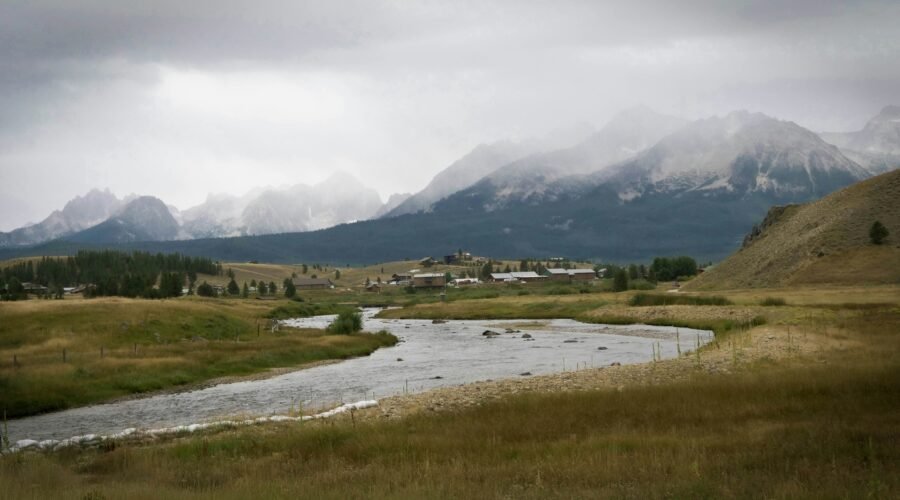
Planning a trip to Stanley on Tasmania’s north-west coast? The best time depends on whether you care most about mild weather, long daylight hours, smaller crowds, lower accommodation rates, wildlife, or a quieter atmosphere. Stanley stays relatively cool even in summer, so it pays to look at the seasons rather than expecting typical Australian beach-town heat.
Quick Answer
For most travellers, November through March is the easiest time to visit Stanley, with the warmest temperatures and longer days. For a good balance of weather, crowds, and value, consider March, November, or early December outside holiday peaks. Winter is quieter and wetter, and The Nut chairlift may be closed.
Key Takeaways
- Best weather: January and February are normally the warmest months, with long-term mean maximums close to 20°C rather than the mid-20s.
- Best overall balance: March and November can offer comfortable sightseeing weather without the strongest summer holiday demand.
- Quietest period: June through August is generally quieter, cooler, wetter, and better suited to travellers who do not mind variable weather.
- The Nut: The walking track remains an option when accessible, but the privately operated chairlift commonly has a seasonal closure between late May and early September.
- Wildlife: Little penguins are generally more active around Stanley from September through March, with responsible viewing essential.
Stanley Weather by Season
Stanley has a cool maritime climate influenced by Bass Strait. Weather can change quickly, and wind can make a mild day feel cooler than the thermometer suggests. Packing layers and a light waterproof jacket is sensible in every season.
Note: The long-term climate figures below come from the Bureau of Meteorology’s Stanley Post Office station. That station closed in 1999, so these figures are historical climate averages rather than a current weather forecast. Check the latest Bureau forecast shortly before your trip.
Stanley’s long-term mean maximum temperature is about 20.2°C in January and 20.6°C in February, while July averages about 12.0°C.
Summer: December to February
- Temperature: Summer is Stanley’s warmest season, but it is generally mild rather than hot. Bureau of Meteorology long-term mean maximums are about 18.8°C in December, 20.2°C in January, and 20.6°C in February.
- Evenings: Mean minimums are roughly 11–13°C, so a light jacket can still be useful after sunset.
- Rain: Summer is generally drier than winter. Long-term mean rainfall is about 42.5 mm in January and 46.9 mm in February, although wet or windy days can still occur.
- Daylight: Long summer days give you more time for The Nut, coastal walks, beaches, Highfield Historic Site, and scenic drives.
- Wind: Stanley is exposed to Bass Strait, so coastal wind is possible even on otherwise pleasant days.
Best for: First-time visitors, walkers, photographers, families, coastal sightseeing, and travellers who want the longest usable days.
Autumn: March to May
- Temperature: March remains mild, with a long-term mean maximum around 19.1°C. Conditions cool through April and May, when average maximums fall to roughly 16.6°C and 14.4°C.
- Rain: Rainfall generally increases as autumn progresses, particularly in May.
- Scenery: The rural landscape can be attractive in softer autumn light. Do not expect widespread deciduous fall colour across the native landscape, but gardens, introduced trees, farmland, and changing seasonal light can still be photogenic.
- Daylight: Days become noticeably shorter as you move toward May.
- Crowds: Outside Easter and other holiday periods, autumn can feel calmer than the height of summer.
March is one of the strongest all-round choices if you want relatively mild weather without relying on the busiest summer holiday period.
Winter: June to August
- Temperature: Winter is cool. Mean maximums are approximately 12.6°C in June, 12.0°C in July, and 12.5°C in August.
- Nights: Long-term mean minimums remain around 6.5–7.2°C. Colder historical extremes have dropped below freezing, but near-freezing temperatures should not be treated as the normal nightly condition in coastal Stanley.
- Rain: Winter is the wettest part of the year in the long-term Stanley record, with monthly rainfall averages of roughly 104–117 mm from June through August.
- Daylight: Shorter days mean you should begin outdoor plans earlier.
- Atmosphere: Winter can deliver dramatic seas, low cloud, strong wind, and quiet streets. It suits travellers who enjoy moody coastal scenery and do not need beach weather.
Warning: Do not assume The Nut chairlift operates throughout winter. Tasmania Parks and Wildlife says closure dates vary from late May to early September. The walking track to the plateau is short but very steep, so check conditions and your own mobility before relying on it as an alternative.
Snow in Stanley itself is rare and should not be part of your trip expectations. Snowfall in Tasmania is more relevant to higher-elevation regions elsewhere on the island.
Spring: September to November
- Temperature: Conditions gradually warm, with long-term mean maximums of about 13.8°C in September, 15.3°C in October, and 17.0°C in November.
- Weather: Spring can switch quickly between sunshine, cloud, wind, and showers. Layers are especially useful.
- Wildlife: Spring marks the beginning of one of the better periods for seeing little penguins around Stanley, and bird activity around The Nut and the coast can also be rewarding.
- Daylight: Days lengthen steadily toward summer.
- Best month: November is particularly attractive if you want warmer weather without committing to the Christmas and New Year period.
Pro Tip: If you want mild conditions, penguin-viewing potential, longer days, and less holiday pressure than late December, look closely at November or March.
If you’re planning several trips and like comparing destinations by weather, crowds, and seasonal costs, you can also read this guide to the best time to visit Sultan Marshes, Kayseri.
Navigating the Crowds: When to Go for Peace and Quiet
Stanley is a small town, so a change in visitor numbers can be noticeable in restaurants, accommodation, parking, and major attractions. There is no single official monthly crowd index for Stanley, so it is better to think in terms of holiday demand, weekends, events, and seasonal travel patterns.
Peak Periods: Summer and Holiday Demand
- When: Expect stronger demand around Christmas, New Year, January school holidays, long weekends, and popular summer weekends.
- What changes: Accommodation choice can narrow, restaurants can become busier, and popular viewpoints may have more visitors.
- Booking: Reserve accommodation earlier if your dates are fixed around late December or January.
- Vibe: Stanley feels livelier and more social during busy summer periods.
Shoulder Seasons: A Strong Balance
- When: March to May and September to November, excluding major holiday weekends or special events.
- Why consider them: These months can combine comfortable sightseeing conditions with less pressure than peak summer.
- Best bets: March and November stand out if weather matters more to you than finding the absolute quietest possible period.
- Vibe: More relaxed, with a better chance of enjoying viewpoints, streets, and restaurants without peak-period demand.
Off-Season: The Quietest Feel
- When: June to August.
- Why it is quieter: Cooler temperatures, increased rainfall, shorter days, and seasonal attraction schedules reduce the appeal for some visitors.
- What to expect: More solitude, but also a greater need to verify opening hours and build flexibility into outdoor plans.
- Best for: Travellers who value quiet streets and atmospheric scenery more than warm weather.
Budgeting Your Trip: When to Find Better Value

Your dates can affect accommodation and car-hire prices, but there is no reliable fixed town-wide “average cost” for each season. Rates change according to the property, day of week, booking lead time, events, holidays, and remaining availability.
Summer Prices
- When: December to February, especially holiday weeks.
- Why prices may rise: More travellers compete for a relatively limited pool of accommodation.
- Ways to save: Compare several properties, book early for fixed holiday dates, consider self-catering, and avoid assuming that the cheapest refundable rate will remain available.
Shoulder-Season Value
- When: March to May and September to November.
- Why it can work: Demand is often less intense outside holidays, yet many outdoor activities remain practical.
- Value: These periods can give you a stronger weather-to-price balance than peak summer, but check live rates rather than relying on a fixed seasonal rule.
Winter Deals
- When: June to August.
- Potential advantage: Some accommodation can be better value when leisure demand is softer.
- Trade-off: You may face shorter opening hours, seasonal closures, wetter weather, and fewer daylight hours.
- Important: A special event or busy weekend can still raise prices, so winter is not automatically the cheapest date for every property.
Note: Treat the crowd and cost labels in this guide as planning tendencies, not measured hotel-rate data. Always compare live accommodation and rental-car prices for your exact dates.
Special Events and Festivals: Unique Times to Visit

Events can change the feel and availability of a small destination quickly. Check current dates before booking because annual programs, venues, and schedules can change.
Stanley and Circular Head Events
- Stanley Harvest: The local Produce and Pantry Market is advertised for the second Sunday of each month, with local producers, makers, food, and live music. Confirm the latest market details before travelling.
- Anzac Day: April 25 is commemorated across Australia, including in Tasmanian communities. If you are visiting Stanley on or around that date, check local notices for service arrangements and changed business hours.
- CHArts 2026: Circular Head Council lists CHArts from September 4 to October 4, 2026, as a month-long celebration of arts, heritage, and community.
- Stanley Bicentenary 2026: Stanley is scheduled to mark 200 years of European settlement with celebrations from October 30 to November 2, 2026. Because this is a one-off event, these dates should not be treated as an annual festival.
Regional Events and Longer Tasmania Itineraries
Several events mentioned in broader Tasmania travel planning are not actually in Stanley, so factor in travel time rather than treating them as nearby evening activities.
- Dark Mofo: The 2026 festival ran in Hobart from June 11 to June 22. Hobart is in southern Tasmania, so Dark Mofo makes sense as part of a multi-region trip rather than as a Stanley day trip. Check Dark Mofo for future dates.
- Junction Arts Festival: The 2026 festival is scheduled for September 17–20 in Launceston. Discover Tasmania places Stanley roughly 225 km, or about 2 hours 30 minutes by road, from Launceston, so consider an overnight stop or route-based itinerary. Check the official Junction Arts Festival website.
- Tamar Valley wine events: The Tamar Valley is associated with Launceston and northern Tasmania rather than Stanley. It can work well in a broader northern itinerary, but it is better treated as a separate touring area than a casual Stanley activity.
- Tarraleah Estate: Tarraleah is in Tasmania’s Central Highlands and is not a Stanley attraction. Its lodge and event spaces can be useful on a larger Tasmania road trip, but they should not influence the timing of a Stanley-only visit. Check Tarraleah Estate events for current information.
If you enjoy comparing seasonal planning across coastal destinations, this guide to visiting Nova Scotia also looks at weather, crowds, and costs.
Stanley Month-by-Month Planning Guide
The weather figures below use Bureau of Meteorology long-term mean maximum and minimum temperatures for Stanley Post Office. Demand and value ratings are practical planning estimates rather than official tourism statistics or guaranteed accommodation prices.
| Month | Typical Weather | Typical Demand | Typical Value |
|---|---|---|---|
| January | About 20.2°C / 12.2°C; relatively dry | High | Usually lower value during holiday demand |
| February | About 20.6°C / 12.9°C; mild and relatively dry | Medium to high | Variable |
| March | About 19.1°C / 11.8°C; mild | Medium | Often good |
| April | About 16.6°C / 10.1°C; cooler, wetter | Low to medium | Often good outside holidays |
| May | About 14.4°C / 8.7°C; cool | Low | Often better |
| June | About 12.6°C / 7.2°C; cool and wetter | Low | Often better |
| July | About 12.0°C / 6.5°C; coolest and wet | Low | Often better |
| August | About 12.5°C / 6.6°C; cool and wet | Low | Often better |
| September | About 13.8°C / 7.4°C; cool and changeable | Low to medium | Often good |
| October | About 15.3°C / 8.3°C; mild but variable | Medium | Variable |
| November | About 17.0°C / 9.6°C; milder, longer days | Medium | Often good |
| December | About 18.8°C / 11.0°C; mild and relatively dry | High near holidays | Variable; often poorer near holidays |
What to Do in Stanley by Season
The best activities change with daylight, wind, rainfall, attraction schedules, and wildlife patterns.
Summer Activities: Make the Most of Long Days
- The Nut: The Nut State Reserve is one of Stanley’s signature attractions. You can reach the plateau by a steep walking track or, when operating, the privately run chairlift. The Nut Summit Circuit is about 2.7 km and is graded as a Grade 3 walk by Tasmania Parks and Wildlife.
- Beaches: Summer is the easiest season for picnics and time on Stanley’s beaches, although Bass Strait water can still feel cold.
- Coastal walks: Longer daylight makes it easier to combine The Nut, heritage streets, beaches, and viewpoints in one day.
- Penguin viewing: Little penguins can be seen around Godfreys Beach after dark, with September through March generally being the more active period.
- Fishing and boating: Do not judge safety by season alone. Check the marine forecast, wind, swell, and operator advice before heading onto the water.
Warning: When watching penguins, stay quiet, keep your distance, avoid flash photography and white lights, and never block their route between the sea and burrows. Disturbance can delay penguins from coming ashore.
Autumn Activities: Scenery, Heritage, and Local Food
- Photography: Cooler light, coastal weather, farmland, heritage buildings, and The Nut provide plenty of variety without needing dramatic fall foliage.
- Highfield Historic Site: The historic property overlooking Stanley is open for self-guided visits and gives useful context to the region’s colonial history.
- Stanley Harvest: If your trip lines up with the second Sunday of the month, check whether the local produce and pantry market is running.
- Scenic drives: Autumn is well suited to exploring Stanley, Smithton, Rocky Cape, and other parts of north-west Tasmania by car.
- Wine touring: If wine is a major goal, treat the Tamar Valley as a separate Launceston-area segment rather than assuming it is a quick Stanley outing.
Winter Activities: Heritage and Dramatic Coastal Weather
- Highfield Historic Site: This is one of the more dependable heritage options for a cooler or wetter day and currently advertises daily opening apart from Christmas Day.
- Stanley Discovery Museum: The museum is an excellent local-history stop, but its regular advertised opening period is September to May. Out-of-season access may be possible by arrangement, so do not rely on walk-in winter opening without checking.
- Genevieve’s Victorian Room: Older Stanley travel material may mention this attraction. Because current authoritative visitor information is difficult to verify, check locally before making it part of a fixed itinerary.
- Pub meals and cafés: A wet or windy afternoon is a good reason to slow down and enjoy local hospitality, but verify winter opening days because individual businesses may reduce hours.
- Dramatic coastline: Winter weather can create powerful coastal scenes. Watch from safe, established viewpoints and stay clear of exposed edges and wave-washed rocks.
- Stargazing: Stanley’s relatively small-town setting can offer dark skies on a clear night, but winter cloud and rain can make stargazing less predictable than the season’s long nights might suggest.
Spring Activities: Wildlife and Longer Days
- Penguin watching: Spring begins the stronger September-to-March viewing period around Godfreys Beach.
- Birdwatching: The Nut State Reserve protects habitat used by short-tailed shearwaters, peregrine falcons, Australian kestrels, little penguins, and other wildlife.
- Wildflowers and vegetation: Look for seasonal growth along public walking areas and reserves rather than entering private property to view gardens or farmland.
- Heritage walks: Increasing daylight makes spring a comfortable season for combining Stanley’s heritage streets with The Nut and the waterfront.
- Scenic touring: November in particular provides a useful transition between the quieter shoulder season and the busier summer period.
Best Time to Visit Stanley by Travel Style
There is no single perfect month for everyone. Your best choice depends on what you want to prioritize.
For the Warmest Weather and Longest Days
- Choose: January or February.
- Why: These are normally Stanley’s warmest months and are well suited to spending most of the day outdoors.
- Be prepared for: Higher holiday demand, coastal wind, and cool evenings despite the summer season.
For the Best Balance of Weather, Crowds, and Value
- Choose: March or November.
- Why: Both can provide milder sightseeing weather without placing you directly in the main Christmas/New Year period.
- Be prepared for: Variable conditions and occasional busy weekends.
For Scenery and a More Relaxed Visit
- Choose: April, May, September, or October.
- Why: These months can feel quieter and are well suited to driving, heritage attractions, photography, and walking when the forecast cooperates.
- Be prepared for: Cooler temperatures, more rain than midsummer, and shorter days in late autumn.
For the Quietest Experience and Potential Savings
- Choose: June to August.
- Why: Winter generally attracts fewer leisure visitors and can offer quieter streets and better-value accommodation at some properties.
- Be prepared for: Rain, wind, short daylight hours, seasonal attraction schedules, and possible Nut chairlift closure.
No matter which season you choose, pack layers and allow some flexibility. Stanley rewards slow exploration, and having a backup indoor plan makes it much easier to enjoy Tasmania’s famously changeable weather.
Frequently Asked Questions
What is the best time to visit Stanley, Tasmania for good weather?
January and February are normally the warmest months, with long-term mean maximum temperatures close to 20°C. If you prefer slightly less holiday demand while keeping reasonably mild weather, March and November are strong alternatives.
When is the peak tourist season in Stanley?
Demand is generally strongest during the summer holiday period, particularly around Christmas, New Year, January school holidays, and popular summer weekends. Book accommodation earlier if you are travelling on fixed dates during those periods.
When is the quietest time to visit Stanley?
June through August is generally the quietest period because the days are shorter, temperatures are cooler, rainfall is higher, and some attractions have seasonal schedules. It suits travellers who value solitude more than warm weather.
Is winter the cheapest time to visit Stanley?
Winter can offer better accommodation value because demand is often softer, but there is no guaranteed cheapest month. Rates vary by property, weekend, event, booking lead time, and availability, so compare live prices for your exact dates.
Does The Nut chairlift operate in winter?
Not necessarily. Tasmania Parks and Wildlife says closure dates for the privately operated chairlift vary from late May to early September. Check current operating information before your visit. The walking route is short but very steep.
What is the best time to see penguins in Stanley?
Little penguins can be viewed from the Godfreys Beach area, with September through March generally being the more active period. Arrive around dusk, remain quiet, avoid flash and white lights, keep your distance, and never block the birds’ path.
What is the best month to avoid crowds without getting winter weather?
March and November are two of the strongest choices. March remains relatively mild after the main summer holiday period, while November offers lengthening days and warmer spring conditions before the late-December holiday rush.
Sources
- Bureau of Meteorology — Stanley Post Office climate statistics — long-term monthly temperatures and rainfall.
- Tasmania Parks and Wildlife Service — The Nut State Reserve — walking information, chairlift seasonality, access, wildlife, and safety.
- Tasmania Department of Natural Resources and Environment — Penguin Watching Guidelines — responsible little-penguin viewing.
- Discover Tasmania — Stanley — official destination information and travel distance from Launceston.
- Tasmania Parks and Wildlife Service — Highfield Historic Site — current visitor and opening information.
- Circular Head Council — Events Calendar — current Stanley and Circular Head event information, including 2026 dates.