When Is the Best Time to Visit Stowe, Vermont?
The best time to visit Stowe, Vermont is late September through early October for fall foliage, January through March for skiing, or June through September for hiking and outdoor activities. May and November can suit quieter, budget-focused trips, but seasonal closures and trail conditions matter.
Stowe has four distinct seasons, and the experience changes considerably throughout the year. Use this guide to compare weather, crowds, lodging demand, outdoor activities and attraction availability before choosing your travel dates.
Last updated: September 23, 2026.
Quick Answer
For most travelers, the best time to visit Stowe, Vermont is late September through early October for fall foliage, January through March for skiing, or June through September for green scenery and outdoor recreation. May and November can offer lighter crowds and lower lodging demand, but expect more variable weather and reduced seasonal operations.
Key Takeaways
- Best for fall foliage: Usually late September through early October, with higher elevations changing first and valley color often lasting longer.
- Best for skiing: January through March generally offers a stronger chance of established snow coverage than the beginning or end of the ski season.
- Best for hiking and biking: June through September, after spring mud season and before colder late-fall weather.
- Best for fewer crowds: May, early June, late October after peak color, and November.
- Best for lower lodging demand: Spring and post-foliage late fall, although some attractions may have reduced hours or be closed.
Best Time to Visit Stowe by Trip Goal
Choose your dates according to your main activity. Stowe’s foliage, ski and summer recreation seasons offer different experiences, and there is no single month that guarantees ideal conditions for all three.
| Your Priority | Best Time | What to Expect |
| Fall foliage | Late September to mid-October | Brilliant color, high demand, busy weekends |
| Skiing and snowboarding | January to March | Cold weather, established winter conditions, busy ski weekends |
| Hiking and biking | June to September | Green mountains, long days, generally better trail conditions |
| Fewer crowds | May, early June, late October and November | Quieter town, but seasonal closures are more likely |
| Warm weather | July and August | Warm afternoons, outdoor events, popular vacation period |
| Budget-focused trip | May or November | Lower demand, variable weather, fewer seasonal attractions |
Choose late September or early October if foliage is your priority. January through March is the main planning window for skiing, while June through September suits most warm-weather outdoor activities. May and November can be attractive for a quieter trip if your preferred attractions are open.
How to Choose Your Dates
- For fall foliage: Check current color reports and compare mountain and valley locations.
- For skiing: Check open terrain, lift operations and the mountain forecast rather than relying on calendar dates alone.
- For spring hiking: Follow trail closures and avoid saturated mountain trails.
- For summer sightseeing: Confirm the operating schedule for mountain rides and other seasonal attractions.
- For a budget trip: Compare lodging for your exact dates and check which activities are available.
Stowe by Season: Weather, Crowds and Costs
Stowe experiences four very different seasons. The season you choose affects the scenery, outdoor activities, road conditions, crowds, lodging demand and even which attractions are operating.
Summer in Stowe: Green Mountains and Outdoor Activities
Summer in Stowe brings green mountain scenery, long daylight hours and a wide range of outdoor activities. Hiking, mountain biking, paddling, scenic rides and exploring Stowe village are all popular.
- Weather: Summer afternoons are generally warm rather than extremely hot. NOAA’s 1991–2020 climate normals provide a useful long-term reference, but mountain conditions can differ considerably from nearby valleys. Bring a rain layer and something warmer for evenings.
- Crowds: July and August are popular vacation months. Weekends, events and holiday periods can make trails, restaurants and attractions busier.
- Costs: Lodging demand is stronger than during spring or November. Booking early gives you a wider choice of rooms, especially for weekends and major events.
For an easy outdoor activity, consider the Stowe Recreation Path. This free, 5.3-mile paved route connects the historic village with scenic areas along the Little River. It has several access points, so you can walk or bike a shorter section rather than completing the entire route.
Fall in Stowe: Peak Foliage Season
Fall is one of Stowe’s most sought-after seasons. Forests across the Green Mountains shift from green to yellow, orange and red, while cooler days make scenic drives and hikes especially appealing.
- Weather: September can still produce mild afternoons, while October becomes noticeably cooler. Frost becomes more likely as fall progresses.
- Crowds: Peak foliage weekends can be among the busiest periods of the year. Parking, restaurant reservations and lodging availability can become tight.
- Costs: Expect strong lodging demand during the best foliage weeks. Late October becomes quieter once the main color display fades.
Go Stowe identifies the last week of September and first week of October as the typical peak-color period. The exact timing changes each year, and higher elevations often peak before the village.
Winter in Stowe: Skiing and Snow Sports
Winter turns Stowe into a major ski destination. Stowe Mountain Resort operates terrain on Mount Mansfield and Spruce Peak, while the surrounding area also offers cross-country skiing, snowshoeing and other winter activities.
- Weather: Cold temperatures, snow and icy roads are normal parts of a Stowe winter. Mountain conditions can differ substantially from those in the village. Check the mountain forecast before heading out.
- Crowds: Christmas through New Year’s, holiday weekends and school-break periods can be especially busy. Ordinary weekdays are usually easier than Saturdays.
- Costs: Ski-season lodging and lift access can be expensive, particularly during major holidays and high-demand weekends.
Spring Weather and Mud Season
Spring is a transition rather than one single weather pattern. March can still feel fully wintry on the mountain, April may combine spring skiing with thawing valleys, and May brings greener scenery but also Vermont’s famous mud season.
- Weather: Expect large swings. Snow, rain, mild sunshine and chilly nights can all occur during spring.
- Crowds: Tourism generally drops after the ski season and before summer, making late spring quieter than July, peak foliage or major winter weekends.
- Costs: Lodging demand is often lower during this period, making spring attractive for travelers who value price and quiet more than guaranteed attraction availability.
The Green Mountain Club advises hikers to avoid saturated high-elevation trails until they dry, typically around Memorial Day. Conditions vary, so follow current notices rather than treating that weekend as a guarantee.
If you’re planning a Stowe trip during spring or late fall, check attraction hours before committing to your dates. Mountain rides, scenic roads, restaurants and other seasonal services may operate on reduced schedules between Stowe’s major tourism seasons.
When Is Peak Fall Foliage in Stowe, Vermont?
If fall color is the main reason for your trip, avoid choosing dates from a fixed annual rule. Vermont’s foliage develops differently each year, and elevation can make one part of Stowe look very different from another on the same day.
When Do the Leaves Change Color?
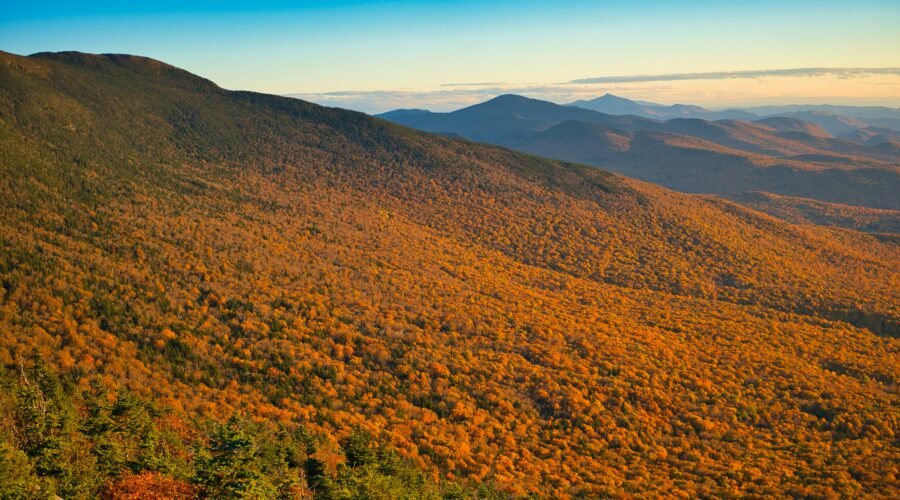
The most useful planning window for Stowe is generally late September through mid-October, with peak color often arriving around the last week of September and first week of October. Vermont Tourism notes that higher elevations change first, while lower valleys can hold color later.
Check the Vermont Tourism foliage forecaster and current local reports shortly before your trip rather than relying only on historical dates.
- Temperature: Cool nights and shorter daylight hours help trigger the seasonal color change.
- Rain and wind: Weather can affect how quickly leaves change and how long they remain on trees. Strong wind or heavy rain can shorten an otherwise excellent display.
- Elevation: Higher elevations usually change before the valleys.
- Tree species: Maple, birch, beech and other deciduous trees change at different rates, which is why Stowe rarely reaches one single uniform color stage.
Pro Tip: If you can stay several days, include both mountain and valley viewpoints. Higher elevations may be past peak while lower areas still have strong color, or vice versa.
Where Should You Look for Fall Color?
Mount Mansfield and Smugglers’ Notch provide higher-elevation scenery, while Stowe Village and the surrounding valleys offer lower-elevation views. The Stowe Recreation Path is another option for viewing fall color without committing to a mountain hike.
Use current foliage reports to choose between these locations. A mountain viewpoint may be colorful before the village reaches its strongest display, while valley foliage may linger after the highest slopes have lost their leaves.
How Can You Avoid Peak Foliage Crowds?
Beautiful foliage also brings heavy demand, particularly on weekends during the strongest color period.
- Weekend rush: Scenic roads, parking areas and restaurants can become busy.
- Midweek advantage: A Monday-through-Thursday stay can reduce traffic and make dining and lodging easier to manage.
- Book early: Reserve lodging as soon as your dates are firm if you are targeting a prime foliage weekend. There is no universal number of months that guarantees a better rate, but waiting until the last minute can sharply reduce your choices.
How Much Does a Fall Trip to Stowe Cost?
Foliage is free to enjoy, but the demand it creates affects lodging and some paid attractions.
- Lodging premiums: Hotels, inns and vacation rentals may charge some of their strongest rates during peak-color weekends.
- Activity costs: Scenic gondola rides and other paid attractions add to your trip cost, and operating schedules can change with the season.
- Late-season value: Late October can be quieter and less expensive after the main foliage rush, although many higher-elevation trees may already be bare.
When Is the Best Time to Ski in Stowe?

If your ideal Stowe trip revolves around skiing and snowboarding, January through March is generally the most dependable planning window. The resort’s actual opening date, closing date and available terrain change from year to year.
Snow Conditions and Winter Weather
Stowe’s ski season often extends from late fall into spring, but opening dates, closing dates and available terrain depend on weather and resort operations. January through March generally offers a stronger chance of established snow coverage than the beginning or end of the season.
- Snowfall: Mount Mansfield receives substantial snowfall, but annual totals vary. Check the resort’s current report rather than relying on a historical season total.
- Temperatures: January and February are typically very cold. Dress in moisture-managing base layers, an insulating layer and weather-resistant outerwear.
- Best snow window: January through March usually provides a stronger chance of established coverage than very early or very late season.
- Season length: Verify the current Stowe Mountain Resort snow and weather report before purchasing time-sensitive travel arrangements.
The resort’s report provides information about snowfall, weather and mountain operations. Check open terrain and lift status as well as the forecast, because conditions at Mount Mansfield can differ from those in the surrounding valley.
When Are Stowe’s Ski Slopes Busiest?
- Holiday peaks: Christmas through New Year’s is a high-demand period.
- Holiday weekends: Martin Luther King Jr. and Presidents’ Day weekends can also bring heavier traffic and lodging demand.
- Midwinter weekdays: January and February weekdays generally give you a better chance of shorter lines than Saturdays or holiday periods.
- March: March can offer a good mix of established snow coverage, longer daylight and occasional milder weather, although conditions vary.
How Much Does a Winter Trip to Stowe Cost?
- Lift access: Buying lift access in advance can provide better availability than waiting until arrival. Stowe notes that lift tickets can be limited.
- Accommodation: Expect stronger rates during holiday weeks and popular ski weekends.
- Equipment rentals: Add skis or snowboard, boots, helmet and other rental needs to your trip budget if you do not own gear.
- Early and late season: Late November, early December and April can sometimes offer lighter demand, but snow coverage and open terrain are less predictable.
Note: Vermont Route 108 through Smugglers’ Notch may be closed during winter weather. Do not assume you can drive through the Notch between Stowe and the western side of the mountains. Check the official Vermont e511 road conditions service before departure.
When Is the Quietest Time to Visit Stowe?

Stowe’s shoulder periods can provide lower demand and a slower pace, but they come with trade-offs. In spring, mud can limit hiking. In late fall, foliage may be gone and some attractions may pause before winter.
May and Early June: Quieter Spring Travel
May and early June can be attractive if you prefer green scenery, quieter lodging and fewer visitors than in midsummer. However, early May is not automatically ideal for mountain hiking.
- Weather: Frost, rain and chilly evenings remain possible in May. Conditions become more consistently mild as June approaches.
- Crowds: Visitor numbers are generally lighter than during summer, foliage season and major ski periods.
- Costs: Lower seasonal demand can create better lodging value.
- Activities: Village walks, scenic drives and durable low-elevation routes may be better choices while mountain trails remain saturated.
Warning: Vermont’s spring mud season commonly extends from snowmelt into May. The Green Mountain Club asks hikers to avoid muddy high-elevation trails and follow posted closures until trails dry. In 2026, the main hiking season began around Memorial Day weekend. Future opening conditions may differ.
During mud season, the paved Stowe Recreation Path offers an alternative to saturated mountain trails. It is free, open year-round and accessible from several points around town. Follow current trail notices before heading to higher elevations.
Late October and November: Post-Foliage Calm
Once the strongest foliage passes, Stowe enters what Vermonters often call “stick season.” It is much quieter than peak foliage, but the experience is different.
- Weather: Expect cool days, frosty nights and an increasing chance of snow as November progresses.
- Crowds: Visitor demand generally falls after the foliage rush and before full winter operations begin.
- Costs: Lodging may be easier to find at lower rates than during peak foliage or ski holidays.
- Trade-off: Some seasonal attractions, mountain services and restaurants may reduce hours or temporarily close.
If value and quiet matter more to you than perfect foliage or guaranteed skiing, late fall can be a good period for an unhurried getaway. Confirm operating hours before traveling so you know which activities will actually be available.
What Is the Cheapest Time to Visit Stowe, Vermont?
May and November are useful starting points for budget-focused travelers because they fall between Stowe’s main tourism seasons. However, there is no guaranteed cheapest month for every property. Rates depend on the exact dates, accommodation type, weekends and local events.
| Month | Typical Trip Style | Crowd Level | Relative Cost |
|---|---|---|---|
| January | Cold, snowy, skiing | Medium; high on weekends/holidays | High |
| February | Prime winter sports | Medium to high | High |
| March | Skiing and early spring | Medium | Medium to high |
| April | Spring skiing, thaw, rain | Low to medium | Low to medium |
| May | Quiet spring, mud season | Low | Low |
| June | Green scenery, hiking, biking | Low to medium | Medium |
| July | Warm weather, outdoor activities | High | High |
| August | Warm weather, events | High | High |
| September | Mild weather, early foliage | Medium to high late in month | Medium to high |
| October | Peak foliage, then late-fall calm | High early; lower late | High early; lower late |
| November | Stick season, possible early snow | Low | Low |
| December | Early winter and holidays | Medium; very high during holidays | Medium to high |
The crowd and cost categories above are general seasonal planning estimates, not measured hotel occupancy figures or live price quotes. Compare accommodation rates for your actual travel dates.
Accommodation Costs: Where Should You Stay?
- Peak periods: Foliage weekends, Christmas/New Year’s, school-break ski weekends and popular summer event dates can command higher nightly rates.
- Quieter periods: May and November often provide opportunities for savings, but seasonal attraction availability may be lower.
- Weekday vs. weekend: Traveling Sunday through Thursday can often reduce both crowd pressure and lodging costs.
- Booking strategy: Book as soon as your plans are firm for high-demand weekends. Avoid treating any fixed booking window as a guarantee of lower rates.
Compare lodging location as well as price. A village stay suits dining and town walks, while accommodation closer to the mountain may be more convenient for ski-focused days. Check transport arrangements before booking.
Activity and Dining Expenses
- Summer: Hiking and exploring town can cost little, while gondola rides, rentals, guided activities and paid attractions increase your budget.
- Fall: Scenic drives and foliage viewing are free, but lodging demand and paid mountain attractions can make the trip expensive.
- Winter: Lift access, equipment rentals, lessons and slopeside dining make skiing the most equipment-intensive season.
- Spring: Lower demand can reduce lodging costs, but fewer seasonal activities may be operating.
How to Get Better Value From Your Trip
To get more value from a Stowe visit, match your spending to the part of the trip you care about most.
- Stay flexible: Move your visit to weekdays when possible.
- Book high-demand dates early: This matters most for foliage weekends, ski holidays and special events.
- Compare packages: Lodging properties and the resort may offer packages or advance-purchase options at different times of year.
- Explore local options: Mix paid attractions with village walks, scenic drives and the free Stowe Recreation Path.
- Check before paying: Confirm that seasonal rides, roads, restaurants and activities are actually operating on your travel dates.
Seasonal Events and Attraction Hours
Stowe has events throughout the year, but event names and dates change. Instead of planning around an old festival list, use the current Go Stowe signature-events calendar.
Seasonal mountain attractions also have their own opening and closing schedules. For example, Stowe’s Gondola SkyRide and Auto Toll Road operate seasonally rather than year-round.
2026 Published Mountain Attraction Schedule
As listed by Stowe Mountain Resort during the September 2026 review:
- Gondola SkyRide: June 21 through October 18, 2026, weather permitting.
- Scenic Auto Toll Road: May 24 through October 18, 2026, weather permitting.
These dates apply to the published 2026 schedule and should not be assumed for later years. Check the resort’s official hours of operation immediately before your trip.
Frequently Asked Questions
What is the best time to visit Stowe, Vermont for favorable weather?
June through September generally offers the easiest weather for walking, hiking, biking and sightseeing. July and August are warmest, while June and early September may feel more comfortable if you prefer milder temperatures.
When is the best time to visit Stowe to avoid crowds?
May and November are among the quietest periods, while early June and late October after peak foliage can also be calmer. The trade-off is that some seasonal attractions may have limited hours or be closed.
What is the cheapest time to visit Stowe, Vermont?
Spring and the post-foliage period in November usually have lower tourism demand than peak ski, summer and foliage dates. Compare lodging for your exact dates because weekends and special events can still change rates.
When is peak tourist season in Stowe?
Stowe has several peak periods rather than one continuous peak season. Fall foliage weekends, Christmas and New Year’s, major ski weekends, and popular July-August dates can all create heavy demand.
Is September or October better for Stowe fall foliage?
Late September and early October often give you the best balance, but foliage varies every year. Higher elevations tend to change first, while valleys can retain color later. Check the Vermont foliage tracker close to your trip.
When is the best time to ski in Stowe?
January through March generally provides the best chance of established winter coverage. Resort opening, terrain availability and closing dates depend on weather, so check the official Stowe conditions report before traveling.
Is May a good time to hike in Stowe?
It depends on trail conditions. Vermont’s spring mud season can extend into May, and hikers are asked to avoid muddy or seasonally closed high-elevation trails. Late May and June are usually better choices once trails have dried.
Can you drive through Smugglers’ Notch in winter?
Do not assume so. Vermont law allows the Smugglers’ Notch segment of Route 108 to be closed during winter weather. Use an alternate route when the Notch is closed and verify road conditions before driving.
Sources
- Vermont Tourism Foliage Forecaster — seasonal foliage progression and typical peak timing.
- Go Stowe Fall Foliage Guide — typical local peak timing, elevation effects and viewing opportunities.
- Stowe Mountain Resort Fall Foliage Guide — Stowe-area foliage timing and elevation effects.
- Stowe Mountain Resort Snow and Weather Report — current conditions and mountain weather information.
- Stowe Mountain Resort Hours of Operation — published seasonal attraction schedules.
- NOAA U.S. Climate Normals — official long-term climate reference data.
- Green Mountain Club Mud Season Guidance — Vermont spring trail conditions and recommendations.
- Go Stowe Recreation Path Guide — path length, access and year-round activities.
- Vermont Statutes: Route 108 at Smugglers’ Notch — winter closure authority and vehicle restrictions.
- Vermont e511 Road Conditions — current road conditions and closure information.
Final Recommendation: Choose Your Stowe Season
For a first visit focused on classic Vermont scenery, plan around late September or early October and check current foliage reports. Choose January through March for skiing, or June through September for hiking, biking and warmer-weather sightseeing. May and November can suit a quieter getaway, but confirm trail access and attraction hours before booking. Whatever the season, check the latest weather, resort and road conditions as your travel dates approach.