Planning a trip to Tidbinbilla Nature Reserve in the Australian Capital Territory? The best time to visit depends on whether you want comfortable walking weather, fewer people, spring wildflowers, or a chance to see Australian wildlife. Spring and autumn are excellent starting points, but there is plenty to enjoy throughout the year.
Quick Answer
The best time to visit Tidbinbilla Nature Reserve is generally March to May or September to November. These months offer comfortable conditions for walking and wildlife watching. Visit on a weekday outside school holidays for a potentially quieter experience, and arrive early for pleasant temperatures and opportunities to observe kangaroos, birds, and other native animals.
Key Takeaways
- Best overall seasons: Autumn and spring offer comfortable conditions for most visitors.
- Best time for wildlife: Early morning and late afternoon are useful times to look for kangaroos and wallabies.
- Best place for koalas: Visit the Eucalypt Forest and follow the Koala Path.
- Best option for quieter trails: Try a weekday outside school holidays and major public holidays.
- Best family activity: Explore the Sanctuary wetlands, enjoy a picnic, and visit the Nature Discovery Playground.
- Before leaving: Check operating hours, current fees, weather conditions, and park alerts.
Best Time to Visit Tidbinbilla Nature Reserve by Season
Tidbinbilla experiences four distinct seasons. Each offers a different way to enjoy the reserve, from sunny summer walks to frosty winter mornings.
The weather figures below are based on regional Canberra climate conditions. Temperatures can differ within Tidbinbilla, especially in exposed areas and at higher elevations. For historical regional averages, consult the Bureau of Meteorology’s Canberra Airport climate statistics.
Summer: December to February
Summer brings warm to hot days and long daylight hours. Canberra Airport’s historical average maximum temperatures are approximately 27–30°C during these months, although individual days can be considerably hotter.
This is a good season for picnics, shorter walks, and exploring shaded parts of the reserve. However, extended bushwalks become less comfortable during the hottest part of the day.
Plan outdoor activities early, carry enough drinking water, and use sun protection. Avoid strenuous hiking during extreme heat.
Kangaroos and wallabies may be easier to observe during the cooler parts of the day. You can also look for birds around the wetlands and forest areas.
Summer is a popular time for family outings, particularly during the December and January school holiday period. Arriving early can make parking and planning easier.
Autumn: March to May
Autumn is one of the most comfortable seasons for exploring Tidbinbilla.
Regional average daytime maximum temperatures gradually fall from around 25°C in March to approximately 17°C in May. This makes longer walks more manageable than they may be during summer heat.
Cool mornings and mild afternoons are well suited to bushwalking, photography, wildlife watching, and picnics.
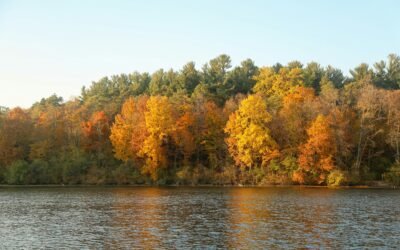
Some deciduous trees around the wider Canberra region develop autumn colours, while Tidbinbilla’s native forests and grasslands retain much of their characteristic Australian bushland appearance.
Trail conditions still depend on recent rain. Do not assume that every walking track will be dry simply because it is autumn.
For a relaxed visit, consider a weekday in March, April, or May, avoiding Easter and school holiday periods when possible.
Winter: June to August
Winter brings cold mornings, frequent frost, and shorter daylight hours.
Canberra’s regional average maximum temperatures are approximately 13°C in June, 13°C in July, and 14°C in August. Overnight temperatures can approach freezing.
The colder weather creates a different atmosphere across the reserve. Frosty grasslands, quiet walking tracks, and clear winter skies can make photography especially rewarding.
Winter is suitable for visitors who enjoy cooler conditions and are comfortable dressing in warm layers.
Wear a warm jacket, covered footwear, and gloves when needed. Take extra care on wet or frosty surfaces.
Koalas can be observed in their designated habitat throughout the year, but winter does not guarantee easier sightings. The Eucalypt Forest remains a more useful destination than relying on the season alone.
Remember that the reserve closes earlier during standard time, so plan your return before the gates close.
Spring: September to November
Spring is another excellent time to visit Tidbinbilla Nature Reserve.
Regional average daytime maximum temperatures rise from around 18°C in September to approximately 25°C in November.
Native plants begin their spring growth, and wildflowers can add colour to suitable habitats. Conditions are generally pleasant for walking, although spring weather can change quickly.
Birdwatching can be rewarding during the warmer months. Visitors may also see kangaroos and wallabies with young, depending on the animals and time of year.
Bring a light jacket, sunscreen, and a raincoat. A cool morning can turn into a warm afternoon.
Spring school holidays and weekends may attract additional visitors, particularly to popular family areas.
Navigating the Crowds: When to Go for Peace and Quiet
Tidbinbilla is a popular day-trip destination for Canberra residents and visitors exploring the region.
Although the reserve does not publish a reliable month-by-month crowd forecast, choosing your day and arrival time can help you plan a more relaxed visit.
School Holidays: Popular Family Visiting Periods
School holidays are an important consideration, especially around family-friendly locations such as the Sanctuary and Nature Discovery Playground.
The main ACT public school holiday periods generally occur during summer and between the four school terms.
Check the ACT Government’s official school term and public holiday calendar before choosing your dates.
Holiday activities and ranger programs can also attract visitors to particular areas of the reserve.
If you prefer a quieter experience, consider visiting outside these periods or arriving earlier in the day.
Long Weekends and Public Holidays
Long weekends and public holidays are popular opportunities for day trips.
Parking areas, picnic facilities, and popular wildlife-viewing locations may be busier than on an ordinary weekday.
If your visit falls on a holiday, start early and allow extra time for parking and moving between different areas of the reserve.
Do not assume that every public holiday has standard operating arrangements. Check the official visitor information before travelling.
Midweek Visits: A Quieter Option
For visitors who enjoy peaceful walks and photography, a weekday outside school holidays is a sensible choice.
Tuesday, Wednesday, and Thursday are worth considering, although actual visitor numbers vary with weather, events, and local travel patterns.
Quieter conditions can make it easier to spend time watching birds, scanning the trees for koalas, or enjoying the wetlands without feeling rushed.
Wildlife sightings are never guaranteed, regardless of how quiet the reserve is.
Pro Tip: Plan your most important wildlife stop first, then leave the picnic areas and longer walks for later. This gives you flexibility if the weather changes or an animal takes time to appear.
Weather Considerations: What to Wear and Bring
Tidbinbilla’s weather can change quickly, particularly in exposed locations and higher parts of the reserve.
Checking the forecast before leaving Canberra is essential. Dress for the conditions you may encounter during the entire visit, not just the weather when you arrive.
Summer: Protect Yourself From Heat and Sun
Wear light, breathable clothing and sturdy walking shoes. Bring a wide-brimmed hat, sunglasses, sunscreen, and enough water for your planned activities.
- Clothing: Lightweight shirts and comfortable trousers or shorts.
- Sun protection: Hat, sunscreen, and sunglasses.
- Water: Carry drinking water, especially on longer walks.
- Best walking approach: Start early and avoid strenuous activity during extreme heat.
For longer bushwalks, carry additional water and food rather than relying on facilities along the track.
Autumn and Spring: Dress in Layers
Autumn and spring are comfortable for most outdoor activities, but morning and afternoon temperatures can differ considerably.
- Clothing: T-shirt, long-sleeved layer, light fleece, or jacket.
- Footwear: Comfortable, covered walking shoes.
- Weather protection: A lightweight rain jacket.
- Other essentials: Water, sunscreen, and a hat.
Layering makes it easier to adjust as the temperature changes.
Winter: Prepare for Frost and Cold
Winter visitors should bring warm clothing, especially for early starts and longer walks.
- Base layers: Thermal clothing if needed.
- Outer layers: Warm fleece or jumper and a wind-resistant jacket.
- Accessories: Beanie, gloves, and warm socks.
- Footwear: Sturdy walking shoes with suitable grip.
Check conditions after rain or frost, and allow sufficient daylight to complete your walk.
Warning: Tidbinbilla may close during Total Fire Bans, severe weather, or management operations. Check Parks ACT alerts and the official Tidbinbilla visitor information before travelling. Never enter a closed area.
Cost of Visiting Tidbinbilla: Entry Fees and Passes
Tidbinbilla Nature Reserve charges admission for several visitor categories. The fee helps support the reserve and its visitor services.
For most people travelling by car, admission is charged per vehicle rather than separately for every passenger.
Current Entry Fees
The official fee schedule checked on September 24, 2026, lists the following prices in Australian dollars.
| Entry category | Day pass | Annual pass |
|---|---|---|
| Private vehicle, up to 8 seats | $16.09 | $45.70 |
| Private vehicle, seniors/concession | $9.66 | $31.21 |
| Motorcycle | $6.01 | $23.41 |
| Motorcycle, seniors/concession | $6.01 | $16.72 |
These are published rates at the time of review and may change. Confirm the latest prices through the official entry-fee page.
Where to Pay
Day passes can be purchased online through the official reserve website or at the Tidbinbilla Visitor Centre during opening hours.
If you are arriving before the Visitor Centre opens, arranging your pass online in advance can simplify your visit.
Concessions and Annual Passes
Seniors and eligible concession holders can use the published concession categories.
Regular visitors may benefit from a Tidbinbilla Annual Pass, which is valid for one year from the purchase date.
The annual pass is worth considering if you plan to visit several times rather than making a single day trip.
Check the conditions of your pass before assuming it provides entry to other ACT parks or reserves.
Other Expenses to Consider
Your total visiting cost may include more than admission.
- Transport: Fuel and vehicle expenses for the journey from Canberra.
- Food: Picnic supplies, snacks, and drinks.
- Equipment: Walking gear or other items you need for your activities.
- Optional experiences: Some guided activities and special programs may have separate booking requirements or fees.
Bringing a picnic is a practical way to manage your spending.
What Your Entry Fee Supports
Maintaining a nature reserve involves conservation work and the upkeep of visitor facilities.
At Tidbinbilla, these activities include habitat management, wildlife conservation, walking-track maintenance, visitor information, and educational programs.
Visitors can help protect the reserve by following the rules, staying on marked tracks, and taking rubbish home.
Opening Hours and When to Arrive
Opening hours are particularly important when planning early-morning wildlife watching or a longer afternoon hike.
According to the official reserve information, the standard hours are:
- During Australian Eastern Standard Time: 7:30 am to 6:00 pm.
- During Australian Eastern Daylight Time: 7:30 am to 8:00 pm.
- Visitor Centre: 9:00 am to 5:00 pm.
The reserve and Visitor Centre close on Christmas Day. Additional closures can occur because of Total Fire Bans, severe weather, or operational requirements.
Leave enough time to drive out before the gates are locked. The closing time is not the time to begin your return journey from a distant walking track.
Note: Reserve opening hours follow the applicable standard-time or daylight-saving period, not simply a fixed calendar definition of summer and winter. Confirm the current schedule before your visit.
Wildlife Viewing: Timing Your Encounters
Tidbinbilla provides opportunities to observe Australian wildlife in a range of habitats, including open grasslands, forests, and protected wetlands.
The most useful approach is to match your wildlife interests with the appropriate part of the reserve rather than relying on a particular month alone.
Seasonal Wildlife and Visitor Planning Guide
| Month | Typical conditions | Visiting considerations | Wildlife focus |
|---|---|---|---|
| January | Warm to hot | Summer holidays and heat management | Kangaroos and birds during cooler hours |
| April | Mild days and cooler mornings | Comfortable walking conditions; check Easter dates | Koalas, kangaroos, and wetland wildlife |
| July | Cold, with possible morning frost | Warm clothing and shorter daylight hours | Koala Path and birdwatching |
| October | Mild to warm, with variable spring weather | Good walking weather; school holidays may affect visitor numbers | Birds, kangaroos, and spring wildlife activity |
Kangaroos and Wallabies: Active Throughout the Year
Kangaroos and wallabies are among the animals visitors hope to see at Tidbinbilla.
Open grasslands and the edges of woodland provide useful places to look. These animals are often active during cooler periods, particularly early morning and late afternoon.
- When to look: Early morning or late afternoon.
- Where to look: Open grasslands and suitable areas beside walking tracks.
- How to watch: Remain quiet and observe from a respectful distance.
Animals may rest in shaded areas during hot weather.
Never approach, feed, or attempt to touch wildlife.
Koalas: Look for Them in the Eucalypt Forest
Tidbinbilla has a long history of koala conservation and breeding.
The Eucalypt Forest is a protected habitat containing breeding and free-ranging koalas.
The 700 m Koala Path provides a designated viewing opportunity. A longer 1.8 km Peppermint Trail also explores the surrounding forest environment.
Look carefully into eucalyptus trees. Koalas can be difficult to spot because their fur blends with the bark and foliage.
- Recommended location: Eucalypt Forest.
- Short walking option: Koala Path, approximately 700 m.
- Longer option: Peppermint Trail, approximately 1.8 km.
- Viewing advice: Move slowly, scan the branches, and allow plenty of time.
Koalas are present throughout the year, but sightings depend on where the animals are resting and moving.
Platypus: Explore the Sanctuary Wetlands
Platypus are one of Tidbinbilla’s most interesting wildlife-viewing opportunities.
The Sanctuary contains interconnected ponds and protected habitat supporting platypus and other native animals.
Follow the Sanctuary Loop, a 2.1 km pathway through the wetlands.
Stop at suitable viewing areas and watch the water quietly. Look for movement or ripples without approaching the water’s edge unnecessarily.
Early morning and late afternoon are sensible times to try, although platypus are not guaranteed to appear.
Birdlife: A Year-Round Attraction
Tidbinbilla’s wetlands, forests, and grasslands support a wide variety of birds.
The Sanctuary is especially useful for visitors interested in waterbirds, while forest walks provide opportunities to observe other species.
- When to visit: Early morning is often rewarding for birdwatching.
- Where to look: Sanctuary wetlands, woodland edges, and forest trails.
- What to bring: Binoculars and a camera with a suitable zoom lens.
Spring and summer can provide opportunities to observe seasonal bird activity, while resident species can be seen throughout the year.
Reptiles: Watch From a Safe Distance
Lizards and snakes may be active during warmer weather.
Because reptiles depend on external heat sources to regulate their body temperature, sunny conditions can increase the chance of seeing them basking.
Look carefully along tracks and around suitable rocky habitats.
Never approach, handle, or disturb a snake. Give reptiles space and allow them to move away naturally.
Planning Your Itinerary: Making the Most of Your Visit
Tidbinbilla offers everything from short nature walks to demanding mountain hikes.
Choose activities based on the weather, the time available, and the ability of everyone in your group.
Short Walks and Easy-Access Trails
Several well-marked trails provide opportunities to explore the reserve without committing to a full-day hike.
Useful options include:
- Sanctuary Loop: 2.1 km, approximately 30 minutes. A flat wetland walk with wheelchair-friendly paths and boardwalks. Assistance may be needed for some wheelchair users.
- Koala Path: 700 m, approximately 20 minutes. A short walk through the protected koala habitat. Assistance is recommended for wheelchair users because of some steeper gradients.
- Turkey Hill Trail: 500 m, approximately 15 minutes. A short walk with grassland views and opportunities to look for kangaroos.
- Black Flats Dam: 600 m return, approximately 15 minutes. A peaceful walk to a location where platypus and turtles may be observed.
For visitors with limited mobility, the Sanctuary is an especially useful starting point.
The reserve also provides accessible facilities and mobility equipment. Read the official accessibility information before choosing a route.
Longer Bushwalks for the Adventurous
Visitors looking for a longer walk can explore routes that reach deeper into the bushland or climb towards the surrounding ranges.
Some options include:
- Birrigai Time Trail: 3 km loop, approximately 1 hour. Includes rough surfaces, steep sections, and steps.
- Congwarra Trail: 3.1 km loop, approximately 1 hour. Follows the river through grassland and shrubland.
- Cascades Trail: Approximately 2–2.6 km, with a longer option involving a steep climb.
- Gibraltar Peak: Approximately 8.2 km return, taking around 3–4 hours. A more demanding walk requiring suitable preparation.
These walking distances and estimated times are published in the official Tidbinbilla walking-trail guide.
Allow extra time if you are walking with children, stopping for photographs, or taking regular breaks.
The Birrigai Time Trail also provides opportunities to learn about Ngunnawal culture and the significant Birrigai Rock Shelter. Stay on marked tracks and respect cultural sites.
Visitor Centre and Educational Opportunities
The Tidbinbilla Visitor Centre is a useful starting point for your trip.
It provides visitor information and guidance about the reserve’s attractions, wildlife, and walking opportunities.
Visit the centre to obtain information about current conditions and available activities.
Ranger-guided activities and special programs may also be available, depending on the schedule.
Check the official event information if you are interested in a particular guided experience.
Picnicking and Relaxation
Tidbinbilla has several designated picnic areas where visitors can enjoy a meal surrounded by nature.
Facilities include picnic tables, covered shelters, and gas or electric barbecues.
Some areas also have designated wood barbecue facilities, subject to applicable fire restrictions.
- Family facilities: Picnic areas and the Nature Discovery Playground.
- Food: Bring your own picnic and snacks.
- Water: Drinking-water refills are available at the Visitor Centre.
- Rubbish: Take everything home with you.
Arriving early may make it easier to find a suitable picnic spot on busy days.
Getting to Tidbinbilla Nature Reserve
Tidbinbilla Nature Reserve is located at Paddys River, approximately 40 km from central Canberra.
The drive generally takes around 45 minutes, depending on your starting point, route, and road conditions.
Access is via Paddys River Road, with routes available from northern and southern parts of Canberra.
Driving is the most practical option for many visitors because the reserve includes a substantial internal road network connecting its main attractions.
Taxis and rideshare services may not be suitable for a full visit because a return pickup cannot be assumed.
Mobile reception can be limited during the journey and within the reserve.
For directions, use the official getting-here guide.
Suggested Half-Day Visit
If you have around four hours to explore Tidbinbilla, this itinerary provides a relaxed introduction to its main attractions.
First Hour: Arrive and Explore the Eucalypt Forest
Enter the reserve, confirm the day’s conditions, and make your way to the Eucalypt Forest.
Walk the Koala Path and spend time looking into the eucalyptus trees.
Second Hour: Explore the Sanctuary
Visit the Sanctuary and follow the wetlands loop.
Take your time around the ponds, looking for birds, turtles, and possible platypus activity.
Third Hour: Picnic and Short Walk
Choose a designated picnic area for lunch or a snack.
If time allows, enjoy a shorter trail or visit the Nature Discovery Playground with children.
Fourth Hour: Wildlife Watching and Return
Spend your remaining time exploring another suitable wildlife-viewing area.
Allow enough time to return to your vehicle and exit before the reserve closes.
This itinerary is flexible. You can shorten it for young children or extend it if you want to tackle longer walks.
Important Visitor Rules and Safety Tips
Tidbinbilla is a conservation area, so visitors must follow its rules to protect wildlife and habitats.
- Do not feed, touch, or approach wildlife.
- Stay on designated walking tracks.
- Take all rubbish home.
- Leave domestic pets at home, except permitted assistance animals.
- Use fires only where authorised and comply with current fire restrictions.
- Cycle only where cycling is permitted, including designated roads and management trails.
- Do not camp overnight within the nature reserve.
- Drive carefully and observe posted speed limits.
- Allow enough time to finish every walk before the gates close.
Wildlife can be active near roads, especially around dawn and dusk. Reduce your speed and remain alert while driving.
For longer walks, carry water, food, suitable clothing, and navigation information.
Tell someone your intended route if you are heading into more remote areas.
Warning: Mobile reception is limited in parts of Tidbinbilla. Do not rely on your phone as your only navigation or emergency-planning tool when undertaking remote bushwalks. Carry appropriate equipment and return before closing time.
Ultimately, the best time to visit Tidbinbilla Nature Reserve depends on your priorities. Autumn and spring offer comfortable walking conditions, summer provides longer days, and winter has its own quiet charm. Whether you’re looking for koalas, exploring the wetlands, or enjoying a family picnic, planning around the weather, operating hours, and your preferred activities will help you make the most of this beautiful part of the ACT.
Frequently Asked Questions
What is the best time of year to visit Tidbinbilla Nature Reserve?
March to May and September to November are generally excellent choices because of their comfortable walking conditions. Spring offers seasonal plant growth and wildlife activity, while autumn brings cooler days suitable for longer walks. Your ideal month will depend on the weather and activities you prefer.
What is the weather like at Tidbinbilla throughout the year?
Tidbinbilla experiences warm to hot summers, mild autumns, cold winters, and variable spring weather. Regional Canberra averages indicate summer daytime highs of approximately 27–30°C and winter daytime highs around 13–14°C. Conditions can differ within the reserve, so check the forecast before travelling.
When are the busiest and quietest times to visit?
School holidays, public holidays, and pleasant-weather weekends can attract more visitors. A weekday outside holiday periods is a sensible option if you prefer a quieter experience. Crowd levels vary, so no particular day can be guaranteed to be empty.
How much does it cost to enter Tidbinbilla Nature Reserve?
As checked in September 2026, the published standard day-pass price for a private vehicle with up to eight seats is AUD $16.09. The standard annual pass is AUD $45.70. Concession and motorcycle rates differ. Check the official visitor website for current prices.
What are the best activities at Tidbinbilla?
Popular activities include bushwalking, birdwatching, spotting koalas and kangaroos, exploring the Sanctuary wetlands, picnicking, and visiting the Nature Discovery Playground. Longer trails are available for experienced walkers, while shorter routes suit visitors looking for a relaxed outing.
Where can I see koalas at Tidbinbilla?
Visit the Eucalypt Forest and follow the 700 m Koala Path. The protected habitat contains breeding and free-ranging koalas. Look carefully into the trees and allow enough time for wildlife watching. Sightings are not guaranteed.
Can I see platypus at Tidbinbilla?
Yes. The Sanctuary wetlands provide opportunities to observe platypus. Walk quietly around the ponds and spend time at the viewing areas. Early morning and late afternoon are useful times to try, although sightings depend on the animals’ activity.
How long should I spend at Tidbinbilla Nature Reserve?
Allow around three to four hours for a relaxed visit to the Sanctuary, Eucalypt Forest, and a picnic area. A full day is useful if you want to complete longer walks or spend more time watching wildlife. Always finish before the reserve closes.
Can I visit Tidbinbilla during winter?
Yes. Winter visits can be enjoyable if you dress warmly and prepare for frost and shorter daylight hours. Check the weather and reserve alerts, and remember that the reserve closes earlier during Australian Eastern Standard Time.
Sources
- Tidbinbilla Nature Reserve — Official Visitor Information — Entry fees, passes, opening hours, and closure conditions.
- Tidbinbilla Nature Reserve — Walking Trails — Official trail distances, estimated walking times, and track descriptions.
- Tidbinbilla Nature Reserve — The Sanctuary — Wetland habitat, accessibility, and wildlife-viewing information.
- Tidbinbilla Nature Reserve — The Eucalypt Forest — Koala habitat and walking opportunities.
- Tidbinbilla Nature Reserve — Prepare for Your Visit — Safety advice, equipment, wildlife protection, and visitor rules.
- Australian Bureau of Meteorology — Canberra Airport Climate Statistics — Regional temperature averages and seasonal climate information.