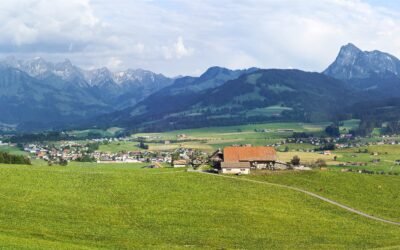
Planning a trip to Torul in Turkey’s Gümüşhane Province? The best time to visit Torul, Gümüşhane depends on whether you want green valleys, mountain walks, autumn scenery, or snowy landscapes. Weather changes noticeably between the town and the surrounding highlands, so choosing the right month can make a big difference to your trip.
Quick Answer
The best time to visit Torul is May to June or September to October for comfortable sightseeing and generally lighter crowds. Choose June through September for higher mountain walks. July and August offer warmer, drier weather but can be busier. Winter suits snow scenery and skiing, although some attractions and mountain routes become less accessible.
Last checked: October 23, 2026. Dates and figures were verified against official sources.
Key Takeaways
- May is one of the greener months, but it is also the wettest month in nearby Gümüşhane’s official climate records.
- July and August have the fewest rainy days, making them attractive for outdoor plans despite warmer afternoons.
- September offers a useful mix of mild conditions, relatively little rain, and early autumn scenery.
- High-altitude destinations such as Limni Lake and Artabel Lakes need more careful seasonal planning than Torul town.
- Karaca Cave’s normal visiting season was disrupted by a safety-related closure in 2026.
Best Time to Visit Torul, Gümüşhane by Month
May, June, September, and October are good months for exploring Torul without planning around the hottest part of summer. However, July and August generally offer more dependable dry weather for hiking and longer outdoor days.
The following figures come from the Turkish State Meteorological Service’s Gümüşhane climate statistics, which show observations covering 1961–2025. They are averages for the provincial weather station, not measurements taken in Torul itself. Actual conditions in Torul’s valley and surrounding mountains may differ.
| Month | Avg. High | Avg. Low | Rainy Days | Travel Outlook |
|---|---|---|---|---|
| January | 3.1°C | -5.3°C | 11 | Snow scenery and winter trips |
| February | 5.4°C | -4.8°C | 10 | Cold-weather activities |
| March | 10.0°C | -1.0°C | 13 | Early spring; cold nights remain |
| April | 16.4°C | 3.8°C | 13 | Spring walks; changeable weather |
| May | 21.2°C | 7.6°C | 15 | Green landscapes; frequent rain |
| June | 25.2°C | 10.9°C | 10 | Nature walks and sightseeing |
| July | 28.3°C | 13.9°C | 4 | Sunny trips and mountain activities |
| August | 29.1°C | 14.0°C | 4 | Warm weather and summer events |
| September | 25.5°C | 10.3°C | 5 | Excellent for mixed outdoor trips |
| October | 19.0°C | 6.0°C | 9 | Autumn colors and photography |
| November | 10.9°C | 1.0°C | 10 | Quiet, chilly sightseeing |
| December | 5.0°C | -2.9°C | 11 | Winter scenery and quiet breaks |
Rainy-day figures are rounded to the nearest whole day. They include precipitation days, not just days with rainfall.
The difference between seasons is clear. Gümüşhane averages about 15 precipitation days in May but only four in July and August. September stays relatively dry, while October becomes cooler and wetter.
What Is the Weather Like in Torul During Each Season?
Torul lies in the Eastern Black Sea region, where coastal influences meet the colder conditions of inland mountains. The town’s valley location and the elevation of nearby attractions create noticeable differences in temperature, wind, and snow.
Spring: March to May
Spring is the season for green valleys, new leaves, wildflowers, and gradually improving temperatures. March can still feel wintry, while April and May become more comfortable for sightseeing.
April has an average daytime high of 16.4°C (61.5°F) at the Gümüşhane reference station. May rises to 21.2°C (70.2°F), although mornings and evenings remain cooler.
May is especially good for seeing the countryside turn green. However, it is also the wettest month in the official records, with roughly 70 mm of average monthly precipitation.
- Best for: Green landscapes, valley walks, nature photography, and quieter sightseeing.
- Main drawback: Frequent showers, muddy paths, and lingering snow at higher elevations.
- What to pack: A waterproof jacket, comfortable shoes with good grip, and warm layers.
For lower-elevation sightseeing, late May can be a rewarding choice. For long hikes in the mountains, early summer may be more suitable once trails are free of snow.
Summer: June to August
Summer brings warmer temperatures, longer daylight hours, and the region’s driest weather. It is the most convenient season for many outdoor activities, particularly around Zigana and the surrounding highlands.
June is often a useful middle ground. At the reference station, its average daytime high is 25.2°C (77.4°F), compared with 28.3°C (82.9°F) in July and 29.1°C (84.4°F) in August.
July and August are usually the busiest months for leisure travel. Turkish summer holidays, weekend trips, and regional festivals can increase demand for accommodation and popular attractions.
- Best for: Mountain scenery, lakes, outdoor adventures, long sightseeing days, and cultural events.
- Main drawback: Warmer afternoons and potentially busier viewpoints and restaurants.
- What to pack: Sunscreen, sunglasses, a hat, drinking water, and a light jacket for mountain evenings.
Summer is also a good period to experience the area’s local traditions. Events involving folk music, dance, food, and plateau culture can make a visit more memorable.
Autumn: September to November
Autumn is an excellent season for travelers who prefer cooler weather and colorful scenery. September often feels like an extension of summer, while October brings a stronger autumn atmosphere.
September has an average daytime high of 25.5°C (77.9°F) at the Gümüşhane reference station. October drops to 19.0°C (66.2°F), making walks and town sightseeing more comfortable during the day.
September is one of the best all-around months for combining outdoor activities with sightseeing. October is particularly appealing for photography as leaves turn yellow, orange, and red in suitable forested areas.
- Best for: Landscape photography, scenic walks, relaxed sightseeing, and autumn foliage.
- Main drawback: Shorter daylight hours, cooler evenings, and more rain later in the season.
- What to pack: Warm layers, a waterproof outer layer, and suitable walking shoes.
November is generally less suitable for long mountain excursions. Average nighttime temperatures approach freezing at the reference station, and early snow or frost can affect higher routes.
Winter: December to February
Winter transforms Torul and the surrounding mountains into a quieter, colder destination. Snow-covered scenery can be beautiful, but sightseeing requires more flexibility than in other seasons.
At the Gümüşhane reference station, January has an average high of 3.1°C (37.6°F) and an average low of -5.3°C (22.5°F). Mountain locations can experience much colder conditions.
December, January, and February are generally quieter for ordinary sightseeing, although snowy weekends can attract visitors interested in winter sports.
- Best for: Snow photography, peaceful getaways, mountain scenery, and skiing when conditions permit.
- Main drawback: Ice, snow, shorter days, and seasonal attraction closures.
- What to pack: Insulated clothing, waterproof winter boots, gloves, and appropriate winter travel equipment.
Winter visitors should avoid treating all attractions as year-round destinations. Mountain trails may be unsafe under snow, and some facilities operate only during warmer months.
When Is Torul Busiest, and When Can You Avoid Crowds?
July and August are typically the busiest months for tourism in Torul, while much of winter is quieter for sightseeing. However, a busy festival weekend or public holiday can draw visitors even during a normally quieter period.
The following is a practical planning guide rather than a statistical ranking of monthly visitor numbers.
| Period | Typical Crowds | Dates and Considerations |
|---|---|---|
| Spring: March–May | Usually light to moderate | Ramadan Bayram holiday, March 8–11, 2027; Kurban Bayram holiday, May 15–19, 2027, may increase travel. |
| Summer: June–August | Usually moderate to high | School summer breaks, weekend sightseeing, and local festivals can increase visitor numbers. |
| Autumn: September–November | Usually light to moderate | Republic Day, October 29, 2026, and school holiday periods may bring extra travel. |
| Winter: December–February | Usually low for sightseeing | The January 25–February 5, 2027 school break may increase demand at winter recreation areas. |
These holiday dates are listed in the Turkish Ministry of National Education’s 2026–2027 school calendar. Holiday travel patterns depend on the year and the destination.
Summer Crowds and Popular Viewpoints
Torul is generally less crowded than Turkey’s major coastal resorts. Even so, summer visitors often gather at the same scenic attractions, particularly Torul Castle and its glass observation terrace.
Weekends and holiday periods can be busier than ordinary weekdays. If you want a quieter visit, arriving earlier in the day or choosing a weekday may help.
Shoulder Season Advantages
May, June, September, and October often provide a useful balance between favorable weather and visitor numbers. Accommodation and attractions may feel less crowded than during the busiest summer holiday weeks.
September is especially attractive because it usually offers better dry-weather prospects than May. October is a good alternative if cooler temperatures matter more than long, sunny days.
Winter Quiet and Seasonal Exceptions
Winter generally means fewer sightseeing visitors, quieter surroundings, and more availability at some accommodations. However, a winter sports destination may become lively when snow conditions are favorable.
A peaceful winter getaway is possible, but it is best suited to visitors who can adapt their plans to the weather.
When Is the Cheapest Time to Visit Torul?
Winter may offer lower accommodation costs during quiet weeks, while the shoulder seasons can provide better overall value for a sightseeing trip. There is no confirmed universal cheapest month because hotel rates, transportation costs, and seasonal availability vary.
Summer: Higher Demand for Accommodation
July and August can bring greater demand for hotels, guesthouses, and popular tourism services. Prices may rise during school holidays, weekends, or major local events.
Booking accommodation early is sensible if your dates fall during a festival or national holiday. Transportation prices can also change with demand, especially if you are flying into the wider region.
Spring and Autumn: Better Overall Value
May, June, September, and October may offer good value because many outdoor activities remain practical without the busiest summer crowds.
For a short trip combining sightseeing, food, photography, and nature walks, these months are often a better compromise than choosing a colder date solely to save money.
Winter: Potential Savings With Trade-Offs
Accommodation may be cheaper during quieter winter weeks. However, lower rates should be weighed against snow-related transport problems, reduced activity choices, and possible winter equipment expenses.
Airfares are not automatically cheapest in winter. Your departure airport, route, booking date, and holiday schedule all affect the final cost.
What Is Free and What Costs Money?
Not every attraction in Torul has the same admission policy. A useful example is Torul Castle and its glass observation terrace.
According to the Turkish Ministry of Education’s Torul Castle visitor information, the castle surroundings are free to visit, while entry to the glass terrace is paid.
The terrace stands around 240 meters above the valley and covers approximately 90 square meters. It offers sweeping views across the town, Harşit Valley, and nearby mountains.
Karaca Cave also normally charges admission, while protected nature areas may have separate entrance, parking, or facility fees. Exact current prices could not be reliably confirmed for every attraction, so they have not been estimated here.
What Are the Best Activities in Torul by Season?
The best season depends on the places you want to visit. A short sightseeing trip around Torul town is different from hiking near mountain lakes or planning a skiing holiday.
Hiking and Nature Exploration: May to September
Late spring through early autumn offers many opportunities to explore Torul’s natural surroundings. For comfortable lower-elevation walks, May, June, and September are particularly appealing.
For higher mountain trails, summer usually offers better conditions because snow and ice are less likely to block routes.
One of the area’s best-known natural attractions is Limni Lake Nature Park, approximately 16 kilometers from Torul town. The Ministry of Culture and Tourism’s Limni Lake guide places the park at an elevation of about 2,025 meters.
The lake is surrounded by pine and spruce forest. Visitors can enjoy walking, photography, picnic areas, and other nature-based activities when conditions allow.
Artabel Lakes Nature Park is another option for visitors interested in mountain scenery and glacial lakes. It is better suited to carefully planned outings, especially where higher-altitude trails are involved.
Best choice: June or September for a mix of comfortable temperatures and outdoor activities. July and August are also good for mountain trips if you prefer drier weather.
Torul Castle and Glass Terrace: May to October
Torul Castle is one of the district’s main historical landmarks. Its location above the town makes it an appealing stop for panoramic photography and sightseeing.
The glass terrace is particularly enjoyable during clear weather because you can appreciate the valley without heavy fog or poor visibility.
May, June, September, and October are comfortable options for most visitors. During July and August, visiting in the morning or late afternoon can help you avoid the strongest midday sun.
Winter visits can be scenic, but icy paths and cold winds may make walking around the site less comfortable.
Karaca Cave: Normally April 15 to November 15
Karaca Cave is one of the area’s most distinctive natural attractions. Located in Cebeli village within Torul district, it is known for stalactites, stalagmites, columns, and other colorful rock formations.
The Turkish government’s Karaca Cave information page lists a normal tourist visiting season from April 15 to November 15.
Warning: Karaca Cave closed on April 16, 2026, because of rockfall risks along its access route. An August 2026 TRT report on the safety work stated that completion was planned for October 31, 2026. A confirmed public reopening was not established during this review. Do not assume the cave is accessible until its reopening is officially confirmed.
When the cave is operating normally, it can be a useful addition to a warm-weather trip, especially if outdoor conditions are wet. Its seasonal schedule and any temporary safety restrictions take priority over general recommendations.
Photography: Spring and Autumn
Spring and autumn are the strongest choices if landscape photography is your main interest. Each season brings different colors, lighting, and scenery.
- April–May: Fresh greenery, emerging leaves, wildflowers, and seasonal changes in the valleys.
- June: Green hillsides and longer daylight hours for photographing mountain scenery.
- September–October: Cooler light, changing foliage, and colorful forest landscapes.
- December–February: Snow-covered hills, bare trees, and dramatic winter scenery when snow falls.
September is often a good choice if you want pleasant photography conditions without the frequent spring showers. October may offer stronger autumn colors, although the timing varies by elevation and weather.
Skiing and Winter Sports: Snow-Dependent Winter Months
Winter is the season to consider if you want to see Torul’s mountains covered in snow or enjoy skiing nearby.
The Zigana Winter and Ski Sports Tourism Center is located in the Zigana Mountains within Torul district.
It is an established regional winter sports destination. However, skiing opportunities depend on snow coverage, operating conditions, and the availability of facilities.
Even though the main route to the winter sports center is maintained, secondary mountain roads can present different challenges during heavy snow.
Best choice: Plan around actual winter conditions rather than assuming every day between December and March will have suitable skiing weather.
Relaxation and Quiet Getaways: Autumn or Winter
For a relaxed holiday, the quieter parts of autumn and winter are attractive options. You can enjoy the scenery without building your trip around strenuous outdoor activities.
September and October provide more flexibility for combining short walks, local food, photography, and sightseeing. Winter is better if your priority is a peaceful atmosphere and you enjoy cold weather.
Some seasonal services may have limited availability during the coldest months, so a winter stay is best planned around facilities that operate year-round.
Local Festivals and Cultural Events: Mostly Warmer Months
Local events can make Torul especially interesting during summer and around public holidays. Traditional music, folk dancing, regional food, and community gatherings are all part of the area’s cultural appeal.
A recent example is the LAMES Science, Culture and Arts Festival. The event organizer, Zigana Nature School, confirmed that the 14th festival took place at Torul Castle Glass Terrace on August 23, 2026.
Summer highland gatherings and local celebrations can also attract visitors to the Zigana area. However, festival dates may change from year to year, and a previous year’s schedule should not be treated as a confirmed future date.
Public holidays are another consideration. Even during the shoulder seasons, holiday travel can create a noticeable increase in activity.
How Should You Prepare for a Trip to Torul?
Torul is a mountain-region destination, so a good travel plan accounts for both seasonal weather and the elevation of the places you want to visit. What feels mild in the town may be considerably colder near a mountain lake or highland trail.
- For spring: Plan shorter outdoor activities around possible rain. Waterproof clothing and shoes with grip are particularly useful.
- For summer: Carry sun protection and water. Schedule demanding walks for cooler hours when possible.
- For autumn: Allow for shorter daylight hours and changing temperatures, particularly in October and November.
- For winter: Prepare for freezing conditions, snow, and possible road delays. Use suitable winter equipment if driving.
Before a mountain excursion, review the current weather forecast and road conditions. This is particularly important after heavy rain, snowfall, or a sudden drop in temperature.
For a first visit, a practical itinerary is to combine Torul town and its castle viewpoint with one nearby natural attraction. Choose Limni Lake or a mountain outing only when the weather and access conditions suit your travel dates.
Frequently Asked Questions
What is the best time to visit Torul, Gümüşhane for good weather?
May, June, September, and early October are good for comfortable sightseeing around Torul. For high mountain trails, June through September is generally a better starting point, although conditions vary with snow and rainfall.
When is the peak tourist season in Torul?
July and August are typically the busiest months for sightseeing and outdoor trips, especially on weekends. Turkish school holidays and local events can also bring busy days outside that period.
What is the off-peak season in Torul?
December through February is usually the quietest period for general sightseeing in Torul. Ski outings at Zigana can still attract visitors when snow conditions allow.
When can visitors expect lower travel costs in Torul?
Accommodation may be cheaper during quieter winter weeks, but rates are not guaranteed. May, June, September, and October can offer better overall value if you also want accessible outdoor activities.
What are the shoulder seasons in Torul, Gümüşhane?
The most useful shoulder-season windows are May to June and September to October. May can be wet, and October brings cooler nights, so choose your dates around the activity you want most.
When is Karaca Cave open to visitors?
Karaca Cave normally lists an April 15 to November 15 visiting season. In 2026 it closed for rockfall-safety works, with completion targeted for October 31; a confirmed reopening was not found in the sources checked.
Is Torul worth visiting in winter?
Yes, but a winter trip works best for snow scenery, relaxed stays, and skiing at Zigana when conditions permit. High mountain trails may be hazardous, and some attractions operate seasonally.
Sources
- Turkish State Meteorological Service: Historical monthly temperature, precipitation, and rainy-day statistics for Gümüşhane.
- Turkish Ministry of National Education, Torul Castle visitor information: Castle setting, glass terrace, access, and admission distinctions.
- Turkish Ministry of Culture and Tourism, Limni Lake Nature Park: Location, elevation, activities, and access routes.
- Turkish Ministry of Environment, Urbanization and Climate Change, Karaca Cave: Normal seasonal visiting period and cave information.
- TRT Haber, August 28, 2026: Karaca Cave road-safety closure, rockfall mitigation, and planned completion date.
- Turkish Ministry of Culture and Tourism, Zigana Winter and Ski Sports Tourism Center: Location and winter recreation information.
- Turkish Ministry of National Education, 2026–2027 Calendar: School breaks and official holiday dates.
- Zigana Nature School, September 1, 2026: Confirmation of the 14th LAMES Festival held on August 23, 2026.