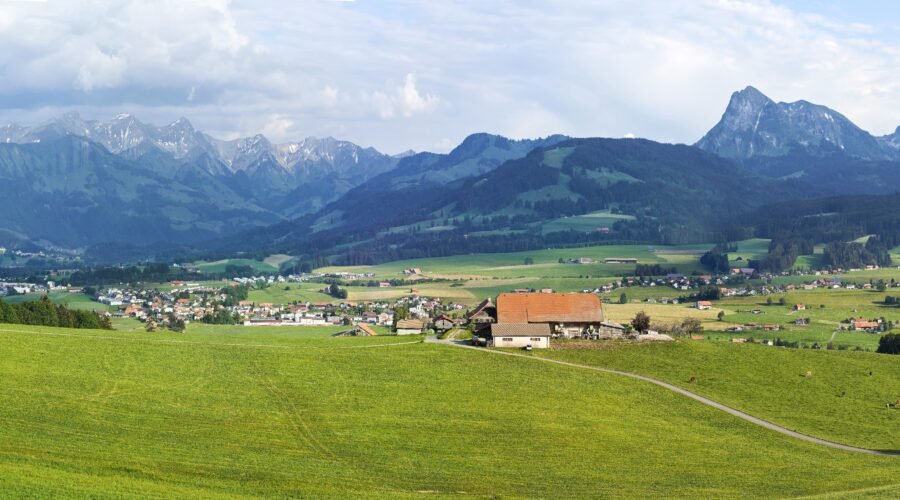
Planning a trip to Fribourg? For most travelers, the best time to visit Fribourg, Switzerland, is from late May through June or from September into early October. These periods usually give you the best balance of comfortable sightseeing weather, long enough days, attractive scenery, and fewer peak-summer crowds. Summer is warmer and livelier, while winter suits travelers who value quiet streets and seasonal traditions more than reliable snow.
Quick Answer
The best overall times to visit Fribourg are late May through June and September through early October. You get mild conditions for walking, fewer visitors than in peak summer, and good access to outdoor activities. Choose July and August for the warmest weather, or winter for a quieter trip and seasonal celebrations.
Key Takeaways
- Best overall: Late May-June and September-early October.
- Warmest and liveliest: July-August, with more visitors and a greater chance of hot afternoons and thunderstorms.
- Quietest: November through early spring outside major festivals and holiday weekends.
- Best for autumn traditions: September and October, when Bénichon season and nearby wine-harvest activities add local flavor.
- Winter reality: Snow can fall in Fribourg, but snow-covered streets are not guaranteed throughout winter.
Understanding Fribourg’s Climate
Fribourg sits on the Swiss Plateau close to the Prealps and experiences four distinct seasons. Switzerland’s official climate service, MeteoSwiss, uses the 1991-2020 period as the current climate-normal reference. Weather can still vary considerably from one year to the next, so use seasonal patterns for planning but check the forecast again shortly before your trip.
| Season | Best For | Main Trade-Off |
| Spring | Walking, flowers, lighter crowds | Changeable weather and rain |
| Summer | Festivals, long days, outdoor activities | Higher demand, heat, thunderstorms |
| Autumn | Fall color, local food traditions, walking | Shorter days later in the season |
| Winter | Quiet sightseeing, St. Nicholas season, museums | Cold, short days, unreliable city snow |
Summer (June-August): Warm and Bustling
Summers in Fribourg are generally warm, and hot spells can occur in July and August. Long daylight hours make this the easiest season for fitting several attractions into one day. Summer is not automatically dry, however. Warm and unstable weather can produce showers and thunderstorms, so a sunny morning does not guarantee a completely dry afternoon.
- Pros: Long daylight hours, a lively atmosphere, outdoor events, café terraces, hiking opportunities, and seasonal water activities.
- Cons: Hot afternoons can make Fribourg’s hilly streets tiring, popular areas are busier, accommodation demand is stronger, and thunderstorms can interrupt outdoor plans.
- What to Pack: Light breathable clothing, sun protection, comfortable walking shoes, a refillable water bottle, and a compact waterproof layer.
Warning: If thunderstorms are forecast, avoid exposed ridges and high-elevation hikes during the storm window. Conditions in the nearby Prealps can change faster than they do in the city.
Autumn (September-November): Crisp and Colorful
Autumn is one of the most rewarding times to visit Fribourg. September and early October often provide comfortable walking conditions, autumn color gradually develops, and visitor levels are generally easier to manage than during the summer holiday period. By November, days are noticeably shorter and cooler, and wet or gray spells become more likely.
- Pros: Attractive scenery, good walking conditions early in the season, fewer peak-season crowds, Bénichon traditions, and nearby wine-harvest activities.
- Cons: Daylight decreases quickly later in autumn, weather becomes less predictable, and some seasonal outdoor services reduce their schedules.
- What to Pack: Layers, a sweater or fleece, a waterproof outer layer, comfortable walking shoes, and a light scarf.
Winter (December-February): Cold and Festive
Winter in Fribourg is cold, with frosty mornings possible and short daylight hours. Snow can fall in the city, but you should not plan a winter trip on the assumption that the Old Town will remain snow-covered. Switzerland’s low-elevation snow season has become less reliable as the climate has warmed. For dependable snow sports, higher areas in the Fribourg Prealps are a better target than the city itself.
- Pros: A quieter city, indoor cultural attractions, seasonal food, St. Nicholas celebrations in early December, and access to winter-sport areas in the wider region when conditions allow.
- Cons: Cold temperatures, short days, occasional icy surfaces, reduced schedules at some attractions, and no guarantee of lasting snow in the city.
- What to Pack: A warm coat, gloves, a hat, a scarf, layered clothing, and waterproof shoes with reliable grip.
Spring (March-May): Reawakening and Mild
Spring is a transition season. March can still deliver wintry conditions, while April and May generally become milder and greener. By late May, Fribourg is often much more comfortable for long walks and outdoor sightseeing. Rain remains possible throughout the season, so flexible plans work best.
- Pros: Blooming landscapes, lighter crowds than summer, increasingly long days, and improving conditions for walking and lower-elevation hiking.
- Cons: Weather can switch between cool, wet, sunny, and mild conditions quickly. Higher mountain routes can still have snow even when the city feels like spring.
- What to Pack: Layers, a sweater or fleece, a waterproof jacket, comfortable walking shoes, and a compact umbrella.
Navigating Crowds in Fribourg
Fribourg generally receives fewer leisure visitors than Switzerland’s largest cities and internationally famous Alpine resorts. That does not mean it is empty. Summer weekends, major cultural events, university-related periods, and traditional celebrations can all make the Old Town and central restaurants noticeably busier.
Peak Season (June-August)
Summer brings the strongest general leisure-travel demand. The Old Town, bridges, cafés, and outdoor spaces feel livelier, particularly on pleasant weekends and during events.
- Impact: More competition for well-located accommodation, busier restaurants and public transport, and more people on popular regional trails.
- Strategy: Reserve accommodation early if your dates are fixed. For the Old Town, start in the morning or explore later in the afternoon rather than concentrating everything around midday.
Shoulder Seasons (May and September-October)
These are among the best periods for travelers who want good sightseeing conditions without peak-summer intensity. Weekends can still be active, especially during local events, but the overall pace is usually more relaxed.
- Impact: Easier sightseeing, more flexibility with restaurants and attractions, and a calmer atmosphere.
- Strategy: Keep some flexibility in your itinerary so you can move outdoor activities to the clearest day.
Off-Season (November-April)
Late autumn through early spring is generally quieter, but important exceptions include Christmas-season weekends, the St. Nicholas celebration, Carnaval des Bolzes, and the Fribourg International Film Festival in March.
- Impact: Many ordinary weekdays feel peaceful, although specific festivals can produce short bursts of heavy local demand.
- Strategy: Use colder or wetter days for museums, churches, cafés, and indoor cultural attractions, then save outdoor Old Town walks for the best weather window.
Understanding Costs: Accommodation, Flights, and Activities
Switzerland is an expensive destination by international standards, but the exact cost of a Fribourg trip depends more on your travel dates, booking timing, accommodation choice, transport pattern, and dining habits than on a simple fixed high-season versus low-season rule.
Accommodation Pricing
Accommodation is one of the costs most likely to move with demand.
- Peak Season (June-August): Summer can bring stronger demand, particularly on weekends and event dates. Book early if you need a specific hotel or room type.
- Shoulder Seasons (May and September-October): These months can offer a better balance between availability and weather, but prices still vary by event and day of the week.
- Off-Season (November-April): Quieter dates can produce better availability, but do not assume every winter weekend will be cheap. St. Nicholas celebrations, Christmas/New Year, Carnaval des Bolzes, and FIFF can increase demand.
Flight Costs
Most international travelers reach Fribourg after flying into a larger Swiss airport and continuing by train. Airfares change continuously according to route, demand, school holidays, booking timing, and airline capacity.
- Peak Season (June-August): Summer holiday demand can make popular European routes more expensive.
- Shoulder Seasons (May and September-October): These periods can produce attractive fares, especially when your travel dates are flexible.
- Off-Season (November-April): Some winter dates can be cheaper, but Christmas, New Year, ski-season weekends, and other high-demand periods are important exceptions.
Pro Tip: Compare the total trip cost rather than chasing the cheapest flight alone. A slightly more expensive flight on a date with cheaper accommodation can produce a lower overall trip price.
Activity, Food, and Transportation Costs
Many museum and attraction prices are published independently of season, while restaurant menus, temporary exhibitions, tours, and private activities can change prices at any time.
- Activities: Museums and organized experiences often publish set admission prices. Some seasonal activities operate only during part of the year, so availability matters as much as price.
- Food: Restaurant prices do not normally drop simply because it is off-season. Supermarkets, bakeries, lunch specials, and self-catering can help control costs.
- Transportation: Fribourg uses Switzerland’s zone- and ticket-based public transport system. Do not assume a Swiss Travel Pass will always be the cheapest option. Compare your planned journeys with alternatives such as the Swiss Half Fare Card and local products.
The Fribourg City Card can be useful for a sightseeing-heavy day because it includes several museums and public transport in local zone 10. Some qualifying Fribourg hotels also provide the Fribourg/Freiburg Ticket, which includes local public transport during the stay. Check the current conditions of the accommodation or pass you are considering before paying separately for transport.
Note: As of September 1, 2026, Fribourg’s historic funicular is temporarily closed from August 27 through December 4, 2026. The closure matters if you planned to use it between the Upper Town and Basse-Ville.
Festivals and Events Throughout the Year
Fribourg’s event calendar can change the feel of a visit significantly. Major events are a reason to travel at a particular time, but they can also increase restaurant and accommodation demand.
Spring Festivals
- Fribourg International Film Festival (FIFF): FIFF is a major annual March event. The 2026 edition ran from March 20-29, and the 2027 edition is scheduled for March 12-21. Travelers visiting during the festival should expect a livelier cultural atmosphere.
- Carnaval des Bolzes: Fribourg’s traditional carnival fills the historic Lower Town with parades, Guggenmusik, costumes, and celebrations. The 2027 edition is scheduled for February 5-9, so carnival can fall earlier than the article’s previous late-February/early-March assumption.
Summer Highlights
- Jazz Parade: Older Fribourg travel material may mention a Jazz Parade in summer, but it should not be treated as a dependable current annual event when planning a trip. Use Fribourg’s current event calendar for your travel year.
- Fête de la Musique: June 21 is a dependable music date in Fribourg. The city hosts performances across multiple venues and public spaces, creating one of the easiest summer events for visitors to build into an itinerary.
- Mid-August Festival: A generic annual citywide “Mid-August Festival” centered on Swiss wrestling is not reliable current planning advice. Regional sporting and cultural events change from year to year, so choose your dates based on events actually listed for your travel year.
Autumn Traditions
- Bénichon: This centuries-old Fribourg tradition is one of the region’s best-known autumn experiences. Food is central to the celebration, and Bénichon events take place on different dates in different localities from late summer into autumn.
- Grape Harvest: The Vully wine region near Lake Murten is outside Fribourg city but makes a good regional excursion. Harvest activity generally falls around September into October, and the Vully Grape Harvest Festival is held in September.
Winter Charm
- St. Nicholas Celebration: Fribourg’s flagship early-winter tradition takes place on the first weekend of December. The 2026 celebration is scheduled for December 4-6 and includes a procession, market, entertainment, and the traditional address at St. Nicholas Cathedral.
- Christmas Markets: Seasonal markets and holiday events take place around the canton, but dates and locations vary. In Fribourg city itself, St. Nicholas is the more dependable centerpiece for planning an early-December visit.
- New Year’s Eve Celebrations: Restaurants and venues may offer special New Year’s programmes, but exact events change annually. Make reservations early if New Year’s Eve is central to your trip.
Specific Activities and Their Best Seasons
Fribourg works year-round, but the ideal season changes depending on whether your priorities are medieval streets, hiking, paddling, museums, or regional excursions.
Exploring the Old Town and Bridges
- Best Time: Late spring, early autumn, or a dry winter day when you are dressed for the cold.
- What to Expect: Fribourg’s historic neighborhoods and bridges are accessible year-round, but the experience changes with the seasons. Spring adds greenery and flowers, autumn brings color, summer offers long evenings, and winter creates a quieter atmosphere. The Old Town includes hills, steps, and elevation changes, so supportive footwear is useful in every season.
Hiking and Outdoor Pursuits
- Best Time: Late spring through early autumn for most lower-elevation routes.
- What to Expect: Trails along the Sarine and routes in the surrounding countryside are usually most comfortable when paths are free of snow or ice. May and June provide fresh greenery, while September and October can bring attractive autumn scenery. Higher routes in the Prealps require separate checks for snow, storms, closures, and trail conditions.
Sarine River Activities: Canoeing, Kayaking, and Paddle Sports
- Best Time: Late spring through early autumn, with the strongest availability in summer.
- What to Expect: A published canoe experience from the Fribourg area toward Lake Schiffenen operates during May, June, July, August, and September, with more frequent availability in July and August. Other paddleboarding and kayaking options are available elsewhere in the Canton of Fribourg, including Lake Gruyère and Lake Murten. These are regional excursions rather than all being in central Fribourg.
Museum Visits and Indoor Attractions
- Best Time: Any time of year, but especially useful during cold, rainy, or very hot weather.
- What to Expect: The Museum of Art and History and Espace Jean Tinguely-Niki de Saint Phalle are two strong central options. Museums are also useful for building flexibility into an itinerary when outdoor weather changes unexpectedly.
Making Your Decision
Ultimately, the best time to visit Fribourg depends on what matters most to you.
- For the best weather-and-crowd balance: Choose late May-June or September-early October. These periods combine comfortable sightseeing conditions with generally lower visitor pressure than peak summer.
- If you love warm weather, long evenings, and outdoor events: July-August is your strongest window, but prepare for hotter afternoons, thunderstorms, and stronger travel demand.
- For budget-conscious travelers: Look first at ordinary weekdays from November through early spring, but compare actual hotel and airfare prices because festival dates and holidays can reverse the usual pattern.
- For the quietest atmosphere: November, January, and some early-spring weekdays can be very peaceful outside special events.
- For local traditions: September and October suit Bénichon and harvest-season experiences, while the first weekend of December is especially attractive for the St. Nicholas celebration.
- For snow: Visit the wider Prealps rather than relying on snow cover in Fribourg city itself.
No matter when you go, Fribourg combines a well-preserved medieval center, museums, bridges, regional food traditions, and easy access to wider Canton Fribourg. Choosing your season around the activities you value most will make a bigger difference than trying to identify one perfect month for every traveler.
If you are comparing the same weather-crowd-cost planning framework with other destinations, the existing guides to Manisa, Turkey and Beckley, West Virginia provide additional destination examples.
Frequently Asked Questions
What is the best time to visit Fribourg, Switzerland for favorable weather?
Late May through June and September through early October offer the best overall balance for most visitors. Conditions are generally comfortable for walking, daylight is useful for sightseeing, and you avoid some of the heat and demand associated with July and August.
When is the peak tourist season in Fribourg?
General leisure-travel demand is strongest in summer, especially from June through August. Major local events can also create short peak periods outside summer, including the St. Nicholas celebration, Carnaval des Bolzes, and the Fribourg International Film Festival.
What is the off-peak season in Fribourg?
The quieter travel period generally runs from November through early spring, outside Christmas and major event dates. Ordinary winter weekdays can feel especially peaceful, although weather is colder and daylight is limited.
When should I visit Fribourg to avoid crowds?
May, September, early October, November, and selected winter or early-spring weekdays are good choices. Always check whether your dates overlap with a major festival, because events can temporarily make an otherwise quiet month busy.
Is Fribourg more expensive during the summer?
Accommodation and flights can cost more when summer demand is high, but there is no fixed seasonal price rule. Hotel rates, airfare, and tour prices change according to exact dates, events, booking timing, availability, and day of the week.
Does Fribourg get snow in winter?
Yes, snow can fall in Fribourg, but continuous snow cover in the city is not guaranteed. Low-elevation snowfall and snow-cover days in Switzerland have declined over time. Travelers who want dependable winter-sport conditions should look toward higher areas in the Fribourg Prealps.
Which Fribourg festivals are worth planning a trip around?
Strong choices include Carnaval des Bolzes in winter, FIFF in March, Fête de la Musique around June 21, Bénichon traditions from late summer into autumn, and Fribourg’s St. Nicholas celebration on the first weekend of December.
Do I need a Swiss Travel Pass for Fribourg?
Not necessarily. A Swiss Travel Pass can be convenient for travelers taking many long-distance journeys, but it is not automatically the cheapest option. Compare it with point-to-point fares, the Swiss Half Fare Card, the Fribourg City Card, and any local guest-ticket benefit included with your hotel.
Sources
- MeteoSwiss — Climate Normals and Swiss Climate Information: supports seasonal climate context, the 1991-2020 reference period, changing snowfall, thunderstorms, and long-term climate trends.
- Fribourg Tourism and Region: supports current Fribourg attractions, City Card benefits, funicular availability, canoe activities, Bénichon information, St. Nicholas, Carnaval des Bolzes, and the city events calendar.
- Fribourg International Film Festival: supports confirmed FIFF dates and current festival information.
- Fête de la Musique de Fribourg: supports the annual June music event and current programme information.
- Switzerland Tourism: supports Swiss Travel Pass and Swiss Half Fare Card options.
- Region Murtensee / Vully Tourism: supports Vully wine-harvest timing and the September Grape Harvest Festival.