

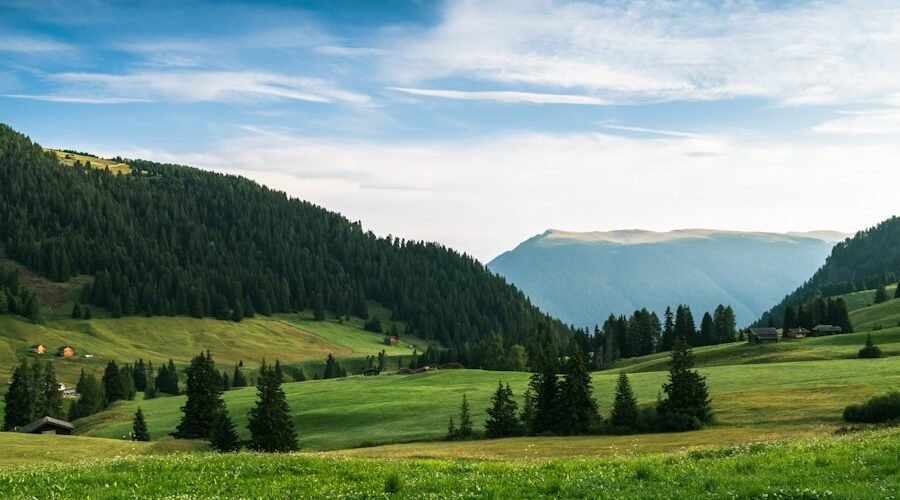
Finding the ideal time to visit Manisa, Turkey, depends on balancing Mediterranean heat, seasonal rainfall, budget considerations, and the Aegean cultural calendar. Nestled at the foot of Mount Spil (Mount Sipylus) just inland from Izmir, Manisa experiences hot, dry summers and mild, rainy winters. For most travelers, the shoulder seasons of spring (April to May) and autumn (September to October) provide the premier travel window, combining warm daytime temperatures in the 20s Celsius (68–78°F) with manageable crowds and vibrant agricultural landscapes.
Quick Answer
The best time to visit Manisa is during spring (April to May) and early autumn (September to October). During these months, daytime temperatures average a comfortable 20°C to 26°C (68°F–79°F), rainfall is low, and major historical sites like Sardis and Mount Spil National Park are pleasant to explore without summer crowds.
Key Takeaways
- Spring (April–May) offers blooming flora, comfortable temperatures, and the historic Mesir Macunu Festival.
- Summer (June–August) brings intense heat regularly exceeding 35°C (95°F), requiring early morning sightseeing and sun protection.
- Autumn (September–October) is ideal for wine and olive harvest festivities, pleasant hiking conditions, and moderate hotel rates.
- Winter (November–February) represents the low season with the lowest accommodation rates, frequent rainfall, and great access to thermal baths in Salihli.
Manisa Seasonal Weather & Climate Breakdown
Manisa features a Mediterranean climate (Turkish State Meteorological Service classifications define it as Csa), influenced by its proximity to the Aegean Sea and the towering topography of Mount Spil. Understanding how seasons fluctuate across the Gediz River valley ensures your luggage and itinerary align with local conditions.
Spring (March to May): Blooming Nature and Cultural Festivities
Spring is widely considered the most rewarding season to explore Manisa province. The landscape turns lush and green, while daytime conditions warm from crisp mornings to comfortably sunny afternoons.
Temperatures in Spring
March remains cool with average daytime highs around 15°C (59°F) and evening lows near 6°C (43°F). By April, daytime temperatures rise to an average of 20°C (68°F), and May regularly enjoys warm afternoons between 24°C and 27°C (75°F–81°F).
Rainfall and Packing Advice
Rainfall decreases significantly between March and May. Early spring can bring occasional showers, making a packable waterproof shell and layered clothing essential. By mid-April, lightweight cotton shirts, comfortable walking shoes, and a light jacket for evenings are all you need.
Pro Tip: Visit Mount Spil National Park in late April to see the rare, endemic Manisa tulip (Tulipa orphanidea) in full bloom alongside the park’s free-roaming wild Yılkı horses.
Summer (June to August): Sun-Drenched and Sizzling
Summers in the Gediz valley are characterized by cloudless skies, intense sunshine, and virtually zero precipitation. The heat is dry, but the valley basin can trap midday warmth.
Temperatures in Summer
Daytime temperatures regularly climb into the mid-to-high 30s Celsius (90°F to 100°F), with peak heatwaves in July and August occasionally surpassing 40°C (104°F). Nights offer modest relief, cooling down to 20°C–23°C (68°F–73°F).
What to Pack and Precautions
Pack breathable linens, UV-blocking sunglasses, wide-brimmed sun hats, and high-SPF mineral sunscreen. Exploring outdoor ruins like Sardis requires starting before 10:00 AM, carrying at least 2 liters of water, and scheduling indoor museum visits during peak afternoon hours.
Warning: The ancient stone ruins at Sardis offer minimal natural shade. Visiting during July and August afternoons carries a high risk of heat exhaustion without adequate hydration and head cover.
Autumn (September to November): Harvest Season and Mild Days
Autumn brings a welcome respite from the searing summer heat. As the agricultural heartland begins its grape and olive harvests, the region enjoys clear skies and gentle temperatures.
Temperatures in Autumn
September retains summer warmth with daytime highs averaging 28°C (82°F). October cools to a pleasant 22°C (72°F), while November introduces crisp autumn weather averaging 16°C (61°F) during the day and dropping to 8°C (46°F) at night.
Rainfall and Packing Advice
September is generally dry, while October sees scattered rain showers. November marks the start of the winter wet season. Pack medium-weight layers, breathable shirts for daytime walks, a sturdy fleece or jacket for evening dining, and an umbrella if visiting late in the season.
Winter (December to February): Mild, Quiet, and Moist
Winter in Manisa is mild compared to central or eastern Anatolia. While snow is rare in the city center, the peaks of Mount Spil frequently receive snowfall, creating scenic alpine backdrops.
Temperatures in Winter
Daytime highs typically range between 10°C and 14°C (50°F–57°F), with overnight lows dipping to 3°C–6°C (37°F–43°F). Frost can occur on clear winter nights.
Rainfall and Packing Advice
December and January are the wettest months of the year, bringing consistent frontal rains. A waterproof winter coat, thermal mid-layers, sturdy water-resistant boots, and an umbrella are mandatory for comfortable urban and historical exploration.
Navigating Manisa’s Crowds: Finding Solitude Across Seasons
While Manisa does not experience the intense tourist congestion of coastal hubs like Bodrum or Antalya, visitor volumes fluctuate according to European holiday calendars, regional festivals, and school breaks.
Peak Tourist Season: Summer (July to August)
Domestic travelers and international visitors transiting from Izmir frequent the region during midsummer. Archaeological sites, Mount Spil recreational zones, and local bazaar districts see heightened foot traffic, particularly on weekends.
Shoulder Season Balance: Spring (April–May) & Autumn (September–October)
The shoulder months provide an optimal environment for independent travelers. Ancient attractions like the UNESCO-listed archaeological landscape of Sardis and the historical Sultan Mosque complex can be enjoyed without queues or crowded tour buses.
Off-Peak Quiet: Winter (November to March)
Winter brings near-total solitude at major historical landmarks. You will frequently have ancient synagogues, gymnasiums, and mosques entirely to yourself, though smaller rural museums and mountain facilities operate on reduced seasonal schedules.
Understanding Manisa Travel Costs: Maximizing Your Budget
Travel expenses in Manisa remain noticeably lower than in major Turkish tourism centers like Istanbul or coastal Aegean resort towns. However, seasonal demand shifts still impact accommodation and transport pricing.
Peak Season Pricing (June to August)
Direct flights into nearby Izmir Adnan Menderes Airport (ADB)—the primary international gateway to Manisa—reach peak pricing during the summer months. Central boutique hotels and mountain lodges on Mount Spil command higher rates, requiring reservations 4 to 8 weeks in advance.
Shoulder Season Value (April–May & September–October)
Mid-tier and luxury hotels offer balanced room rates during spring and autumn. Regional transport, car rentals at Izmir Airport, and local dining remain moderately priced, delivering high value for comfort-oriented travelers.
Off-Season Discounts (November to February)
Winter provides the lowest rates across all travel categories. Business hotels in downtown Manisa and thermal resort properties in Salihli and Kurşunlu frequently discount standard rates by 30% to 50% outside the New Year holiday period.
Manisa Cultural Calendar: Festivals, Harvests, and Events
Timing your trip around local cultural traditions allows you to experience Manisa’s deep heritage, which blends Ottoman royal traditions with centuries of Aegean agriculture.
Spring Traditions
- Mesir Macunu Festival (Late March / April): Inscribed on the UNESCO Representative List of the Intangible Cultural Heritage of Humanity, this 500-year-old festival features costumed performances and the traditional tossing of spiced medicinal paste from the minarets and domes of the Sultan Mosque.
- Mount Spil Spring Awakening (April): Celebrations surrounding the blooming of wild tulips and traditional outdoor picnics across the national park plateaus.
Late Summer and Autumn Harvests
- Sultaniye Grape Harvest (Late August to September): Manisa is the center of Turkey’s seedless Sultana grape production. Harvest celebrations and local vineyard tours in Alaşehir and Salihli showcase local viticulture and dried-fruit processing.
- Akhisar Olive Harvest Festival (October to November): Akhisar, a major district of Manisa, produces a substantial portion of Turkey’s table olives and olive oils, marked by seasonal tastings, press tours, and culinary events.
12-Month Manisa Travel Matrix
This month-by-month overview details average conditions, visitor densities, and cost tiers to help finalize your itinerary.
| Month | Avg Temp (°C / °F) | Rainfall | Crowd Level | Cost Tier | Best For |
|---|---|---|---|---|---|
| January | 10°C / 50°F | High (105 mm) | Low | Budget | Kurşunlu Thermal Baths, quiet museums |
| February | 12°C / 53°F | Moderate (85 mm) | Low | Budget | Budget travel, photography of snow on Mt. Spil |
| March | 15°C / 59°F | Moderate (70 mm) | Low–Medium | Moderate | Mesir Paste Festival, early hiking |
| April | 20°C / 68°F | Low–Moderate (50 mm) | Medium | Moderate | Wild tulips, Sardis ruins, nature trails |
| May | 25°C / 77°F | Low (35 mm) | Medium | Moderate | Thyateira ruins, outdoor dining, photography |
| June | 30°C / 86°F | Very Low (15 mm) | High | Peak | Early morning historical tours, mountain retreats |
| July | 34°C / 93°F | Minimal (5 mm) | Peak | Peak | High-elevation camping in Mount Spil |
| August | 34°C / 93°F | Minimal (5 mm) | Peak | Peak | Grape harvest commencement, evening festivals |
| September | 29°C / 84°F | Low (20 mm) | Medium | Moderate | Sultaniye Grape Festival, Sardis exploration |
| October | 22°C / 72°F | Moderate (45 mm) | Medium | Moderate | Olive harvest in Akhisar, cultural sightseeing |
| November | 16°C / 61°F | High (90 mm) | Low | Budget | Culinary tourism, olive press tastings |
| December | 11°C / 52°F | High (120 mm) | Low | Budget | Thermal spas, crowd-free Ottoman architecture |
Selecting Your Optimal Travel Window
Matching your personal travel goals to Manisa’s distinct seasons ensures a seamless visit across historical, agricultural, and outdoor attractions.
The Best All-Rounder: Spring (April to May)
For comfortable outdoor sightseeing, botanical beauty, and moderate travel costs, April and May represent the gold standard. You will experience pleasant walking weather around the Gymnasium and Synagogue of ancient Sardis, comfortable hiking in Mount Spil, and mild evenings at traditional tea gardens.
For the Sun-Seeker & Agricultural Enthusiast: May to September
Travelers prioritizing long daylight hours, warm Mediterranean evenings, and harvest atmosphere will enjoy late spring through early autumn. Pairing early-morning visits to ancient Thyateira (modern Akhisar) with afternoon escapes into cooler mountain elevations provides an optimal daily balance.
For Budget Travelers and Quiet Exploration: October to November & February to March
If minimizing expenses and avoiding lines are your primary criteria, the late autumn and late winter shoulder months offer excellent value. Flight and hotel rates drop noticeably, and mild afternoon temperatures make urban sightseeing very comfortable despite intermittent rain.
For Dedicated Off-Season Tranquility: Winter (December to January)
Winter rewards visitors seeking peaceful cultural immersion. While outdoor hiking requires wet-weather preparation, city center landmarks such as the 16th-century Muradiye Mosque (designed by imperial architect Mimar Sinan) and the Kurşunlu thermal valley offer peaceful and restorative experiences.
Ultimately, selecting the ideal time to visit Manisa depends on whether your priority is vibrant spring festivals, sunny harvest excursions, or quiet budget-friendly sightseeing across the historic landscapes of the Aegean interior.
Frequently Asked Questions
What is the best time to visit Manisa for optimal weather?
The best time to visit Manisa for optimal weather is during the spring (April to May) and early autumn (September to October). Daytime temperatures during these periods average between 20°C and 27°C (68°F–81°F) with low rainfall, providing comfortable conditions for exploring outdoor historical sites and national parks.
When is the peak tourist season in Manisa?
The peak tourist season occurs during the summer months of July and August. During this period, flight prices to nearby Izmir Airport and regional hotel rates reach their annual high, and daytime temperatures regularly climb above 35°C (95°F).
When is the off-peak season in Manisa?
The off-peak season runs from December through February. Winter in Manisa brings cooler temperatures averaging 10°C–14°C (50°F–57°F) and frequent rainfall, resulting in the lowest hotel prices of the year and crowd-free archaeological sites.
What are the typical costs when visiting Manisa during peak season?
During peak summer months, regional hotel rates and car rentals increase by approximately 25% to 40% compared to winter and shoulder seasons. Booking accommodations 4 to 8 weeks in advance helps secure the best value across city-center hotels and Mount Spil lodges.
Which major festivals and events in Manisa should I plan my trip around?
The most significant event is the historic Mesir Macunu Festival, held annually in late March or April (around the spring equinox) at the Sultan Mosque. Other key cultural events include the Sultaniye Grape Harvest celebrations in late August and September, and the Akhisar Olive Harvest in October and November.
Sources
- Turkish State Meteorological Service (MGM) — Official historical climate averages and seasonal precipitation data for Manisa Province.
- UNESCO Intangible Cultural Heritage — Official inscription records and cultural timeline for the Mesir Macunu tradition.
- GoTürkiye Official Tourism Portal — Republic of Türkiye Ministry of Culture and Tourism regional guide for Aegean archaeological and natural sites.
- UNESCO World Heritage Centre — Tentative list documentation for the ancient city of Sardis and the Lydian Tumuli of Bin Tepe.

[…] the same weather-crowd-cost planning framework with other destinations, the existing guides to Manisa, Turkey and Beckley, West Virginia provide additional destination […]
[…] If you’re comparing seasonality across very different destinations, the existing guides to Manisa, Turkey and Osmaniye, Turkey use a similar weather-crowd-cost framework. Their climates are very different […]
[…] If you’re planning a trip to Nakhon Pathom, Thailand, understanding the best time to visit is crucial for an enjoyable experience. For another destination where weather, crowds, and travel costs shape the ideal travel window, you can also read Best Time to Visit Manisa, Turkey: Weather, Crowds, and Costs. […]