Planning a trip to the gateway of Door County requires balancing lake breezes, seasonal festival calendars, and shifting accommodation rates. The ideal time to visit Sturgeon Bay, Wisconsin, spans from late spring (late May to early June) through early fall (September to mid-October), when comfortable temperatures and open attractions align with manageable crowd levels.
Quick Answer
The best overall time to visit Sturgeon Bay is from September through early October for crisp weather, fall foliage, and lower accommodation rates. For warm-water sports and bustling festivals, visit in July and August. For quiet cherry blossoms and discounted shoulder-season lodging, choose late May to early June.
Key Takeaways
- Peak Tourism (July–August): Best for swimming, boating, and vibrant waterfront dining, but requires booking lodging months in advance.
- Foliage & Harvest (September–October): Peak autumn colors arrive between late September and mid-October alongside apple harvests and wine tours.
- Spring Awakening (Late May–June): Orchard blossoms and active sportfishing with significantly fewer tourists than mid-summer.
- Winter Solitude (November–April): Quiet snowscapes, ice fishing on the bay, and substantial lodging discounts, though seasonal businesses operate on reduced hours.
Sturgeon Bay Seasonal Comparison
| Season | Avg High / Low (°F) | Crowd Level | Lodging Rates | Top Highlights |
|---|---|---|---|---|
| Late Spring (May–Jun) | 58°F – 72°F / 40°F – 52°F | Moderate | Moderate ($$) | Cherry blossoms, bass fishing, open hiking trails |
| Summer (Jul–Aug) | 78°F – 82°F / 58°F – 63°F | High (Peak) | High ($$$$) | Sailing, cherry picking, live music, beach swimming |
| Early Fall (Sep–Oct) | 56°F – 70°F / 41°F – 50°F | Moderate–High | Moderate–High ($$$) | Fall foliage, apple orchards, harvest festivals, winery tours |
| Winter (Nov–Apr) | 26°F – 45°F / 14°F – 28°F | Low (Off-Peak) | Low ($) | Cross-country skiing, Fire & Ice Festival, quiet retreats |
1. Spring Awakening: May to Early June
Spring in Sturgeon Bay marks the transition from icy winter waters to blossoming orchards. While March and April often bring lingering snow and mud, mid-May to early June represents one of the premier shoulder-season windows in northern Wisconsin.
1.1 Weather Conditions
Daily highs typically range from the upper 50s to low 60s Fahrenheit in May, climbing into the low 70s by mid-June. Lake Michigan moderates coastal temperatures, meaning waterside breezes can feel noticeably cooler than inland areas. Layering is essential, as bright sunny afternoons can quickly give way to chilly maritime evenings.
1.2 Crowds and Pricing
Pre-peak travel ensures easy access to popular waterfront supper clubs, historic shopping districts along 3rd Avenue, and park trailheads without congestion. Accommodations offer lower rates compared to July peaks, and charter fishing captains and boat rental outfits provide greater schedule flexibility.
1.3 Top Spring Activities
- Orchard Blossom Viewing: Door County’s famous tart cherry and apple orchards typically bloom between mid-May and Memorial Day weekend, blanketing the countryside in white and pink blossoms.
- Trophy Bass Fishing: Sturgeon Bay is nationally recognized for spring smallmouth bass fishing as fish move into shallow waters along the bay and ship canal.
- Hiking State Parks: Trails throughout Potawatomi State Park—the eastern terminus of the 1,200-mile Ice Age National Scenic Trail—dry out, offering clear views of Green Bay waters through budding hardwood canopies.
Pro Tip: Cherry blossom blooms are heavily temperature-dependent. Monitor the official bloom trackers provided by local agricultural extensions in early May if your trip centers on photography.
2. Summer Peak: Late June, July, and August
Summer is Sturgeon Bay’s liveliest season, transforming the historic shipbuilding community into a bustling hub for sailors, paddlers, and vacationers.
2.1 Warm-Weather Atmosphere
Summer daytime temperatures average between 75°F and 82°F. Lake breezes keep extreme heat at bay, though July can bring occasional humid stretches and passing afternoon thunderstorms. Surface water temperatures in protected bays warm sufficiently for watersports by early July.
2.2 Peak Demand and Logistics
As the primary tourist corridor for Door County, Sturgeon Bay experiences heavy vehicle traffic across its historic downtown bridges on summer weekends. Waterfront dining options, kayak rentals, and scenic cruises routinely sell out days or weeks ahead.
Warning: Summer lodging in Sturgeon Bay often requires minimum two- or three-night stays on weekends. Book waterfront hotels, bed & breakfasts, and park campsites 6 to 9 months in advance for July and August stays.
2.3 Top Summer Activities
- Fresh Cherry Harvesting: Pick-your-own Montmorency cherry orchards typically open in mid-July and run through early August.
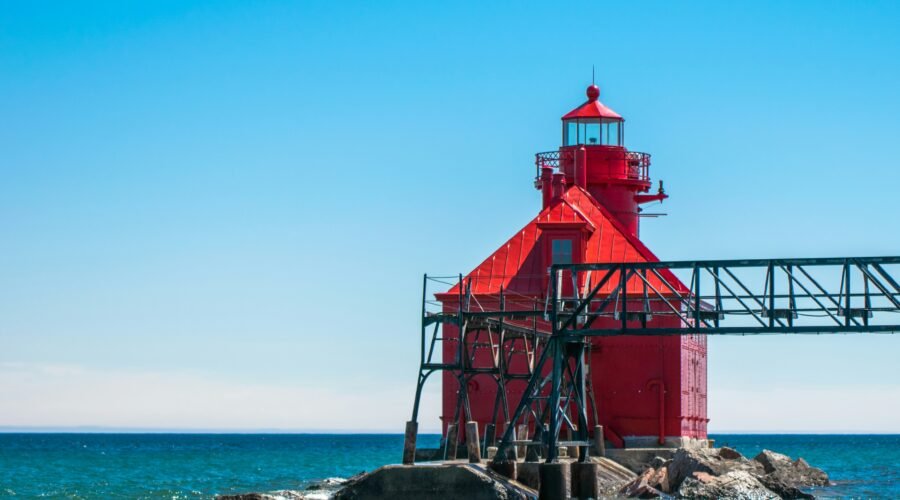
- Canal & Lighthouse Cruising: Navigate through the historic Sturgeon Bay Ship Canal past the North Pierhead Light and Sherwood Point Lighthouse.
- Maritime Heritage Tours: Explore the Door County Maritime Museum and tour the historic tugboat John Purves moored downtown along the working waterfront.
- Waterfront Concerts & Dining: Enjoy outdoor patio seating, fresh Lake Michigan whitefish boils, and weekly community concert series at Martin Park.
3. Autumn Splendor: September and October
Autumn is widely considered by photographers and outdoor enthusiasts to be the most rewarding time to visit Sturgeon Bay, combining stable weather with striking fall foliage.
3.1 Weather and Foliage Timelines
September delivers daytime highs in the upper 60s and low 70s with minimal humidity. By October, brisk daytime highs in the mid-50s are standard, with crisp evening lows in the upper 30s. According to regional foliage records, peak fall color typically sweeps through Sturgeon Bay and southern Door County from late September through the second weekend of October.
3.2 Shoulder Season Balance
While foliage weekends draw steady regional traffic, mid-week travel in September and October provides a peaceful, contemplative experience. Retail shops, galleries, and wineries remain fully open with relaxed customer traffic.
3.3 Top Fall Activities
- Scenic Color Drives: Drive the coastal route along County Road B or venture through the wooded canopy roads heading north toward Egg Harbor and Fish Creek.
- Apple Orchards & Cider Mills: Harvest honeycrisp and gala apples, sample fresh cider doughnuts, and explore farm markets throughout southern Door County.
- Winery & Distillery Tours: Tour local vineyards along the Door County Wine Trail during harvest season, pairing regional cold-hardy grape varietals with artisan cheeses.
- Quiet Trail Hiking: Hike the coastal dunes and shoreline forest at nearby Whitefish Dunes State Park and Cave Point County Park without mid-summer parking congestion.
4. Winter Solitude: November to April
Winter brings quiet beauty to Sturgeon Bay, offering a serene escape for travelers seeking cold-weather recreation, uncrowded streets, and cozy indoor settings.
4.1 Winter Conditions
Temperatures regularly drop below freezing, with January and February averaging daily highs between 24°F and 28°F and lows in the single digits or teens. Significant snowfall blankets the region, while the waters of Green Bay freeze thick enough to support seasonal ice fishing shanties.
Note: The historic wooden observation tower at Potawatomi State Park was permanently closed by the DNR due to structural deterioration. For panoramic elevated views of the icy bay, visitors should instead utilize the park’s eastern bluff overlook trail.
4.2 Winter Pricing & Reduced Schedules
Accommodations offer their steepest discounts of the year from November through April, with boutique inns offering off-season package deals. While core downtown restaurants and breweries remain open year-round, many seasonal retail shops operate on restricted Thursday-through-Sunday schedules.
4.3 Top Winter Activities
- Ice Fishing: Guided ice fishing excursions target northern pike, walleye, and whitefish on the frozen bay once safe ice conditions are established by late December.
- Cross-Country Skiing & Snowshoeing: Potawatomi State Park maintains groomed ski trails, while local preserves offer quiet snowshoe routes through hemlock and cedar forests.
- Fire & Ice Festival: Held annually in mid-February, this community celebration features professional ice-sculpting competitions, candlelit ski trails, and winter fireworks over the bay.
- Cozy Fireside Dining: Enjoy unhurried meals at traditional Wisconsin supper clubs, local taprooms, and coffee shops without waits.
5. Final Thoughts on Planning Your Sturgeon Bay Escape
Selecting the ideal month for your Sturgeon Bay getaway depends directly on your travel goals:
- Choose Late Spring (May–early June) for uncrowded orchard photography, active smallmouth bass fishing, and moderate lodging prices.
- Choose Mid-Summer (July–August) for warm swimming, boat rentals, lively patio dining, and cherry picking.
- Choose Early Fall (September–mid-October) for scenic foliage drives, apple harvesting, wine tasting, and crisp hiking weather.
- Choose Winter (December–February) for snowshoeing, ice fishing, festival ice carving, and budget-friendly romantic retreats.
For the best balance of open amenities and peaceful travel, schedule your visit between Tuesday and Thursday during the spring and fall shoulder seasons.
Frequently Asked Questions
What is the best time to visit Sturgeon Bay, Wisconsin for favorable weather?
The best time for consistently warm and pleasant weather is from late June through August, with average daytime highs in the upper 70s and low 80s Fahrenheit. If you prefer crisp, mild conditions suited for hiking without humidity, September and early October offer daytime highs in the 60s and sunny skies.
When is the peak tourist season in Sturgeon Bay, Wisconsin?
Peak tourist season runs from late June through late August, with a secondary peak during fall foliage weekends in late September and early October. During these times, advance bookings for lodging, boat tours, and dining reservations are essential.
What is the off-peak season in Sturgeon Bay, Wisconsin?
The off-peak season lasts from November through April. Winter brings fewer tourists, lowest accommodation pricing, and quiet streets, though some seasonal retail shops and excursion charters close or operate on limited weekend hours.
When is the best time to visit Sturgeon Bay to avoid crowds?
To avoid crowds while still enjoying open attractions and pleasant weather, visit during the true shoulder seasons: mid-May to early June or mid-September to late October (midweek). Weekday visits during these windows avoid weekend festival traffic while offering open restaurants and trails.
What is the most cost-effective time to visit Sturgeon Bay?
The most cost-effective months to visit are November through April, when hotels, bed & breakfasts, and vacation rentals offer off-season rates up to 50% below peak summer pricing. For travelers seeking outdoor recreation without winter conditions, May and late October offer reasonable shoulder-season rates.
Sources
- Destination Door County — Official regional tourism board data, seasonal event schedules, and cherry blossom updates.
- Sturgeon Bay Visitor Center — Community events, maritime history, and waterfront access guidelines.
- Wisconsin Department of Natural Resources (Potawatomi State Park) — State park trail conditions, recreation passes, and facility status updates.
- National Weather Service (Green Bay/Door County) — Historical monthly temperature averages, precipitation data, and maritime forecasts.