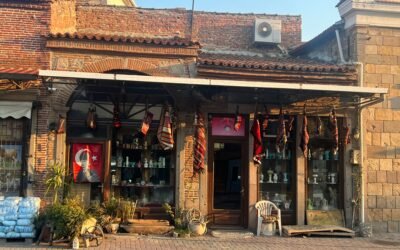
So, you’re thinking about Uthai Thani? Great choice! This is a really charming, often overlooked province in Thailand, a fantastic spot if you want to get a feel for a more traditional Thai way of life without the overwhelming tourist crowds. The short answer to “when is the best time to visit Uthai Thani?” is generally November to February. This period offers the most comfortable weather for exploring and enjoying the province’s natural beauty and cultural sites. But let’s dig into the details to help you pick the absolute perfect time for your trip. Knowing the best time to visit Uthai Thani Thailand helps you plan around weather, crowds, and budget.
Compare our seasonal guides to Pathum Thani, Thailand and Phitsanulok, Thailand when choosing other stops in Thailand.
Uthai Thani, like much of Thailand, experiences a tropical climate. This means it’s generally warm to hot year-round, with distinct wet and dry seasons. Knowing these patterns will really help you pack and plan your activities.
The Cool (and Dry) Season: Your Sweet Spot
This is hands-down the prime time to visit Uthai Thani if you value comfortable temperatures and minimal rain.
November: The Gentle Transition
As the monsoons recede, November starts to feel noticeably cooler and drier. The humidity drops, making outdoor exploration much more pleasant. It’s a good month to start visiting, but it might still have occasional lingering showers, especially in the early part of the month.
December & January: The Peak of Comfort
These are the absolute goldilocks months. The temperatures are at their mildest, usually ranging from the low to mid-20s Celsius (70s Fahrenheit) in the evenings and at night, creeping up to the high 20s to low 30s (80s Fahrenheit) during the day. The skies are typically clear, and the air feels fresh. This is ideal for temple hopping, boat trips on the Sakae Krang River, and exploring the markets.
February: Still Excellent, But Warming Up
February continues to be fantastic. The weather remains dry and pleasant, though you’ll start to notice the temperatures creeping up as the hot season approaches. It’s still a very comfortable time to visit, with the added benefit of being slightly less crowded than December and January.
The Hot Season: When Things Heat Up (Literally)
If you can tolerate the heat, this season can still offer some advantages, particularly if you’re looking for fewer tourists.
March: The Beginning of the Burn
March marks the start of the hot season. Temperatures begin to climb significantly, often reaching the mid-30s Celsius (90s Fahrenheit) and sometimes higher. Humidity also starts to increase. If you’re prone to heatstroke or just don’t enjoy feeling constantly sweaty, this might not be your ideal time.
April: The Pinnacle of Heat
April is typically the hottest month in Thailand, and Uthai Thani is no exception. Expect scorching temperatures and high humidity. While many locals are out celebrating Songkran (Thai New Year) in mid-April, which can be a fun cultural experience, the intense heat can make sightseeing a challenge during the day. Hydration is absolutely key if you visit during this month.
May: A Gradual Cooling (and Wetting)
May sees a slight dip in the peak heat as the rainy season begins to roll in. You’ll still experience warm temperatures, but the arrival of rain brings some relief from the oppressive heat. This is also when the landscape starts to look lush and green again.
The Rainy Season: Greenery and Fewer Footfalls
This season, while characterized by rain, isn’t necessarily a washout and can offer a unique charm.
June to October: The Monsoons Arrive
These months constitute the rainy season. You can expect daily rainfall, often in the form of heavy downpours, usually in the afternoon or evening. However, it’s rare for it to rain all day, every day. Mornings are often sunny and pleasant, allowing for plenty of exploration. The rain is essential for the lush greenery that Uthai Thani is known for, especially its rice paddies and surrounding forests.
The Pros of Visiting During the Rainy Season:
- Lush Landscapes: Everything is incredibly green and vibrant. Waterfalls are at their most impressive, and the scenery is breathtaking.
- Fewer Crowds: This is the low season for tourism, meaning you’ll encounter fewer other travelers, leading to a more authentic and peaceful experience.
- Lower Prices: Accommodation and sometimes even local transport can be cheaper during this period.
- Cooler Temperatures: While it’s the rainy season, the rain often brings a welcome respite from the intense heat of the dry season.
The Cons of Visiting During the Rainy Season:
- Rain Delays: Outdoor activities might be interrupted by sudden downpours. You’ll need to be flexible with your itinerary.
- Limited Access: Some rural or unpaved roads might become muddy and less accessible, though for major attractions, this is rarely an issue.
- Higher Humidity: While cooler, the humidity can still feel significant, especially after the rain.
Best Time To Visit Uthai Thani Thailand: Navigating the Crowds: When to Expect Company (or Solitude)
Uthai Thani is not a major international tourist hub, which is part of its appeal. However, there are still times when you’ll see more people around.
Peak Tourist Season: December & January
As mentioned in the weather section, these months coincide with the most pleasant weather, making them the busiest for tourism in Uthai Thani. You’ll still find it far less crowded than places like Chiang Mai or Bangkok, but you might encounter more fellow travelers, particularly at popular spots like Wat Tha Sung.
Shoulder Seasons: November & February
These months offer a good balance. The weather is still excellent, but the peak holiday crowds have either not yet arrived or have started to depart. You’ll find a comfortable mix of locals and visitors.
Low Season: March to October
This is when Uthai Thani is at its most tranquil. From the heat of March and April to the rainy season from June to October, you’ll find very few international tourists. This is the perfect time if you crave authentic local interactions and a truly relaxed pace.
Budgeting Your Uthai Thani Trip: Cost Considerations

Uthai Thani is generally a very affordable destination, which is another reason to love it. Your costs will largely depend on your travel style, but here’s a general idea.
Accommodation: Budget to Mid-Range Focus
You won’t find many high-end luxury resorts here, which is part of the charm.
Guesthouses and Budget Hotels
Expect to pay anywhere from $10 to $30 per night for a clean, comfortable room in a guesthouse or budget hotel. These are widely available, especially in Uthai Thani town.
Mid-Range Hotels and Resorts
If you’re looking for a bit more comfort, perhaps a small boutique hotel or a simple resort, you might be looking at $30 to $60 per night. These often offer slightly better amenities and perhaps a swimming pool.
Peak Season Price Increases?
While prices might see a slight bump during the absolute peak of December and January, it’s not as dramatic as in major tourist hotspots. You’re unlikely to see double or triple the prices.
Food: Delicious and Inexpensive
Eating in Uthai Thani is a highlight, and it’s incredibly budget-friendly.
Street Food and Local Eateries
You can easily get a delicious meal for $1 to $3. This includes a vast array of noodle soups, curries, fried rice, satay, and fresh fruits.
Mid-Range Restaurants
Even sit-down restaurants serving local Thai cuisine will typically charge between $3 to $8 per dish.
Transportation: Getting Around Affordably
Public transport is basic but effective, and renting your own transport offers flexibility.
Local Buses and Songthaews
These are the cheapest ways to get around within the town and to nearby areas. Expect to pay very little, likely under $1 for short rides.
Taxis and Private Drivers
While not as common as in big cities, you can arrange taxis or hire a driver for longer distances. This will be your most significant transport expense, but still relatively cheap compared to Western prices. A full day hire might cost $30 to $50, depending on negotiation and distance.
Renting a Motorbike or Car
Renting a motorbike can cost around $5 to $10 per day, and a car will be significantly more, perhaps $20 to $40 per day. This gives you the freedom to explore at your own pace, especially if you plan to visit more remote temples or natural sites.
Activities and Entrance Fees: Mostly Free or Low Cost
Uthai Thani’s main attractions are often natural beauty or cultural sites with minimal or no entrance fees.
Temple Entrance Fees
Many temples are free to enter, though donations are always appreciated. Some larger or more significant ones, like Wat Tha Sung’s crystal cave, might have a small fee for certain areas or to access specific parts. Budget a few dollars at most for temple visits.
National Parks and Natural Attractions
If you venture into any nearby national parks or natural attractions, expect standard entrance fees, usually around $5 to $10 for foreigners.
Boat Trips
A boat trip on the Sakae Krang River is a must-do. Prices are negotiable but generally affordable for a private charter, likely starting around $15 to $30 for a couple of hours, depending on your bargaining skills and the length of the trip.
Packing Smart for Uthai Thani: What to Bring

Your packing list should be dictated by the season you choose to visit.
Essential Items, Regardless of Season:
- Lightweight Clothing: Think cotton, linen, and breathable fabrics. You’ll be living in t-shirts, shorts, and light trousers.
- Comfortable Walking Shoes/Sandals: You’ll be doing a lot of walking, especially at temples and markets.
- Sun Protection: Sunscreen (high SPF), a wide-brimmed hat, and sunglasses are non-negotiable.
- Insect Repellent: Especially important during the rainy season and evenings.
- Reusable Water Bottle: Stay hydrated and reduce plastic waste. Many places offer refill stations.
- Universal Travel Adapter: If your electronics have different plugs.
- Small Backpack or Day Bag: For carrying essentials like water, snacks, and your camera.
- Scarf or Sarong: Useful for covering shoulders when entering temples or for a light layer if it gets cooler in the evenings.
Season-Specific Additions:
For the Cool & Dry Season (November – February):
- A Light Jacket or Cardigan: Evenings can get surprisingly cool, especially if you’re out on the river.
- Long-Sleeved Shirts: For evenings, though not strictly necessary for most.
For the Hot Season (March – May):
- Extremely Lightweight and Breathable Fabrics: Focus on quick-drying materials.
- Moisture-Wicking Clothing: Can help manage sweat.
- Hat with a Neck Flap: Extra sun protection is essential.
For the Rainy Season (June – October):
- Quick-Drying Clothes: Things will get damp.
- Lightweight Rain Jacket or Poncho: Essential for staying dry during downpours.
- Waterproof Sandals or Shoes: If you don’t want your regular shoes getting soaked.
- Dry Bag or Waterproof Pouch: To protect your phone and other electronics from rain.
Must-Do Experiences in Uthai Thani: Maximizing Your Visit
| Month | Weather | Crowds | Costs |
|---|---|---|---|
| January | Cool and dry | Low | Medium |
| February | Cool and dry | Low | Medium |
| March | Hot and dry | Medium | Low |
| April | Hot and dry | High | Low |
| May | Hot and wet | High | Low |
| June | Hot and wet | High | Low |
| July | Hot and wet | High | Low |
| August | Hot and wet | High | Low |
| September | Hot and wet | High | Low |
| October | Cool and wet | Medium | Low |
| November | Cool and dry | Low | Medium |
| December | Cool and dry | Low | Medium |
Regardless of when you visit, Uthai Thani offers a wealth of authentic experiences. Planning around these will make your trip memorable.
Exploring the Enchanting Wat Tha Sung
This is arguably Uthai Thani’s most famous landmark, and for good reason. The main attraction is the “crystal cave” or the “crystal pagoda,” adorned with thousands of tiny mirrors that create a dazzling, otherworldly effect.
Planning Your Visit:
- Timing: It can get busy, especially during peak season. Visiting early in the morning or later in the afternoon can help you avoid the biggest crowds.
- Respectful Attire: As with all temples, ensure you dress modestly, covering shoulders and knees.
- What to See: Beyond the crystal cave, explore the main temple buildings and the serene grounds. The surrounding area also has interesting smaller temples and meditation centers.
Cruising the Sakae Krang River
The Sakae Krang River is the lifeblood of Uthai Thani, and a boat trip is the perfect way to soak in the local atmosphere and scenery.
Types of Trips:
- Longtail Boat Tour: Hire a local longtail boat for a private tour. You can customize your route, stopping at riverside villages, local markets, or the iconic Wat Chantaram.
- “Khae Lam” Boat Trip: This is a more traditional experience where you can ride on a flat-bottomed boat that is often propelled by a person standing at the back. It’s a slower, more immersive way to see the river life.
- Sunset Cruise: A sunset cruise offers beautiful views as the sky changes color over the river and surrounding landscape.
Tips for Your Cruise:
- Negotiate the Price: Always agree on the price and duration before setting off.
- Bring Water and Snacks: Especially if you opt for a longer trip.
- Camera Ready: The scenery is picturesque, with traditional wooden houses on stilts, local fishing activities, and lush riverbanks.
Wandering Through Local Markets
Uthai Thani’s markets are vibrant hubs of local life, offering a glimpse into the everyday routines of its residents.
Tha Sung Market:
This market is particularly famous as it’s located right on the river, with many vendors selling their goods from boats. It’s a classic scene of Thai riverside commerce.
Other Local Markets:
Explore other morning or evening markets in Uthai Thani town. You’ll find everything from fresh produce and local delicacies to clothing and household items.
What to Look For:
- Local Produce: Sample exotic fruits, fresh vegetables, and locally sourced seafood.
- Thai Snacks and Sweets: Try some of the unique regional treats.
- Handicrafts: You might find some interesting local crafts and souvenirs.
- Observe the Atmosphere: The best part is simply watching the interactions and experiencing the lively buzz.
Discovering the Serenity of Wat Botumphon Worawihan
This is another significant temple in Uthai Thani, known for its beautiful architecture and peaceful atmosphere. It often serves as a focal point for local ceremonies and is a great place to experience the spiritual side of the province.
Key Features:
- Impressive Chedi: The central stupa is architecturally striking.
- Ornate Wihan: The assembly hall is often decorated with intricate murals and Buddha images.
- Tranquil Grounds: It’s a good place for quiet contemplation.
Experiencing Local Life in the Villages
Uthai Thani is surrounded by rural communities where life moves at a slower pace. Renting a motorbike or hiring a driver to explore the surrounding countryside is highly recommended.
What to Expect:
- Rice Paddies: Depending on the season, you’ll see vast, green rice paddies.
- Fruit Orchards: Discover local fruit farms.
- Traditional Houses: Observe the simple, traditional wooden houses that dot the landscape.
- Friendly Locals: Thai people are generally very welcoming, and in these less touristy areas, you’ll often be greeted with genuine smiles.
Visiting the Uthai Thani City Pillar Shrine (San Lak Mueang)
This is a significant cultural site for locals, a place where they come to make wishes and pay their respects. It’s often adorned with colorful offerings and is a good example of local spiritual practices.
Cultural Insight:
- Local Beliefs: Understanding the significance of city pillar shrines provides insight into Thai beliefs about protection and prosperity.
- Visual Appeal: The shrine is often decorated vibrantly and can be quite photogenic.
By considering these factors, you can confidently choose the best time to visit Uthai Thani for your specific travel style, budget, and preferences, ensuring a truly enriching and enjoyable experience in this beautiful corner of Thailand.
FAQs
1. What is the best time to visit Uthai Thani, Thailand in terms of weather?
The best time to visit Uthai Thani, Thailand is during the cool and dry season, which typically runs from November to February. During this time, the weather is pleasant with lower humidity and cooler temperatures, making it ideal for outdoor activities and sightseeing.
2. When is the peak tourist season in Uthai Thani, Thailand?
The peak tourist season in Uthai Thani, Thailand is during the cool and dry season from November to February. During this time, the city experiences an influx of tourists, so it’s advisable to book accommodations and activities in advance.
3. What is the off-peak season in Uthai Thani, Thailand?
The off-peak season in Uthai Thani, Thailand is during the hot and rainy season, which typically runs from March to October. During this time, the weather is hot and humid, and there is a higher chance of rainfall. However, this period also offers the advantage of fewer crowds and lower costs for accommodations and activities.
4. What are the costs like during the peak tourist season in Uthai Thani, Thailand?
During the peak tourist season in Uthai Thani, Thailand, costs for accommodations, activities, and transportation may be higher due to the increased demand. It’s advisable to book in advance and be prepared for higher prices during this time.
5. What are the costs like during the off-peak season in Uthai Thani, Thailand?
During the off-peak season in Uthai Thani, Thailand, costs for accommodations, activities, and transportation are generally lower due to decreased demand. This can be a good time to visit for budget-conscious travelers looking to experience the city with fewer crowds and lower expenses.