Choosing the best time to visit Vaud, Switzerland, depends on what you want to do. The Lake Geneva cities and vineyards can feel very different from the higher Vaud Alps, so weather, crowds, and prices do not follow one simple pattern across the whole canton. For most sightseeing trips, late spring and early autumn offer the strongest balance of comfortable conditions, manageable crowds, and good access to outdoor attractions.
Quick Answer
For most travelers, the best time to visit Vaud is May to June or September to early October. These periods combine comfortable sightseeing weather, active vineyards, good hiking access at lower elevations, and fewer peak-season crowds. Choose July–August for lake activities and December–March for skiing in the Vaud Alps.
Key Takeaways
- Best overall: May–June and September–early October for a balance of weather, crowds, and activities.
- Best for warm lake weather: July and August, although these are also among the busiest periods.
- Best for vineyards: Late spring through autumn, with harvest-related activity concentrated around early autumn.
- Best for skiing: Winter, especially the core ski season in resorts such as Villars, Leysin, and the wider Vaud Alps.
- Best value: Spring and autumn outside major festivals and holidays.
- Important: Conditions around Lausanne and Montreux can be much milder than conditions at higher Alpine elevations.
Vaud Weather, Crowds, and Costs by Season
Vaud stretches from Lake Geneva and cities such as Lausanne, Montreux, and Vevey to vineyards, countryside, and high Alpine terrain. That elevation difference matters. A pleasant lakeside day does not guarantee snow-free hiking conditions higher in the mountains.
| Season | Typical Experience | Crowds | Relative Costs | Best For |
| Spring March–May |
Cool to mild at lower elevations; mountain conditions may remain wintry early in the season. | Low to moderate | Low to moderate | Cities, lakeside walks, spring scenery, lower-elevation hiking |
| Summer June–August |
Warmest period around the lake, long days, strong outdoor access, and possible thunderstorms. | High | High | Lake activities, festivals, mountain excursions, hiking |
| Autumn September–November |
Mild early autumn followed by cooler conditions; vineyard and harvest season is a highlight. | Moderate to low | Moderate | Wine trips, sightseeing, photography, walking |
| Winter December–February |
Cold around the lake and much colder in the mountains, with snow central to Alpine tourism. | Low in some cities; high in ski resorts and holiday periods | Variable | Skiing, winter scenery, quieter city breaks |
Spring (March–May)
Spring in Vaud is a transition season. Lakeside areas begin turning green while snow and winter conditions can persist much longer at higher elevations.
Weather in Spring
March can still feel cold, particularly in the mountains. April usually brings a more obvious transition toward milder weather, while May is often much more comfortable for sightseeing, vineyard walks, and lower-elevation outdoor activities.
Avoid relying on one canton-wide temperature figure when packing. Lausanne, Montreux, Lavaux, and the Vaud Alps sit at very different elevations. Check a location-specific forecast before departure and a mountain forecast before higher-elevation hikes.
Crowds in Spring
Spring is generally quieter than midsummer. Lausanne, Montreux, Vevey, and Lavaux remain active, but you usually avoid the strongest summer tourism pressure. Easter, public holidays, sunny weekends, and major local events can still create short spikes in demand.
Costs in Spring
Spring can offer better accommodation value than the busiest summer weeks. May is especially attractive if you want pleasant sightseeing conditions without committing to peak-season hotel demand.
Summer (June–August)
Summer brings the longest days, warm lake conditions, major festivals, and broad access to outdoor activities. It is also the period when many first-time visitors compete for rooms in the most popular destinations.
Weather in Summer
June through August is normally the warmest period around Lake Geneva. Conditions are well suited to lakeside walks, boat trips, outdoor dining, swimming, cycling, and mountain excursions.
Summer is also Switzerland’s main thunderstorm season. Thunderstorms can develop later in the day, so do not assume a sunny morning guarantees stable weather for an afternoon mountain hike.
Warning: Mountain weather can change quickly. Check the latest MeteoSwiss forecast before exposed hikes, ridge walks, or high-elevation excursions, and change your plan if thunderstorms are forecast.
Crowds in Summer
July and August are usually among the busiest months for leisure travel. Montreux, Lausanne, Lavaux, major lake attractions, and popular mountain destinations can all be busy. Advance reservations are sensible for high-demand accommodation and ticketed events.
The Montreux Jazz Festival is a major July crowd driver. The 2026 edition ran from July 3 to July 18, so travelers visiting during future editions should check the official festival calendar before booking.
Costs in Summer
Hotel demand is usually strongest during summer holidays and major events. Airfares and accommodation can therefore be higher than in quieter spring and autumn periods, although the exact difference depends on your dates and booking lead time.
Autumn (September–November)
Autumn is one of Vaud’s strongest seasons for travelers who want vineyard scenery, comfortable sightseeing, and lower crowd levels after the main summer rush.
Weather in Autumn
September can still provide mild, pleasant conditions around Lake Geneva. October becomes cooler, while November moves more clearly toward winter. Higher areas cool faster and can see wintry conditions well before Lausanne or Montreux.
Crowds in Autumn
Visitor numbers usually ease after the main summer holiday period, although wine events, sunny weekends, and festivals can create local crowds. September is particularly attractive because many seasonal attractions are still operating.
Costs in Autumn
Accommodation can become easier to find after the summer peak. October and November may provide good city-break value, but some seasonal tourism services reduce operating days or close as winter approaches.
If you’re comparing shoulder-season travel patterns with another destination, you can also read this guide to the best time to visit California by weather, crowds, and costs.
Winter (December–February)
Winter creates two very different versions of Vaud: quieter lakeside cities and busy mountain resorts built around skiing and other snow activities.
Weather in Winter
Expect cold conditions around Lausanne, Montreux, and Lake Geneva and much colder weather at Alpine elevations. Snow is more frequent and persistent in the mountains than beside the lake. Fog, rain, frost, and occasional lowland snow are all possible.
Crowds in Winter
Do not treat winter as a single off-season. Lausanne and some lakeside destinations can feel quieter outside Christmas and New Year, while ski areas such as Leysin and Villars-sur-Ollon can be busy during holiday weeks and good-snow periods.
Costs in Winter
Costs depend heavily on where you stay. Ski resorts can charge peak rates during school holidays, Christmas, New Year, and popular ski weeks. By contrast, a winter city break away from holiday dates may cost less than a summer stay.
Note: Some vineyard trains, tasting rooms, boat services, mountain facilities, and other tourism businesses use seasonal timetables. Check the operator’s current schedule rather than assuming every attraction runs daily year-round.
Choosing Your Ideal Vaud Experience
The best month depends on whether your priority is hiking, skiing, city sightseeing, vineyards, lake activities, or saving money. If you’re comparing Vaud with another landscape-focused destination, this guide to the best time to visit Firtina Valley in Rize offers another weather-and-crowd comparison.
Best for Hiking and Outdoor Activities
May through June and September through early October are strong choices for vineyard walks, cycling, and lower- to mid-elevation hiking because temperatures are often more comfortable than in midsummer.
For high Alpine trails, calendar month alone is not enough. Snow can remain at elevation after lower areas have entered spring, and early autumn weather can also turn wintry in the mountains. Check the specific trail and forecast before setting out.
Best for Skiing and Snowboarding
Winter is the clear choice for snow sports. Midwinter generally gives you a better chance of established ski conditions than the edges of the season, but snow depth and open terrain vary by elevation and weather. Check the resort’s current snow report and lift status before traveling.
Best for Cultural Exploration and City Breaks
April–May and September–October work particularly well for Lausanne, Montreux, and Vevey. You can walk between museums, historic streets, lakefront areas, restaurants, and transport stops without the strongest midsummer crowds.
Winter can also suit museum-focused trips if you are comfortable with short daylight hours and colder weather.
Best for Wine Tasting and Vineyard Tours
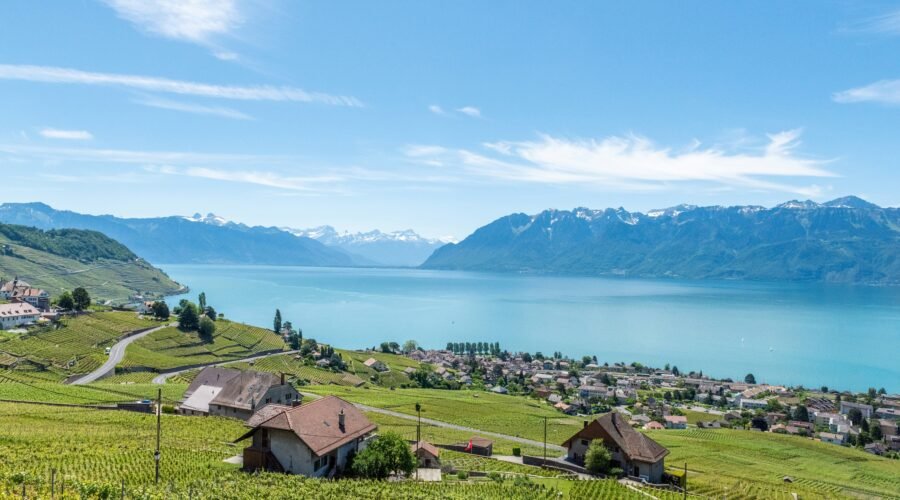
The Lavaux Vineyard Terraces form a UNESCO-listed cultural landscape along Lake Geneva and are one of Vaud’s signature experiences.
Late spring through autumn is particularly rewarding for vineyard walks and wine tourism. Spring brings fresh green vines, summer offers long daylight, and early autumn adds harvest activity and changing colors.
For 2026, the Lutry Grape Harvest Festival is scheduled for September 25–27. Event dates change from year to year, so verify the calendar before booking a trip around a festival.
Best for Lake Activities
June through August is the easiest period for travelers focused on Lake Geneva, beaches, swimming, cruises, and long evenings outdoors. July and August offer the warmest overall summer experience but also bring heavier visitor demand.
Best for Budget Travelers
If you want to reduce accommodation costs without giving up most sightseeing opportunities, look first at April–May and October–November. September can also be good value, but harvest events and warm-weather weekends can raise demand in wine areas.
Winter city stays can be economical outside Christmas and New Year, while ski-resort trips are a different market and can be expensive.
Pro Tip: If your dates are flexible, compare Sunday-through-Thursday hotel rates with weekend rates and check whether a festival falls during your stay. One major event can matter more to hotel prices than the season itself.
Practical Tips for Your Vaud Trip

A little planning matters because conditions and operating schedules can change quickly between the Lake Geneva shoreline and higher elevations.
Packing Essentials
Layers are useful in every season. Even in summer, evenings and mountain excursions can be much cooler than afternoons beside Lake Geneva. Bring comfortable walking shoes and a light waterproof layer for sightseeing.
For winter, pack insulated clothing, gloves, a hat, and weather-appropriate footwear. For hiking, match footwear and clothing to the specific elevation and forecast rather than the weather at your hotel.
Transportation
Vaud is well connected by Swiss trains, buses, local public transport, and Lake Geneva boat services. A car can be useful for particular rural itineraries, but it is not necessary for many trips centered on Lausanne, Montreux, Vevey, or other well-connected destinations.
The Swiss Travel Pass is designed for international visitors and includes broad train, bus, boat, and local-transit coverage. It is available for several trip lengths. However, it is not automatically the cheapest option for every traveler, so compare the pass price with the individual journeys you expect to make.
Accommodation Booking
Book early if you are traveling during July and August, Christmas/New Year, major ski weeks, or a large festival. Montreux can experience particularly strong demand during major events.
If you are flexible, compare Lausanne, Vevey, Montreux, and smaller communities connected by rail rather than limiting your search to one town.
Events and Festivals
Vaud hosts festivals and seasonal events throughout the year. The Montreux Jazz Festival is a major July event; its 2026 edition took place from July 3–18. In Lutry, the 2026 Grape Harvest Festival is scheduled for September 25–27.
Always check the current year’s official calendar because festival dates, venues, and schedules can change. Event weekends can increase accommodation demand even during an otherwise moderate season.
Seasonal Opening Hours
Many core city attractions and transport services operate year-round, but some wine-tourism experiences and seasonal sightseeing services do not. For example, certain Lavaux visitor services operate primarily from spring through autumn. Check opening days before building a tightly scheduled winter itinerary.
Swiss Francs and Payment
Switzerland uses the Swiss Franc (CHF). Cards are widely accepted, but a small amount of cash can still be useful for markets, small purchases, or businesses with minimum card amounts. Vaud can be expensive compared with many European destinations, so accommodation, transport, restaurants, and mountain excursions deserve separate places in your budget.
Final Thoughts

For most visitors, May–June and September–early October provide the best overall combination of comfortable sightseeing conditions, manageable crowds, vineyard scenery, and broad activity options. Choose July and August if warm lake weather and summer events matter most, or winter if skiing is the purpose of your trip. Above all, plan for Vaud’s elevation differences: the weather beside Lake Geneva can be very different from conditions in the Vaud Alps on the same day.
Frequently Asked Questions
What is the best time to visit Vaud for good weather?
May to June and September to early October are excellent choices for many travelers because they usually provide comfortable conditions for sightseeing without the strongest midsummer crowds. July and August are warmer and better for lake activities.
When is peak tourist season in Vaud?
July and August are major leisure-travel months, especially around Lake Geneva and popular attractions. Winter ski resorts have a separate peak season, particularly during Christmas, New Year, school holidays, and good-snow periods.
What is the shoulder season in Vaud?
Spring and autumn are the main shoulder periods for general sightseeing. April–May and September–October can offer fewer crowds and better accommodation value than peak summer while still keeping many attractions accessible.
Is winter off-season in Vaud?
Only partly. Some lakeside and city destinations become quieter, but the Vaud Alps enter their ski season. Mountain resorts can be busy and expensive during holiday periods, so winter should not be treated as a canton-wide low season.
Is September a good month to visit Vaud?
Yes. September is one of the strongest months for sightseeing, vineyard walks, wine tourism, and outdoor activities. It generally has fewer summer-holiday crowds while many seasonal attractions are still operating.
When is the best time for wine tourism in Lavaux?
Late spring through early autumn is especially rewarding. May and June bring green vineyards, summer offers long days, and September adds harvest activity. Individual wineries and visitor services have their own opening schedules, so check before visiting.
When is the cheapest time to visit Vaud?
April–May and October–November often provide better hotel value than peak summer. Winter city breaks can also be affordable outside holiday periods, but ski-resort prices may be high at the same time.
Do I need a car to explore Vaud?
Not for many itineraries. Lausanne, Montreux, Vevey, and numerous lakeside destinations are well connected by public transport. A car becomes more useful if your plans focus on rural locations that are less convenient by train or bus.
Sources
- MeteoSwiss — Climate Normals — current Swiss climate-normal methodology and the 1991–2020 reference period.
- MeteoSwiss — Thunderstorm and Lightning Frequency — seasonal thunderstorm patterns and summer weather risk.
- UNESCO World Heritage Centre — Lavaux Vineyard Terraces — UNESCO status, location, history, and cultural-landscape information.
- SBB — Swiss Travel Pass — official coverage and travel-pass information.
- Vaud Tourism — UNESCO-listed Lavaux Vineyard Terraces — official regional tourism information for vineyard walks and wine tourism.
- Montreux Jazz Festival — official festival information and annual programme details.