

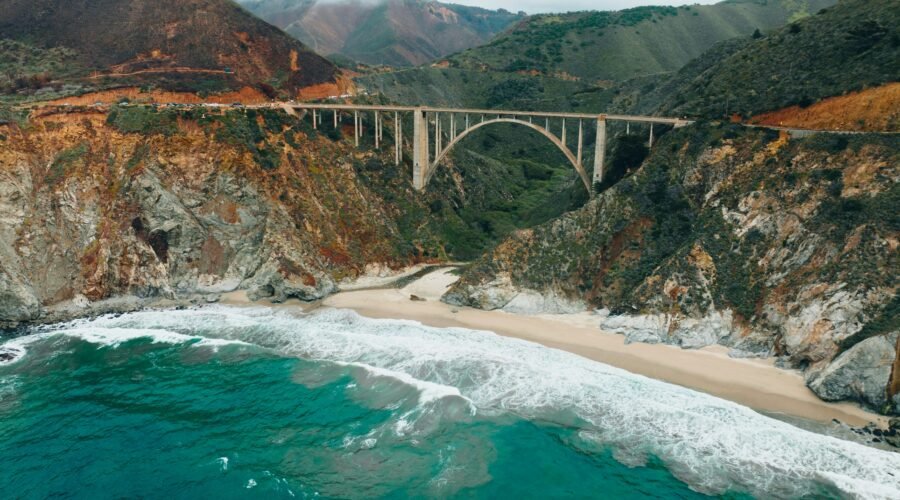
Figuring out the absolute best time to visit California can feel a bit like chasing a sunset – it depends on what you’re looking for. The good news is, California’s massive size means you can pretty much find decent weather and manageable crowds somewhere in the state year-round. But if you’re aiming for that sweet spot combining sunshine, fewer people, and a reasonable price tag, then spring (April to May) and fall (September to October) are generally your prime contenders. Let’s break down why and what that looks like across different regions.
Spring in California is a real treat. The state shakes off winter’s chill, and the landscapes come alive with vibrant colors. It’s a fantastic time to get out and explore before the summer heat really kicks in and the masses descend.
Northern California in Spring: Green Hills and Coastal Coolness
Northern California in spring is particularly lovely. The rolling hills are a brilliant, lush green from the winter rains, and wildflowers start to pop up, especially in areas like Wine Country and along the coast.
The Bay Area Bloom: San Francisco and Beyond
- Weather: Expect mild temperatures, typically ranging from the mid-50s to the low-70s Fahrenheit (13-22°C). It can still be foggy in San Francisco, especially in the mornings, but it often burns off by the afternoon, leaving pleasant days. Pack layers – you’ll definitely need them. Think t-shirts, sweaters, and a windbreaker.
- Crowds: While not entirely empty, the crowds are significantly smaller than in summer. You’ll find it easier to get reservations at popular restaurants and have more breathing room at attractions like Alcatraz or Muir Woods. School holidays can bring a slight uptick, but it’s usually not overwhelming.
- Costs: Prices for flights and accommodation are generally more affordable than during peak summer or holiday periods. You can often snag better deals, especially if you book a few months in advance.
- What to Do: This is the perfect time for exploring national parks like Yosemite (though higher elevations might still have snow early in spring), hiking in Marin Headlands, visiting Napa and Sonoma for wine tasting, and enjoying the city’s cultural attractions without battling huge queues. The California Spring Trials in Salinas are a must for garden enthusiasts.
Redwood Giants and Coastal Breezes
- Weather: Along the coast, it remains cool and often misty, with temperatures in the 50s and 60s Fahrenheit (10-17°C). Inland, it starts to warm up nicely.
- Crowds: Similar to the Bay Area, it’s less crowded than summer. You might have some sections of the Avenue of the Giants or popular beach towns to yourself.
- Costs: Expect moderate pricing. Deals can be found, especially outside of weekend surges.
- What to Do: Wander among the ancient redwood trees, explore charming coastal towns like Mendocino, and enjoy the rugged beauty of the Lost Coast before the summer tourist season makes it busier.
Southern California’s Spring Awakening: Sunshine Without the Sweat
Southern California is often touted for its year-round sunshine, but spring offers that sunshine with a much more comfortable temperature.
Los Angeles’s Mild Marvel: City Lights and Beach Vibes
- Weather: This is arguably the best weather for LA. Daytime temperatures usually hover in the comfortable 70s Fahrenheit (21-26°C), with cooler evenings. You get beautiful, clear skies, perfect for exploring the city or hitting the beaches.
- Crowds: Spring offers a welcome respite from the summer throngs. You’ll find shorter lines at major theme parks like Disneyland and Universal Studios, and it’s easier to snag a table at popular eateries. There’s a definite increase in visitors around spring break, but it’s usually manageable.
- Costs: While LA is never exactly pocket-change friendly, spring offers a good balance. You can find decent deals on flights and hotels if you book ahead, especially outside of the major spring break weeks.
- What to Do: This is prime time for Disneyland (before the summer crowds arrive), exploring Hollywood, hiking in the Santa Monica Mountains, enjoying Griffith Observatory with clear views, and chilling on the beaches of Santa Monica or Venice. The LA Times Festival of Books in April is a major event.
San Diego’s Sunny Serenity
- Weather: San Diego in spring is usually perfection. Expect sunshine almost daily, with temperatures in the pleasant 60s and 70s Fahrenheit (16-26°C). It’s warm enough for the beach but not so hot that exploring is a chore.
- Crowds: Spring break can see a surge, but generally, it’s much quieter than summer. You’ll have an easier time navigating Balboa Park, the Gaslamp Quarter, and the famous San Diego Zoo.
- Costs: Prices are more reasonable than in summer. While it’s a popular destination, you can find good value, especially mid-week in April or May.
- What to Do: Explore Balboa Park’s museums and gardens, visit the San Diego Zoo, enjoy the beaches of La Jolla and Coronado, and take a ferry to Coronado Island. The Cherry Blossom Festival in Balboa Park is a beautiful event.
Desert Blooms and Mountain Thaws
- Weather: Spring brings delightful temperatures to the desert regions like Joshua Tree and Palm Springs. Daytime highs are often in the 70s and 80s Fahrenheit (21-30°C), making hiking and exploring very pleasant. Further inland, the mountains (like Big Bear) are thawing, with beautiful wildflowers appearing at lower elevations.
- Crowds: The desert can get busy during its prime season, but spring is generally less crowded than the absolute peak of winter for these areas.
- Costs: Pricing can be moderate, but popular desert destinations can still command higher rates, especially on weekends.
- What to Do: Hike through Joshua Tree National Park, enjoy the mid-century modern architecture and pools in Palm Springs, and explore the blooming desert landscapes.
If you’re planning a trip to California and want to make the most of your visit, you might also find our article on the “Best Time to Visit California: Weather, Crowds, and Costs” helpful. This guide provides insights into the ideal seasons for travel, taking into account factors like climate, tourist traffic, and budget considerations. For more information on travel policies and conditions, you can check our terms and conditions here: Terms and Conditions.
Summer Sun: Peak Season Means Peak Everything
Summer in California is synonymous with sunshine, beach days, and, well, a lot of people. It’s undeniably a popular time, and for good reason, but it comes with its own set of trade-offs.
The Golden State’s Summer Splendor
Summer in California offers that classic vacation experience, but you’ll need to plan strategically.
Northern California’s Summer: Cool Coast, Warm Inland
- Weather: The coast remains notoriously cool and often foggy, especially in San Francisco and along the northern coastline. Expect daytime highs in the 60s Fahrenheit (15-20°C), with foggy mornings and evenings. Inland areas, however, heat up considerably, with temperatures in the 80s and 90s Fahrenheit (27-37°C) and beyond.
- Crowds: This is peak tourist season for most of California. Expect large crowds at major attractions, national parks, and popular beaches. Reservations for everything from campsites to popular restaurants are essential and should be made months in advance.
- Costs: This is the most expensive time to visit California. Flights and accommodation prices soar, especially in desirable locations. Be prepared for premium pricing.
- What to Do: If you don’t mind the cooler coastal weather and fog, San Francisco is still great, but be ready for lines. Yosemite, Tahoe, and other inland summer destinations are beautiful but packed. Road trips are popular, but book accommodation and campsites way in advance. Festivals are abundant.
Southern California’s Summer Heat: Beach Blitz and Theme Park Throngs
- Weather: Southern California is generally warm to hot in the summer. Coastal areas benefit from ocean breezes, usually keeping temperatures in the 70s and 80s Fahrenheit (21-30°C). Inland areas, like the desert, can experience extreme heat, with temperatures regularly exceeding 100°F (38°C).
- Crowds: Summer is arguably the busiest time for Southern California. Theme parks, beaches, and tourist hotspots are teeming with families on vacation. Expect long lines and crowded conditions.
- Costs: This is the peak season for pricing. Hotels, flights, and even some activities will be at their most expensive. Consider visiting mid-week or looking for packages to mitigate costs.
- What to Do: Beach towns are in full swing, Disneyland and Universal Studios are at their most vibrant (and crowded), and outdoor concerts and events fill the calendar. Pack for heat and be prepared for significant waits at popular attractions.
Sierra Nevada Summers: Majestic but Packed
- Weather: The High Sierra mountains, including areas like Yosemite and Lake Tahoe, enjoy warm, sunny days and cool, crisp nights. Temperatures are generally pleasant in the 70s and 80s Fahrenheit (21-30°C) at lower elevations, with cooler temperatures higher up.
- Crowds: Yosemite is incredibly popular in summer, often requiring reservations to enter. Lake Tahoe also sees massive influxes of visitors for water sports and outdoor recreation.
- Costs: Expect peak season pricing for lodging and any associated activities. Campsites in national parks are notoriously difficult to secure.
- What to Do: Hiking, camping, boating, and exploring the breathtaking mountain scenery are paramount. The Tioga Pass in Yosemite is usually open, allowing access to the high country.
Autumn’s Golden Glow: Fewer Crowds, Still Great Weather

Fall in California is a fantastic proposition. The frantic pace of summer slows down, the landscapes transform with autumn colors, and the weather often remains beautifully mild, especially in its early stages.
Northern California’s Autumnal Charm: Wine Country and Coastal Calm
Fall is arguably the best time for Northern California for many. The intense summer fog often recedes, replaced by clear, mild days.
Wine Country’s Harvest Season: Grapes, Gold, and Good Times
- Weather: This is prime wine country weather. Expect sunny days with gentle warmth, ranging from the 70s to low 80s Fahrenheit (21-28°C) in early fall, cooling down into the 60s and 70s (15-25°C) by late October. The vineyards turn stunning shades of gold, red, and orange.
- Crowds: While harvest season brings visitors, it’s generally less frantic than summer. Weekends can still be busy, but weekdays offer a more relaxed tasting experience.
- Costs: Prices are more moderate than summer. You might find better deals on accommodation, especially if you avoid major festival weekends.
- What to Do: This is the time for wine tasting. The harvest is underway, and many wineries offer special tours and events. It’s also perfect for scenic drives through the colorful countryside, enjoying farm-to-table dining, and exploring charming towns like Healdsburg or Calistoga.
San Francisco’s Crisper Days
- Weather: Fall is often the most pleasant weather for San Francisco. The notorious summer fog begins to dissipate, leading to clearer skies and comfortable temperatures in the 60s and 70s Fahrenheit (15-25°C).
- Crowds: Crowds lessen significantly after Labor Day. You’ll find it easier to explore popular sites like Fisherman’s Wharf, the Golden Gate Bridge, and museums.
- Costs: Prices for hotels and flights tend to drop compared to summer. It’s a good time to visit for a more budget-friendly city break.
- What to Do: Explore the city’s iconic landmarks without the oppressive summer crowds, enjoy outdoor dining with pleasant weather, and take advantage of the clearer views for photography. The Hardly Strictly Bluegrass festival in Golden Gate Park is a massive, free event in late September.
Southern California’s Extended Summer: Warmth Lingers, Crowds Retreat
In Southern California, fall often feels like an extended summer, but with the advantage of fewer people.
Los Angeles’s Indian Summer: Golden Light and Easier Access
- Weather: The oppressive summer heat often breaks in September, giving way to beautiful, warm, and sunny days. Temperatures in the 70s and 80s Fahrenheit (21-30°C) are common. This is often referred to as an “Indian Summer,” and it’s gorgeous.
- Crowds: As kids go back to school, the massive summer crowds disappear. Theme parks become far more manageable, and booking restaurant reservations is much easier.
- Costs: Prices for flights and hotels typically drop after Labor Day, making it a more cost-effective time to visit than summer.
- What to Do: This is an excellent time to visit theme parks, enjoy outdoor activities like hiking and beach days without the intense summer heat, and explore the city’s many attractions with more ease.
San Diego’s Sunny Send-off
- Weather: San Diego maintains its wonderful weather well into the fall. Expect plenty of sunshine and daytime temperatures still in the 70s Fahrenheit (21-26°C). The ocean water remains warm enough for swimming for much of the season.
- Crowds: Similar to LA, crowds thin out significantly after the summer rush. You’ll find it easier to enjoy the beaches, Balboa Park, and the zoo.
- Costs: Prices become more attractive as the summer vacationers depart. You can find good deals on accommodation.
- What to Do: Enjoy the beaches, explore the Gaslamp Quarter, visit the renowned San Diego Zoo and Safari Park, and take advantage of the beautiful weather for outdoor activities.
Winter’s Quiet Respite: Nature, Snow, and Fewer Tourists

Winter in California offers a different kind of beauty, especially if you’re looking to escape crowds and enjoy unique experiences like snow sports or the stark beauty of the deserts.
California’s Winter Wonders
Winter is a time for cozy experiences, dramatic landscapes, and a distinct lack of crowds in many areas.
Northern California’s Winter: Rain, Redwoods, and Ski Slopes
- Weather: Winter in Northern California is characterized by rain and cooler temperatures. Coastal areas will see frequent showers and highs in the 50s Fahrenheit (10-15°C). Inland, temperatures can drop below freezing, especially at higher elevations. The Sierra Nevada mountains receive significant snowfall, making them prime ski destinations.
- Crowds: This is the least crowded time of year for most of Northern California, especially the major cities and coastal attractions. The exception is ski resorts during peak season. If you’re looking for solitude, winter is your time.
- Costs: Flights and accommodation are at their most affordable, particularly outside of the Christmas and New Year holidays. Ski resorts will, of course, be pricier.
- What to Do: Enjoy cozy city breaks in San Francisco, explore the majestic redwood forests under a moody sky (they are stunning in the mist), and hit the ski slopes in Tahoe. This is also a great time for whale watching along the coast.
Southern California’s Mild Winter: Sunshine and Solitude
- Weather: Southern California offers a mild winter. Daytime temperatures in Los Angeles and San Diego typically stay in the 60s Fahrenheit (15-20°C), with plenty of sunshine. Rain is possible but usually comes in concentrated bursts rather than constant drizzle.
- Crowds: This is the least crowded time of year for Southern California’s cities and beaches. You’ll have attractions largely to yourself. It’s a fantastic time for a more relaxed pace.
- Costs: You’ll find the best deals on flights and hotels during winter, especially in January and February. It’s an ideal time for budget-conscious travelers.
- What to Do: This is perfect for exploring theme parks with minimal wait times, enjoying Hollywood sights without the throngs, visiting museums, and taking peaceful walks on the beaches. It’s also a great time to visit the desert parks, as the heat is gone.
Desert Oases in Winter: Perfect Temperatures for Exploration
- Weather: Winter is the ideal time to visit California’s desert regions like Joshua Tree National Park and Palm Springs. Daytime temperatures are incredibly pleasant, typically ranging from the 60s to 70s Fahrenheit (15-25°C), with cooler nights perfect for stargazing.
- Crowds: While it’s more popular than summer, it sees fewer visitors than spring. You’ll enjoy the desert landscapes without feeling overwhelmed.
- Costs: Prices are moderate, but popular desert destinations can still be busy and command decent rates, especially on weekends.
- What to Do: Hike among the unique Joshua trees, explore the stark beauty of Death Valley (which can be dangerously hot in summer), enjoy the warm pools and mid-century modern vibes of Palm Springs, and witness the desert in its most accessible, comfortable state.
Sierra Nevada Snowfall: Winter Sports Paradise
- Weather: The Sierra Nevada mountains are blanketed in snow. Temperatures in ski resort towns are cold, with plenty of fresh powder for skiing and snowboarding.
- Crowds: Ski resorts are busy during winter, especially around holidays and school breaks. However, outside of these times, you can find more manageable conditions.
- Costs: This is peak season for ski resorts, so expect higher prices for lodging, lift tickets, and rentals.
- What to Do: Skiing, snowboarding, snowshoeing, and enjoying the snow-covered mountain scenery are the main attractions. Lake Tahoe resorts like Palisades Tahoe and Mammoth Mountain are major draws.
If you’re planning a trip to California, understanding the best time to visit can greatly enhance your experience. For insights on how to navigate the various factors such as weather, crowds, and costs, you might find this article on travel tips particularly helpful. It offers valuable information that complements your planning, ensuring you make the most of your time in the Golden State.
Special Considerations: Events, Festivals, and Niche Tourism
| Month | Weather | Crowds | Costs |
|---|---|---|---|
| January | Mild and rainy | Low | Low |
| April | Mild and sunny | Medium | Medium |
| July | Hot and dry | High | High |
| October | Mild and sunny | Medium | Medium |
Beyond the general weather patterns, specific events and interests can make certain times of year particularly appealing (or less so) for your California adventure.
Festivals and Events: From Music to Marathons
California has an event calendar that’s packed year-round.
- Spring: Coachella Valley Music and Arts Festival (April) is iconic but brings massive crowds and high prices to the desert. California Strawberry Festival (May) offers something sweeter. The LA Times Festival of Books (April) is huge for literature lovers.
- Summer: Numerous music festivals (like Outside Lands in San Francisco in August), county fairs, and outdoor movie screenings pepper the season. The Santa Barbara Arts & Crafts Show is a summer staple.
- Fall: Major film festivals (like Screamfest in Hollywood), food festivals celebrating harvest bounty, and the generally cooler weather make it perfect for outdoor events. The Livermore Valley Wine Country Harvest Festival (October) is a prime example.
- Winter: Holiday lights and events dominate December. The Rose Parade in Pasadena (January 1st) is a massive draw. Smaller, local festivals celebrating regional produce or history happen throughout the season.
Niche Tourism: What’s Your California Vibe?
- Theme Parks (Disneyland, Universal Studios): Spring (late April-May, avoiding school breaks) and fall (September-October, avoiding Halloween events) often offer the best balance of good weather and manageable crowds. Winter (excluding holidays) is also very quiet. Summer means long lines and heat.
- Wine Tasting (Napa, Sonoma): Fall is the undisputed champion for harvest season. Spring offers blooming vineyards. Summer is popular but can be hot and crowded. Winter is quiet, with tasting rooms often more intimate.
- National Parks (Yosemite, Joshua Tree): Spring and fall offer the most comfortable hiking and exploration weather. Yosemite’s Tioga Pass is typically closed in winter. Joshua Tree is best in spring and fall, as summer heat is extreme. Winter can be cold in Yosemite but pleasant in Joshua Tree.
- Beaches: Summer is the classic beach season, but also the most crowded and expensive. Spring and fall offer warm enough water and pleasant temperatures with fewer people. Winter is great for storm watching or a quiet walk but usually too cool for swimming.
- Skiing/Snowboarding: Winter is the only option, with January to March typically offering the best snow conditions in the Sierra Nevadas.
Making Your Choice: Aligning Your Priorities
Ultimately, the “best” time to visit California boils down to what you want from your trip.
Weather Preferences: Sun Seeker vs. Cool Explorer
- Year-round Sunshine & Warmth: Southern California in spring, summer, and fall is your best bet. Even winter is mild compared to many places.
- Cooler, Foggy Charm: San Francisco and the Northern California coast are more appealing in spring and fall when the fog is less persistent. Summer is famously foggy here.
- Mountain Adventures: Summer offers accessible trails. Winter is for snow sports. Spring and fall are beautiful transitional periods, but avalanche and snow conditions need careful monitoring.
- Desert Exploration: Spring and fall provide ideal temperatures. Summer is for the extremely heat-tolerant or those who only visit at night.
Budget Considerations: Making California Work for You
- Most Affordable: Winter (January-February, excluding holidays) and late fall (November, before Thanksgiving) will generally offer the lowest prices for flights and accommodation.
- Mid-Range: Spring (April-May, avoiding spring break) and early fall (September) often strike a good balance between decent weather and moderate costs.
- Peak Season & Premium Prices: Summer (June-August) and major holiday periods (Christmas, New Year’s, Easter) will be the most expensive.
Crowd Tolerance: Seeking Solitude or Embracing the Buzz
- Minimal Crowds: Winter (outside of holiday regions) and very early spring or late fall offer the quietest experience.
- Moderate Crowds: Spring (April-May) and Fall (September-October) are generally less crowded than summer. Weekdays are always better than weekends.
- Embrace the Buzz: Summer is for those who don’t mind vibrant energy and don’t mind planning around crowds.
By weighing these factors, you can pinpoint the perfect window to experience the Golden State on your terms. Happy travels!
FAQs
1. What is the best time to visit California in terms of weather?
The best time to visit California in terms of weather is typically during the spring (April to June) and fall (September to October) months. During these times, the weather is generally mild and pleasant, with less chance of extreme heat or rain.
2. When is the peak tourist season in California?
The peak tourist season in California is during the summer months (June to August) when the weather is warm and schools are on break. This is when popular tourist destinations can be crowded and accommodations may be more expensive.
3. What is the off-peak season in California?
The off-peak season in California is during the winter months (December to February) when the weather can be cooler and some attractions may have reduced hours or be closed. This is also a good time to visit for those looking to avoid crowds and save on accommodations.
4. Are there any specific events or festivals that may impact the best time to visit California?
Yes, California hosts various events and festivals throughout the year that may impact the best time to visit. For example, the Coachella Valley Music and Arts Festival in April and the Napa Valley Harvest Season in the fall are popular events that attract visitors and may affect crowds and costs.
5. How does the cost of visiting California vary throughout the year?
The cost of visiting California can vary throughout the year, with higher prices during the peak tourist season in the summer and lower prices during the off-peak winter season. Additionally, prices may be impacted by specific events, holidays, and local demand.
[…] If you’re comparing shoulder-season travel patterns with another destination, you can also read this guide to the best time to visit California by weather, crowds, and costs. […]