

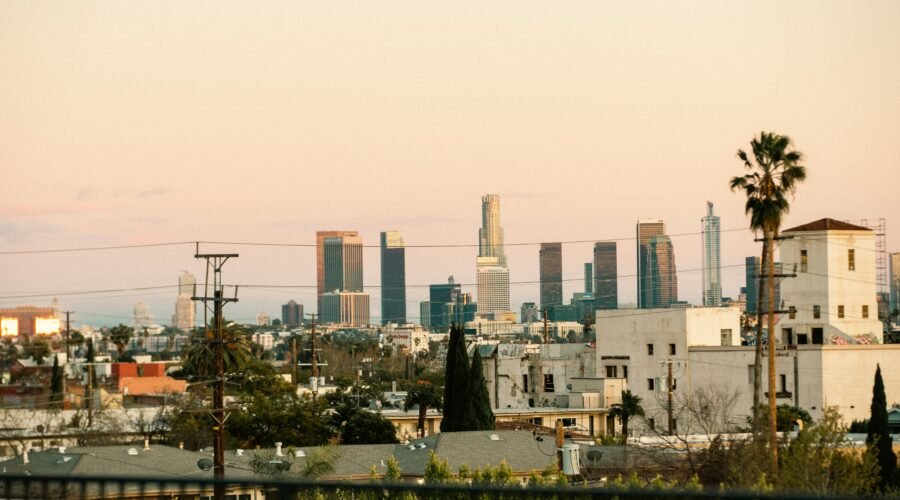
Los Angeles is a sprawling metropolis with something for everyone, but timing your visit right can make all the difference. Generally, the best time to visit LA is during the spring (March to May) or fall (September to November). These periods offer pleasant weather, fewer crowds compared to the summer, and a good balance of affordable prices.
Here’s a deeper dive into what to expect throughout the year:
1. Understanding Los Angeles’ Climate: More Than Just Sunshine
While LA is famous for its almost perpetual sunshine, there’s more nuance to its climate than meets the eye. It’s a Mediterranean climate, meaning mild, wet winters and hot, dry summers. However, microclimates are a real thing here. What’s happening in Santa Monica can be very different from what you’re experiencing in the Valley or Downtown.
1.1 Seasons Explained: From June Gloom to Winter Warmth
1.1.1 Spring (March to May)
This is arguably the sweet spot for LA travel. The weather is generally warm and sunny, but not oppressively hot. You’ll see average temperatures ranging from the mid-60s to high 70s Fahrenheit (18-25°C). Rainfall is minimal, and the “June Gloom” (a marine layer that brings overcast skies) hasn’t usually set in yet. This makes it ideal for outdoor activities, from beach strolls to hiking in the Hollywood Hills.
1.1.2 Summer (June to August)
Get ready for heat, especially inland. While coastal areas like Santa Monica and Malibu benefit from ocean breezes, temperatures can soar into the 90s Fahrenheit (30s °C) in places like the San Fernando Valley. This is also when “June Gloom” or “May Gray” can linger longer, sometimes even into July, meaning mornings might be overcast before burning off to sunshine. Expect high humidity in August. This is peak tourist season, so plan accordingly.
1.1.3 Fall (September to November)
Another excellent time to visit. The blistering summer heat subsides, and temperatures return to a comfortable range, similar to spring. Days are clear and sunny, and the ocean water is still warm enough for swimming into October. The crowds also start to thin out after the summer rush, making it a more relaxed experience. You might even catch some truly spectacular sunsets.
1.1.4 Winter (December to February)
LA’s winters are mild compared to many other parts of the world. Temperatures typically range from the high 40s to low 70s Fahrenheit (around 8-22°C). This is the rainy season, but don’t imagine constant downpours; it’s usually intermittent showers. You’ll still get plenty of sunny days. It’s a great time to visit if you’re looking for fewer crowds and don’t mind the occasional cool spell.
1.2 Microclimates: The Local Weather Roulette
It’s crucial to understand that LA isn’t a monolithic weather zone.
- Coastal Areas (Santa Monica, Venice, Malibu): Benefitting from the Pacific Ocean, these areas are typically cooler, especially in summer, and experience the most pronounced marine layer effects (“June Gloom”).
- Downtown LA: A bit warmer than the coast but still influenced by its proximity. Can feel a bit warmer due to the urban heat island effect.
- The Valleys (San Fernando Valley, San Gabriel Valley): Significantly hotter in summer, often 10-15 degrees Fahrenheit warmer than the coast, and cooler in winter. Less affected by the marine layer.
- Inland Areas (Pasadena, Hollywood Hills): Similar to the valleys but can have slightly more varied topography influencing temperatures.
Always check the forecast for the specific neighborhoods you plan to visit, not just a general “Los Angeles” forecast.
If you’re planning a trip to Los Angeles and want to make the most of your visit, you might find it helpful to read our article on the Best Time to Visit Los Angeles, California: Weather, Crowds, and Costs. This guide provides insights into the ideal seasons for travel, helping you navigate the city’s climate, tourist traffic, and budget considerations. Additionally, you can learn more about our dedicated team and their expertise in travel planning by checking out our team page here.
2. Navigating the Crowds: When LA Feels “Empty” (Relatively)
LA is always busy, but some times of the year are significantly more congested than others. Avoiding peak tourist season can vastly improve your experience, especially at popular attractions.
2.1 Peak Season: Summer and Holidays
2.1.1 Summer Rush (June to August)
This is when LA is absolutely packed. Schools are out, families are traveling, and international tourists flock to the city. Expect long lines at theme parks (Disneyland, Universal Studios Hollywood), crowded beaches, and higher demand for restaurants and hotels. Traffic, always an issue in LA, becomes even more relentless. If you must visit during this time, book everything well in advance and be prepared for increased prices and wait times.
2.1.2 Holiday Weekends and School Breaks
Major holidays like Memorial Day, Labor Day, Thanksgiving, Christmas, and New Year’s Day, as well as spring break periods (typically March-April), also see significant spikes in visitors. Theme parks are particularly affected, often reaching capacity. Hotels and flights will also be at their most expensive.
2.2 Shoulder Seasons: Your Best Bet
2.2.1 Spring (March to May, excluding Spring Break)
The shoulder seasons are ideal. Spring offers a great balance: good weather, blooming jacaranda trees painting the city purple, and crowds that are manageable. You’ll still find plenty of people, but lines will be shorter, and popular spots won’t feel quite so overwhelming.
2.2.2 Fall (September to November, excluding Thanksgiving)
Similarly, fall provides a relaxed atmosphere. The weather is still fantastic, and the summer tourist crush has dissipated. This is an excellent time for exploring museums, enjoying outdoor dining, or even catching some last-minute beach days before the cooler winter weather sets in.
2.3 Off-Peak Season: Winter Wanderings
2.3.1 Weekdays in Winter (excluding Holidays)
If minimal crowds are your top priority and you don’t mind slightly cooler temperatures and the occasional rain shower, winter weekdays (outside of the Christmas/New Year period) are your best bet. Attractions will have shorter lines, hotels might offer better deals, and you’ll find it easier to get reservations at popular restaurants. You might even have some of the hiking trails mostly to yourself.
3. Cost of a Trip to LA: Budgeting for the Golden State
Los Angeles can be an expensive city, but savvy planning can help you manage your budget. Accommodation, transportation, and dining will be your biggest expenses.
3.1 Accommodation: From Boutique to Budget
3.1.1 Hotels
Hotels will be most expensive during peak season (summer, holidays). Expect to pay anywhere from $150-$500+ per night for a mid-range hotel, depending on location and time of year. Booking well in advance is crucial, especially for popular areas like Santa Monica, Beverly Hills, or near theme parks. Off-peak (winter weekdays) can see prices drop by 10-30%.
3.1.2 Vacation Rentals (Airbnb/VRBO)
These can be a good option for families or groups, often providing more space and amenities like kitchens. Prices vary wildly based on location, size, and time of year. Be aware of additional fees (cleaning, service). Again, booking early is key.
3.1.3 Hostels
For budget travelers, hostels offer dormitory-style accommodation starting from $30-$60 per night, primarily in areas like Hollywood, Santa Monica, and Venice. Private rooms are also available but will be more expensive.
3.2 Transportation: The LA Challenge
3.2.1 Car Rental
LA is designed for cars. While public transport exists, it doesn’t cover every corner extensively, and journeys can be long. Renting a car offers the most flexibility. Prices vary ($40-$100+ per day), plus gas and potentially expensive parking ($10-$30+ for a few hours, or $50+ for overnight at some hotels). Factor in GPS navigation.
3.2.2 Rideshares (Uber/Lyft)
Widely available and convenient, especially for shorter distances or when you don’t want to deal with parking. However, surge pricing during peak hours or events can significantly increase costs. A 30-minute ride can easily cost $25-$50.
3.2.3 Public Transportation (Metro)
LA has a growing Metro system of trains and buses. It’s an efficient and budget-friendly option for getting to key areas like Downtown, Hollywood, Santa Monica (via the Expo Line), and Pasadena. A single ride is $1.75, and a day pass is $7. This is a great choice if you’re staying central and focusing on easily accessible attractions. However, for sprawling areas or specific neighborhoods, transfers can add considerable time.
3.3 Food & Drink: From Food Trucks to Fine Dining
3.3.1 Dining Out
LA has an incredible food scene, catering to all budgets.
- Budget-Friendly: Food trucks, casual eateries, and ethnic restaurants offer delicious meals for $10-$20 per person. Think tacos, ramen, or street hot dogs.
- Mid-Range: Most sit-down restaurants will cost $25-$50 per person for an entrée and a drink.
- Fine Dining: The sky’s the limit, with meals easily running $100+ per person.
3.3.2 Groceries
If you have access to a kitchen (e.g., in a vacation rental), buying groceries can save a lot. Stores like Trader Joe’s and Ralphs (Kroger) are popular.
3.4 Attractions & Entertainment: The LA Experience
3.4.1 Theme Parks
A major expense. Disneyland and Universal Studios Hollywood can cost $100-$200+ per person per day. Look for multi-day passes or special offers if you plan to visit multiple times.
3.4.2 Museums
Many world-class museums in LA offer free admission (e.g., The Getty Center, California Science Center). Others have paid admission, typically $15-$30. Check for free days/evenings.
3.4.3 Beaches & Parks
Free to enjoy! Parking might be an issue, but the natural beauty costs nothing. Hiking in Griffith Park or relaxing on Santa Monica Beach are excellent free activities.
3.4.4 Shows & Concerts
Tickets for live music, comedy shows, or theater performances can range from $30 to hundreds, depending on the venue and artist.
4. Planning Your Itinerary: Maximizing Your LA Experience
Once you have a handle on weather, crowds, and costs, crafting an itinerary becomes easier. Grouping attractions geographically is key to minimizing travel time.
4.1 Grouping by Neighborhood
4.1.1 Westside (Santa Monica, Venice, Malibu, Beverly Hills)
Dedicate a day or two to this area. Santa Monica Pier, Venice Beach Boardwalk, Rodeo Drive, and coastal drives. Good for spring and fall.
4.1.2 Central LA (Hollywood, Griffith Park, Downtown LA)
Another block of time for Hollywood Walk of Fame, TCL Chinese Theatre, Universal Studios Hollywood, Griffith Observatory, The Grove/Farmers Market, and Downtown’s cultural attractions.
4.1.3 The Valleys & Beyond (Pasadena, Disneyland)
Pasadena offers beautiful architecture and gardens. Disneyland, while technically outside LA proper (Anaheim), is a common day trip. Account for travel time to Disneyland.
4.2 Booking in Advance
4.2.1 Accommodation and Flights
Book these as far in advance as possible, especially if traveling during peak season or holidays. You’ll get better prices and more options.
4.2.2 Theme Parks and Popular Attractions
Tickets for Disneyland and Universal Studios often require advance booking, sometimes even for specific dates. This also applies to popular museum exhibits or tours.
4.2.3 Restaurants
If you have your heart set on a popular or highly-rated restaurant, make reservations, especially for dinner, days or even weeks in advance.
4.3 Flexiblity is Key
While planning is essential, LA is a city where things can change quickly (traffic, unexpected events). Build some flexibility into your schedule to accommodate spontaneous decisions or unforeseen delays.
If you’re planning a trip to Los Angeles, understanding the best time to visit can greatly enhance your experience. Factors such as weather, crowds, and costs play a significant role in your travel plans. For more insights on how to make the most of your visit, you might find this related article on travel tips helpful. It provides valuable information that complements the details about the best time to visit Los Angeles. You can check it out here for more travel advice.
5. Practical Tips for a Smooth LA Visit
Beyond the core factors, a few practical considerations can significantly enhance your trip.
5.1 Dealing with Traffic
5.1.1 Avoid Rush Hours
Try to avoid driving between 7-10 AM and 3-7 PM on weekdays. Seriously, try. Sometimes it’s unavoidable, but if you can plan your movements around these times, you’ll save hours.
5.1.2 Use Navigation Apps
Google Maps, Waze, and Apple Maps are indispensable. They provide real-time traffic updates and suggest alternative routes. Don’t rely solely on your memory or old maps.
5.2 Parking Strategies
5.2.1 Free Street Parking
A rare but cherished amenity. Always check street signs carefully for restrictions (street sweeping, permit-only, time limits). Park at your own risk.
5.2.2 Paid Lots and Garages
Abundant but can be expensive. Look for early-bird specials or flat rates. Use apps like SpotHero or Parkopedia to find cheaper options in advance.
5.2.3 Valet Parking
Common at restaurants and upscale establishments. Convenient but adds to the cost and requires a tip.
5.3 Safety First
5.3.1 Common Sense
Like any major city, be aware of your surroundings, especially at night. Keep valuables out of sight.
5.3.2 Specific Areas
Some areas, particularly parts of Downtown LA or neighborhoods bordering Skid Row, can be less safe. Do your research and exercise caution.
5.4 Hydration and Sun Protection
5.4.1 Drink Water
LA’s dry climate can dehydrate you quickly, even on cooler days. Carry a reusable water bottle.
5.4.2 Sunscreen, Hats, and Sunglasses
The LA sun is strong. Protect your skin and eyes, even on cloudy days.
5.5 Dressing for LA
5.5.1 Layers are Your Friend
Due to microclimates and temperature swings (especially between day and night), dressing in layers is highly recommended. A light jacket or sweater is almost always a good idea, even in summer for cooler evenings or air-conditioned indoors.
5.5.2 Comfortable Shoes
You’ll be doing a lot of walking, whether exploring a theme park, museum, or strolling a beach boardwalk. Comfortable shoes are a non-negotiable.
5.5.3 Casual Chic
LA is largely casual, but generally stylish. You can blend in with jeans and a nice top almost anywhere.
By considering these factors and planning strategically, you’ll be well-equipped to enjoy the diverse and exciting experiences Los Angeles has to offer, making your visit memorable for all the right reasons.
FAQs
1. What is the best time to visit Los Angeles in terms of weather?
The best time to visit Los Angeles in terms of weather is during the spring (March to May) and fall (September to November) when the temperatures are mild and the skies are generally clear.
2. When is the peak tourist season in Los Angeles?
The peak tourist season in Los Angeles is during the summer months (June to August) when the weather is warm and schools are on break. This is when the city experiences the highest number of visitors and the most crowded attractions.
3. When is the off-peak season in Los Angeles?
The off-peak season in Los Angeles is during the winter months (December to February) when the temperatures are cooler and there are fewer tourists. This is a good time to visit if you want to avoid crowds and take advantage of lower hotel rates.
4. What are the average costs of visiting Los Angeles during the peak tourist season?
During the peak tourist season, the costs of visiting Los Angeles, including hotel rates and attraction prices, tend to be higher due to the high demand. It’s important to budget accordingly if planning a trip during this time.
5. Are there any major events or festivals that should be considered when planning a trip to Los Angeles?
Los Angeles hosts several major events and festivals throughout the year, such as the Academy Awards in February, Coachella Music Festival in April, and LA Pride in June. These events can impact crowds and costs, so it’s important to consider them when planning a trip.


[…] If you’re planning a trip to Newman, Western Australia, understanding the best time to visit in terms of weather, crowds, and costs is essential for a memorable experience. For travelers interested in exploring other destinations with similar considerations, you might find valuable insights in this related article on Los Angeles. It covers the optimal times to visit based on various factors, helping you make informed decisions for your travels. Check it out here: The Ultimate Guide to Visiting Los Angeles: Weather, Crowds, and Costs. […]