So, you’re thinking about heading to Sacramento? Smart move. It’s got a cool mix of history, good food, and stuff to do, but like any trip, knowing the lay of the land when it comes to weather, how busy it’ll be, and what your wallet needs to prepare for can make all the difference. This guide is here to break it all down for you, no fuzzy business, just the practical stuff so you can plan your visit without any unwelcome surprises. Let’s dive into what you can expect in California’s capital.
Sacramento’s weather is pretty straightforward, which is a blessing when you’re trying to pack your suitcase. It’s got that classic Central Valley climate: hot, dry summers and mild, wet winters. Knowing these patterns is your first step to a comfortable trip.
Summer (June – August): The Heat is On
This is prime Sacramento weather, meaning sunshine and warmth are pretty much guaranteed. If you love soaking up rays and don’t mind a bit of sweat, summer is your time.
- Temperatures: Expect highs generally in the 80s and 90s Fahrenheit, and it’s not uncommon to hit triple digits. Evenings offer a bit of relief, usually dropping into the 60s.
- What to Pack: Think light, breathable fabrics. Cotton, linen, and moisture-wicking synthetics are your best friends. Shorts, t-shirts, sundresses, and light pants are essential. Don’t forget a wide-brimmed hat and sunglasses.
- Hydration is Key: Seriously, carry water with you everywhere. Dehydration can sneak up on you quickly in the summer heat.
- Sunscreen: High SPF is a must. The sun is strong, and sunburn can ruin a good day.
- Evening Layers: While days are hot, evenings can cool down a bit, especially near the river. A light jacket or cardigan is a good idea.
Fall (September – November): The Sweet Spot
Many locals will tell you fall is Sacramento’s best season. The oppressive heat of summer begins to break, and the city takes on a pleasant, crisp feel.
- Temperatures: September can still feel like summer, with highs in the 80s. By October, things settle into the 70s, and November sees daytime temps in the 60s. Nights become cooler, dropping into the 40s and 50s.
- What to Pack: This is the time for versatile layers. You can get away with t-shirts and shorts on warmer days, but you’ll definitely want long-sleeved shirts, sweaters, and a light to medium-weight jacket. Jeans are a good staple.
- Rainy Outlook: While fall starts dry, expect a chance of rain, especially in November. It’s usually not constant downpours, but more of a persistent drizzle.
- Comfortable Footwear: You’ll be doing a lot of walking, so comfortable shoes are non-negotiable. Sneakers or supportive boots are ideal.
Winter (December – February): Mild and Mellow
Sacramento winters are a far cry from blizzard conditions. They’re generally mild, with a good amount of rain that keeps the surrounding landscape green.
- Temperatures: Daytime highs typically hover in the 50s Fahrenheit, occasionally reaching the low 60s. Nights can dip into the 40s, and frost is possible but rare.
- What to Pack: Think layers and rain protection. A waterproof jacket or umbrella is essential. Comfortable pants, long-sleeved shirts, and sweaters will keep you warm. Waterproof shoes are a good idea if you plan on spending a lot of time outdoors.
- Rainy Days: Be prepared for rain. While it’s usually not a washout, you’ll likely encounter some wet weather. This is a good time to explore indoor attractions.
- Less Intense Sunshine: While the sun does peek out, it’s less intense than in the summer months, so you might not need as much direct sun protection.
Spring (March – May): Blooming Beauty
Spring is a beautiful time to visit Sacramento. The rain from winter nourishes the region, leading to vibrant wildflowers and lush greenery.
- Temperatures: March can still be a bit cool, with highs in the 60s. By April and May, temperatures warm up nicely into the 70s and low 80s. Nights are cool, in the 50s.
- What to Pack: Similar to fall, layers are key. T-shirts, light sweaters, a light jacket, and comfortable pants are all good choices. You might still encounter some rain in March and early April.
- Outdoor Activities: This is a fantastic time for exploring outdoor attractions like parks, gardens, and the riverfront before the summer heat sets in.
- Pack for Versatility: Because the weather can be a bit unpredictable in spring, packing items you can mix and match will serve you well.
If you’re planning a trip to Sacramento, California, understanding the best time to visit is crucial for maximizing your experience. For more insights on travel planning, you might find the article on travel tips and local attractions helpful. It provides valuable information on how to navigate the city and enjoy its unique offerings throughout the year. To learn more, visit this link.
Crowd Levels: When to Go for Peace (or Buzz)
Sacramento isn’t typically as overrun with tourists as, say, San Francisco or Los Angeles, but certain times of year do see more visitors. Your preference for a bustling atmosphere or a more laid-back experience will dictate your travel dates.
Peak Season: Summer and Major Events
Summer undeniably brings the most visitors, especially families on vacation. Beyond that, major annual events can cause a noticeable spike in crowds.
- Summer Vacationers: June, July, and August are the busiest months as families are out of school. This means more people at popular attractions like the State Capitol, Old Sacramento Waterfront, and family-friendly museums.
- Major Annual Festivals: Keep an eye on Sacramento’s event calendar. Things like the California State Fair (usually July/August), Farm-to-Fork events, and other major festivals can draw significant crowds, particularly downtown and around the Exposition Park area.
- Impact on Travel: During peak times, expect longer lines at restaurants and attractions. Booking accommodations and some popular tours in advance is a good idea.
Shoulder Seasons: The Sweetest Spot for Fewer Crowds
The periods just before and after the peak summer months offer a great balance of pleasant weather and fewer people.
- Spring (April-May) and Fall (September-October): These months are often considered ideal. The weather is comfortable, and while there are still tourists, they are generally fewer in number than during the summer. You’ll find it easier to get into popular restaurants and enjoy attractions without feeling rushed.
- Mid-Week Travel: Even during these shoulder seasons, traveling mid-week (Monday-Thursday) will almost always mean fewer crowds than on weekends, as locals and shorter-trip visitors often extend their stays.
Off-Season: The Quietest Times
If your priority is the least amount of hustle and bustle, the off-season offers the most tranquil experience.
- Winter (November – February, excluding holidays): Apart from the Christmas and New Year’s holiday period, winter is Sacramento’s quietest time. You’ll find the fewest crowds at attractions and generally easier availability for accommodations.
- A Different Vibe: While it’s quieter, it doesn’t mean there’s nothing to do. This is a great time for exploring museums, enjoying cozy restaurants, and experiencing the city at a more relaxed pace.
- Consider the Weather: Be prepared for rain during this period, which might influence your outdoor plans, but it also contributes to the quiet atmosphere.
Cost of Visiting Sacramento: Budgeting for Your Trip

Sacramento is generally more affordable than its coastal counterparts in California. However, “affordable” is relative, and your budget will depend on your travel style, the time of year, and what you plan to do.
Accommodation: Where You Stay Matters
Your biggest expense will likely be lodging. Prices fluctuate significantly based on location, hotel type, and booking time.
- Downtown/Midtown: These areas offer a good mix of hotels and boutique stays and are convenient for many attractions. Expect mid-range to higher prices, especially during peak season or major events.
- Airport Area: Hotels near Sacramento International Airport (SMF) can sometimes offer more budget-friendly options, but you’ll likely need a car or ride-share to get to most attractions.
- Budget Chains/Motels: You can find more economical options on the outskirts of the city or by looking at well-known budget hotel chains.
- Booking in Advance: Whether you’re aiming for luxury or budget, booking your accommodation at least a few months ahead, especially for peak season or weekends, can help secure better rates and ensure availability.
- Vacation Rentals: Platforms like Airbnb can sometimes offer competitive pricing, especially for longer stays or if you’re traveling with a group, offering kitchen facilities which can save on food costs.
Food and Drink: From Local Flavor to Fine Dining
Sacramento’s food scene is a major draw, and you can eat well on various budgets.
- Farm-to-Fork Savings: Sacramento prides itself on its farm-to-fork ethos. Many restaurants source locally, which can sometimes translate to fresher ingredients and reasonable prices, especially at farmers’ markets or more casual eateries.
- Casual Eats: Plenty of great, affordable options exist. Think taco trucks, delis, food courts, and casual diners. You can easily get a satisfying meal for $10-$20.
- Mid-Range Restaurants: Expect to spend $20-$40 per person for a main course at most mid-range restaurants.
- Fine Dining: If you’re looking to splurge, Sacramento has some excellent fine dining establishments where you could easily spend $50+ per person, not including drinks.
- Happy Hour: Many bars and restaurants offer happy hour specials on drinks and appetizers, which is a great way to save money and sample different places.
- Groceries: If your accommodation has a kitchen, stocking up at local grocery stores is the most budget-friendly way to handle some meals, especially breakfast and lunches.
Activities and Attractions: Free and Paid Options
There’s a lot to see and do in Sacramento, with a good mix of free and paid experiences.
- Free Attractions: Many of Sacramento’s best attractions are free! This includes exploring Old Sacramento Waterfront (you pay for rides or shops, but walking around is free), walking or biking along the American River Parkway, visiting the State Capitol Building (free tours available), and strolling through many of the city’s parks.
- Museums and Paid Attractions: Admission prices for museums and other attractions typically range from $10 to $25 per adult. Examples include the Crocker Art Museum, California State Railroad Museum, and the Sacramento History Museum.
- Special Events: If your visit coincides with a major festival or event, factor in ticket prices for those, which can vary widely but often range from $15 to $50+ depending on the event.
- CityPASS: Check if a Sacramento CityPASS is available and if it makes sense for your planned activities. These can sometimes offer savings if you intend to visit multiple participating attractions.
- Transportation: Getting around can affect your budget. If you plan to use ride-sharing services extensively, factor that in. Public transport is available but might not be as convenient for all tourist routes.
Transportation Costs: Getting Around the City
Your biggest transportation cost will depend on whether you bring a car, rent one, or rely on other methods.
- Parking: If you drive or rent a car, parking can be an expense, especially in downtown and Old Sacramento areas. Street parking meters and parking garages can cost several dollars per hour.
- Public Transit: Sacramento Regional Transit (SacRT) offers bus and light rail services. Day passes or multi-ride cards are available and can be a cost-effective way to get around if your destinations align with the routes. Fares are generally a few dollars per ride.
- Ride-Sharing: Services like Uber and Lyft are readily available and can be convenient for point-to-point travel, but costs can add up quickly, especially for longer distances or during surge pricing.
- Biking: Sacramento is a bike-friendly city, especially along the river. Renting a bike can be a fun and affordable way to explore, with daily rental rates typically ranging from $20-$40.
Top Things to Do in Sacramento: A Practical Itinerary

Sacramento offers a vibrant mix of history, culture, and outdoor pursuits. Here’s a practical look at some of the must-do activities, balancing popular spots with less common gems.
History Buff Haven: Stepping Back in Time
Sacramento’s past is palpable, from its Gold Rush roots to its role as the state capital.
- Old Sacramento Waterfront: This is the quintessential Sacramento experience. Wander through the historic wooden sidewalks, browse unique shops, and soak in the atmosphere of the Gold Rush era. It’s a living history museum. Don’t miss the paddlewheel boat tours on the Sacramento River for a different perspective.
- California State Capitol Museum: This is more than just a government building; it’s a beautiful piece of history. Guided tours are free and offer insights into California’s political past and the building’s architecture. The surrounding Capitol Park is also a lovely place to stroll, with themed gardens and monuments.
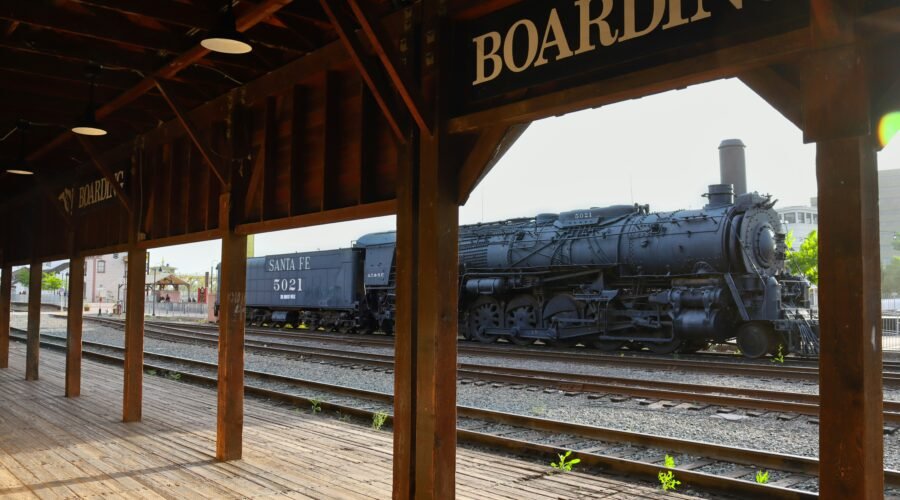
- California State Railroad Museum: Located in Old Sacramento, this is one of the best railroad museums in North America. It chronicles the vital role of railroads in California’s development. The sheer scale of the restored locomotives is impressive, even if you’re not a train enthusiast.
- Crocker Art Museum: While not strictly historical, the Crocker is housed in a beautiful historic building and showcases an impressive collection of California art, as well as art from around the world. It’s a cultural cornerstone of the city.
Experiencing the Outdoors: Parks, Rivers, and Trails
Sacramento’s proximity to natural beauty offers ample opportunities for outdoor enjoyment.
- American River Parkway: This is a gem for active visitors. Miles of paved trails follow the American River, perfect for biking, jogging, or a leisurely stroll. You can rent bikes in various locations. Pack a picnic and enjoy the scenic beauty.
- William Land Park: This expansive city park is home to several attractions, including the Sacramento Zoo and Fairytale Town. It’s also a great spot for picnics, relaxing by the pond, or simply enjoying the green space.
- McKinley Park Rose Garden: If you’re visiting in spring or early summer, this rose garden is a must-see. It’s beautifully maintained and offers a fragrant, colorful escape from the urban environment.
- Riverfront Exploration: Beyond Old Sacramento, explore other parts of the riverfront. Consider kayaking or paddleboarding for a more active way to see the city from the water, especially during warmer months.
Culinary Delights: A Taste of Sacramento
As a dedicated Farm-to-Fork city, Sacramento offers a foodie experience for every palate and budget.
- Midtown Exploration: This is where the city’s vibrant culinary scene truly shines. Dive into the diverse range of restaurants, cafes, and bars. From upscale dining to casual bistros and breweries, Midtown has it all.
- Farmers’ Markets: If your visit aligns with one of Sacramento’s many farmers’ markets (check days and locations), it’s an excellent way to sample fresh local produce, artisanal foods, and even enjoy prepared meals. It’s a true immersion into the Farm-to-Fork culture.
- Craft Breweries: Sacramento has a thriving craft beer scene. Many breweries offer tasting rooms where you can sample a variety of local brews.
- Unique Eateries: Venture beyond the well-known to discover hidden gems. Research local blogs or ask locals for recommendations for spots specializing in specific cuisines or offering a unique dining experience.
Family-Friendly Adventures: Fun for All Ages
| Month | Weather | Crowds | Costs |
|---|---|---|---|
| January | Cool and rainy | Low | Low |
| April | Mild and sunny | Medium | Medium |
| July | Hot and dry | High | High |
| October | Mild and sunny | Low | Low |
Sacramento has plenty to keep younger visitors entertained.
- Sacramento Zoo: Located in William Land Park, this medium-sized zoo is well-maintained and offers a pleasant outing for families. It’s known for its focus on conservation efforts.
- Fairytale Town: Also in William Land Park, this is a whimsical outdoor children’s museum with storybook-themed play structures and live performances. It’s perfect for toddlers and young children.
- California State Transportation Museum: A bit off the beaten path, this museum has a fascinating collection of historic vehicles, from early cars to trains, which can be a big hit with kids interested in transportation.
If you’re planning a trip to Sacramento, California, understanding the best time to visit can greatly enhance your experience. Factors such as weather, crowds, and costs play a significant role in determining when to go. For those looking to dive deeper into travel tips and insights, you might find this related article on traveling in California particularly helpful, as it offers valuable information that complements your planning for a memorable stay in Sacramento.
Getting Around Sacramento: Your Transportation Options
Navigating Sacramento is generally manageable, and depending on your priorities and where you’re staying, you have several good options.
Driving and Parking: The Familiar Choice
If you’re comfortable driving, having your own vehicle offers the most flexibility, especially if you plan to venture outside the immediate downtown core.
- Convenience: Having a car allows you to visit attractions spread across the city and explore surrounding areas like wine country or day trip destinations with ease.
- Parking Challenges: Be aware that parking in popular areas like Downtown and Old Sacramento can be a significant hassle and expense. Metered street parking has time limits, and parking garages can be costly, often charging by the hour or a daily flat rate.
- Traffic: Rush hour traffic can get congested, especially on major freeways like I-5 and Highway 50, so plan your travel times accordingly if you’re driving during peak hours.
- Rental Cars: If you’re flying into SMF, renting a car upon arrival is straightforward. Book in advance for the best rates.
Public Transportation: A Budget-Friendly Alternative
Sacramento Regional Transit (SacRT) provides bus and light rail services that can get you to many key areas, though the network isn’t as extensive as in larger coastal cities.
- Light Rail: The light rail system connects Downtown, Midtown, and several suburban areas, including the airport (though the airport station requires a shuttle from the terminal). It’s a good option for reaching the Capitol, Old Sacramento, and some entertainment districts.
- Buses: The bus network fills in the gaps where the light rail doesn’t go. You’ll need to check routes and schedules carefully to ensure they align with your destinations.
- Cost-Effectiveness: Fares are relatively inexpensive, with day passes offering good value if you plan to use transit frequently.
- Time Commitment: Public transit can be slower than driving, as it involves stops and potential transfers. Factor in extra travel time, especially if you’re on a tight schedule.
- Planning is Key: Download the SacRT app or check their website for real-time information, route planning, and fare details.
Ride-Sharing Services: On-Demand Convenience
Uber and Lyft are widely available in Sacramento and offer a convenient door-to-door service.
- Flexibility: You can request a ride whenever and wherever you need one, making it a great option for getting to and from airports, restaurants, or specific attractions.
- Cost: While convenient, ride-sharing can become expensive, especially for longer distances or if you’re traveling during peak demand times (which often coincide with rush hour or weekend nights) when surge pricing is in effect.
- Solo or Group Travel: A single ride can be cost-effective for one or two people, but if you have a larger group, renting a van or splitting multiple rides might become more budget-conscious.
- Availability: Generally, availability is good throughout the city, but during major events or late at night, you might experience slightly longer wait times.
Biking and Walking: Exploring at Your Own Pace
Sacramento is a relatively flat city, and many areas, particularly Downtown, Midtown, and along the river, are very walkable and bikeable.
- Walkability: Downtown and Midtown are very walkable, allowing you to easily explore shops, restaurants, and many attractions on foot.
- Bike-Friendly: Sacramento is recognized as a bike-friendly city, especially due to the extensive American River Parkway. You can rent bikes from various shops and even through bike-share programs in some areas.
- Cost: Walking is free, and bike rentals are usually quite affordable for a day. This is a healthy and enjoyable way to see the city, especially during pleasant weather.
- Limitations: While great for specific areas, walking and biking are not practical for covering long distances across the entire city or for reaching attractions farther afield without significant time investment.
Packing Essentials for Sacramento: What to Bring
Packing smart will ensure you’re comfortable and prepared for Sacramento’s climate and activities, no matter when you visit.
Clothing: Layering is Your Best Bet
Sacramento’s temperatures can fluctuate, making layering a sensible strategy.
- Lightweight Layers: Pack t-shirts, long-sleeved shirts, and light sweaters that you can easily add or remove.
- Comfortable Bottoms: Jeans, khakis, or comfortable travel pants are versatile. Shorts are great for warmer months.
- Outerwear: A light to medium-weight jacket or a windbreaker is essential for cooler evenings or milder spring/fall days. If visiting in winter, a waterproof jacket or a warmer coat might be necessary.
- Rain Gear: Even outside of the peak winter months, a light, packable umbrella or a water-resistant jacket can be a lifesaver for unexpected spring or fall showers.
- Dressier Option: If you plan on dining at any upscale restaurants or attending an event, pack one slightly dressier outfit.
Footwear: Comfort is Non-Negotiable
You’ll likely be doing a lot of walking, so prioritize comfort.
- Comfortable Walking Shoes: Sneakers, supportive trainers, or sturdy walking shoes are a must. Consider shoes with good arch support.
- Sandals or Flip-Flops: For warmer weather or relaxing at your accommodation.
- Waterproof Shoes (Optional): If visiting in the wetter winter months and planning on a lot of outdoor exploration, waterproof shoes or boots can be a good idea.
Health and Personal Items: The Practicalities
Don’t forget these essentials for a smooth trip.
- Sunscreen: Even on cloudy days, the sun in Sacramento can be strong. Pack a high SPF sunscreen.
- Hat: A wide-brimmed hat or cap for sun protection.
- Sunglasses: Essential for sunny days.
- Reusable Water Bottle: Staying hydrated is crucial, especially in warmer months. You can easily refill it.
- Basic First-Aid Kit: Band-aids, antiseptic wipes, pain relievers, and any personal medications.
- Insect Repellent: Especially if you plan on spending time near the river or in parks during warmer months.
- Portable Phone Charger: With all the photos you’ll be taking, a portable charger is a lifesaver.
- Daypack or Small Backpack: For carrying essentials like water, snacks, sunscreen, and a jacket while exploring.
Documents and Money: Staying Prepared
Keep these organized and accessible.
- Identification: Driver’s license or passport.
- Credit/Debit Cards: Notify your bank of your travel dates to avoid any holds.
- Some Cash: While most places accept cards, it’s always good to have a small amount of cash for smaller vendors or tips.
- Copies of Important Documents: Keep digital or physical copies of your ID, hotel reservations, and flight information separate from the originals.
This guide should give you a solid foundation for planning your Sacramento adventure. Remember to check the specific weather forecast closer to your travel dates and book accommodations and any must-do tours in advance, especially if you’re traveling during peak times. Enjoy your trip to the Golden State’s capital!
FAQs
1. What is the best time of year to visit Sacramento, California?
The best time to visit Sacramento is during the spring (March to May) and fall (September to November) when the weather is mild and the city is less crowded.
2. What is the weather like in Sacramento throughout the year?
Sacramento experiences hot, dry summers with temperatures often exceeding 90°F, and mild, wet winters with temperatures averaging around 50°F. Spring and fall offer mild temperatures and are considered the most pleasant times to visit.
3. When are the peak tourist seasons in Sacramento?
The peak tourist seasons in Sacramento are during the summer months (June to August) and major holidays, when the city experiences an influx of visitors and higher accommodation costs.
4. Are there any cost considerations when planning a trip to Sacramento?
Accommodation costs tend to be higher during the peak tourist seasons, particularly in the summer and around major holidays. Visitors may find better deals on accommodations and attractions during the shoulder seasons of spring and fall.
5. What are some popular events and festivals in Sacramento throughout the year?
Sacramento hosts a variety of events and festivals throughout the year, including the Sacramento Music Festival in May, the California State Fair in July, and the Farm-to-Fork Festival in September. These events can attract large crowds and may impact travel costs and availability.