San Francisco is a fantastic city to visit, but its fog, changing weather, busy attractions, and hotel prices can surprise first-time travelers. Choosing the right month can make a big difference. Late spring and early fall are generally good choices, while summer brings more family travel and winter offers a quieter experience with a greater chance of rain.
Quick Answer
The best time to visit San Francisco is generally September through October for milder weather, clearer skies, and comfortable sightseeing conditions. April and May are also excellent choices. Visit during winter for a potentially quieter, more affordable trip, or choose summer if school holidays are your priority. Pack layers in every season.
Key Takeaways
- Best overall weather: September and October often provide some of the city’s clearest and warmest conditions.
- Best spring alternative: April and May offer mild temperatures and improving weather.
- Summer travel: June through August can be busy, foggy, windy, and cooler than visitors expect.
- Potential budget period: January through March may offer lower accommodation demand, although rain and events can affect your plans.
- Essential planning tip: Check major events, compare hotel totals, and reserve popular attractions before finalizing your itinerary.
1. Understanding San Francisco’s Weather
San Francisco weather is famously unpredictable. Forget what you think you know about California sunshine; this coastal city follows its own weather patterns.
The Pacific Ocean, surrounding hills, and San Francisco Bay create conditions that can change from one neighborhood to another. A sunny afternoon downtown does not guarantee clear skies at the Golden Gate Bridge.
1.1 The Fog: Meet Karl
Locals affectionately call San Francisco’s fog Karl. The summer months, particularly June through August, are often associated with cool marine air, low clouds, and fog near the coast.
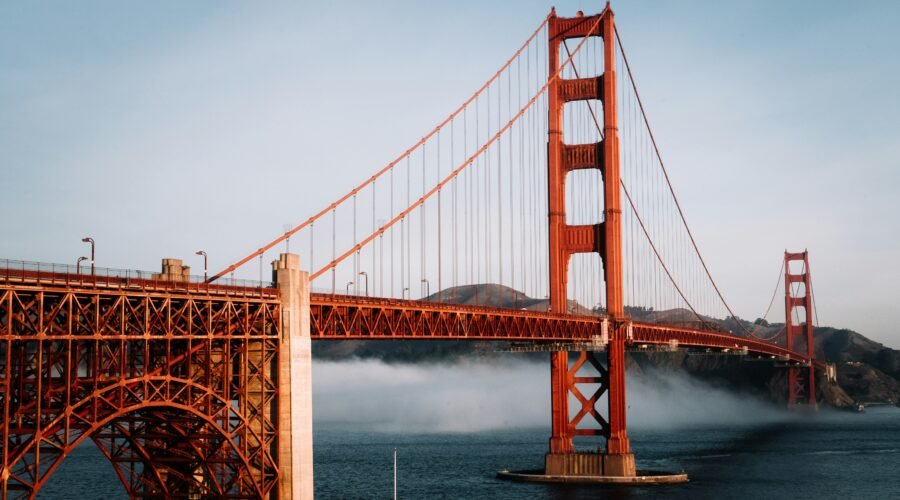
Fog frequently develops overnight or during the morning and may clear later in the day. However, it can linger along the western coastline and around the Golden Gate Bridge even when other neighborhoods become sunny.
Don’t be surprised if you need a jacket in July. Inland Bay Area destinations can feel much warmer than San Francisco on the same day.
The National Weather Service’s San Francisco climate reference explains the city’s distinctive coastal weather and seasonal rainfall patterns.
1.2 Embracing the Microclimates
San Francisco is a city of distinct microclimates. What’s sunny and pleasant in the Mission District may be windy and foggy in Golden Gate Park or chilly beside the Golden Gate Bridge.
Always dress in layers. A T-shirt, light sweater, and windproof jacket are a practical combination for most of the year.
Check the forecast for the specific neighborhood you plan to visit rather than relying only on a single citywide temperature.
1.3 Best Weather Windows
- Late Spring (April–May): Rain becomes less common, days are generally mild, and parks begin to look especially attractive. You may still encounter cool evenings and coastal fog.
- Early Fall (September–October): Often called San Francisco’s real summer, this period frequently brings clearer skies, milder coastal conditions, and comfortable weather for walking and outdoor activities.
- Late Fall (November): Pleasant days remain possible, but the chance of rain generally increases as the wet season approaches.
If your main goal is photographing the Golden Gate Bridge or enjoying outdoor viewpoints, September and October are sensible months to consider. Still, no month guarantees a fog-free view.
1.4 Avoiding the Wet Season
San Francisco’s rainy season generally runs from November through March. Rain does not fall constantly, but occasional storms can disrupt sightseeing, cycling, and coastal walks.
Winter can still be rewarding. Museums, restaurants, neighborhood cafes, and indoor attractions give you plenty to do when outdoor conditions are poor.
If you’re comfortable carrying a rain jacket and keeping your itinerary flexible, winter may provide a calmer travel experience.
Note: Seasonal climate patterns are useful for choosing travel dates, but they are not a substitute for checking the forecast shortly before departure.
Before booking, compare the seasonal outlook with your preferred attractions and travel dates. Our editorial policy provides information about this website’s approach to travel content.
2. Best Time to Visit San Francisco Month by Month
Every month has advantages. Use this comparison to choose a travel period that fits your priorities.
Crowd and cost descriptions are general planning expectations, not guarantees. Conventions, holidays, festivals, and major sporting events can change demand on individual dates.
| Month | Weather | Crowds | Costs |
|---|---|---|---|
| January | Cool and often rainy | Often lighter after holidays | Potential off-peak deals |
| February | Cool, with rain possible | Generally moderate to light | Date-dependent deals |
| March | Mild but changeable | Increasing spring activity | Variable |
| April | Mild, with improving weather | Moderate | Moderate to event-dependent |
| May | Generally mild | Moderate to busy | Demand may increase |
| June | Cool coastal fog and wind | Busy summer period | Often higher demand |
| July | Frequently cool and foggy | Busy summer period | Often higher demand |
| August | Cool mornings and coastal fog | Busy summer period | Often higher demand |
| September | Often warmer and clearer | Moderate; events matter | Variable |
| October | Often mild with clearer skies | Moderate; event spikes possible | Variable |
| November | Cooling, with increasing rain | Holiday-dependent | Variable |
| December | Cool and potentially rainy | Holiday-dependent | Variable |
Which Month Should You Choose?
Choose September or October if comfortable outdoor sightseeing is your priority.
Choose April or May if you want mild spring weather and an enjoyable combination of parks, neighborhoods, and attractions.
Choose January through March if you are flexible about rain and want to compare potentially lower-demand hotel dates.
Choose June through August if summer vacation timing matters most, but prepare for fog and advance-booking requirements.
For more destination-planning ideas, browse Lele Tours, and confirm changing attraction details directly with official operators before your trip.
3. Dealing with the Crowds
San Francisco attracts visitors throughout the year. Understanding typical travel patterns can help you avoid unnecessary queues and choose better hotel dates.
3.1 Peak Tourist Seasons
- Summer (June–August): School vacations bring additional family travel. Popular attractions, restaurants, and cable car stops may be busy.
- Holiday Periods: Thanksgiving, Christmas, and New Year’s can increase demand, particularly around popular tourist areas and special events.
- Conferences and Events: Large conventions, concerts, festivals, and sporting events can create significant hotel-price changes.
September and October are attractive weather months, but they are not guaranteed to be quiet or inexpensive. Events can make particular weekends unusually busy.
Before choosing accommodation, review the San Francisco Travel events calendar.
3.2 Shoulder Season Sweet Spots
- Late Spring: April and May can provide pleasant sightseeing conditions before the busiest summer holiday periods.
- Early Fall: September and October often offer attractive weather after many schools have resumed classes.
These months work especially well if your trip focuses on walking, food, museums, photography, and outdoor viewpoints.
3.3 Off-Peak Travel
January through March, excluding major holidays and event periods, can be appealing if you prefer a less hurried visit.
Some hotels may offer more competitive rates during lower-demand dates. However, a major convention can still make an otherwise quiet week expensive.
Compare your actual dates rather than assuming every winter booking will be cheaper.
3.4 Crowd Navigation Strategies
- Book Ahead: Reserve popular attractions, especially Alcatraz, before your trip.
- Go Early or Late: Visit popular viewpoints and attractions near opening time or during less busy periods.
- Explore Neighborhoods: The Mission, North Beach, Hayes Valley, Richmond, and Sunset offer experiences beyond the busiest waterfront areas.
- Use Public Transit: Muni can help you avoid parking costs and traffic, although vehicles may be crowded during busy periods.
- Keep Plans Flexible: Move outdoor activities to clearer days and save indoor attractions for foggy or rainy weather.
3.5 How Far Ahead Should You Book Alcatraz?
Alcatraz is one of San Francisco’s most popular attractions, and advance reservations are strongly recommended.
The National Park Service identifies Alcatraz City Cruises as the only authorized ferry transportation provider for visits to the island. Tickets may be purchased up to 90 days in advance.
Check availability through the official National Park Service ticket information.
Pro Tip: If Alcatraz is a must-do activity, check ticket availability before purchasing nonrefundable flights or accommodation. Summer and holiday dates can sell out well ahead of time.
4. The Cost of Visiting San Francisco

San Francisco can be an expensive destination, particularly when accommodation, meals, attraction tickets, and transportation are added together.
Prices vary considerably by neighborhood, season, booking window, hotel category, and local events. A realistic budget should be based on your actual travel dates rather than a single citywide average.
4.1 Accommodation Expenses
- Hotels: Compare several properties for the same dates. Central locations can be convenient, but the lowest advertised nightly rate may not represent the final bill.
- Alternative Stays: Apartments and vacation rentals may provide value for groups or longer stays.
- Airbnb and VRBO: Check the listing’s legitimacy, cancellation terms, cleaning fees, and applicable local requirements.
- Hostels: Dorm rooms and private hostel rooms can help solo travelers control accommodation expenses.
- Boutique vs. Chain Hotels: Independent properties may provide a different experience, while larger chains may offer loyalty benefits or additional amenities.
When comparing accommodation, include taxes, mandatory fees, parking, and transportation from the hotel to your planned attractions.
4.2 Where Should You Stay?
- Union Square: Convenient for shopping, central transit connections, and many hotel options.
- Fisherman’s Wharf: Practical for waterfront sightseeing, family attractions, and access to Alcatraz departures.
- Embarcadero: Useful for waterfront walks, ferry connections, and downtown access.
- Marina District: Attractive for travelers interested in waterfront scenery and nearby outdoor activities.
- Richmond and Sunset: Worth considering for neighborhood experiences, restaurants, and access to western parks and beaches.
Compare the total cost and travel time from each property. A lower room rate may not save money if you need frequent ride-shares.
4.3 Dining and Food Costs
San Francisco has an impressive food scene, from neighborhood bakeries and taquerias to upscale restaurants.
Restaurant bills can increase quickly once tax, drinks, and gratuity are included. Fortunately, you do not need expensive dining reservations for every meal.
- Groceries: Use supermarkets such as Trader Joe’s, Safeway, or Whole Foods for breakfast, snacks, and picnic lunches.
- Food Trucks: Explore food trucks and markets for convenient casual meals.
- Happy Hours: Some restaurants offer reduced prices on selected food and drinks during designated hours.
- Neighborhood Eateries: Explore Mission District taquerias and Asian restaurants in the Richmond and Sunset neighborhoods.
- Lunch Specials: Compare lunch menus when you want to try a restaurant without committing to a more expensive dinner.
4.4 Transportation Around the City
Public transportation can be useful for keeping travel costs under control.
- Muni: Provides buses, light rail, historic streetcars, and cable cars.
- Clipper: Allows payment across participating Bay Area transit systems.
- Visitor Passports: Available for 1, 3, or 7 consecutive days and include cable cars as well as other Muni services.
- Walking: Free and often enjoyable, although some streets are steep.
- Ride-Shares: Convenient but subject to changing prices and traffic.
- Taxis: Another option for airport transfers, luggage, or late-night travel.
- Rental Cars: Usually unnecessary for a city-focused itinerary, although they may be useful for selected day trips.
As of September 2026, the published standard cable car single-ride fare is $9. The published Visitor Passport fares are $15 for one day, $35 for three days, and $47 for seven days.
Check SFMTA’s official fare schedule before traveling because fares and ticket options can change.
Remember that a Visitor Passport covers Muni services but does not include BART airport transportation.
4.5 Attractions and Activities
San Francisco offers plenty of activities that do not require expensive admission tickets.
Free or largely free activities include:
- Walking across the Golden Gate Bridge during permitted pedestrian hours.
- Exploring the public areas of Golden Gate Park.
- Window shopping and people-watching in different neighborhoods.
- Visiting Dolores Park for city views.
- Exploring Chinatown and North Beach.
- Hiking at Lands End or along designated Presidio trails.
- Enjoying waterfront views along the Embarcadero.
- Visiting accessible public areas around Coit Tower; the observation deck has a separate admission charge.
Some attractions inside Golden Gate Park, including the Japanese Tea Garden, California Academy of Sciences, and de Young Museum, charge admission or have specific free-access arrangements.
Paid attractions: Alcatraz, the California Academy of Sciences, Exploratorium, de Young Museum, SFMOMA, and Aquarium of the Bay.
If you plan to visit several paid attractions, compare individual ticket prices with the current CityPASS or other attraction-pass options. A pass only provides value when it includes places you genuinely intend to visit.
4.6 A Practical San Francisco Budget Strategy
Instead of relying on an outdated daily-cost estimate, build your budget from five categories:
- Accommodation, including taxes and required fees.
- Airport transfers and daily transportation.
- Meals, snacks, and drinks.
- Attraction tickets and tours.
- A small reserve for unexpected expenses.
Price these items for your exact dates before booking. Comparing several nearby weekdays can sometimes reveal substantial differences in hotel availability.
5. Packing Essentials for San Francisco

Beyond layers, a few practical items can make your San Francisco trip significantly more comfortable.
5.1 Weather-Proofing Your Wardrobe
- Versatile Layers: Pack T-shirts, long-sleeved shirts, a sweater or fleece, and a medium-weight windproof jacket. Bring a waterproof outer layer if rain is forecast.
- Comfortable Walking Shoes: Choose supportive shoes suitable for hills, stairs, and long sightseeing days.
- Scarf: Useful when wind increases near the waterfront.
- Beanie or Hat: Helpful during cool mornings, foggy evenings, and coastal visits.
- Extra Socks: Particularly useful if your itinerary includes wet-weather walking.
5.2 Practical Gear
- Reusable Water Bottle: Stay hydrated while exploring and refill when facilities are available.
- Small Backpack or Crossbody Bag: Carry your jacket, camera, water bottle, and daily essentials.
- Portable Charger: Navigation, photography, and transit apps can consume phone battery throughout the day.
- Sunscreen and Sunglasses: Useful even when clouds or fog are present.
- Small Umbrella: Optional during the rainy season, although a waterproof jacket may be more practical in strong wind.
- Offline Maps: Download maps before heading to less familiar neighborhoods or outdoor areas.
Pro Tip: Carry a light jacket even when the morning forecast looks warm. Weather can change quickly between downtown, the waterfront, and western neighborhoods.
6. Getting Around San Francisco Like a Local
San Francisco’s public transportation, walkable neighborhoods, and scenic routes make it possible to explore much of the city without renting a car.
6.1 Mastering Public Transit (Muni)
- Buses and Streetcars: Muni connects neighborhoods throughout San Francisco. The historic F-Market & Wharves streetcar is also an attraction in its own right.
- Cable Cars: An iconic experience, although popular boarding locations can have long lines.
- BART: Useful for airport connections, selected San Francisco stations, and travel to other Bay Area cities.
Use a transit app such as Google Maps or Citymapper to compare routes and travel times.
For ordinary adult Muni fares, eligible contactless credit and debit cards can be used at supported Clipper readers. Clipper remains useful for travel across participating regional transit systems.
Since September 1, 2026, new Muni single-ride tickets have no longer been available for purchase through MuniMobile. Other ticket products remain available during the app’s transition.
For current payment information, visit SFMTA’s MuniMobile information page.
6.2 Walking: Your Best Friend
San Francisco’s hills are legendary, but the views from the top can be rewarding. Many neighborhoods are enjoyable on foot, especially when you leave enough time to explore.
Wear comfortable shoes, check your walking route, and remember that two destinations that look close on a map may be separated by a steep climb.
If you have limited mobility or are traveling with a stroller, look for accessible transit routes and less demanding walking alternatives.
6.3 Biking the Bay
- Golden Gate Bridge Ride: Cycling across the bridge toward Sausalito and returning by ferry is a popular outing.
- Golden Gate Park: Offers enjoyable routes for exploring different parts of the park.
- Bike Share: Bay Wheels provides classic and electric bicycle options in participating areas.
Check bicycle-access rules and current conditions before crossing the Golden Gate Bridge. Pedestrians and cyclists use designated sidewalks under different operating arrangements.
Rental bicycles are not available directly at the bridge, so arrange a rental before arriving.
6.4 When to Consider Uber, Lyft, or a Taxi
- Late at Night: When your preferred transit service is limited.
- Heavy Rain: When walking or waiting outdoors is uncomfortable.
- Heavy Luggage: Particularly for airport transfers and accommodation changes.
- Specific Destinations: When a direct journey saves substantial time.
- Accessibility Needs: When a suitable accessible vehicle or service is required.
Compare the estimated fare and pickup time before requesting a ride.
6.5 Getting to San Francisco from SFO or Oakland Airport
From San Francisco International Airport (SFO): BART connects the airport with downtown San Francisco. The airport station is located at the International Terminal, with AirTrain connections available from other terminals.
From Oakland Airport (OAK): Use the Oakland Airport Connector to Coliseum Station, then transfer to a San Francisco-bound BART train.
Check the official BART airport guide for current routes, schedules, fares, and accessibility information.
If your flight arrives late or leaves very early, verify whether the train service will be operating at the required time.
7. Seasonal Activities and Special Events
The time of year you choose can influence what you do beyond the usual tourist attractions.
Spring: Parks, Neighborhoods, and Walking
Spring is well suited to exploring Golden Gate Park, neighborhood streets, outdoor viewpoints, and waterfront paths.
April and May are particularly appealing if you want a balanced itinerary with both indoor and outdoor activities.
Summer: Festivals and Family Sightseeing
Summer brings school-holiday travel and outdoor events. Popular attractions can be busy, so book important activities early.
Do not assume that summer means beach weather. Coastal fog and wind can make waterfront sightseeing surprisingly chilly.
Fall: Clearer Views and Outdoor Exploration
September and October are attractive for photography, walking, cycling, and exploring outdoor attractions.
Fall also brings major local events, including October’s Fleet Week. Check the exact dates and hotel availability before committing to a trip.
Winter: Museums, Food, and Indoor Attractions
Winter is an opportunity to enjoy museums, cafes, neighborhood restaurants, and cultural attractions at a more relaxed pace.
Keep a flexible schedule for outdoor activities and move them to clearer days when possible.
8. Safety and Accessibility Tips
San Francisco is enjoyable to explore, but coastal conditions, steep streets, and busy attractions require some planning.
- Coastal Trails: Stay on designated paths and away from unstable cliff edges.
- Beaches: Do not assume beaches are safe for swimming. Cold water, strong surf, rip currents, and unexpected waves can be dangerous.
- Personal Belongings: Keep valuables secure and never leave luggage or visible valuables unattended in a parked vehicle.
- Weather: Carry layers and check current conditions before visiting exposed viewpoints.
- Transit Accessibility: Most Muni buses and rail vehicles offer accessible transportation options, but historic cable cars are not wheelchair accessible.
- Walking Routes: Check hills, stairs, and terrain before choosing a route if accessibility is a concern.
Warning: Do not enter the water at an unfamiliar San Francisco beach or approach cliff edges for photographs. Coastal conditions can change quickly, and some areas have dangerous surf and unstable terrain.
For official outdoor guidance, consult the National Park Service safety information.
9. Planning Your Golden Gate Bridge Visit
Walking or cycling across the Golden Gate Bridge is a classic San Francisco experience, but the correct access route depends on how you are traveling.
Pedestrians use the east sidewalk during designated operating hours. The bridge’s official visitor information lists seasonal pedestrian hours and any applicable temporary restrictions.
Walking the entire bridge is possible. You can also walk partway, enjoy the views, and return to your starting point if you prefer a shorter outing.
For cyclists, the designated sidewalk depends on the day and time.
Check the official Golden Gate Bridge pedestrian and bicycle rules before visiting.
Fog can hide the bridge at any time of year. If photography is important, keep another opportunity in your itinerary rather than depending on a single visit.
By understanding San Francisco’s changing weather, visitor patterns, and transportation costs, you can plan a trip that fits your priorities. Whether you choose spring sunshine, fall’s clearer skies, summer activities, or a quieter winter visit, flexibility will help you enjoy more of the city.
Frequently Asked Questions
What is the best time to visit San Francisco for good weather?
September and October are generally strong choices because they often bring clearer skies, milder coastal conditions, and comfortable weather for sightseeing. April and May are good alternatives.
When is peak tourist season in San Francisco?
June through August is a busy summer travel period because of school vacations. Holidays, conventions, and major events can also create busy periods at other times of year.
What is the best time to visit San Francisco to avoid crowds?
January through March, excluding major holidays and event dates, can provide a quieter experience. However, conventions and other events can still increase demand.
When is the most affordable time to visit San Francisco?
Lower-demand winter dates may offer better accommodation rates, but the most affordable option depends on your actual travel dates. Compare several weekdays and check for major conventions before booking.
What is the best time to visit San Francisco for outdoor activities?
April, May, September, and October are attractive months for walking, cycling, parks, and sightseeing. September and October often provide especially pleasant coastal conditions.
Why is San Francisco so foggy in summer?
Cool ocean conditions and seasonal weather patterns help create coastal fog and low clouds. Fog can move inland through the Golden Gate, making coastal neighborhoods cooler than areas farther inland.
Can you walk across the Golden Gate Bridge?
Yes. Visitors can walk the full bridge using the designated pedestrian sidewalk during permitted hours. Check the official bridge website for seasonal access times and temporary restrictions.
Do I need a rental car in San Francisco?
Most visitors can explore major city attractions using Muni, BART, walking, and occasional ride-shares. A rental car may be useful for selected trips outside the city, but parking can add significant expense.
How early should I book Alcatraz tickets?
Book as soon as your travel dates are confirmed, particularly during summer and holidays. The authorized provider offers advance reservations, and popular departures can sell out.
Sources
- National Weather Service — Climate of San Francisco — seasonal temperatures, fog, and rainfall patterns.
- San Francisco Municipal Transportation Agency — Official Fares — cable car pricing, Muni fares, and Visitor Passports.
- SFMTA — MuniMobile — September 2026 payment changes and available fare options.
- National Park Service — Alcatraz Fees and Passes — authorized ferry service, admission information, and advance reservations.
- BART — Airport Connections — transportation between San Francisco, SFO, and Oakland Airport.
- Golden Gate Bridge Highway and Transportation District — Bikes and Pedestrians — pedestrian access, bicycle rules, and operating hours.