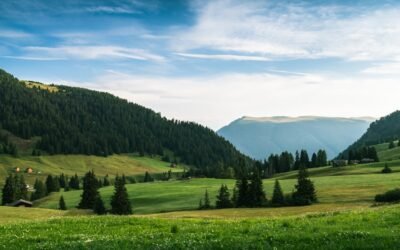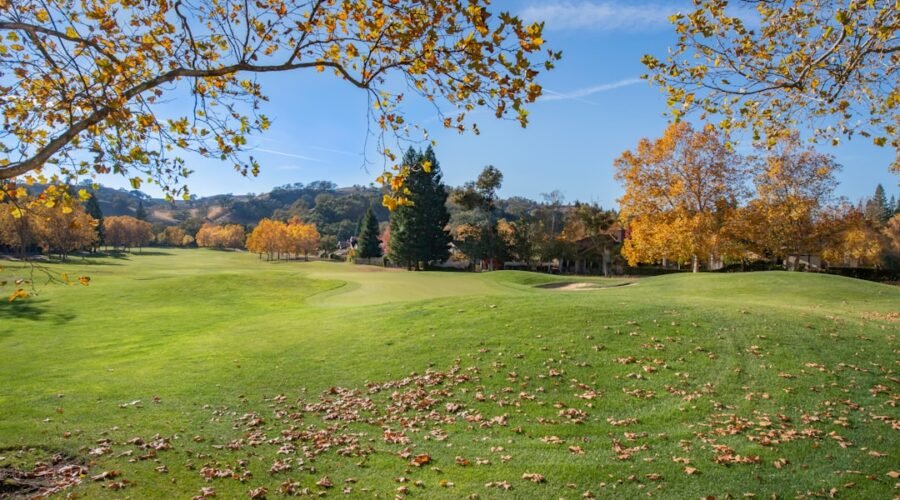
If you’re planning a trip to Burra, South Australia, timing can make a noticeable difference to how comfortable, busy, and expensive your visit feels. For most travellers, April and May are among the best months to visit Burra because the intense summer heat has usually eased while days are still well suited to walking around mine sites, heritage buildings, and the historic town centre.
Quick Answer
For the best balance of comfortable weather, manageable visitor numbers, and flexible accommodation choices, aim for April to May. Spring, especially September and October, is another good option. Winter suits travellers who prefer quiet heritage sightseeing, while summer requires more careful heat and bushfire planning.
Key Takeaways
- Best overall: April and May for milder conditions and comfortable heritage sightseeing.
- Good alternative: September and October, when days are generally milder and the countryside may be greener after winter rain.
- Quietest feel: Winter can be excellent if you do not mind cold mornings, shorter daylight hours, and a greater chance of rain.
- Most demanding weather: Summer can bring very hot days, so outdoor sightseeing is better planned for cooler parts of the day.
- Safety: Check SA Country Fire Service fire danger ratings and Total Fire Ban information when travelling during warmer months.
- Main paid attraction: The Burra Heritage Passport currently provides access to 11 locked heritage sites.
Burra lies about two hours north of Adelaide and is one of South Australia’s most significant historic mining towns. The Australian Cornish Mining Sites at Burra are included on Australia’s National Heritage List, reflecting the importance of Cornish mining technology, culture, and migration to the town’s development. You can read the Australian Government’s heritage information at Australian Cornish Mining Sites: Burra.
Burra typically experiences hot, comparatively dry summers and cool, wetter winters, but individual years can vary significantly. That makes the seasonal pattern useful for planning, not a substitute for checking the Bureau of Meteorology’s South Australian climate information and the short-range forecast before your trip.
Best Time to Visit Burra by Season
Summer (December to February)
Summer can work if you enjoy hot, dry inland conditions, but it is the season that requires the most careful planning. Very hot days are possible, and exposed mine sites, walking routes, and historic areas can become uncomfortable during the afternoon.
Pros of Summer Visits
- Long daylight hours: You have more daylight for sightseeing, provided you schedule strenuous outdoor activities around the heat.
- Clear, expansive landscapes: Burra’s dry summer countryside has a rugged appearance that suits landscape photography.
- Many dry days: Rain is generally less persistent than during the cooler part of the year, although showers and thunderstorms are still possible.
Cons of Summer Visits
- Heat: Long walks around exposed heritage areas can become tiring or unsafe during very hot conditions.
- Bushfire risk: Fire Danger Season restrictions apply in South Australian fire ban districts during declared periods, and Total Fire Bans can affect travel and outdoor activities.
- Flies and insects: Insect activity can be more noticeable in warm conditions, so repellent can be useful.
- Possible travel disruption: Bushfires, severe weather, emergency restrictions, or local road conditions can affect regional routes, so check conditions before longer drives.
Warning: If you visit during warmer months, check the SA Country Fire Service traveller advice and current Fire Danger Rating every day. CFS advises travellers to reconsider plans in dangerous conditions and to leave high-risk bushfire areas on Catastrophic days.
Autumn (March to May)
For most visitors, autumn offers the strongest overall balance. March can still produce hot spells, but conditions normally become more comfortable as the season progresses. April and May are particularly practical for exploring Burra on foot and by car.
Pros of Autumn Visits
- More comfortable daytime conditions: The worst summer heat is generally less frequent, which makes mine sites and heritage walks easier to enjoy.
- Cooler evenings: Nights become noticeably cooler, making pub meals and heritage accommodation especially appealing.
- Changing countryside: Rain can begin to freshen the surrounding landscape as the season progresses.
- Easy Clare Valley extension: Burra combines well with a wider autumn trip through nearby Clare Valley, which is known for vineyards, food, and wine.
Cons of Autumn Visits
- Cool mornings and evenings: A light jacket or warm layer becomes increasingly useful in April and May.
- Variable rainfall: Autumn is not guaranteed to be dry. Weather can change sharply from one year to another, so check the forecast rather than relying only on averages.
- Busy weekends: Public-holiday and event weekends can temporarily increase accommodation demand.
Pro Tip: If your dates are flexible, try a midweek visit in April or May. You are more likely to find a relaxed town atmosphere while still having comfortable daylight for the Heritage Passport route.
Winter (June to August)
Winter in Burra is cool and often crisp. It suits travellers who enjoy historic towns without needing warm weather and who do not mind carrying waterproof layers.
Pros of Winter Visits
- Quiet atmosphere: Outside special events and holiday periods, winter can feel particularly peaceful.
- Cosy accommodation: Historic cottages, pubs, and country-style accommodation suit cold evenings well.
- Greener countryside: Winter rainfall can turn surrounding paddocks and hills noticeably greener.
- Photography: Lower-angle winter light, clouds, fog, and damp stone buildings can create atmospheric photographs.
Cons of Winter Visits
- Cold conditions: Mornings and nights can be cold, so warm layers are important.
- Greater chance of rain: Wet weather may make exposed or unsealed heritage areas less comfortable.
- Shorter daylight: You have fewer daylight hours for a spread-out self-guided itinerary.
- Opening arrangements: Volunteer-run or smaller attractions may alter hours, so verify opening times before making a special trip.
Spring (September to November)
Spring is another strong period for visiting Burra. Days generally become milder, daylight increases, and the countryside can remain green after winter rainfall.
Pros of Spring Visits
- Seasonal colour: Depending on winter rainfall and local conditions, native flowers and greener vegetation may add colour to the surrounding landscape.
- Comfortable sightseeing: Early and mid-spring are often more pleasant for walking than the hottest part of summer.
- Longer daylight: Increasing daylight gives you more flexibility for the Heritage Passport driving route.
- Rural activity: The surrounding district is active farmland, although livestock and lambing schedules vary by property and should not be treated as a guaranteed attraction.
Cons of Spring Visits
- Wind: Breezy days can occur, particularly in exposed areas.
- Hay fever: People sensitive to pollen may find spring more uncomfortable.
- Insects: Insect activity usually increases as temperatures rise.
- Late-spring heat: November can already produce hot conditions, so summer-style heat planning may be necessary.
Best Time to Visit Burra by Travel Style
| Your Priority | Best Period | Why |
| Best overall balance | April-May | Milder conditions and comfortable heritage sightseeing. |
| Quiet trip | June-August | Cooler weather and generally relaxed conditions outside event dates. |
| Green countryside | Winter to early spring | Seasonal rain can freshen paddocks and surrounding hills. |
| Long daylight | Late spring-summer | More daylight, but heat and fire conditions need extra planning. |
| Comfortable photography trip | April-May or September-October | Less extreme temperatures make it easier to spend longer outdoors. |
If you’re planning a trip to Burra, South Australia, understanding the best time to visit is crucial for an enjoyable experience. Factors such as weather, crowds, and costs can significantly influence your travel plans. For those interested in exploring another destination with similar planning considerations, you can also read Best Time to Visit Watson Lake, Yukon: Weather, Crowds, and Costs.
Navigating Crowd Levels
Burra does not usually experience the sustained visitor volumes associated with major Australian resort destinations. The more useful question is not “When is peak season?” but “Which dates can suddenly become busier?” Accommodation supply is limited compared with a city, so a long weekend, school-holiday period, festival, race meeting, or other local event can make a noticeable difference.
Busier Periods: Holidays, Long Weekends and Events
School holidays, public-holiday weekends, and special events can increase demand even when the weather itself would not normally create a peak. The effect is most noticeable in distinctive heritage cottages and smaller accommodation properties with limited rooms.
What to Expect During Busier Times
- Higher accommodation demand: Popular heritage accommodation may sell out earlier.
- More visitors at key attractions: The Visitor Information Centre and major Passport sites can feel busier.
- Less flexibility: Restaurant tables, accommodation types, and preferred check-in dates may be harder to secure at short notice.
Shoulder Periods: Autumn and Spring
Autumn and spring are particularly attractive because they combine comparatively comfortable outdoor conditions with a relaxed regional-town experience. Outside major events and holiday weekends, they are strong choices for travellers who want to avoid both winter cold and summer heat.
Why Shoulder Months Work Well
- Comfortable sightseeing: Walking around heritage sites is generally easier than during very hot weather.
- More booking flexibility: Midweek dates often provide more accommodation choice than event weekends.
- Slower pace: You can spend more time at individual heritage sites without planning your day around afternoon heat.
Quiet Periods: Winter
If you value solitude more than warm weather, winter can be very rewarding. Burra’s stone buildings, mine ruins, and historic streets have an atmospheric quality in cool, cloudy conditions.
Benefits of a Quieter Visit
- Less competition for space: Heritage sites can feel particularly peaceful outside holiday periods.
- More atmospheric sightseeing: Cool weather suits museums, galleries, historic buildings, photography, and long pub lunches.
Note: There is no single crowd calendar that applies perfectly every year. Check the current Visit Burra event information before booking, especially if you are travelling on a weekend.
Managing Your Budget: Costs
Burra can be a reasonably manageable regional destination because many of its streetscapes, walks, scenic drives, and historic views can be enjoyed without paying admission. Your main expenses are usually accommodation, transport, meals, and paid heritage attractions.
Accommodation Costs
Burra offers historic cottages, motels, caravan-style accommodation, holiday rentals, and other regional stays. Prices are dynamic, so it is safer to compare your actual dates than to assume one season always has the lowest nightly rate.
Busy-Period Accommodation
- Greater demand: Rates and availability can tighten around public holidays, school holidays, and events.
- Book distinctive properties early: Heritage cottages and unusual stays have limited inventory.
Autumn and Spring Accommodation
- Good balance: These seasons can provide a useful compromise between weather comfort and booking flexibility.
- Midweek advantage: If your dates are flexible, Sunday-to-Thursday stays may offer more choice than event weekends.
Winter Accommodation
- Potential value: Some properties may have stronger availability outside holiday or event periods.
- Do not assume: Prices vary by property, booking channel, room type, and special event dates, so compare live rates before committing.
Activity and Attraction Costs
Much of Burra’s appeal comes from its preserved streets, landscapes, and mining history. The town’s main paid heritage experience is the Burra Heritage Passport.
The Burra Heritage Passport Key
The Burra Heritage Passport provides access to 11 locked heritage sites, including locations such as the Monster Mine area, Redruth Gaol, Unicorn Brewery Cellars, and Miners Dugouts.
As of this September 2026 update, Visit Burra lists the following Heritage Passport prices:
- Adult: AUD $35
- Concession/Senior: AUD $30
- National Trust member: AUD $25
- High-school student aged 16+: AUD $20
- Children 15 and under: Free
- Local resident: AUD $25, with the listed local arrangement covering up to six guests
A $50 refundable Heritage Key deposit per group is also currently listed. Prices and inclusions can change, so check the official purchase page before travelling.
The Heritage Passport currently opens 11 locked heritage sites across Burra, making it the town’s most useful single purchase for travellers who want to understand its mining history.
Visit Burra recommends allowing at least several hours for the experience. If history is a major reason for your trip, spreading the sites across a longer stay can make the route feel much less rushed.
Free and Low-Cost Activities
- Historic streets: Explore Burra’s preserved townscape on foot.
- Self-guided walks: Several heritage areas can be viewed without a paid tour.
- Scenic drives: Explore the surrounding Mid North countryside by car.
- Photography: Historic stone buildings, mine ruins, and surrounding landscapes offer plenty of free subjects.
- Picnics: Buying food locally and eating outdoors can reduce meal costs when the weather is suitable.
Other Paid Activities
- Special exhibitions and attractions: Charges can vary, so check the attraction’s current website rather than assuming a fixed fee.
- Local cafes and pubs: Allow a normal regional dining budget for meals and drinks.
- Souvenirs and local products: The Visitor Information Centre and local shops sell regional gifts and products.
Accessibility at Heritage Sites
Burra’s historic character also means some attractions were never designed for modern accessibility. Visit Burra’s mobility information notes gravel tracks, uneven ground, stairs, slopes, narrow entrances, and other limitations at several Heritage Passport sites.
If someone in your group uses a wheelchair, walker, or has limited mobility, review the official accessibility information before buying the Passport and ask the Visitor Information Centre which sites are most suitable.
Food and Drink Costs
Burra has cafes, pubs, shops, and other places to eat. Your food budget depends mainly on how often you dine out and whether your accommodation includes cooking facilities.
Eating Out
- Pub meals: Useful for substantial lunches and dinners.
- Cafes: Convenient for breakfast, lunch, coffee, and light meals.
- Self-catering: Buying groceries locally can reduce costs, especially for families or multi-night stays.
Fuel Costs
Burra is roughly a two-hour drive north of Adelaide, and self-driving is the easiest way to explore the wider region. Fuel prices change frequently, so compare current prices rather than relying on a fixed estimate. It is sensible to start longer regional drives with adequate fuel, particularly if you plan to continue beyond Burra toward more remote areas.
Practical Tips for Your Visit
Regardless of season, a little preparation makes a Burra trip easier. The town is straightforward to visit, but heritage sites are spread out, weather can change, and regional travel requires more planning than a city break.
Accommodation Booking
Book ahead if you want a particular historic cottage or are travelling over a public holiday, school-holiday period, or event weekend. For ordinary midweek dates, you may have more flexibility, but checking availability before the drive is still worthwhile.
Getting Around
Burra’s central streets can be explored on foot, but having your own vehicle is the easiest option for the full heritage experience. The official South Australian tourism site also describes self-driving as the easiest way to explore the Clare Valley region.
Road Conditions
Main roads into Burra are sealed, while some regional sightseeing routes and access tracks may be unsealed. Heavy rain can affect unsealed surfaces, and fires or emergency conditions can disrupt regional travel. Check local advice before using remote roads, particularly after severe weather.
What to Pack
- Layered clothing: Useful because temperatures can change considerably between morning, afternoon, and evening.
- Sturdy walking shoes: Heritage sites can include gravel, uneven ground, slopes, and old surfaces.
- Sun protection: Carry a hat, sunscreen, and sunglasses throughout the year.
- Water: Take more than you expect to need during hot weather or long drives.
- Insect repellent: Particularly useful in warm conditions.
- Camera or phone: Burra’s streetscapes, ruins, and surrounding countryside are highly photogenic.
- Basic first-aid supplies: Helpful when spending time on regional roads or outdoor heritage sites.
- Snacks: Useful when exploring sites spread beyond the town centre.
- Warm and waterproof layer: Especially important from late autumn through early spring.
Local Information and Resources
- Burra & Goyder Visitor Information Centre: Located at 2 Market Square, it is the main place to collect local maps and arrange the Heritage Passport.
- Current opening information: Visit Burra currently lists weekday hours of 9am-5pm and weekend/public-holiday hours of 10am-4pm, but confirm before making a special trip.
- Official visitor website: Use Visit Burra for attraction and event updates.
- Weather: Check the Bureau of Meteorology shortly before departure.
- Fire conditions: Check SA Country Fire Service ratings, warnings, and Total Fire Ban information when travelling in warmer months.
- Phone reception: Mobile coverage can become less reliable when you travel beyond town into more remote areas, so download essential maps or information in advance.
Month-by-Month Planning Snapshot
| Month | Typical Planning Consideration | Overall Fit |
| January | Hot weather; school holidays; check fire conditions. | Best for heat-tolerant travellers. |
| February | Hot conditions may continue; plan walks early or late. | Less comfortable for long outdoor days. |
| March | Transition month; hot spells and variable rain are possible. | Good, but weather can vary. |
| April | Generally more comfortable for walking and driving. | Excellent. |
| May | Cooler mornings and evenings; comfortable daytime sightseeing. | Excellent. |
| June | Cooler, wetter and quieter. | Good for quiet heritage trips. |
| July | Cold mornings, shorter daylight and possible rain. | Best for travellers comfortable with winter weather. |
| August | Still cool; countryside can be green. | Good for scenery and quiet sightseeing. |
| September | Milder spring weather and longer daylight. | Very good. |
| October | Comfortable spring sightseeing, although wind and warm spells are possible. | Very good. |
| November | Increasing heat and fire-season considerations. | Good with heat planning. |
| December | Hot weather, holiday demand and bushfire planning. | Best for travellers comfortable with summer heat. |
If you’re planning a trip to Burra, South Australia, understanding the best time to visit can greatly improve the experience. Weather, crowds, and costs all play a role. For another destination-focused seasonal guide, you can also read about the best time to visit Casper, Wyoming.
Final Recommendation
If you want the most practical combination of comfortable outdoor conditions, manageable visitor numbers, and flexible trip planning, April and May are the best overall months to visit Burra for most travellers. They avoid the most intense part of summer while still giving you enough daylight to explore the town’s nationally significant mining heritage.
September and October are excellent alternatives if you prefer spring. Winter is ideal for a quiet, atmospheric heritage trip if you pack warm and waterproof clothing. Summer can still be enjoyable, but build your day around the heat, carry plenty of water, and check CFS fire conditions before travelling.
Whatever month you choose, give the Heritage Passport enough time. Burra’s appeal is not a single attraction but the collection of mine sites, gaols, dugouts, cellars, historic buildings, streetscapes, and landscapes that reveal how the town developed.
Frequently Asked Questions
What is the best time to visit Burra, South Australia for good weather?
April and May are excellent choices for most visitors because the strongest summer heat has usually eased and outdoor heritage sightseeing is more comfortable. September and October are also good options if you prefer spring.
When is Burra busiest?
Burra does not have one simple year-round peak season. Accommodation and attractions can become noticeably busier during public-holiday weekends, school holidays, and major local events. Check the current event calendar if you are travelling on a weekend.
When is the quietest time to visit Burra?
Winter is often a good choice for travellers seeking a quieter atmosphere outside school-holiday and event periods. Expect colder mornings, shorter daylight hours, and a greater chance of wet weather.
How much does the Burra Heritage Passport cost?
As of September 2026, Visit Burra lists adult entry at AUD $35, concession and seniors at $30, National Trust members at $25, high-school students aged 16+ at $20, and children aged 15 and under free. A refundable $50 key deposit per group is also listed. Check the official Passport page before travelling because prices can change.
How many sites does the Burra Heritage Passport include?
The current Burra Heritage Passport provides access to 11 locked heritage sites around the town, including Redruth Gaol, the Miners Dugouts, Unicorn Brewery Cellars, and parts of the historic mine area.
How long should I spend in Burra?
You can see the town centre and several major sights on a day trip, but history-focused visitors will benefit from staying overnight. Visit Burra recommends allowing at least several hours for the Heritage Passport alone, while a longer stay lets you explore without rushing.
Is summer a safe time to visit Burra?
You can visit in summer, but very hot days and bushfire conditions require extra planning. Check the SA Country Fire Service Fire Danger Rating and Total Fire Ban information each day, carry plenty of water, and move strenuous sightseeing to cooler parts of the day.
Are there events worth planning a Burra trip around?
Yes. Burra hosts recurring community and heritage events including antique fairs, markets, garden-related events, and the Burra Picnic Races. Exact dates can change from year to year, so use the current Visit Burra events calendar rather than relying on a fixed month.
Sources
- Visit Burra — Burra Heritage Passport — current Passport access, pricing, deposit, and visitor information.
- South Australian Tourism Commission — Burra — destination overview and approximate travel time from Adelaide.
- Australian Government — Australian Cornish Mining Sites: Burra — National Heritage significance and mining history.
- SA Country Fire Service — Travelling in South Australia — bushfire travel planning, Fire Danger Ratings, and Total Fire Ban guidance.
- SA Country Fire Service — Fire Danger Season Dates and Permits — declared seasonal restrictions.
- Bureau of Meteorology — South Australian Climate Statistics — official climate-data reference for trip planning.