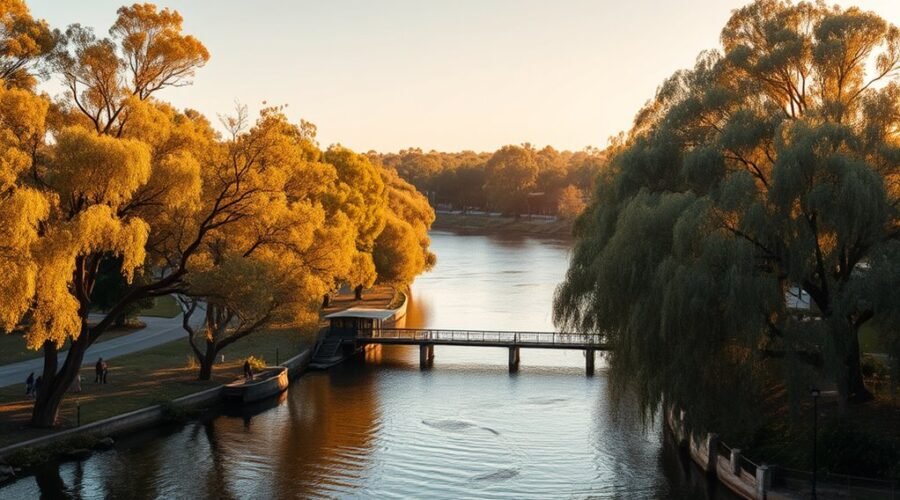
Choosing the best time to visit Wagga Wagga can make a big difference to your trip. This regional city in New South Wales has hot summers, cold winters, colourful seasonal landscapes, and events throughout the year. The right month depends on whether you want comfortable walking weather, river activities, local festivals, or a quieter stay.
Quick Answer
The best time to visit Wagga Wagga is generally April to May or September to October. These months offer a comfortable balance for sightseeing, cycling, parks, and local food experiences. Choose December to February for summer river activities, or June to August for quieter cultural visits. Major events can increase crowds and accommodation prices in any season.
Last checked: October 23, 2026. Climate figures, published event dates, and other key details were verified against official sources.
Key Takeaways
Key Takeaways
- Autumn (March–May): Pleasant afternoons, autumn colours, regional food events, and the Wagga Wagga Gold Cup Carnival.
- Spring (September–November): Canola fields, flowering gardens, cycling, family festivals, and outdoor markets.
- Summer (December–February): Long, hot days, river picnics, seasonal concerts, and summer celebrations.
- Winter (June–August): Cold mornings, indoor galleries and museums, warming meals, and Festival of W.
- For better value: Compare midweek stays outside major festivals, NSW school holidays, and long weekends.
Best Time to Visit Wagga Wagga: Quick Picks by Travel Goal

The best season depends on the experiences you want most. Wagga Wagga offers riverside walks, cycling, cultural attractions, country food, and regional events throughout the year.
- Best overall weather: April, May, September, and October are usually comfortable for walking and sightseeing.
- Best for vineyards and photography: Late summer and autumn offer attractive vineyard landscapes, harvest-related experiences, and warm afternoon light.
- Best for markets and fresh produce: Spring is appealing for seasonal produce, farmers’ stalls, and outdoor dining. Regular markets also operate in other seasons.
- Best for families: Spring and autumn suit parks and outdoor attractions. Summer adds water activities, while winter offers museums and indoor recreation.
- Best for cycling and hiking: April, May, September, and October generally provide more comfortable conditions than midsummer.
- Best for a quieter visit: Non-event weekdays, particularly in winter, are worth considering.
- Best for festivals: Autumn, winter, and spring all have established events, so the festival calendar may matter more than the season itself.
If you want to explore at a relaxed pace, allow time for the Murrumbidgee River, Wagga Wagga Botanic Gardens, galleries, and local cafes.
For a more active trip, combine a morning cycle or walk with an afternoon food experience. The cooler parts of the day are especially valuable in summer.
How We Compare Seasons: Weather, Crowds, Costs, and Activities
Wagga Wagga has four distinct seasons. Its inland climate brings hot summer afternoons and cold winter mornings, with milder conditions between them.
The following comparison uses monthly average temperatures from the Bureau of Meteorology’s Wagga Wagga AMO station, site number 072150. These are historical climate averages, not predictions for a particular trip.
| Season | Average Monthly Highs | Crowds and Events | Best For |
|---|---|---|---|
| Spring Sep–Nov |
17.9–26.0°C | Busy festival weekends and school holidays | Flowers, markets, cycling, family events |
| Summer Dec–Feb |
29.6–31.9°C | School holidays and festive events | River outings, picnics, evening activities |
| Autumn Mar–May |
17.5–27.8°C | Generally relaxed outside major events | Sightseeing, gardens, food, cultural events |
| Winter Jun–Aug |
12.9–14.6°C | Often quieter, with event-related peaks | Museums, galleries, cafes, winter festivals |
To make the figures more useful, April averages a daytime high of 22.6°C, while October averages 21.8°C. Both months are comfortable starting points for a walking-focused itinerary.
January averages 31.9°C during the day, while July averages just 12.9°C. July’s average overnight low is approximately 2.8°C, so winter packing needs more than a light jacket.
Rain is possible throughout the year. The station records average monthly rainfall of approximately 39–56 mm, depending on the month, so no season is completely rain-free.
Accommodation prices depend on demand rather than temperature alone. Major festivals, sporting competitions, public holidays, and school breaks can make an otherwise quiet period more expensive.
Summer in Wagga Wagga: Heat, River Fun, and Key Events
Summer in Wagga Wagga runs from December to February and brings the hottest weather of the year. It is a good season for riverside picnics, shaded parks, early-morning activity, and evening entertainment.
Daytime temperatures often reach the 30s°C. January alone averages about 20 days with temperatures reaching at least 30°C, according to the Bureau of Meteorology.
The Murrumbidgee River becomes a major attraction, particularly around Riverside: Wagga Beach. The area offers grassy picnic spaces, barbecues, a playground, and access to the river.
Swimming and paddling require care because conditions can change quickly.
Warning: The Murrumbidgee River can have strong currents, cold water, unstable banks, and submerged branches. Never swim alone, avoid fast-flowing water, enter feet first, and wear a suitable lifejacket when using watercraft. Follow Wagga Wagga City Council’s river safety advice.
Plan outdoor activities around the coolest times of day:
| Activity | Best Time | Tip |
|---|---|---|
| River swims | During suitable conditions | Check currents, avoid hazards, and never swim alone |
| Kayaking | Cooler morning hours | Wear a lifejacket and use appropriate equipment |
| Night markets | Scheduled evening sessions | Look for confirmed events and local produce stalls |
Summer is also a good time to enjoy shaded sections of the riverbank, short bike rides, and family picnics before the afternoon heat builds.
Which Summer Events Are Worth Planning Around?
Wagga Wagga’s summer calendar has featured New Year’s Eve celebrations, the Sounds of Summer Concert Series, and Australia Day racing.
These events can make the city more lively, particularly around the festive period. The published Visit Wagga Wagga seasonal event guide identifies major activities across all four seasons.
For the 2026–27 summer, New Year’s Eve falls on December 31, 2026, and Australia Day falls on January 26, 2027. Specific entertainment programmes and event tickets are separate from the public holiday dates.
Who should visit in summer? Families who enjoy outdoor activities, travellers comfortable with heat, and visitors who want long daylight hours.
Summer is less suitable if you dislike hot afternoons or plan extended exposed hikes.
Autumn in Wagga Wagga: Mild Weather and Quieter Attractions
Autumn runs from March to May and is one of the most comfortable times to explore Wagga Wagga. Temperatures gradually fall, seasonal colours develop, and parks become inviting places for longer walks.
March can still feel warm, while April and May offer cooler afternoons and increasingly crisp mornings.
Autumn is particularly attractive for galleries, river walks, regional food experiences, cycling, and photography.
Mild Days, Cool Nights
Autumn temperatures change noticeably through the season. Average daily highs fall from 27.8°C in March to 17.5°C in May.
Average overnight lows also decline, from 13.6°C in March to 5.9°C in May.
That makes autumn comfortable for a daytime walk, but a warm jacket becomes useful after sunset.
Good autumn activities include:
- Walking through Wagga Wagga Botanic Gardens to enjoy changing foliage and garden displays.
- Exploring shorter sections of the Wiradjuri Trail.
- Visiting art exhibitions and museums between outdoor stops.
- Sampling seasonal food at cafes and farmers’ markets.
- Taking photographs along the Murrumbidgee River during the softer morning or evening light.
The Wiradjuri Trail is a 42-kilometre loop around Wagga Wagga. It connects riverbanks, parks, reserves, and culturally significant places.
You do not need to complete the full loop. Short sections around the river and city are more suitable for a relaxed outing, while the complete route includes rougher surfaces and shared roads.
Fewer Tourists, Lower Prices
Autumn can feel relaxed away from major events, but it is not automatically the cheapest season. Wagga Wagga attracts regional visitors for food, sport, racing, and community celebrations.
One important example is the Wagga Wagga Gold Cup Carnival.
The official Autumn 2026 What’s On guide listed the Wagga Gold Cup Carnival for May 1, 2026, at the Murrumbidgee Turf Club. The same guide listed the Riverina Harvest Festival for March 20–21, 2026.
These dates show why a generally pleasant travel month can still contain high-demand weekends. Future editions may use different dates.
For a quieter autumn visit:
- Choose weekdays rather than major racing or festival weekends.
- Visit the Botanic Gardens early for quieter paths and softer light.
- Consider a riverside cafe or gallery during the middle of the day.
- Compare accommodation rates across adjacent dates before choosing your stay.
Who should visit in autumn? Couples, photographers, food lovers, cyclists, and visitors who prefer mild conditions for sightseeing.
Winter in Wagga Wagga: Savings, Indoor Options, and Family Picks
Winter runs from June to August and is the coldest season in Wagga Wagga. It suits travellers who enjoy museums, galleries, quiet cafes, and cultural events more than swimming or long summer evenings.
Average daytime highs range from 12.9°C to 14.6°C, while overnight temperatures frequently approach freezing.
Winter can provide good accommodation value during quieter periods, although major events still attract visitors.
Winter Savings Tips
Winter is worth considering if your travel dates are flexible and you want to control expenses. You can combine free attractions with selected paid experiences.
Useful budget choices include:
- Walking through public parks and riverside areas during daylight hours.
- Visiting free museum and gallery exhibitions.
- Comparing accommodation rates for Sunday-to-Thursday stays.
- Looking for weekday dining specials and set-menu offers.
- Using community events and public cultural programmes to fill your itinerary.
If you plan a snowy day trip or ski experience, remember that Wagga Wagga itself is not a ski resort. Snow activities require a separate journey into suitable mountain areas, with extra transport and equipment costs.
Indoor Family Activities
Wagga Wagga has several worthwhile indoor attractions for cold or rainy days. Families can combine cultural activities with libraries, workshops, and indoor play venues.
The Museum of the Riverina operates at two sites:
- Botanic Gardens Site: 127 Lord Baden Powell Drive, with exhibitions on the region’s people, history, and culture.
- Historic Council Chambers Site: 243 Baylis Street, featuring heritage surroundings and changing exhibitions.
General admission is free at both sites.
Regular opening hours at the Botanic Gardens museum are Tuesday to Saturday, 10am–4pm, and Sunday, 10am–2pm. It is closed on Mondays.
The Historic Council Chambers site generally opens Monday to Saturday, 10am–4pm, and Sunday, 10am–2pm.
Another useful indoor stop is the Wagga Wagga Art Gallery, including the National Art Glass Gallery. Entry to both galleries is free, although selected programmes may require bookings.
Workshops and craft sessions can provide additional family activities when scheduled. Local libraries also offer programmes suited to different ages.
For a more active indoor experience, consider a local play centre or escape room, checking age suitability and admission requirements.
Winter Events: Festival of W and Cultural Experiences
Winter is not completely quiet. Wagga Wagga holds cultural and community events that can bring visitors into the city during the colder months.
A major example is Festival of W, which combines illuminated displays, art, entertainment, and city-centre activities.
The official Festival of W 2026 information confirmed July 4–19, 2026, for its 16-day programme around the Civic Centre and Wollundry Lagoon precinct.
The city’s winter calendar also features events such as Wagga Comedy Fest and the Wagga Wagga Swap Meet.
These events give winter visitors something different from a traditional summer river holiday.
Cozy Dining Options
After a cold day outside, Wagga Wagga’s cafes and restaurants provide welcoming places to warm up. Look for hearty seasonal meals, locally roasted coffee, and regional produce.
Good winter dining choices include:
- Comfortable indoor cafes serving breakfast, coffee, and baked goods.
- Family-friendly bistros with shareable meals and indoor seating.
- Restaurants offering slow-cooked dishes or seasonal menus.
- Venues advertising weekday lunch or dinner specials.
For a more relaxed evening, choose a restaurant with indoor heating and allow time to enjoy the regional food scene.
Who should visit in winter? Budget-conscious travellers with flexible dates, families interested in indoor attractions, and visitors who enjoy cultural events and quiet mornings.
Spring in Wagga Wagga: Blooms, Festivals, and Outdoor Highlights
Spring runs from September to November and is another excellent time to visit Wagga Wagga. Gardens become colourful, surrounding farmland changes appearance, and the calendar fills with outdoor activities.
September starts relatively cool, October is comfortably mild on average, and November brings noticeably warmer days.
Where Can You See Spring Flowers?
One of the Riverina’s most recognisable spring sights is the bright yellow of flowering canola fields.
The official Visit Wagga Wagga spring guide highlights canola paddocks around the region, flowering wattle, and displays in local parks.
Good places to enjoy spring colour include:
- Wagga Wagga Botanic Gardens: Garden displays, flowering plants, picnic spaces, and walking paths.
- Victory Memorial Gardens: Landscaped public gardens near the city centre.
- Collins Park: A pleasant setting for a short walk or picnic.
- Surrounding Riverina farmland: Seasonal canola fields around routes towards Junee, Coolamon, Temora, and nearby towns.
- Livingstone National Park: Native bushland and seasonal wildflowers.
Canola fields are working farms, not public gardens. Photograph them from safe public locations and do not enter private property without permission.
Spring Festivals and Markets
Spring is one of Wagga Wagga’s liveliest event seasons. It offers family entertainment, cycling activities, multicultural celebrations, and produce markets.
Notable events include Spring Jam, Gears and Beers, and Fusion.
The official Spring Jam 2026 programme confirmed September 26, 2026, from 10am to 3pm at Wagga Wagga Botanic Gardens. The family event included entertainment and free activities.
Gears and Beers combined cycling events with food, music, and a craft-beer festival on October 3–4, 2026. Its event dates should not be assumed to remain identical in later years.
Regular produce markets are another reason to visit. Wagga Wagga has hosted weekly producers’ markets and recurring Saturday markets, giving visitors opportunities to buy locally grown food.
Outdoor Activities in Spring
Spring temperatures make many outdoor activities easier than during peak summer heat.
You can:
- Cycle selected sections of the Wiradjuri Trail.
- Explore the riverbank and Wagga Beach precinct.
- Visit the Botanic Gardens and surrounding parks.
- Enjoy birdwatching near wetlands and nature reserves.
- Join a guided kayaking activity when river conditions are suitable.
- Pack a picnic and spend an afternoon under flowering trees.
River conditions are not automatically calm in spring. Flow levels, weather, and submerged hazards must be considered before paddling.
Who should visit in spring? Families, photographers, cyclists, nature lovers, and travellers interested in festivals and local food.
When to Expect Crowds, Festivals, and Higher Prices
Wagga Wagga’s busiest travel dates often follow its event calendar rather than the seasons alone. Major sporting events, festivals, school holidays, and long weekends can increase demand for accommodation and restaurant bookings.
Autumn and spring can be especially popular for regional travel, so mild weather does not always mean cheaper rooms.
School Holidays and Long Weekends
The official NSW school holiday calendar provides useful planning dates.
Published school holiday periods include:
- Summer 2026–27: December 18, 2026, to January 27, 2027, for Eastern Division schools.
- Autumn 2027: April 12–23.
- Winter 2027: July 5–16.
- Spring 2027: September 27 to October 8.
Western Division summer holidays run longer, so travellers should consider both calendars when estimating family travel demand.
Public holidays also affect travel patterns.
The NSW Government public holiday calendar confirms several important 2027 dates:
- Australia Day: January 26.
- Good Friday: March 26.
- Easter Monday: March 29.
- King’s Birthday: June 14.
- Labour Day: October 4.
These are dates worth checking against your preferred accommodation before booking.
Which Events Can Affect Accommodation Demand?
Several established events can bring additional visitors to Wagga Wagga:
- Summer: New Year’s Eve celebrations, summer concerts, and Australia Day activities.
- Autumn: Wagga Wagga Gold Cup Carnival and regional food festivals.
- Winter: Festival of W, Wagga Comedy Fest, and community events.
- Spring: Spring Jam, Gears and Beers, Fusion, and sporting events.
Visitor numbers and room rates vary from one event to another. A local festival may create a busy weekend even when the surrounding weeks are quiet.
For a less crowded trip, choose dates outside major event periods and avoid relying solely on the usual high-season or low-season labels.
Save on Wagga Wagga Flights & Hotels: Timing and Booking Tips
You can often improve the value of a Wagga Wagga trip by being flexible about travel dates and accommodation type. The biggest savings usually come from comparing total costs and avoiding dates with unusually high demand.
How to Save on Flights
Wagga Wagga Airport provides an option for travellers arriving by air, while driving can be practical for visitors touring the Riverina region.
To reduce flight costs:
- Compare departures across several days rather than assuming Tuesday or Wednesday is always cheapest.
- Consider early-morning or less popular departure times when they fit your plans.
- Use fare alerts to identify changes before booking.
- Compare the complete ticket price, including baggage and transport to your accommodation.
- Check whether driving, rail, or a combination of transport options offers better value for your journey.
Flash sales can help, but a discounted fare is only worthwhile if the schedule and conditions suit your trip.
How to Save on Accommodation
Accommodation costs depend on location, events, room availability, and booking conditions.
Useful strategies include:
- Compare midweek prices with Friday and Saturday rates.
- Look at hotels, motels, guesthouses, and other suitable budget accommodation.
- Consider refundable reservations when prices or plans may change.
- Compare longer-stay discounts against shorter bookings.
- Check whether package deals actually cost less than booking each part separately.
- Use loyalty rewards or points when they provide genuine savings.
- Consider last-minute offers only when you can tolerate limited room choice.
There is no guaranteed number of weeks that produces the cheapest hotel rate. Event weekends may reward early booking, while flexible off-peak dates can occasionally offer late deals.
If you want to stay near cafes and central attractions, compare accommodation in or near the CBD with places farther from the centre. Factor transport costs into the final price.
What to Pack and Activities by Season
Packing for Wagga Wagga depends on the month. Summer can be very hot, winter mornings can approach freezing, and spring and autumn often require layers.
Spring Packing: September to November
Spring is suitable for walking, cycling, markets, and nature photography.
- Comfortable walking or hiking shoes.
- Light layers for cool mornings.
- A compact rain jacket.
- A camera for seasonal flowers and countryside views.
- A refillable water bottle and sun protection.
Summer Packing: December to February
Summer calls for clothing that keeps you comfortable in strong sun and high temperatures.
- Lightweight, breathable clothing.
- A wide-brimmed hat and sunscreen.
- Extra drinking water for outdoor activities.
- Swimwear and quick-drying towels when appropriate.
- Insect repellent for riverside and evening activities.
Autumn Packing: March to May
Autumn weather becomes progressively cooler, especially after sunset.
- Comfortable walking shoes.
- Long trousers and layered tops.
- A warm jacket for evenings.
- A small daypack for park visits and cycling.
- A camera or binoculars for landscapes and wildlife.
Winter Packing: June to August
Winter requires proper insulation, especially if you plan early-morning walks or outdoor evening events.
- A warm coat and thermal layers.
- Closed, weather-resistant shoes.
- Warm socks, gloves, and a scarf.
- An umbrella or waterproof jacket.
- Comfortable clothing for indoor museums and cafes.
Pack for Wagga Wagga’s changing seasons: sun protection in summer, warm layers in winter, and comfortable walking shoes throughout the year.
A small daypack makes it easier to carry water, a camera, extra clothing, and other essentials. Reusable cutlery can also be useful for picnics or market food.
For wildlife watching, binoculars and insect repellent are practical additions.
Choosing versatile clothing will help you enjoy both city attractions and outdoor activities without overpacking.
Frequently Asked Questions
What Local Foods or Eateries Should Visitors Try in Wagga Wagga?
Try seasonal Riverina produce, locally roasted coffee, regional wines, craft beer, and farm-to-table meals. Farmers’ markets are useful places to discover local growers. Some food events and cafes also feature Indigenous ingredients and bushfood-inspired dishes. Choose venues offering seasonal menus for a taste of the region.
Are There Accessible Transport Options Within the City for Disabled Travellers?
Yes. Wagga Wagga has wheelchair-accessible bus services, accessible parking, and attractions with accessible facilities. Most scheduled Busabout services are wheelchair accessible, although vehicle availability can vary. Travellers can identify accessible services on timetables and contact the operator when assistance is required. Individual venue accessibility should be confirmed before arrival.
What Day Trips From Wagga Wagga Are Worth Taking?
Junee is a good choice for railway heritage and local food experiences. Gundagai offers historic landmarks, while Narrandera is known for wildlife and riverside attractions. Holbrook is another heritage destination, and Woomargama National Park appeals to nature lovers. A car provides flexibility when exploring these regional locations.
Is Wagga Wagga Safe for Solo Travellers at Night?
Wagga Wagga can be suitable for solo evening outings when you take normal precautions. Prefer well-lit streets, plan your journey back to accommodation, and avoid isolated riverbank areas after dark. Use a licensed taxi or established rideshare service when appropriate, and let someone know your plans.
Are There Pet-Friendly Accommodations and Activities in Wagga Wagga?
Yes. Some accommodation providers accept pets, although restrictions and additional fees may apply. Wagga Wagga also has designated off-leash dog areas, including locations around Lake Albert and Wiradjuri Reserve. Dogs must remain under control, and many public spaces require a leash. Confirm accommodation rules before booking.
What Is the Best Month to Visit Wagga Wagga?
April and October are excellent choices for comfortable sightseeing weather. April has an average daytime high of 22.6°C, while October averages 21.8°C. Both suit walking, parks, and outdoor dining. Your ideal month may change if you want a specific festival, summer swimming, or a quieter winter stay.
Does It Snow in Wagga Wagga During Winter?
Snow is not a normal feature of winter in central Wagga Wagga. The city experiences cold mornings and occasional frosts, with July averaging an overnight low of 2.8°C. Travellers seeking reliable snow activities should plan a separate journey into suitable mountain areas rather than expecting snow in the city.
Conclusion
The best time to visit Wagga Wagga is April to May or September to October for comfortable weather and varied outdoor activities. Summer suits river-based holidays, while winter appeals to visitors who prefer museums, galleries, and quieter stays.
Choose your dates around the experiences that matter most, then compare accommodation availability during local events and school holidays. With sensible packing and a flexible itinerary, Wagga Wagga can be an enjoyable destination in every season.
Sources
- Bureau of Meteorology – Wagga Wagga AMO: Official historical monthly temperatures, rainfall, and climate statistics.
- Visit Wagga Wagga – Save the Date: Seasonal festivals, major events, and recurring markets.
- Visit Wagga Wagga – Wiradjuri Trail: Trail length, route conditions, and recreational uses.
- Wagga Wagga City Council – River Safety: River hazards, swimming precautions, and watercraft safety.
- Visit Wagga Wagga – Autumn 2026 What’s On Guide: Confirmed autumn event dates, including Wagga Gold Cup Carnival and Riverina Harvest Festival.
- Museum of the Riverina – Visit: Museum locations, admission, opening hours, and accessibility.
- Wagga Wagga Art Gallery – Visitor Information: Free gallery admission, location, and access information.
- Visit Wagga Wagga – Festival of W: Verified 2026 winter festival dates and activities.
- Visit Wagga Wagga – Spring Jam: Confirmed 2026 Spring Jam date, venue, and programme.
- Visit Wagga Wagga – Spring Days: Regional spring flowers, canola fields, and outdoor attractions.
- NSW Government – School Holidays: Official 2026 and 2027 school holiday dates.
- NSW Government – Public Holidays: Official public holiday dates for 2026 and 2027.
- Busabout Wagga – Travel Information: Accessible public transport services and wheelchair boarding information.
- Wagga Wagga City Council – Off-Leash Dog Areas: Designated dog exercise locations and pet-related rules.