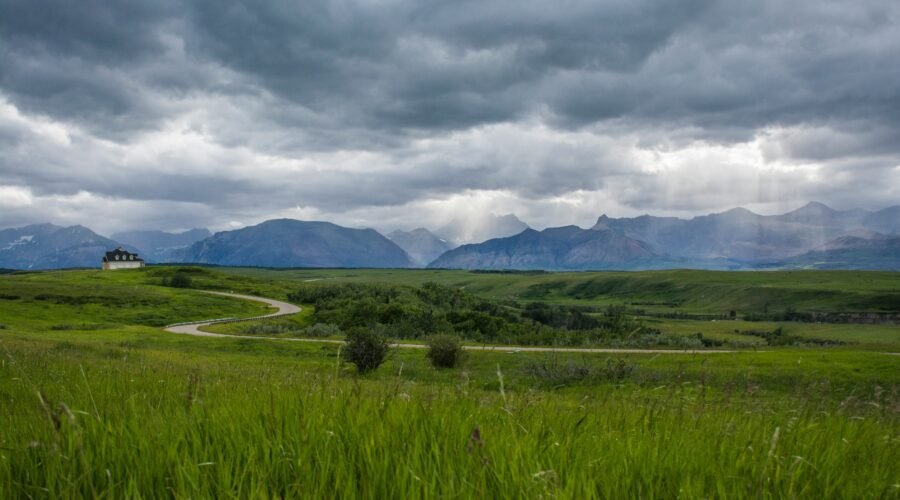
Choosing the best time to visit Waterton Lakes National Park in Alberta depends on what matters most to you: reliable trail access, warm weather, wildlife, fewer people, lower accommodation rates, or winter solitude. For most first-time visitors, late June through early September offers the easiest overall trip, while June and September are especially appealing if you want a quieter park and can accept more variable conditions.
Quick Answer
The best overall time to visit Waterton Park is from late June through early September. July and August offer the widest activity and trail access but also bring the biggest crowds. June is better for wildflowers and quieter sightseeing, while September combines cooler hiking weather, fall scenery, wildlife activity, and fewer visitors.
Key Takeaways
- Best overall: Late June to early September for the broadest mix of open roads, hiking, sightseeing, boating, and townsite services.
- Best for maximum access: July and August, when summer operations are at their fullest.
- Best for fewer crowds: June, September, spring, and fall weekdays.
- Best for wildlife: Late summer and fall can be excellent, but bears and rutting elk require extra caution and distance.
- Best for winter solitude: November through April, provided you are prepared for limited services, winter driving, short days, and avalanche hazards.
- Always check conditions: Mountain weather, wildfire activity, wildlife warnings, snow, and temporary closures can change access even during peak season.
Best Time to Visit Waterton Park at a Glance
| Period | Typical Experience | Crowds | Cost Pressure | Best For |
| April-May | Cool, highly variable spring conditions; lingering snow at elevation; waterfalls and early wildflowers | Low | Lower | Quiet sightseeing, waterfalls, spring scenery |
| June | Milder weather with a mix of spring and summer; high trails may still hold snow | Moderate | Moderate to high | Wildflowers, waterfalls, easier hikes, fewer crowds |
| July-August | Warmest and most dependable part of the year with the widest range of summer activities | High | Highest | First visits, hiking, boating, families, maximum access |
| September | Cooler days, quieter trails, fall colour and increasing weather variability | Low to moderate | Moderate | Hiking, photography, wildlife, quieter weekends |
| October | Rapid transition toward winter; snow and seasonal closures become more likely | Low | Lower | Fall scenery and solitude |
| November-March | Winter conditions, limited services, strong winds, short days and snow-dependent recreation | Very low | Often lower, but choices are limited | Snowshoeing, skiing, winter photography, solitude |
Pro Tip: If you visit in July or August, make popular stops early in the morning or later in the afternoon. Parks Canada identifies weekends and roughly 10 a.m. to 4 p.m. as the busiest periods, when parking, trails and the entrance gate can become congested.
1. July and August: Best for Maximum Access
This is what most people picture when they imagine a Waterton summer: green valleys, long daylight hours, active townsite services and access to the widest range of trails and recreation. Parks Canada identifies July and August as the park’s most popular months, and together they account for more than half of annual visitation.
July and August bring Waterton’s widest range of summer recreation, but they also bring the park’s heaviest visitor traffic.
Weather in Waterton During July and August
Summer is generally Waterton’s warmer and more dependable season, but mountain weather remains variable. Parks Canada describes the park’s climate as mild, moist and windy, with weather capable of changing quickly. Hot spells occur, but cool mornings, chilly evenings, rain and strong winds are all possible, so pack layers rather than planning around one temperature forecast.
Note: Wind matters in Waterton more than many first-time visitors expect. Check the forecast before exposed hikes, lake activities and scenic drives, and carry a wind-resistant outer layer even on a sunny summer day.
Summer Crowd Levels and Atmosphere
July and August are peak season. Weekends and long weekends can bring traffic delays, limited trailhead parking and busy restaurants. Bear’s Hump, Cameron Lake, Red Rock Canyon and other popular areas may become congested. If a parking area is full, do not create an unsafe roadside space; choose another stop and return later.
Summer Roads, Trails and Activities
This is generally the easiest period for seeing the park’s major attractions. Red Rock Parkway and Akamina Parkway are normally fully open to vehicles, subject to temporary weather, fire, maintenance or wildlife closures. The seasonal Chief Mountain Border Crossing normally operates from May 15 through September 30, weather permitting, although border hours can change.
You can explore Upper Waterton Lake, rent a canoe or kayak, enjoy scenic drives and tackle major day hikes. The difficult Crypt Lake Trail is about 17.2 km (10.6 miles) return and typically takes around six hours. Its main trailhead at Crypt Landing is reached by boat shuttle, so hikers should check the current shuttle schedule before planning the day, particularly outside peak summer.
Even in summer, do not assume every trail is open. Wildlife activity, wildfire conditions, fallen trees, storms and other hazards can create temporary warnings or closures. Check Parks Canada’s current trail conditions before a major hike.
Summer Costs and Booking
July and August usually create the strongest demand for hotels, cabins and campsites. Parks Canada warns that from late June through mid-September, most reservable campsites can be booked well in advance. Reserve accommodation as early as practical, especially for weekends and holidays, but there is no need to assume every trip must be booked a full year ahead.
Park admission and camping fees can also change from year to year or be affected by temporary programs, so check the official Parks Canada fees and reservation pages instead of relying on an old fixed price.
2. June: Best Shoulder Season for Spring Scenery
June is a transition between spring and full summer. It can give you a good combination of greener scenery, waterfalls, wildflowers and lower visitor pressure, but it also demands more flexibility than July or August.
Weather in June
Expect changeable mountain weather. Mild sunny days are possible, but mornings and evenings can remain cool, rain is possible and snow can linger at higher elevations. Spring runoff keeps waterfalls lively, while wildflowers begin appearing across lower areas before displays progress higher with the season.
June Crowd Levels
June is generally quieter than July and August, particularly on weekdays and earlier in the month. The townsite becomes more active as summer approaches, but parking and trails are usually easier to manage than during peak-season weekends.
June Trail and Road Access
Most major driving routes are normally moving toward full summer operation by June, but trail readiness varies greatly by elevation and by year. On June 12, 2026, for example, Parks Canada was still reporting steep snow slopes on difficult high-country routes including Alderson-Carthew and Crypt Lake.
Lower-elevation walks and sightseeing can therefore be excellent in June even when more difficult alpine routes still have early-season conditions. Boat-shuttle-dependent hikes such as Crypt Lake also require checking seasonal schedules.
Pro Tip: In June, choose two versions of your itinerary: a high-elevation plan for clear conditions and a lower-elevation backup for days when snow, rain or trail warnings make alpine hiking unsuitable.
June Costs and Booking
Accommodation can sometimes be easier to find than during July and August, but summer demand is already building. Reserve ahead for weekends and any specific hotel, cabin or campsite you strongly prefer.
Before leaving home, use the official Parks Canada planning pages to confirm trail conditions, seasonal road status and campground availability. Conditions can change faster than a general seasonal guide can reflect.
3. September: Best for Fewer Crowds, Hiking and Fall Scenery

September is one of Waterton’s strongest choices for travellers who value quiet trails more than peak-summer warmth. Summer visitation drops, hiking temperatures can feel comfortable, wildlife activity increases and aspen and larch areas begin taking on yellow and gold autumn colour.
Weather in September
Early September can still feel summery, but the risk of cool mornings, frost, strong winds and early snow increases as the month progresses. Weather can change quickly, so bring layers and avoid assuming that a warm forecast in the townsite guarantees summer-like conditions at higher elevations.
September Crowd Levels
The park is generally calmer after the main July-August rush. Weekdays can feel especially relaxed, and it may be easier to find trailhead parking and restaurant seating. Weekends can still be busy when the forecast is good, so advance lodging reservations remain sensible.
September Roads, Trails and Activities
Many summer activities remain possible in September, but seasonal operations can begin winding down. Major parkways are normally still open during most or all of the month, while the Chief Mountain Border Crossing normally closes after September 30. Boat-shuttle schedules and other commercial activities may also be reduced outside peak summer.
September is excellent for hiking if current trail and weather conditions cooperate. Cooler air can make longer routes more comfortable, but early snow is possible at elevation. Always check the day’s conditions before committing to a remote hike.
September Wildlife
Late summer and fall are particularly good wildlife-viewing seasons in Waterton. Elk, deer and bighorn sheep are active, and bears are feeding heavily as they prepare for winter.
Warning: Better wildlife viewing does not mean it is safe to approach animals. Parks Canada says to stay at least 30 metres from elk, deer, moose and bighorn sheep and at least 100 metres from bears, cougars and wolves. Rutting male elk can be aggressive from August through October.
September Costs and Booking
Hotel and cabin demand often eases after the summer peak, so September can offer better availability than July or August. However, popular weekends can still fill, and seasonal businesses may reduce their operating days or hours later in the month.
4. Late Fall and Winter: Best for Solitude and Snow Activities

October through spring gives Waterton a completely different character. Visitor numbers drop sharply, winter recreation replaces summer sightseeing and much of the townsite becomes quiet. The solitude can be remarkable, but visitors must be comfortable with fewer services and more serious weather hazards.
Weather in the Off-Season
October is a transition month, and significant winter weather can arrive early. From late fall through spring, expect a combination of freezing temperatures, snowfall, wind and occasional chinook warming events. Parks Canada describes Waterton as exceptionally windy, particularly during fall and winter, and conditions can shift quickly.
Do not assume frozen lakes are safe. Parks Canada does not monitor natural ice surfaces for safety and specifically advises against skating on the large Upper, Middle, Lower and Maskinonge lakes.
Winter Crowd Levels and Services
This is Waterton’s quietest period. Most townsite facilities and businesses are closed from November through April, although some accommodation and restaurants may operate. The Waterton Lakes Visitor Centre is an important year-round planning stop, and heated washrooms and running water are available at the visitor centre and Cameron Falls.
Winter visitors should arrive with adequate fuel because the gas station in the park is closed during winter. Parks Canada advises checking road, trail, weather and avalanche information before travelling.
Winter Road Access and Activities
The park itself remains open year-round, but vehicle access changes:
- Entrance Road: Open year-round.
- Red Rock Parkway: Normally closes to motor vehicles in late October and becomes a winter recreation route for walking, cycling and skiing.
- Akamina Parkway: Open year-round to Little Prairie Day Use Area, while the final section toward Cameron Lake closes to motor vehicles for winter recreation beginning around early November.
- Chief Mountain Highway: Has limited winter maintenance, while the international Chief Mountain Border Crossing is seasonal.
Snowshoeing, cross-country skiing, winter walking, wildlife viewing and fat biking are among the main cold-season activities. Red Rock Parkway is particularly attractive once closed to motor traffic.
Warning: Much of Waterton and many of its trails cross avalanche terrain. If your route enters avalanche terrain, you need appropriate training, current avalanche information and rescue equipment. Winter visitors should not treat a familiar summer hiking trail as automatically safe in snow.
Winter Camping
Townsite Campground should not be treated as a dependable year-round campground. Its regular 2026 operating season is May 1 through October 12, weather permitting. Off-season access can be possible, but snow is not cleared and the campground is often inaccessible because of drifting snow.
For maintained winter access, Pass Creek Day Use Area offers first-come, first-served winter camping from November 1 through April 30, weather permitting. Facilities are basic, so winter campers must arrive prepared for cold conditions and limited services.
Winter Costs and Booking
Some accommodation can be cheaper than in summer, but the trade-off is limited choice. A small number of operating hotels or restaurants does not necessarily mean you can arrive without a plan. Confirm that your accommodation, dining and fuel arrangements are available before making the drive.
For winter planning, prioritize current Parks Canada road, trail and avalanche information rather than relying only on seasonal averages. Reduced services and rapidly changing weather can have a much larger effect on a winter trip than on a midsummer visit.
5. Best Time to Visit Waterton by Interest
The right month becomes clearer when you decide what you actually want to do in the park.
Best Time for Wildlife Watching
Waterton supports black bears, grizzly bears, elk, deer, bighorn sheep and many other species. Wildlife patterns change throughout the year:
- March-April: Bears begin emerging from dens and may spend time in lower valleys and along roadsides.
- May-June: Female bears and cubs use lower areas, while elk calving occurs and females can be defensive.
- June-early July: Deer fawning season requires extra caution, especially around dogs.
- July-August: Wildlife remains active, but heavy visitor traffic can make quiet viewing harder. Bears increasingly focus on berries as summer progresses.
- September-October: Excellent wildlife season. Bears feed heavily before winter, and male elk are in the mating season and may be aggressive.
- Winter: Elk, deer and bighorn sheep can sometimes be easier to spot in open or snowy landscapes.
Whatever the season, never crowd, follow, call to or feed wildlife. Use a telephoto lens instead of moving closer.
Best Time for Hiking and Trail Access
For the broadest hiking access, July through early September is usually the safest seasonal bet.
- May and early June: Lower trails may be usable while alpine routes still have snow, runoff or early-season hazards.
- June: Conditions improve quickly, but difficult high-elevation trails can retain steep snow sections.
- July-August: Usually the widest choice of maintained summer trails, subject to wildlife, weather, fire and temporary closures.
- September: Excellent hiking weather is possible, but early snow and shorter days become greater factors later in the month.
- Late fall-winter: Summer hiking assumptions no longer apply; avalanche terrain, ice, snow depth and short daylight hours become central planning concerns.
Best Time for Wildflowers
Spring and early summer are best. Flowers appear first in the prairie and lower elevations, then progress higher as snow retreats. This makes late spring and June especially attractive to visitors who enjoy colourful landscapes but do not need every alpine route to be snow-free.
Best Time for Photography
- Late spring-June: Waterfalls, green prairie, flowers, lingering mountain snow and active wildlife.
- July-August: Long daylight hours, classic lake-and-mountain scenery and the greatest access to viewpoints.
- September-October: Yellow and gold autumn foliage, quieter trails, wildlife activity and lower-angle seasonal light.
- Winter: Snow-covered peaks, windswept landscapes, sparse crowds and striking wildlife tracks.
Photographers should remember that Waterton’s winds can be strong enough to affect tripods, exposed viewpoints and lake conditions. Wildlife photography also requires maintaining Parks Canada’s minimum viewing distances.
Best Time for Lower Crowds
For a quieter visit without committing to full winter conditions, choose June or September and favour weekdays. In July and August, arriving early or visiting popular sites outside the 10 a.m. to 4 p.m. peak period can make a noticeable difference.
Best Time for Lower Costs
Accommodation demand is normally greatest in midsummer, so spring, fall and winter may offer lower lodging prices. However, prices are set by individual businesses and seasonal discounts are never guaranteed. In deep winter, fewer open properties can also reduce your choices even when nightly rates are lower.
What to Check Before Your Waterton Trip
No seasonal guide can replace same-day conditions in a mountain park. A few days before departure, and again on the morning of major hikes or drives, confirm:
- Current weather and strong-wind forecasts
- Trail conditions and wildlife warnings
- Road and parkway status
- Fire danger, wildfire notices and smoke conditions
- Campground or accommodation availability
- Boat-shuttle schedules if hiking Crypt Lake
- Avalanche conditions for winter or snow-season backcountry travel
- Chief Mountain Border Crossing dates and hours if your route enters the United States
This approach gives you the flexibility to enjoy Waterton even when weather, snow, wildlife or seasonal operations change your original plan.
Frequently Asked Questions
What is the best overall time to visit Waterton Park, Alberta?
Late June through early September is the best overall window for most first-time visitors. July and August provide the broadest summer access, while June and September can offer fewer crowds with a greater chance of cool weather or seasonal limitations.
When is Waterton Park busiest?
July and August are the busiest months. Weekends, long weekends and the period from about 10 a.m. to 4 p.m. can produce the most congestion at the park entrance, trailheads and popular parking areas.
What is the best month for fewer crowds in Waterton?
June and September are two of the best compromises. They are generally quieter than July and August while still offering many warm-season activities, although snow, cool weather and reduced seasonal services are more likely than at midsummer.
When is the best time for hiking in Waterton?
July through early September usually offers the widest trail selection. High routes can still have steep snow in June, while early snow becomes increasingly possible later in September. Always verify current trail conditions before setting out.
Is September a good time to visit Waterton?
Yes. September is excellent for quieter hiking, wildlife viewing and fall scenery. Most major summer routes are often still usable early in the month, but cooler temperatures, reduced commercial schedules and the possibility of early snow increase as autumn progresses.
Can you visit Waterton Lakes National Park in winter?
Yes. The park is open year-round, and winter activities include snowshoeing, cross-country skiing, winter walking, wildlife viewing and fat biking. However, many townsite businesses are closed, some roads have seasonal vehicle restrictions, and much of the park contains avalanche terrain.
When do roads close in Waterton Park?
The Entrance Road remains open year-round. Red Rock Parkway normally closes to motor vehicles in late October, while the upper Akamina Parkway beyond Little Prairie closes to vehicles for winter recreation around early November. Exact dates are weather-dependent, so check Parks Canada before travelling.
Sources
- Parks Canada: Best time to visit Waterton Lakes National Park — peak-season congestion, campsite demand and visit-planning guidance.
- Parks Canada: Activities by season — summer visitation, seasonal activities, wildlife and spring/fall characteristics.
- Parks Canada: Driving information — seasonal opening and closing information for Red Rock Parkway, Akamina Parkway and Chief Mountain Highway.
- Parks Canada: Townsite Campground — campground operating dates and winter-access limitations.
- Parks Canada: Wildlife safety — seasonal wildlife behaviour, safe viewing distances and bear/elk precautions.
- Parks Canada: Winter safety — avalanche hazards, winter travel preparation and backcountry safety guidance.