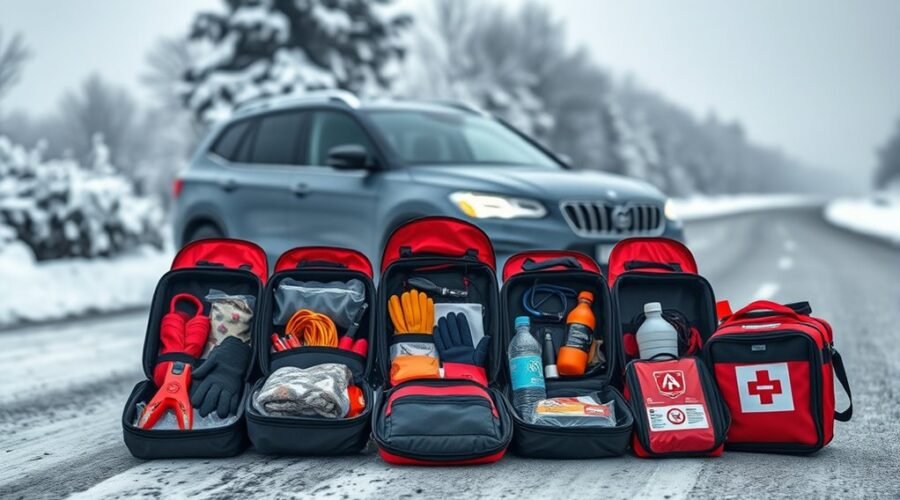
Winter driving in 2027 demands more than caution. The best emergency car kits now combine jump starters, recovery boards, tire repair, first aid, and compact survival tools in one place. From the GOOLOO GP3000 to MAXTRAX MKII and the StatGear Auto Survival Kit, each item serves a different purpose when conditions turn severe. What matters most is not just having gear, but having the right mix before trouble begins.
MAXTRAX MKII Safety Orange Vehicle Recovery Board
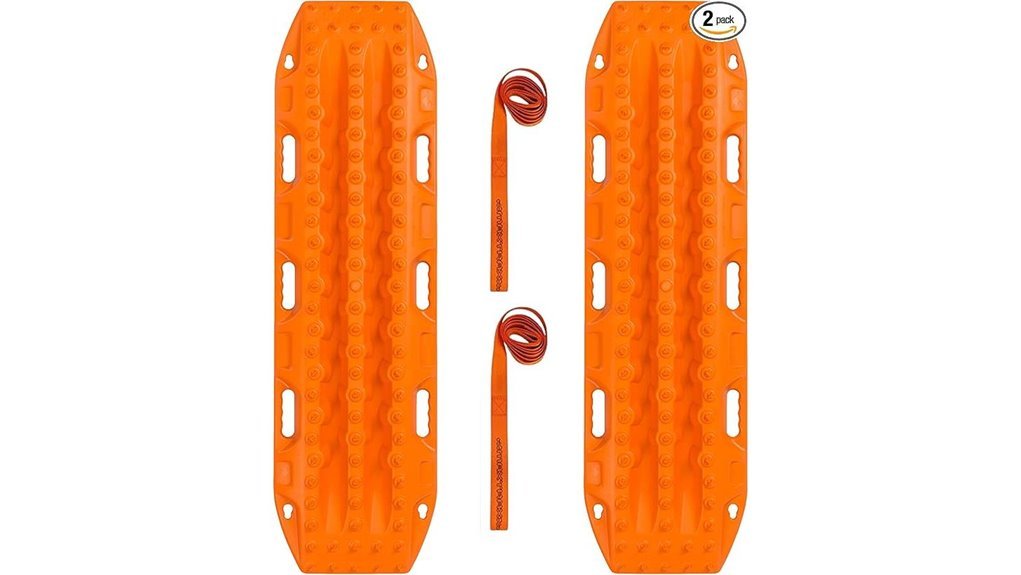
The MAXTRAX MKII Safety Orange Vehicle Recovery Board is a strong choice for drivers who need reliable self-recovery gear in winter conditions, especially those traveling in snow, mud, or sand. This Australian-made board uses fiber-reinforced engineering-grade nylon and features aggressive cleats that help tires regain traction. Six glove-friendly handles improve handling, while built-in shovels on each end add utility. At 46 by 13 inches and 16 pounds, it suits passenger cars and 4WD vehicles. Two boards and two leashes are included, and the design mounts easily to most roof rack systems.
Best For: Drivers of passenger cars and 4WD vehicles who need dependable self-recovery boards for snow, mud, or sand and want easy roof-rack mounting.
Pros:
- Aggressive cleats provide strong traction to help prevent tire slippage in tough terrain.
- Six glove-friendly handles and built-in shovels improve usability and versatility.
- Includes two boards and two leashes, with a lifetime warranty for added peace of mind.
Cons:
- At 16 pounds, the boards may feel bulky or heavy to some users.
- Best suited for recovery situations, so they may see limited use for everyday driving.
- Orange color may not appeal to buyers wanting a more discreet or low-profile look.
GOOLOO GP3000 3000A Jump Starter with USB Quick Charge
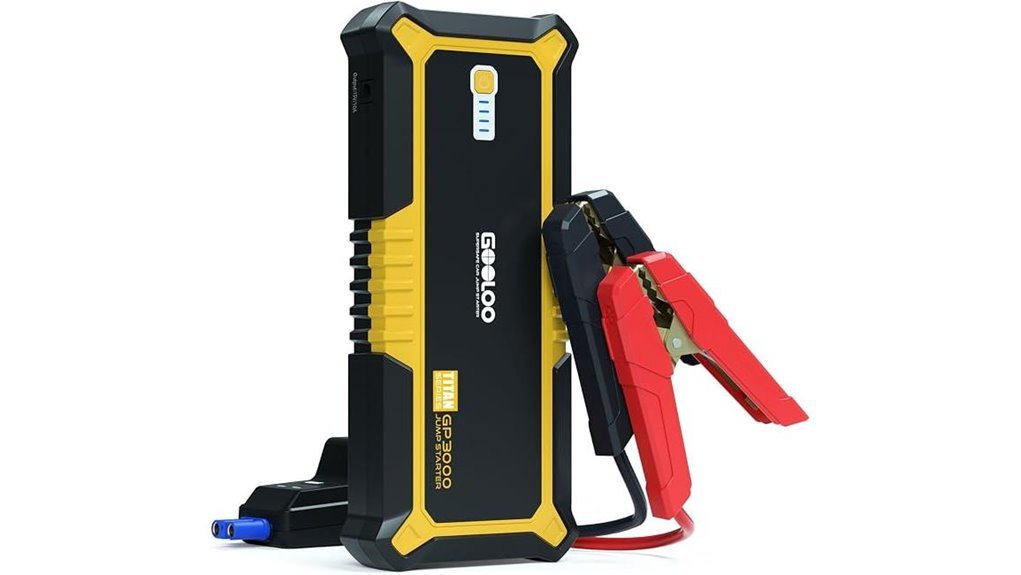
Built for drivers needing reliable cold-weather starts, the GOOLOO GP3000 handles gas engines up to 9.0L and diesel up to 7.0L. Its heavy-duty jumper clamps and BOOST button help restart vehicles with weak or dead batteries, even in temperatures from -4 to 140℉. SUPERSAFE technology checks reverse polarity for safer use on 12V trucks, motorcycles, boats, ATVs, and SUVs. Beyond jump starts, it serves as a portable charger with three USB ports, including 15W Type-C and quick charge outputs. A lightweight case, LED work light, and included cables improve emergency readiness.
Best For: Drivers who need a dependable, portable jump starter for large gas or diesel vehicles, especially in cold-weather or emergency situations.
Pros:
- Starts up to 9.0L gas and 7.0L diesel engines
- BOOST button and heavy-duty clamps help revive weak or dead batteries
- Includes USB charging ports, LED work light, and safety protection with SUPERSAFE technology
Cons:
- Bulkier than a standard phone power bank due to jump-starting hardware
- Best suited for 12V vehicles, so it’s not universal for all battery types
- Limited to emergency/portable use rather than being a full-featured battery replacement
StatGear Auto Survival Kit with Rescue Tool and First-Aid Kits
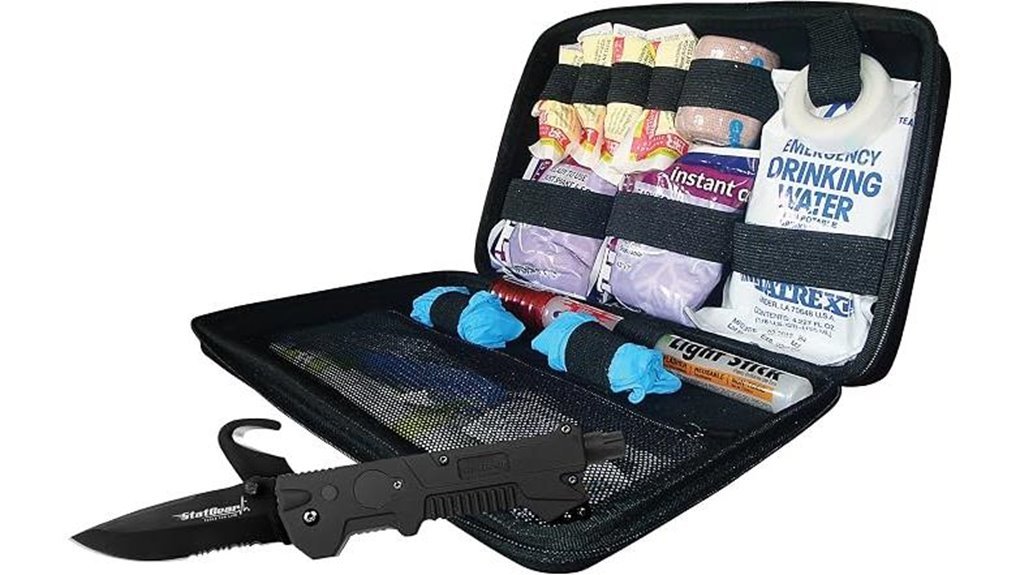
Created by a New York City paramedic, the StatGear Auto Survival Kit suits drivers who want a compact winter-ready safety backup. The EVA case measures 12 x 7 x 3 inches, weighs 2.26 pounds, and secures to the passenger sun visor with Velcro straps for quick access. Inside are gloves, bandages, gauze, ice packs, antiseptic pads, tape, ointment, drinking water, and a glow stick. The included T3 Tactical Rescue Tool adds a serrated blade, seatbelt cutter, window punch, and LED light. It is built for basic roadside emergencies, not full medical treatment, but offers practical preparedness.
Best For: Drivers who want a compact, visor-mounted auto emergency kit with basic first aid supplies and a quick-access rescue tool for roadside incidents.
Pros:
- Compact EVA case mounts on the sun visor for easy access.
- Includes useful first aid basics like gloves, bandages, gauze, ice packs, and antiseptic.
- T3 Rescue Tool adds a seatbelt cutter, window punch, serrated blade, and LED light.
Cons:
- Not a full medical kit, so it won’t cover more serious injuries.
- At 2.26 pounds, it may feel a bit bulky for a compact kit.
- Limited to basic roadside preparedness rather than comprehensive survival gear.
KITGO 137-Piece Roadside Emergency Car Kit
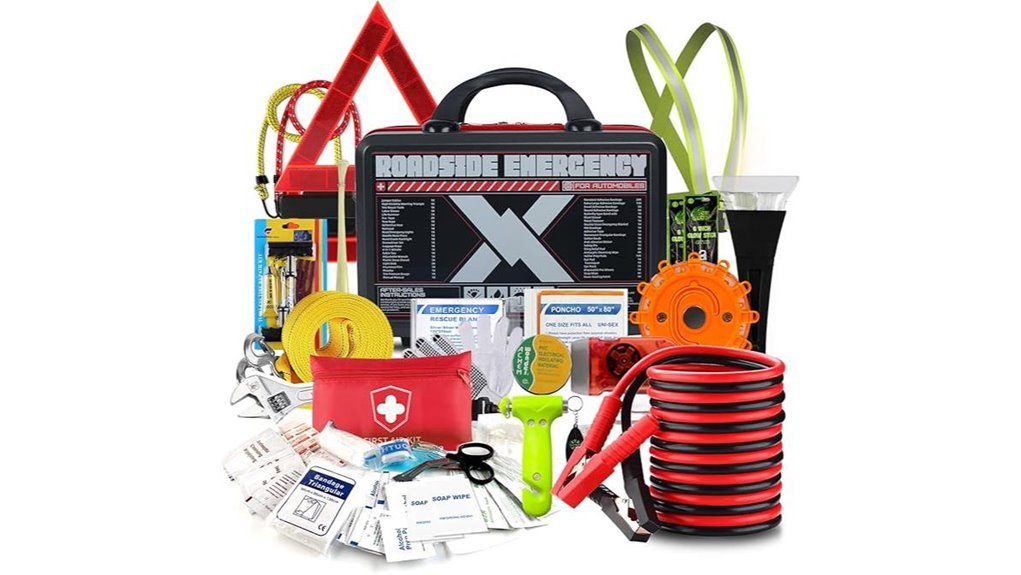
KITGO’s 137-piece roadside emergency car kit suits drivers who want compact, organized winter preparedness. It bundles 36 types of emergency accessories, including road lights, traction ropes, reflective vests, jumper wires, and tripods, plus a first aid section with 24 medical supply types. The blister shell adds waterproof, wear-resistant, and collision-resistant protection, while sponge pads, mesh compartments, and buckles keep items orderly. At 9.6 x 6.3 x 4.2 inches and 9.9 pounds, it remains portable. It also serves travelers, campers, hikers, hunters, and families, and its stylish exterior makes it giftable.
Best For: Drivers, road travelers, and outdoor adventurers who want a compact, organized emergency car kit for winter preparedness and general roadside safety.
Pros:
- Includes a wide range of 36 emergency accessories plus a 24-type first aid section.
- Compact, organized design with sponge pads, mesh compartments, and buckles for easy access.
- Waterproof, wear-resistant, and collision-resistant shell adds durable protection.
Cons:
- At 9.9 pounds, it may feel a bit heavy for a compact kit.
- The large number of items may be more than casual drivers need.
- Best suited for preparedness, so it may not replace specialized tools or larger medical kits.
Fix-A-Flat Emergency Tire Repair Inflator, 16 oz
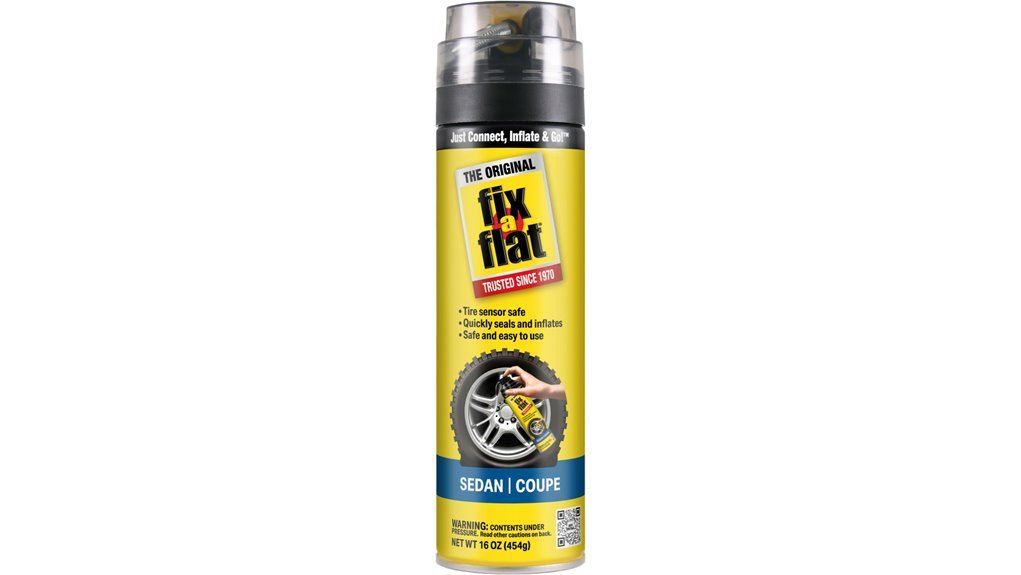
Fix-A-Flat’s 16 oz emergency inflator suits drivers who need a fast, no-tool tire fix in winter. The Fix-A-Flat S60420 aerosol can seals small tread punctures up to 1/4 inch, now handling 33% larger leaks, while inflating enough to lift the rim off the ground. It works without a jack, spare, or tools and is TPMS safe. The universal-fit formula is safe for users, tires, and the environment. A new Performance Top improves the design. Stored in the trunk, it offers trusted roadside backup, though a professional repair should follow within three days or 100 miles.
Best For: Drivers who want a quick, universal-fit emergency tire repair solution for small punctures and roadside use without needing a jack, spare, or tools.
Pros:
- Seals small tread punctures up to 1/4 inch and now handles 33% larger leaks
- Easy connect-and-inflate design provides enough air to lift the rim off the ground
- TPMS safe, eco-friendly, and convenient to store in the trunk for emergencies
Cons:
- Intended only as a temporary fix, not a permanent tire repair
- Requires a professional tire repair within 3 days or after 100 miles
- Works for small tread punctures only, not major tire damage or sidewall issues
Hand Crank Radio with LED Flashlight,2000mAh NOAA AM FM Emergency Radio
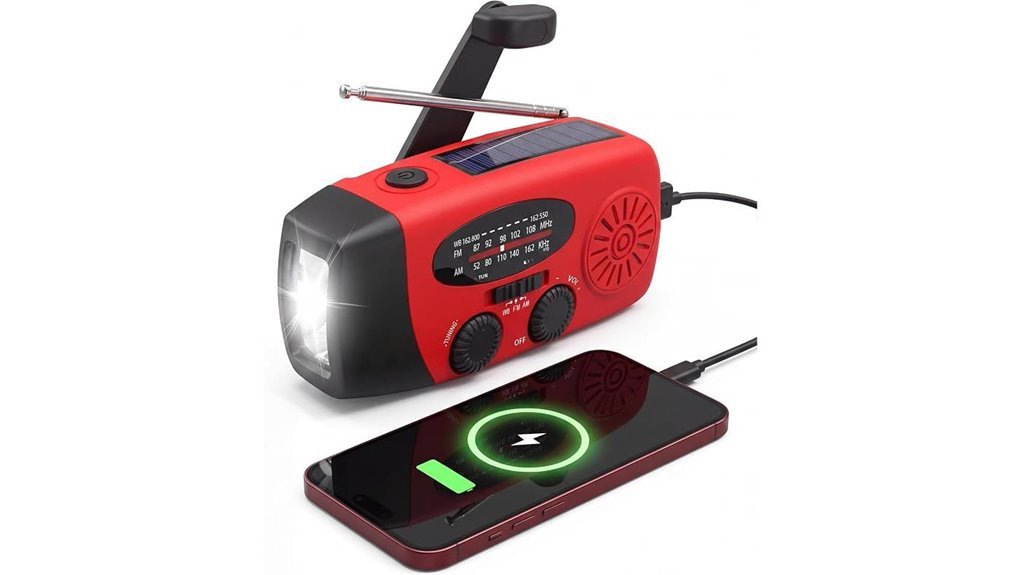
For drivers facing winter outages, this hand crank radio keeps alerts and light close at hand. It receives NOAA, AM, and FM broadcasts, giving real-time weather warnings, news, and emergency updates when roads turn dangerous. A 2000mAh rechargeable battery, hand crank, and solar panel provide three charging options, reducing dependence on disposable batteries. The retractable antenna helps maintain reception in remote areas. A 1W LED flashlight adds visibility, while the compact, water-repellent body fits easily in a winter kit. USB output can also support emergency phone charging.
Best For: Drivers, campers, and households preparing for winter outages or other emergencies who need reliable weather alerts, lighting, and backup power.
Pros:
- Receives NOAA, AM, and FM broadcasts for weather warnings, news, and emergency updates.
- Three power options—hand crank, solar panel, and rechargeable battery—help keep it running during outages.
- Compact, water-repellent design with a 1W LED flashlight and USB phone-charging support.
Cons:
- 1W flashlight is useful but not especially bright for larger areas.
- Compact size may limit speaker volume and overall audio clarity in noisy environments.
- Best suited for emergency use rather than everyday premium radio listening.
Factors to Consider When Choosing a Winter Emergency Car Kit 2026: Essential Cold-Weather Driving Gear
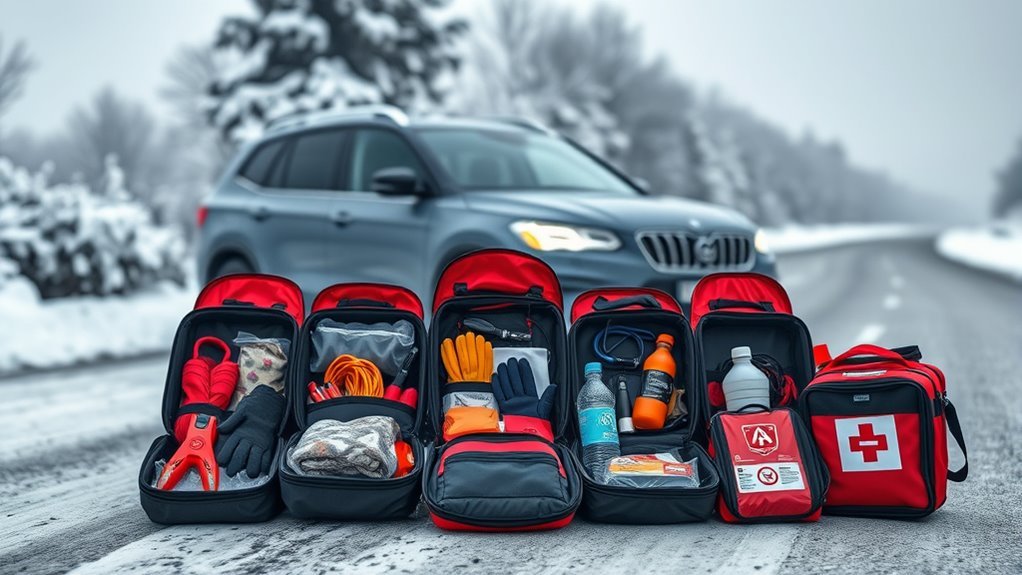
A winter emergency car kit in 2026 should be judged first by cold-weather reliability, since gear must function in freezing conditions without fail. It should also match the vehicle’s space and power needs, while including dependable emergency power options, traction recovery tools, and first aid essentials. Careful selection of these items helps guarantee the kit supports both roadside safety and practical winter driving demands.
Cold-Weather Reliability
Cold-weather reliability should be the first filter when choosing a winter emergency car kit, because every item must work when temperatures drop well below freezing. A reliable kit includes jump starters rated for extreme ranges, such as -4°F to 140°F, so power remains available in harsh conditions. Tools should be usable with gloves, since frozen hands lose dexterity quickly and small controls become difficult to manage. Materials matter as well: nylon straps and rubber hoses should stay flexible instead of cracking or stiffening in the cold. Traction boards need cleats that bite into ice and packed snow. First-aid supplies should also retain effectiveness in subzero temperatures, ensuring bandages, medications, and other essentials remain ready when emergencies demand immediate use.
Vehicle Compatibility
Vehicle compatibility should guide the selection of a winter emergency car kit, because the right equipment depends on whether it will be used in a passenger car, SUV, or 4WD. A compact sedan may require a smaller, lighter package, while larger vehicles can carry more robust traction aids or recovery boards. Jumper cables and tire repair tools should match the battery and tire specifications of the vehicle to avoid unusable gear. Storage also matters: the kit should fit neatly without crowding cargo areas or blocking access to other essentials. Secure mounting or tie-down options help prevent shifting, damage, and noise on rough winter roads. Terrain exposure should also influence the contents, since snow-packed routes and icy inclines demand different recovery tools than cleared pavement.
Emergency Power Options
Reliable emergency power options can make a winter car kit far more effective by keeping a stranded driver connected and able to restart the vehicle. Portable jump starters are especially useful because they can handle large engines and still perform in temperatures as low as -4°F. A good unit should also offer multiple USB ports so phones, GPS devices, and other essentials remain charged during an outage. Safety matters as well; built-in features like reverse polarity detection reduce the risk of damage when attaching clamps to a battery. Compact, lightweight designs are easier to store in a vehicle year-round. Some models add integrated LED lights with SOS modes, providing a practical signaling tool when winter visibility drops and help is needed.
Traction Recovery Tools
Traction recovery tools help a winter emergency car kit regain grip when tires sink into snow, mud, or sand. Vehicle recovery boards are built to give tires a stable surface, reducing slippage and helping a stuck vehicle move again. Cleated designs improve traction by biting into the tire tread, which is especially useful on icy or uneven winter surfaces. Many boards also include shovel ends, allowing snow or debris to be cleared from around the tires before recovery attempts. Durable fiber-reinforced nylon construction supports repeated use in harsh conditions, while a weight near 16 pounds keeps them manageable to store. Compatibility matters as well; effective boards should work with passenger cars and 4WD vehicles alike, so the kit suits varied roadside situations.
First Aid Essentials
After recovery gear helps a stranded car regain traction, a winter emergency car kit should also cover immediate medical needs. Adhesive bandages, gauze pads, antiseptic wipes, and instant ice packs address minor cuts, scrapes, swelling, and other injuries that can occur during cold-weather breakdowns. Nitrile gloves are important for keeping hands clean while providing care in icy, unsanitary conditions. A roll of medical tape and antibiotic ointment help secure dressings and reduce infection risk on abrasions or deeper cuts. An emergency drinking water pack supports hydration, which remains necessary even when temperatures are low. A reusable glow stick adds visibility and can signal for assistance during nighttime emergencies. Together, these supplies create a practical first aid foundation for winter driving.
Compact Storage Design
A well-planned compact storage design helps a winter emergency car kit fit neatly in the trunk or under a seat without crowding other vehicle essentials. Such a layout supports efficient storage by reducing bulk while preserving access to critical cold-weather supplies. Durable, waterproof cases add protection against snow, slush, and general wear, while lightweight materials improve portability and extend service life. Internal compartments keep items organized, allowing faster retrieval when conditions are stressful or visibility is poor. Foldable or collapsible tools further conserve space without sacrificing usefulness in roadside emergencies. Compared with traditional bulkier kits, compact models usually weigh less, making them easier to lift, carry, and reposition as needed. This combination of portability, organization, and space efficiency strengthens readiness for winter driving.
Frequently Asked Questions
How Often Should I Replace Items in My Winter Emergency Car Kit?
Items should be checked every three months, with perishables and batteries replaced immediately when expired. Blankets, tools, and fluids should be inspected before each winter season, and after any use or extreme temperature exposure.
Are Winter Emergency Kits Different for Electric Vehicles?
Yes, they differ slightly. Electric vehicles benefit from added charging cables, adapter options, and a power bank, since range drops in cold weather. Basic essentials remain the same: blankets, water, snacks, flashlight, first-aid supplies.
Can I Store My Kit in the Trunk Year-Round Without Damage?
Yes, a kit can stay in the trunk year-round if items tolerate heat, cold, and moisture. Sensitive supplies should be replaced or stored elsewhere. Regular inspections help prevent damage, expiration, and clutter.
What Clothing Should I Include for Staying Warm in an Emergency?
A stranded driver could quickly lose heat; they should pack insulated gloves, wool hat, thermal base layers, spare socks, a blanket, and waterproof boots. One extra fleece jacket can make waiting for rescue safer.
How Do I Use a Winter Kit Safely Without Freezing My Battery?
It should be used sparingly with the engine running, keeping lights and heater minimal. Battery terminals should stay clean, and devices should be unplugged when idle. A jump starter helps prevent deep discharge.
Conclusion
In the end, the best winter emergency car kit is the one that matches a driver’s needs, vehicle, and travel conditions. From recovery boards and jump starters to first-aid supplies, tire repair, and emergency radios, each item adds a layer of protection when temperatures drop and roads turn unforgiving. As the old adage goes, “An ounce of prevention is worth a pound of cure,” and that wisdom remains especially true on winter roads.