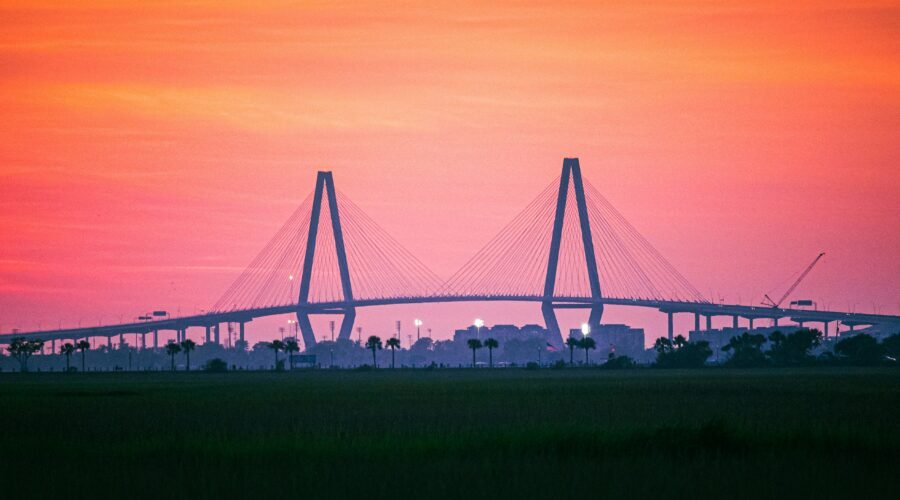
Planning a trip to Charleston, South Carolina requires balancing mild coastal weather, vibrant floral blooms, seasonal festival calendars, and fluctuating hotel rates. While the Holy City charms visitors year-round with its cobblestone streets, antebellum architecture, and world-renowned Lowcountry cuisine, identifying the ideal month to visit ensures you avoid oppressive humidity, unexpected storm tides, and peak lodging surges.
Quick Answer
The best time to visit Charleston, South Carolina is during spring (mid-March to May) and fall (September to November). These months deliver comfortable daily highs between 65°F and 80°F, low humidity, and blooming gardens, though hotel prices peak. For lower rates and smaller crowds, visit between December and February.
Key Takeaways
- Spring (March–May): Peak bloom season with azaleas and garden tours, but commands the highest accommodation rates of the year.
- Fall (September–November): Ideal temperatures and major culinary events, though late summer into October falls within the peak Atlantic hurricane season.
- Summer (June–August): Intense heat and humidity exceed 90°F with frequent afternoon thunderstorms; peak season for barrier island beaches, but slower downtown.
- Winter (December–February): The most budget-friendly season with daytime temperatures near 60°F, holiday home tours, and zero crowd congestion.
1. Charleston by Season: Weather, Crowds, and Costs
Every season in the Lowcountry presents a distinct mix of climatic conditions, cultural events, and travel costs. Understanding these seasonal trade-offs is key to planning a smooth itinerary.
1.1 Spring (March to May): Peak Blooms and Optimal Weather
Spring is widely considered the premier time to visit Charleston. As temperatures warm, the city’s historic district bursts into color with blooming azaleas, jasmine, and wisteria cascading over wrought-iron gates.
- Weather: Highs range from the mid-60s in March to the low 80s by late May. Relative humidity remains moderate compared to summer, making long walking tours through the French Quarter and South of Broad comfortable according to National Weather Service Charleston climate data.
- Crowds: Spring brings peak visitor volume. The influx of spring break travelers, garden enthusiasts, and wedding parties fills downtown sidewalks, historic house museums, and popular dining rooms.
- Cost: Accommodation prices hit their annual high between late March and May. Boutique historic inns frequently exceed $400 to $600 per night, and flights into Charleston International Airport (CHS) command premium fares.
- Signature Activities: The Historic Charleston Foundation’s Festival of Houses and Gardens runs from mid-March to mid-April, offering rare access to private historic interiors. The world-renowned Spoleto Festival USA takes over local theaters and parks starting in late May.
Pro Tip: If visiting during peak spring bloom, make dinner reservations at acclaimed spots like FIG, Husk, or The Ordinary at least 30 to 60 days in advance when booking windows open.
1.2 Fall (September to November): Mild Temperatures and Culinary Festivals
Autumn brings welcome relief from summer humidity, offering crisp evenings and a bustling culinary calendar across the peninsula.
- Weather: Daytime temperatures hover comfortably in the 70s and low 80s, while evening temperatures drop into the 50s and 60s. October is historically one of the driest months in coastal South Carolina.
- Crowds: Moderate to high. October rival spring in visitor density due to near-perfect weather and festive autumn events. Weekdays remain relatively manageable compared to packed October weekends.
- Cost: Hotel rates remain on the higher end through late October before tapering off in November. Booking 2 to 3 months in advance is essential for prime downtown lodging.
- Signature Activities: Fall is prime for outdoor plantation strolls (such as Magnolia Plantation and Middleton Place), nighttime ghost and graveyard walking tours, and seasonal food and heritage events like the MOJA Arts Festival.
Warning: The Atlantic hurricane season peaks from mid-August through late October according to the National Hurricane Center. High seasonal “King Tides” can also cause localized tidal street flooding in low-lying downtown areas such as the City Market and the Battery.
1.3 Summer (June to August): Coastal Beach Season and Value Deals
Charleston summers are characterized by intense subtropical heat and high humidity, shifting the primary tourism focus toward coastal barrier island beaches.
- Weather: Daily high temperatures consistently reach the upper 80s and low 90s, with heat index values frequently topping 100°F (38°C). Brief, intense afternoon thunderstorms are common almost daily.
- Crowds: Downtown historic streets see lighter foot traffic during the hottest midday hours as tourists migrate to nearby beaches (Folly Beach, Sullivan’s Island, and Isle of Palms), which experience peak seasonal crowding and heavy traffic congestion.
- Cost: While beach rentals command peak summer pricing, historic downtown hotels frequently offer promotional packages and discounted rates to compensate for lower downtown foot traffic.
- Signature Activities: Water activities, harbor sunset sails, and air-conditioned cultural stops such as the South Carolina Aquarium and the Gibbes Museum of Art are ideal for midday escapes.
Note: If traveling in July or August, schedule walking tours, carriage rides, and architectural photography before 10:00 AM or after 6:00 PM to avoid the most intense sun exposure and heat index peaks.
1.4 Winter (December to February): Low Crowds and Budget-Friendly Travel
Winter in Charleston is mild, peaceful, and the most economical time for budget-conscious travelers seeking a relaxed getaway.
- Weather: Average daytime highs reach the upper 50s and low 60s, while evening lows dip into the 40s. Snowfall is extremely rare, and crisp, sunny days are frequent throughout January and February.
- Crowds: Low season. Aside from the holiday week between Christmas and New Year’s Day, you will encounter minimal waits at popular restaurants, walk-up access to historic sites, and quiet sidewalks.
- Cost: Accommodation rates drop to their lowest levels of the year. Travelers can secure boutique accommodations at up to 40% to 50% off peak spring rates.
- Signature Activities: Holiday historic home walking tours in December, Lowcountry oyster roasts, the Southeastern Wildlife Exposition (SEWE) in mid-February, and restaurant week specials in January.
| Month | Avg High / Low (°F) | Rainfall | Crowd Level | Downtown Hotel Rates |
|---|---|---|---|---|
| January | 59° / 40° | 3.7 in | Low | Low (Best Value) |
| February | 63° / 44° | 3.0 in | Low–Medium | Low–Moderate |
| March | 69° / 49° | 3.4 in | High | High |
| April | 76° / 56° | 2.9 in | High (Peak) | Peak |
| May | 83° / 65° | 3.3 in | High | High |
| June | 88° / 72° | 5.6 in | Medium (High Beaches) | Moderate |
| July | 91° / 75° | 6.5 in | Medium (High Beaches) | Moderate |
| August | 89° / 74° | 7.0 in | Medium (High Beaches) | Moderate |
| September | 85° / 69° | 6.0 in | Medium | Moderate–High |
| October | 77° / 58° | 3.7 in | High (Peak) | Peak |
| November | 69° / 49° | 2.7 in | Low–Medium | Moderate |
| December | 62° / 43° | 3.4 in | Low (Holidays Excluded) | Low–Moderate |
2. Navigating the Crowds: Strategies for a Smoother Trip
Strategic scheduling allows you to enjoy Charleston’s historic sights, photo spots, and culinary highlights without long queues or crowded sidewalks.
2.1 Off-Peak Perfection
- Mid-Week Travel (Tuesday to Thursday): Weekend traffic surges due to regional weekend road trips and weddings. Visiting mid-week provides quieter streets and easier table availability.
- Early Morning Sights: Landmark locations like Rainbow Row, The Battery promenade, and the Charleston City Market become congested by 10:00 AM. Arriving between 7:30 AM and 9:00 AM offers ideal photography lighting and open streets.
- Winter Shoulder Timing: Visiting during late January or early February allows seamless exploration of the historic district at your own pace with minimal wait times.
2.2 Smart Planning and Booking
- Advance Tour Reservations: Popular activities—such as licensed carriage tours, guided walking history tours, and ferry transport to Fort Sumter National Historical Park—consistently sell out during peak spring and fall weekends. Secure tickets online prior to arrival.
- Dining Reservations: The city’s top-tier culinary establishments book out weeks in advance. Use reservation platforms early, or target walk-in bar seating right at opening (typically 5:00 PM).
2.3 Explore Beyond the Historic Core
- Cannonborough-Elliotborough and Upper King: Move north of Calhoun Street to explore local independent bakeries, vintage boutiques, and cocktail bars away from heavy tour group traffic.
- Barrier Island Excursions: Visit Sullivan’s Island for historic Fort Moultrie and beachfront dining, or Mount Pleasant’s Old Village and Shem Creek to watch shrimp boats and spot coastal dolphins.

3. Cost Considerations: Budgeting for Your Charleston Getaway
Charleston can accommodate luxury stays as well as budget-conscious itineraries with proper planning across lodging, dining, and transit categories.
3.1 Accommodation Options
- Historic District Inns & Boutique Hotels: Expect to pay $350 to $650+ per night during spring and October. These options provide premier walkability South of Broad and along Meeting and Market Streets.
- Mount Pleasant and West Ashley: Staying across the Arthur Ravenel Jr. Bridge in Mount Pleasant or west of the Ashley River reduces nightly lodging rates by 30% to 50% while keeping you within a 10-to-15-minute drive of downtown.
- Vacation Rentals: Short-term rentals are strictly regulated on the historic peninsula. Check local zoning compliance or search in nearby beach communities if traveling with a larger group.
3.2 Food & Dining Budgets
- Fine Dining: Expect $85 to $160 per person at celebrated establishments when including an appetizer, entrée, beverage, tax, and gratuity.
- Casual Lowcountry Staples: Local favorites like shrimp and grits, she-crab soup, and barbecue range from $18 to $35 per person at casual neighborhood eateries.
- Budget Strategies: Enjoy substantial lunches at casual markets, take advantage of happy hour oyster and small-plate specials (typically 4:00 PM to 6:00 PM), and purchase fresh provisions at the Saturday Charleston Farmers Market in Marion Square.
3.3 Transportation Costs
- Walking: The downtown historic district is exceptionally compact and pedestrian-friendly, making walking the most efficient and zero-cost way to sightsee.
- Free Downtown Transit: The Charleston Area Regional Transportation Authority (CARTA) operates the Downtown Area Shuttle (DASH), which is completely free on routes 210, 211, and 213, connecting major sights including the City Market, Aquarium, and College of Charleston.
- Parking Garages: Street meter parking is strictly enforced. City parking garages charge roughly $2.00 to $2.50 per hour with daily maximums around $18.00 to $24.00.
- Charleston Water Taxi: Offers an affordable $14 all-day pass connecting downtown Charleston (Waterfront Park) with Patriots Point and Mount Pleasant.
3.4 Attractions & Free Activities
- Free Landmark Sights: Walking the Battery promenade, viewing the historic homes along Rainbow Row, crossing the pedestrian lane of the Arthur Ravenel Jr. Bridge, and exploring historic church cemeteries (such as St. Philip’s and Circular Congregational) are entirely free.
- Museum Combo Passes: Look for multi-site tickets when visiting plantations (e.g., Drayton Hall, Magnolia, or Boone Hall) or historic home museums managed by the Historic Charleston Foundation or Charleston Museum system.

4. Packing Essentials for Lowcountry Weather
Charleston’s maritime climate requires practical wardrobe choices tailored to historic terrain and varying humidity levels.
4.1 Seasonal Layering Guide
- Spring and Fall: Pack lightweight, breathable daytime wear (cotton, linen) paired with medium layers (cardigans, denim jackets, or light sweaters) for breezy coastal evenings.
- Summer: Focus on moisture-wicking fabrics, light-colored sundresses, linen shirts, and UV-protective sunglasses. A wide-brimmed sun hat is strongly advised for walking tours.
- Winter: Pack versatile mid-weight layers, including a tailored coat or fleece jacket, jeans, and a light scarf for chilly coastal winds along the harbor.
4.2 Essential Footwear and Accessories
- Supportive Walking Shoes: Charleston’s historic district features uneven slate sidewalks, exposed tree roots, and historic cobblestone streets (such as Chalmers Street). Leave delicate heels behind in favor of supportive, cushioned flats, loafers, or sneakers.
- Rain Protection: Keep a compact, wind-resistant travel umbrella or packable rain poncho accessible for sudden coastal downpours.
- Insect Repellent and Sunscreen: Coastal marsh gnats (“no-see-ums”) and mosquitoes can be active near waterfront marshes from spring through autumn. High-SPF sunscreen is necessary year-round due to reflective coastal waters.
5. Getting to Charleston and Navigating the Peninsula
Charleston is accessible by air, rail, and highway, with convenient transit connections across the metropolitan region.
5.1 Arriving in Charleston
- Charleston International Airport (CHS): Located in North Charleston approximately 12 miles northwest of downtown. CHS is served by major domestic carriers and offers streamlined arrivals.
- Airport Ground Transportation:
- Rideshares (Uber/Lyft): Pickups are located outside the baggage claim area; fares to downtown typically range from $25 to $45 depending on demand.
- CARTA Express Bus (Route 4): Provides a cost-effective public transit link between CHS Airport and the downtown transit center.
- Rental Cars: Recommended primarily if you plan extensive excursions to distant plantations, Cypress Gardens, or outer barrier beaches. If remaining downtown, rental cars often incur high hotel parking fees.
- Driving via I-26: The primary vehicular corridor into the peninsula. Expect rush-hour traffic slowdowns entering downtown between 7:30 AM–9:00 AM and exiting between 4:30 PM–6:00 PM.
5.2 Navigating Downtown
- On Foot: Walking remains the premier method for discovering Charleston’s hidden alleyways, gardens, and architectural details.
- CARTA DASH Shuttles: Utilize the free downtown routes to hop between the historic district, Charleston Visitor Center, and the South Carolina Aquarium without paying cab or rideshare fares.
- Bicycle Rentals: The flat topography makes biking straightforward, though caution is required when navigating historic cobblestones and vehicular traffic on narrow historic lanes.
Frequently Asked Questions
What is the best month to visit Charleston, South Carolina?
April and October are generally considered the best overall months to visit Charleston. April provides full garden blooms, comfortable daytime temperatures in the mid-70s, and lower humidity. October offers crisp fall weather, minimal rainfall, and pleasant conditions for walking tours and outdoor dining.
What is the weather like in Charleston throughout the year?
Charleston has a humid subtropical climate. Summers (June–August) are hot and humid with daily highs between 88°F and 92°F and frequent afternoon storms. Winters (December–February) are mild, with highs averaging in the upper 50s and low 60s. Spring and fall deliver pleasant, moderate weather with highs in the 65°F to 78°F range.
When is the peak tourist season in Charleston?
The peak tourist season for downtown Charleston occurs during spring (mid-March through May) and again in autumn (specifically October). During these periods, hotel occupancy reaches its highest levels. In contrast, the surrounding barrier island beaches experience their peak tourist season during the summer months of June through August.
What is the cheapest time of year to visit Charleston?
The cheapest time to visit Charleston is during winter, particularly in January and February (excluding major holiday weekends). During this low season, downtown hotels and vacation rentals offer their lowest rates of the year, and many restaurants feature seasonal discounts and participation in Charleston Restaurant Week.
What major annual events should I plan for in Charleston?
Key annual events include the Southeastern Wildlife Exposition (SEWE) in February, the Charleston Wine + Food Festival in early March, the Historic Charleston Foundation’s Festival of Houses and Gardens (March–April), the Spoleto Festival USA (late May to early June), and the MOJA Arts Festival in early autumn.
Sources
- National Weather Service (NOAA) Charleston, SC — Historical climate data, monthly temperature averages, and precipitation records.
- Explore Charleston (Official Visitors Bureau) — Seasonal tourism statistics, lodging trends, and annual event schedules.
- Historic Charleston Foundation — Annual Festival of Houses and Gardens programming and heritage conservation information.
- CARTA (Charleston Area Regional Transportation Authority) — DASH downtown shuttle schedules, transit routes, and regional transit maps.
- National Hurricane Center (NOAA) — Atlantic basin hurricane seasonal timelines and coastal storm tracking data.