Looking to visit Phoenix? Great choice! The best time really depends on what you’re looking for, but generally, the sweet spots are spring (March-May) and fall (October-November). These months offer fantastic weather, allowing you to comfortably enjoy the desert landscape without melting or freezing. However, be prepared for more crowds and higher prices during these popular periods. If you prioritize budget or fewer people, the summer offers steep discounts but extreme heat, while winter is pleasant but can be chilly at night.
Now let’s dive into the specifics so you can plan your ideal trip.
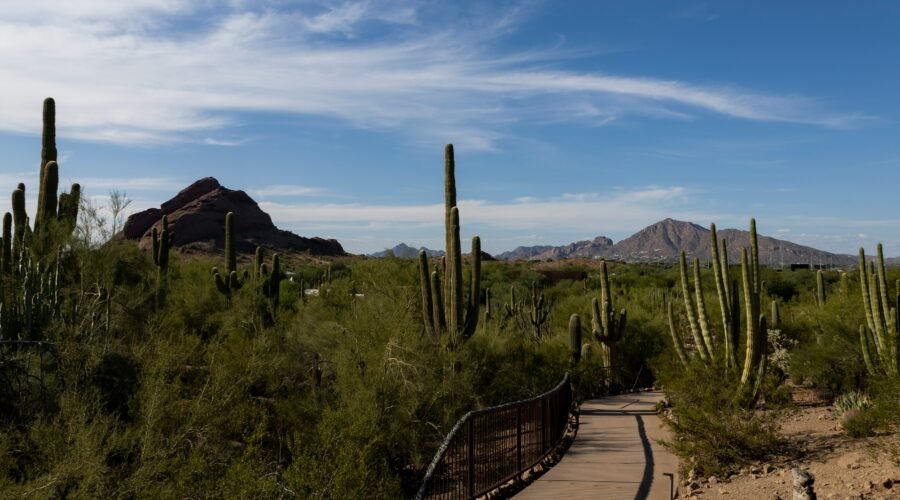
Phoenix is in the Sonoran Desert, meaning it’s generally dry and sunny. But “sunny” can mean very different things depending on the season. Knowing what to expect temperature-wise is crucial for packing and planning activities.
1.1 Spring (March-May): The Golden Window
This is, hands down, the most popular time to visit.
- Temperatures: Expect comfortable highs ranging from the mid-70s to low-90s Fahrenheit (24-34°C). Nights are usually pleasant, cooling down to the 50s and 60s (10-18°C).
- Sunshine: Abundant sunshine with very little rain.
- What to expect: Perfect weather for hiking, exploring outdoor attractions, and patio dining. It’s truly beautiful with desert wildflowers, especially in March and early April.
1.2 Summer (June-September): The Sizzling Season
Phoenix summers are notorious for their intense heat. Don’t underestimate it.
- Temperatures: Daily highs consistently hit over 100°F (38°C), often reaching 110-115°F (43-46°C) or higher. Even nights can stay in the 80s or 90s (27-32°C).
- Monsoon Season: Late July through early September brings the monsoon. This means increased humidity (which feels worse than the dry heat for some), sudden thunderstorms, and impressive lightning displays, usually in the late afternoon or evening. These storms can bring strong winds and dust.
- What to expect: You’ll be spending a lot of time indoors or in pools. Outdoor activities need to be done at sunrise or after sunset. Deals on hotels and flights are common.
1.3 Fall (October-November): A Close Second to Spring
Another fantastic time to visit, often with slightly fewer crowds than peak spring.
- Temperatures: Similar to spring, with highs gradually dropping from the 90s (32+°C) in early October to the 70s (21-26°C) by late November. Nights become cooler, often dipping into the 40s (4-9°C) by the end of November.
- Sunshine: Glorious, clear skies.
- What to expect: Excellent for hiking and outdoor exploring. The desert takes on a golden hue as temperatures moderate.
1.4 Winter (December-February): Mild and Pleasant, Yet Cool
While not freezing, it’s certainly not “swimsuit weather” by Phoenix standards.
- Temperatures: Daytime highs are typically in the 60s and 70s (15-24°C). Nights can be quite cool, often dropping into the 30s and 40s (0-9°C), with an occasional frost.
- Sunshine: Still very sunny, but the days are shorter.
- What to expect: Comfortable for daytime activities like golf, hiking, and exploring. You’ll definitely need layers, especially for mornings and evenings. This is “snowbird” season, appealing to those escaping colder climates.
If you’re planning a trip to Phoenix, Arizona, it’s essential to consider not only the best time to visit but also the various attractions and activities available in the area. For more insights on exploring this vibrant city, check out the related article on Lele Tours, which offers valuable information on local tours, dining options, and must-see destinations that can enhance your travel experience.
2. Navigating the Crowds: When Phoenix is Bustling (and When it’s Not)
Crowds can significantly impact your experience, from booking flights and hotels to getting reservations at popular restaurants or finding parking at trailheads.
2.1 Peak Season: March-April & October-November
These months, coinciding with the best weather, are the busiest.
- Why it’s busy: Perfect temperatures, spring break, MLB Spring Training (March), numerous festivals and events.
- Impact: Expect higher accommodation and flight prices. Popular attractions like the Desert Botanical Garden, Camelback Mountain, and Papago Park will have more visitors. Restaurant reservations might be harder to snag, and you’ll encounter more traffic, especially on weekends. Golf courses are at their busiest and most expensive.
2.2 Shoulder Season: February, May, Early December
These months offer a good balance of decent weather with slightly fewer crowds than peak.
- February: Still popular with snowbirds, but the big spring break and Spring Training rush hasn’t fully hit. Weather can be a bit cooler than March.
- May: Temperatures are starting to climb, which deters some visitors. Early May can still be very pleasant outdoors, but by late May, the heat is a real factor.
- Early December: Before the true holiday rush, you can often find good deals and enjoy mild winter weather.
2.3 Off-Peak Season: June-September
This is the least crowded time, primarily due to the extreme heat.
- Why it’s quiet: The heat keeps most tourists away.
- Impact: You’ll find significantly lower prices on hotels (often 30-50% less) and flights. Attractions will be less crowded, and you won’t struggle with restaurant reservations. However, many outdoor activities are simply not feasible during daylight hours. Some smaller businesses or seasonal attractions might have reduced hours or even close temporarily.
3. The Cost of a Phoenix Trip: Your Budgetary Breakdown

Phoenix can be an affordable trip or a luxury getaway, depending on your choices and when you visit.
3.1 Flights: The Timing Game
- Peak Season (March-April, October-November): Expect flights to be at their highest, especially if booking last minute or around major events like Spring Training or Thanksgiving. Flights from major US cities can easily be $300-$600+ round trip.
- Shoulder Season (February, May, Early December): Prices will be slightly lower than peak, perhaps $250-$450 round trip from major hubs.
- Off-Peak Season (June-September): This is when you’ll find the best deals, often $150-$350 round trip from many US cities. Airlines offer incentives to fill seats.
3.2 Accommodation: Where You Lay Your Head
This is often the biggest variable cost.
- Luxury Resorts (e.g., Scottsdale, Paradise Valley): Expect to pay $400-$800+ per night in peak season. In summer, these same rooms might drop to $200-$400.
- Mid-Range Hotels (e.g., Downtown Phoenix, Tempe, Chandler): Peak season rates could be $200-$350 per night. Off-peak, these drop significantly to $100-$200.
- Budget Hotels/Motels: You can find these year-round for $80-$150, though they might be on the higher end during peak times.
- Vacation Rentals (Airbnb/VRBO): Prices vary wildly based on size, location, and amenities. During peak season, a decent 2-bedroom rental could be $250-$500+ per night. Off-peak, expect $150-$300. Rentals are popular during longer stays or for groups.
3.3 Car Rental: Recommended for Exploration
Phoenix is very spread out, and public transport isn’t ideal for tourists. A car is highly recommended unless your entire trip revolves around a specific resort.
- Rates: Expect $40-$80+ per day for a standard economy car. Prices increase during peak season and for larger vehicles. Booking in advance is always a good idea. Don’t forget about airport taxes and fees.
- Gas: Prices fluctuate, but generally, expect to pay a bit more than the national average.
3.4 Food & Drink: From Casual to Fine Dining
Phoenix offers a huge range of dining experiences.
- Budget-Friendly: You can find excellent tacos, casual diners, and fast-casual options for $10-$20 per person per meal.
- Mid-Range: Most sit-down restaurants, including many Southwestern and American cuisine spots, will run $25-$50 per person for an entree and a drink.
- Fine Dining: Scottsdale especially has numerous high-end restaurants where a meal can easily be $75-$150+ per person.
- Groceries: If you’re staying in a place with a kitchen, buying groceries can significantly cut down on food costs. There are plenty of major grocery stores.
3.5 Activities & Entertainment: What You’ll Spend Your Time On
- Free Activities: Hiking (many trails are free), window shopping in Old Town Scottsdale, enjoying public parks.
- Mid-Range Attractions: Desert Botanical Garden ($25-$30), Phoenix Zoo ($30), museums ($15-$25).
- Golf: Extremely popular and can be pricey. Green fees vary wildly by course and season. During peak season, top courses can be $200-$400+ per round. In summer, you can find deals for $50-$150.
- Spring Training (March): Game tickets range from $15 for lawn seats to $50-$100+ for reserved seats.
- Spa Treatments: Phoenix resorts are known for their spas. Expect to pay $150-$300+ for a standard massage or facial.
4. Packing Smart for Phoenix: Don’t Get Caught Off Guard

What to pack heavily depends on the season. Always check the forecast a few days before you leave.
4.1 Spring & Fall Essentials
- Layers: Crucial. Mornings and evenings can be cool, especially in fall. A light jacket or sweater is a must.
- T-shirts/light tops: For daytime warmth.
- Comfortable walking shoes/hiking boots: You’ll want to explore.
- Sun protection: Hat, sunglasses, high SPF sunscreen – the sun is strong year-round.
- Swimsuit: If your accommodation has a heated pool.
- Hydration: Reusable water bottle.
4.2 Summer Survival Gear
- Very light, breathable clothing: Think linen, cotton, moisture-wicking fabrics. Shorts, tank tops.
- Wide-brimmed hat: Essential for any time spent outdoors.
- Strong sunscreen & sunglasses: Non-negotiable.
- Reusable water bottle: And plan to refill it constantly.
- Swimsuit: You’ll be living in it.
- Appropriate footwear: Sandals, flip-flops, but also closed-toe shoes if you plan early morning desert walks (cactus spines!).
4.3 Winter Wardrobe
| Month | Weather | Crowds | Costs |
|---|---|---|---|
| January | Mild and sunny | Low | Low |
| February | Mild and sunny | Low | Low |
| March | Warm and sunny | Medium | Medium |
| April | Warm and sunny | Medium | Medium |
| May | Hot and sunny | High | High |
| June | Hot and sunny | High | High |
| July | Very hot and sunny | High | High |
| August | Very hot and sunny | High | High |
| September | Hot and sunny | High | High |
| October | Warm and sunny | Medium | Medium |
| November | Mild and sunny | Medium | Medium |
| December | Mild and sunny | Low | Low |
- Warm layers: Sweaters, fleece, a medium-weight jacket.
- Long pants: Jeans, sturdy trousers.
- Closed-toe shoes: Boots or sneakers.
- Hat and gloves: Especially for early mornings or late evenings if you’re sensitive to cold.
- Swimsuit: Again, if your hotel has a heated pool or hot tub.
- Sunscreen: Yes, even in winter, the Arizona sun is potent.
If you’re planning a trip to Phoenix, Arizona, understanding the best time to visit can greatly enhance your experience, taking into account factors like weather, crowds, and costs. To further assist you in making informed travel decisions, you might find it helpful to check out a related article that discusses how travel products are reviewed, ensuring you choose the best options for your journey. For more insights, visit this article to learn about the criteria used in evaluating travel experiences.
5. Tips for an Optimal Phoenix Visit: Making the Most of Your Trip
Beyond just knowing the when and how much, here are some practical pointers.
5.1 Hydration is Key, Always
This isn’t a suggestion; it’s a necessity. The desert air will dehydrate you faster than you realize, even in cooler months. Drink water constantly, even when you don’t feel thirsty. Consider adding electrolytes.
5.2 Plan Outdoor Activities for Early Morning or Late Afternoon
Even in spring or fall, the midday sun can be intense. If you’re hiking or exploring outdoor gardens, aim to start just after sunrise or in the couple of hours before sunset. This is also when the light is best for photography. During summer, these are the only times you should be outside for extended periods.
5.3 Respect the Desert
- Cactus Spines: Watch where you step, especially if you’re off a paved path.
- Wildlife: Javelina, coyotes, rattlesnakes, scorpions can be found. Admire them from a distance. Rattlesnakes are usually shy but can strike if threatened. Always look before you put your hand or foot anywhere you can’t see.
- Carry a map and extra water if hiking: Don’t rely solely on your phone.
5.4 Embrace the Pool Culture (Especially in Summer)
Phoenix resorts and hotels know how to do pools right. If you’re visiting in the hotter months, factor in plenty of pool time. Many resorts have elaborate pool complexes, lazy rivers, and even wave pools.
5.5 Consider Driving Distances
Phoenix is a large metropolitan area, with Scottsdale, Tempe, Mesa, Chandler, and Glendale all part of the greater Phoenix area. Driving from one side to the other can take 30-60 minutes, even without heavy traffic. Factor this into your daily planning.
5.6 Don’t Forget About the Night Sky
Far removed from city lights, the desert sky can be incredible. Head out of the core metro area for some stargazing. Even closer in, some observatories and parks offer viewing events.
If you’re planning a trip to Phoenix, Arizona, understanding the best time to visit can greatly enhance your experience. Factors such as weather, crowds, and costs play a significant role in determining when to go. For more insights on travel planning, you might find this article on travel tips and recommendations helpful. It covers various aspects of travel that can complement your visit to Phoenix. You can check it out here.
6. What to Do in Phoenix (Regardless of Season)
While some activities are definitely season-dependent, here are a few staples.
6.1 Embrace the Great Outdoors (with caution in summer)
- Hiking: Camelback Mountain, South Mountain Park, Papago Park (Hole-in-the-Rock), McDowell Sonoran Preserve.
- Desert Botanical Garden: A must-see. Stunning display of desert flora.
- Phoenix Zoo: Located next to Papago Park, home to a wide variety of animals.
6.2 Immerse Yourself in Culture
- Heard Museum: World-renowned for its extensive collection of Native American art and culture.
- Musical Instrument Museum (MIM): An incredible, interactive museum with instruments from around the globe.
- Taliesin West: Frank Lloyd Wright’s winter home and architectural school. Tours available.
- Old Town Scottsdale: Galleries, shops, restaurants, and a lively atmosphere, especially in the evenings.
6.3 Indulge in Food and Drink
- Southwestern Cuisine: Don’t leave without trying some authentic regional dishes.
- Mexican Food: Phoenix has some of the best Mexican food outside of Mexico.
- Farm-to-Table: A thriving scene due to Arizona’s agricultural bounty.
- Craft Breweries/Distilleries: A growing number of local producers.
By considering these factors of weather, crowds, and costs, you’re well on your way to planning an excellent and memorable trip to Phoenix, tailored to your preferences!
FAQs
1. What is the best time of year to visit Phoenix, Arizona for ideal weather?
The best time to visit Phoenix for ideal weather is from November to April. During these months, the temperatures are mild and comfortable, making it perfect for outdoor activities.
2. When is the peak tourist season in Phoenix, Arizona?
The peak tourist season in Phoenix is during the winter months, from December to February. During this time, the city experiences an influx of visitors, leading to higher hotel rates and crowded attractions.
3. What is the off-peak season in Phoenix, Arizona?
The off-peak season in Phoenix is during the summer months, from June to August. While the temperatures can be extremely hot during this time, visitors can take advantage of lower hotel rates and fewer crowds at popular attractions.
4. Are there any major events or festivals that impact the best time to visit Phoenix?
Phoenix hosts several major events and festivals throughout the year, including the Arizona State Fair in October, the Phoenix Open in February, and the Cactus League Spring Training in March. These events can impact the best time to visit based on individual interests.
5. How does the cost of visiting Phoenix, Arizona vary throughout the year?
The cost of visiting Phoenix varies throughout the year. During the peak tourist season in the winter, hotel rates and airfare tend to be higher. In contrast, during the off-peak summer season, visitors can find more affordable accommodations and travel deals.