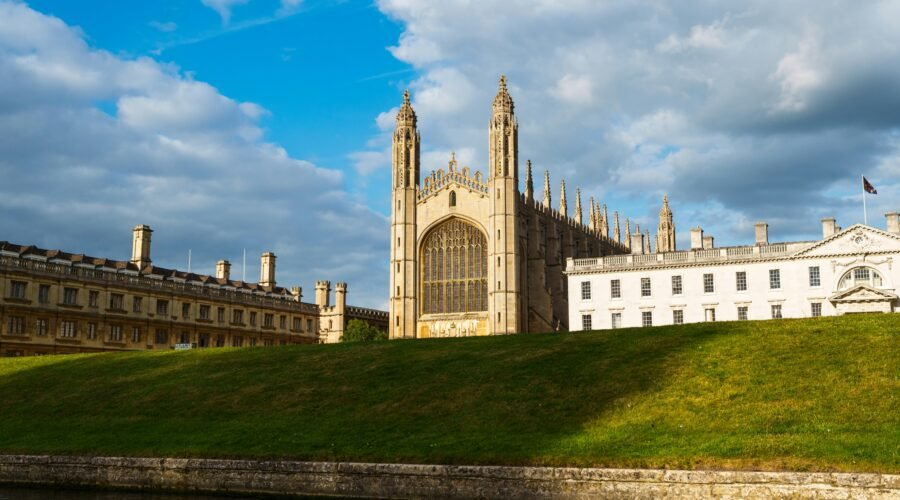
So, when is the best time to visit Cambridge, Massachusetts? For most travelers, May through early June and September through early October offer the best balance of comfortable weather, walkability, scenery, and manageable crowds. Summer is lively but warmer, while winter can work well if you prefer museums, quieter sightseeing, and potentially softer leisure demand.
Quick Answer
The best time to visit Cambridge, MA is usually May to early June or September to early October. These periods combine mild weather with excellent walking conditions. Visit in October for foliage, winter for fewer leisure tourists, and late spring or early fall if Harvard and MIT campus life is part of your trip.
Key Takeaways
- Best overall: May, early June, September, and early October.
- Best for fall foliage: October, although peak color changes from year to year.
- Best for fewer leisure crowds: January through March and parts of November.
- Best for campus atmosphere: September through April, outside university breaks.
- Watch late-May dates: Harvard and MIT commencement events can sharply increase demand around Cambridge.
- Best transportation strategy: Cambridge is easy to explore by foot and public transit, so many visitors do not need a car.
Best Months to Visit Cambridge at a Glance
| Travel goal | Best time | What to expect |
| Best overall experience | May–early June, September–early October | Mild weather and excellent walking conditions |
| Fall foliage | October | Colorful trees and crisp weather; exact peak varies |
| Campus atmosphere | September–October, March–April | Harvard and MIT are active during the academic year |
| Summer activities | June–August | Long days, outdoor events, heat and humidity |
| Quieter sightseeing | January–March, parts of November | Cold weather but fewer leisure visitors |
Cambridge Weather by Month
Cambridge does not have a major NOAA climate station of its own, so nearby Boston Logan International Airport is a useful regional reference. NOAA’s 1991–2020 climate normals show just how much conditions change during the year.
Note: Climate normals describe long-term averages, not a forecast for your trip. Cambridge can have unusually warm, cold, wet, or snowy days in any season, so check the local forecast shortly before you leave.
| Month | Average high | Average low |
| January | 36.8°F / 2.7°C | 23.1°F / -4.9°C |
| February | 39.0°F / 3.9°C | 24.6°F / -4.1°C |
| March | 45.5°F / 7.5°C | 31.1°F / -0.5°C |
| April | 56.4°F / 13.6°C | 40.8°F / 4.9°C |
| May | 66.5°F / 19.2°C | 50.3°F / 10.2°C |
| June | 76.2°F / 24.6°C | 59.7°F / 15.4°C |
| July | 82.1°F / 27.8°C | 66.0°F / 18.9°C |
| August | 80.4°F / 26.9°C | 65.1°F / 18.4°C |
| September | 73.1°F / 22.8°C | 58.2°F / 14.6°C |
| October | 62.1°F / 16.7°C | 47.5°F / 8.6°C |
| November | 51.6°F / 10.9°C | 37.9°F / 3.3°C |
| December | 42.2°F / 5.7°C | 29.2°F / -1.6°C |
Source: NOAA National Centers for Environmental Information climate normals.
Spring in Cambridge: April to June
Spring is one of the easiest seasons for sightseeing. Trees and gardens turn green again, university campuses are active, and temperatures become much more comfortable for long walks.
Spring Weather
- April: Average regional highs are around 56°F (14°C), but mornings and evenings can still be chilly. Bring layers and a light rain jacket.
- May: Average highs reach about 67°F (19°C), making May one of the strongest all-around months for walking, campus visits, and outdoor dining.
- June: Average highs rise to about 76°F (25°C). Early June often feels comfortable, while warmer and more humid conditions become increasingly possible later in the month.
Spring Crowds
April is generally manageable for leisure sightseeing. May becomes much more complicated because Harvard and MIT hold major commencement activities around the end of the month.
Pro Tip: Check Harvard and MIT commencement calendars before booking a late-May trip. Graduation periods can produce unusually heavy demand for nearby rooms, restaurants, transportation, and parking. Harvard lists May 27 for its 2027 Commencement, while MIT currently lists May 26–28 for its 2027 ceremonies.
Spring Costs
April and parts of early May may offer better availability than major graduation dates, but there is no single “cheap” spring period. Hotel rates depend heavily on university events, weekends, Boston-area conventions, and how early you reserve.
What to Do in Spring
Walk around Harvard Square, explore the Harvard and MIT campuses, visit Cambridge Common, spend time beside the Charles River, or enjoy outdoor dining as temperatures improve. Cambridge Arts also runs changing seasonal programs, so check its official calendar rather than relying on a fixed annual date.
For current maps, transportation advice, events, and neighborhood information, the Cambridge Visitor Information Center is a useful planning resource.
Summer in Cambridge: July and August
Summer brings long days and plenty of outdoor activity, but it also brings Cambridge’s warmest average temperatures and periods of high humidity.
Summer Weather
- July: NOAA regional normals show an average high of about 82°F (28°C) and an average low of 66°F (19°C). Hotter days and heat waves are possible.
- August: Average highs remain around 80°F (27°C), so lightweight clothing, water, and air-conditioned breaks can make sightseeing more comfortable.
Summer Crowds
Leisure tourism is active in summer. University residential life is quieter than during the main academic year, but Harvard Square, museums, restaurants, the riverfront, and major attractions can still be busy.
Summer Costs
Do not assume summer is automatically the most expensive period or that every summer week costs the same. Compare dates because Boston-area events, weekends, concerts, conventions, and local festivals can change demand quickly.
What to Do in Summer
Walk or cycle along the Charles River, take advantage of long daylight hours, visit museums during the hottest part of the afternoon, or attend outdoor cultural programs. Cambridge Arts organizes seasonal events, including programs such as Porchfest and Open Studios in some years.
Cambridge Carnival is another major cultural event around the late-summer/early-fall period. In 2026, the official festival is scheduled for September 12–13, so always verify the year’s dates at the official Cambridge Carnival website.
Fall in Cambridge: September to November
Fall is one of Cambridge’s strongest seasons. September retains some summer warmth, October brings cooler air and fall color, and November becomes noticeably quieter and colder.
Fall Weather
- September: Average highs are around 73°F (23°C) with average lows near 58°F (15°C). Early September can still feel summery.
- October: Average highs fall to about 62°F (17°C). This is a popular month for outdoor walks and New England foliage.
- November: Average highs drop to about 52°F (11°C), and evenings become much colder.
Fall Foliage
October is the safest general recommendation for travelers hoping to see autumn color, but foliage does not peak on the same date every year. Temperature, rainfall, wind, and elevation all influence timing.
Mount Auburn Cemetery is one of Cambridge’s best-known landscaped destinations and is particularly attractive in autumn. Its official event calendar even includes dedicated fall-foliage walks in some years.
Note: Boston Public Garden and the Charles River Esplanade are excellent nearby fall destinations, but they are in Boston rather than Cambridge. For Cambridge itself, consider Mount Auburn Cemetery, Cambridge Common, Harvard’s grounds, and the Cambridge side of the Charles River.
Fall Crowds
Universities return to full activity in September, so Cambridge feels energetic again. Pleasant weather, college visits, family weekends, and foliage travel can make September and October busy. Leisure crowds usually ease as November progresses.
Fall Costs
September and October can command strong hotel demand on popular weekends. November may offer better availability once foliage traffic declines, although holidays, university schedules, and Boston events can still affect rates.
What to Do in Fall
Walk along the Charles River, visit Mount Auburn Cemetery, explore Harvard Square, photograph tree-lined streets, and combine outdoor sightseeing with museums or performances. Cambridge’s cultural calendar becomes active again as the academic year gets underway.
Winter in Cambridge: December to March
Winter is cold, and snow or icy conditions can disrupt outdoor plans, but the season has advantages for travelers who prefer museums, cafes, bookstores, and quieter sightseeing.
Winter Weather
- December: Regional normals are about 42°F (6°C) for the average high and 29°F (-2°C) for the average low.
- January: This is usually the coldest part of the year, with an average high near 37°F (3°C) and low around 23°F (-5°C).
- February: Conditions remain cold, with average highs around 39°F (4°C). Snow and icy sidewalks are possible.
- March: Average highs climb to about 46°F (8°C), but early March can still feel distinctly wintry.
Winter Crowds
Outside major holidays and special events, winter typically brings fewer leisure tourists than warmer months. University life continues during the academic term, so Harvard Square, Kendall Square, and other campus areas do not become empty.
Winter Costs
January and February can sometimes offer softer leisure demand, but hotel and airfare prices are never guaranteed to be lowest simply because it is winter. Compare several dates and check local event calendars before booking.
What to Do in Winter
Use cold or snowy days for museums, galleries, bookstores, cafes, and performances. The Harvard museums include several indoor options, while the MIT Museum in Kendall Square focuses on science, technology, invention, and design.
If fresh snow arrives, Cambridge’s older buildings and university grounds can be beautiful for photography. Wear waterproof footwear with good traction and allow extra travel time when snow or ice is forecast.
Best Time to Visit Cambridge for Your Interests
For Outdoor Activities
- Best time: May to early June and September to early October.
- Why: These periods usually avoid the most persistent winter cold and the hottest part of summer, making walking, cycling, riverside sightseeing, and outdoor dining easier.
For Budget-Conscious Travelers
- Best time to check: January through early March, parts of November, and selected April dates.
- Why: Leisure demand can be lower during colder periods, but prices vary greatly. Compare weekdays against weekends and avoid assuming that an entire month will be inexpensive.
Free attractions can also stretch your budget. Harvard University states that the Harvard Art Museums are free and open to all visitors Tuesday through Sunday.
For Avoiding Crowds
- Best time: January through March and parts of November, outside holidays and major events.
- Why: Colder conditions reduce some leisure travel, making museums and popular walking areas more relaxed on many days.
For Academic and Campus Life
- Best time: September through October and March through April.
- Why: Harvard and MIT are in active academic sessions, so you experience more of the everyday campus atmosphere.
Late May is an entirely different type of campus experience because commencement celebrations dominate parts of Cambridge. Harvard’s official commencement information and MIT’s Commencement site should be checked before you reserve a hotel for that period.
For Festivals and Events
- Best time: Late spring through early fall.
- Why: Warmer months support more outdoor music, arts, neighborhood, and cultural programming.
Event dates are not fixed from year to year. Use the Cambridge Arts program listings and individual event websites before choosing travel dates solely for a festival.
For Photography
- Best time: October for fall color or immediately after a clean winter snowfall.
- Why: Autumn adds warm reds, oranges, and yellows to Cambridge’s historic architecture, while snow can create a completely different streetscape.
When University Events Affect Cambridge Most
Harvard and MIT are not just attractions; their academic calendars can materially affect the visitor experience. Commencement is the clearest example.
Harvard’s 2026 Commencement was held on May 28, while MIT’s 2026 commencement celebrations took place May 27–29. For 2027, Harvard currently lists May 27 and MIT lists May 26–28.
Those dates are important even if you have no connection to either university. Families and guests arrive from around the world, restaurants fill up, traffic increases, and nearby accommodations can become much harder to secure.
Always verify future dates directly through Harvard’s official Commencement schedule and MIT before making nonrefundable reservations.
What to Pack by Season
Spring
Bring layers, comfortable walking shoes, a light waterproof jacket, and a compact umbrella. April can feel chilly, while late May may feel almost summery.
Summer
Pack lightweight clothing, sun protection, comfortable shoes, and a refillable water bottle. A light layer is useful inside strongly air-conditioned museums and restaurants.
Fall
Use layers. September can be warm, but October mornings and evenings become cool. By November, a warmer coat may be necessary.
Winter
Bring an insulated coat, gloves, a hat, warm layers, and waterproof footwear with traction. Snow, slush, cold wind, and icy sidewalks can all affect a day of sightseeing.
Getting Around Cambridge During Your Visit
Cambridge is compact enough that many visitors can combine walking with public transportation. Harvard Square, Central Square, Kendall Square, and Porter Square are served by the MBTA Red Line, and buses connect additional neighborhoods.
The Cambridge Visitor Information Center specifically recommends public transit for getting around and notes the convenient Red Line connection between Cambridge and Boston.
A car can be more trouble than it is worth for a trip focused on central Cambridge because parking is limited and many street spaces are restricted. If you plan to stay mainly around Harvard, MIT, the squares, museums, and central Boston, transit and walking are often the simpler combination.
Cambridge also works well as a base for exploring nearby Boston. Just remember that famous places such as Boston Common, Boston Public Garden, Beacon Hill, and most of the Esplanade are across the river in Boston rather than in Cambridge itself.
Warning: Do not build a tight winter itinerary around outdoor activities without a backup plan. Snow, freezing rain, extreme cold, or transportation disruptions can change conditions quickly.
In summary, there is no single perfect month for everyone. May to early June and September to early October provide the most balanced experience for most Cambridge visitors. Choose October for foliage, warmer summer months for outdoor events, and winter if quieter indoor sightseeing matters more than mild weather. Whatever season you choose, check university calendars, event schedules, and the short-range weather forecast before your trip.
Frequently Asked Questions
What is the best time of year to visit Cambridge, Massachusetts?
May through early June and September through early October are the best choices for most visitors. They usually provide comfortable walking weather without the coldest winter conditions or hottest summer temperatures.
What is the weather like in Cambridge throughout the year?
Winters are cold and can be snowy, summers are warm and often humid, and spring and fall are milder. Nearby Boston Logan’s 1991–2020 climate normals range from an average January high of about 37°F to a July high of about 82°F.
When is Cambridge busiest?
There is no single busy season. Summer attracts leisure travelers, September and October benefit from pleasant weather and active campuses, and late-May commencement periods can cause especially sharp demand around Harvard and MIT.
When is the quietest time to visit Cambridge?
January through March generally bring fewer leisure visitors because of the cold. Parts of November can also feel quieter once the busiest fall weekends have passed. Holidays and major university or Boston-area events can still create exceptions.
How can I save money when visiting Cambridge?
Compare several travel dates, favor weekdays when practical, avoid major commencement periods if you are not attending them, use public transportation instead of paying for parking, and include free attractions such as the Harvard Art Museums.
When is the best time to see fall foliage in Cambridge?
October is the best general target, but peak foliage can shift each year. Mount Auburn Cemetery is one of the strongest Cambridge locations for fall color, while Boston Public Garden is a nearby option across the river in Boston.
Should I avoid Cambridge during Harvard and MIT graduation?
Avoid those dates if you want easier hotel availability and are not attending graduation. If you want to experience commencement energy, the period can be memorable, but reserve accommodation well ahead and confirm the universities’ official schedules first.
Do I need a car when visiting Cambridge?
Usually not for a central sightseeing trip. Cambridge is walkable, and the MBTA Red Line serves Kendall, Central, Harvard, and Porter areas. Parking restrictions and costs can make public transportation easier than driving.
Sources
- NOAA National Centers for Environmental Information — U.S. Climate Normals — supports the regional temperature and seasonal-weather guidance.
- Harvard University Commencement Schedule — supports Harvard commencement timing and future-date planning.
- MIT Commencement — supports MIT commencement timing and future-date planning.
- Cambridge Arts — City of Cambridge — supports current arts and cultural-program information.
- Cambridge Carnival — supports current Cambridge Carnival dates and event information.
- Mount Auburn Cemetery — supports year-round visiting information and seasonal outdoor recommendations.