

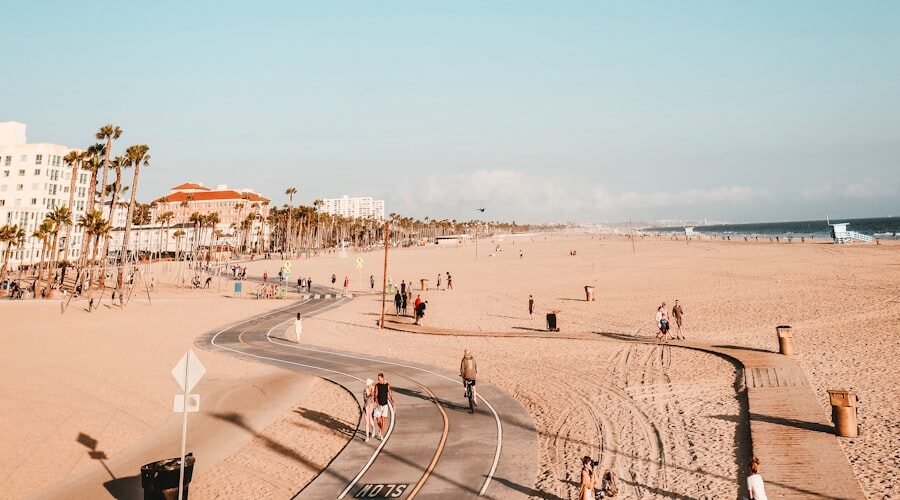
So, you’re thinking about a Hawaiian adventure and wondering about the sweet spot for visiting Honolulu? Great question! You want good weather, manageable crowds, and a price tag that doesn’t make your wallet weep. It’s a bit of a balancing act, but fortunately, Honolulu offers a pretty decent experience year-round. However, to truly nail your trip, understanding the nuances of weather, tourist flow, and cost makes a huge difference. Let’s break it down so you can plan your perfect tropical escape without too much fuss.
Honestly, there isn’t one single “best” month that ticks every single box for everyone. But if we’re talking about hitting a sweet spot with generally pleasant weather and fewer crowds than the absolute peak times, you’ll want to look at the shoulder seasons. Think late April through early June, and then again from September through early November. These periods often offer a fantastic compromise.
Spring Delights: April to June
This is often touted as one of the best times to visit, and for good reason. The dry season is in full swing, meaning sunshine is aplenty. The trade winds are usually doing their job, keeping things comfortable, and the humidity levels are generally lower than in the summer months. You’re avoiding the major school holidays and the holiday rush, which usually translates to a more relaxed vibe and potentially better deals on flights and accommodation. It’s a great time for beach days, hiking, and exploring the city without feeling like you’re shoulder-to-shoulder with everyone else.
Autumn’s Embrace: September to Early November
Much like spring, the fall offers a fantastic blend of good weather and fewer crowds. The intense summer heat has usually subsided, and the humidity drops. The ocean temperatures are still warm enough for comfortable swimming and watersports. This is a prime time to snag deals before the winter holiday season kicks in, bringing in a new wave of visitors. Plus, the fall foliage on the mainland is a distant memory when you’re basking in the Hawaiian sun.
If you’re planning a trip to Honolulu, Hawaii, understanding the best time to visit can greatly enhance your experience. For insights into local attractions and activities, you might find our article on the team behind Lele Tours particularly helpful. It provides valuable information about guided tours and experiences that can enrich your stay. You can read more about it here: Meet Our Team.
2. Weather Wisely: Understanding Honolulu’s Climate
Honolulu, and Waikiki in particular, enjoys a tropical climate. This means it’s warm year-round, with distinct wet and dry seasons, but not the extreme temperature swings you might find elsewhere. The ocean acts as a moderating influence, keeping things from getting too hot or too cold.
The Dry Season: Sunshine Central (Roughly April to October)
This is your prime time for blue skies and minimal rain. If your idea of a perfect vacation involves maximum sunshine for beach lounging, snorkeling, and outdoor exploration, aim for these months. You’ll find the humidity is often lower, making the warmth more bearable. Even though it’s called the “dry” season, you can still expect occasional brief showers, especially in the afternoons or evenings. These are usually refreshing and don’t typically last long enough to ruin your day.
- April & May: These months are particularly lovely. The heavy rains of winter are gone, and the summer heat hasn’t fully kicked in yet. It’s sunny, breezy, and generally humid-friendly.
- June, July, & August: This is peak summer. Expect plenty of sunshine, high temperatures, and increased humidity. It’s a fantastic time for water activities, but be prepared for the heat. This is also when the tourist crowds are at their largest due to school breaks.
- September & October: The tail end of the dry season. The heat starts to mellow, and the humidity drops significantly. It’s still very sunny, and the ocean is wonderfully warm. This is a fantastic sweet spot for weather.
The Wet Season: Brief Showers and Lush Landscapes (Roughly November to March)
Don’t let the term “wet season” scare you off completely. While it receives more rainfall, Honolulu doesn’t typically experience day-after-day of drenching rain like some tropical destinations. Instead, expect more frequent, but usually shorter, showers. These can be dramatic, but often pass quickly, leaving the air feeling fresh and the landscape lush and green. This season also brings slightly cooler temperatures, though “cooler” in Hawaii is still quite pleasant.
- November & December: You’ll start to notice an increase in rainfall. However, many days are still sunny, especially in the earlier part of this period. The temperatures are pleasant, and the crowds are manageable until the Christmas and New Year’s rush.
- January & February: These are generally considered the wettest months. However, even during these times, you can have stretches of beautiful, sunny weather. Short, intense rain showers are common, often in the afternoon or evening. This is also a popular time for whale watching.
- March: The rains begin to taper off, and you’ll see a return to more consistent sunshine. The landscape is beautifully green from the winter rains.
3. Crowd Control: Navigating Honolulu’s Tourist Seasons

The number of people in Honolulu, especially in the popular Waikiki area, fluctuates quite a bit. Knowing when the masses descend can help you decide if you prefer a lively scene or a more laid-back experience.
Peak Season: When Everyone Else is There
This is when you’ll encounter the most people, longer waits at attractions, and a generally more bustling atmosphere. If you don’t mind crowds and want to experience the destination at its most energetic, these times might work for you. However, if you prefer a more relaxed vibe and ample space on the beach, you’ll want to steer clear.
- Mid-December to Mid-January: This is the ultimate peak. School holidays, Christmas, and New Year’s celebrations bring flocks of visitors. Everything is busy, and prices are at their highest.
- June, July, and August: Summer vacation for families means another major surge in tourist numbers. Beaches, restaurants, and attractions will be packed.
Shoulder Seasons: The Sweet Spot for Fewer Faces
These periods offer a great balance. You’ll still find a good amount of tourist activity, but it’s significantly more relaxed than during peak times. Attractions are less crowded, and you’re more likely to snag a table at a popular restaurant without a reservation weeks in advance.
- Late April to Early June: The post-Easter and pre-summer lull. The crowds are thinning out after the spring break rush, and the summer vacationers haven’t arrived en masse yet.
- September to Early November: The kids are back in school, and the holiday season hasn’t begun. This is a golden period for enjoying Honolulu with fewer people around.
Low Season: Where to Find Some Peace
While Honolulu doesn’t really have a true “off-season” in the sense of being deserted, there are times when crowds are at their lowest. These can be great opportunities for a more intimate experience and potentially better deals.
- Late January to February (excluding Presidents’ Day weekend): After the New Year’s rush has died down and before spring break crowds begin. You might encounter more rain during this period, but if you’re not solely focused on sunbathing every minute, you can have a wonderfully tranquil experience.
- October (especially mid-to-late): The summer crowds have dispersed, and the winter holidays haven’t started yet. It’s a beautiful time to visit with a significantly more relaxed feel.
4. Cost Considerations: Making Your Dollar Stretch

Your travel budget plays a significant role in when you choose to visit Honolulu. Prices for flights and accommodation can fluctuate dramatically based on demand.
Peak Season Pricing: When Your Wallet Takes a Hit
If you’re traveling during the main holiday periods or when school is out, expect to pay a premium for pretty much everything. Flights will be at their most expensive, hotel rates will soar, and even rental cars can see significant price hikes.
- Holidays (Christmas, New Year’s, Thanksgiving): These are the absolute peak times for pricing. Book as far in advance as humanly possible if you must travel during these times.
- Summer Vacation (June-August): Expect higher costs for flights and accommodation due to the consistent demand from families.
Shoulder Season Savings: Getting More Bang for Your Buck
This is where you can often find a great balance between good weather and reasonable prices. By avoiding the absolute peak times, you can often find more affordable flights and hotel deals.
- Late April to Early June: As mentioned, this period offers good weather and a dip in prices compared to the summer. You can often find flight deals and hotel packages that are much more attractive.
- September to Early November: This is arguably the best time for cost savings. The demand is lower than summer, and you’re still enjoying fantastic weather. You’ll likely find more competitive pricing on flights and accommodation.
Low Season Value: The Best Deals to Be Found
If budget is your primary concern, targeting the lower-demand periods can lead to the most significant savings. While you might be sacrificing some guaranteed sunshine, you can often get a lot more for your money.
- Late January to February: Outside of major holiday weekends, this can be a surprisingly affordable time. You might see lower flight prices and hotel rates.
- October: Another excellent month for budget travelers. The post-summer lull means prices can drop, especially if you avoid the more popular weekends.
If you’re planning a trip to Honolulu, Hawaii, understanding the best time to visit can greatly enhance your experience. For more insights on travel planning, you might find this article on Lele Tours particularly helpful, as it offers valuable tips on navigating the local culture and attractions. Knowing the weather patterns, crowd levels, and costs associated with different seasons will help you make the most of your Hawaiian getaway.
5. Activities and Events: What’s Happening When
| Month | Weather | Crowds | Costs |
|---|---|---|---|
| January | Mild and rainy | Low | Low |
| February | Mild and rainy | Low | Low |
| March | Mild and rainy | Low | Low |
| April | Warm and dry | Medium | Medium |
| May | Warm and dry | Medium | Medium |
| June | Hot and dry | High | High |
| July | Hot and dry | High | High |
| August | Hot and dry | High | High |
| September | Hot and dry | High | High |
| October | Warm and dry | Medium | Medium |
| November | Mild and rainy | Low | Low |
| December | Mild and rainy | Low | Low |
While Honolulu is always buzzing with things to do, certain times of the year offer unique events or better conditions for specific activities.
Water Sports: Ocean’s Playground
The ocean is the main attraction for many, and its conditions vary throughout the year.
- Surfing in Waikiki: Generally good year-round, but the winter months (November to February) can bring larger swells, attracting more experienced surfers. The summer months offer smaller, gentler waves, ideal for beginners.
- Snorkeling and Diving: Visibility is generally best during the drier months (April to October) when the water is calmer and there’s less sediment runoff. The ocean temperatures are also warm and inviting.
- Whale Watching: If seeing humpback whales is on your bucket list, you must visit between December and May, with the peak season being January to March. Tours depart from various points around Oahu, including Honolulu harbor.
Cultural Events and Festivals: A Taste of Aloha
Honolulu hosts a variety of events throughout the year, some of which might influence your decision.
- Lei Day (May 1st): A beautiful celebration of Hawaiian culture, with lei-making contests and vibrant festivities across the islands. Honolulu is a great place to experience this.
- King Kamehameha Day Celebrations (June): Parades and hula performances honor the great Hawaiian king.
- Aloha Festivals (September): Hawaii’s largest cultural festival, with parades, concerts, and traditional Hawaiian food and crafts. This is a fantastic time to immerse yourself in local culture.
- Honolulu Marathon (December): If you’re a runner, participating in or spectating this major event can be a draw. However, be aware it coincides with peak holiday crowds and pricing.
Other Attractions: Beyond the Beach
- Pearl Harbor: Accessible year-round, but booking tickets in advance is always recommended, especially during peak tourist seasons.
- Diamond Head Hike: Enjoyable in most weather, but mornings are generally cooler and less crowded. The drier months offer the most reliable conditions.
- Iolani Palace and Bishop Museum: Fantastic indoor activities, perfect for any weather.
If you’re planning a trip to Honolulu, Hawaii, understanding the best time to visit can greatly enhance your experience. Factors such as weather, crowds, and costs play a significant role in determining when to go. For more insights on how to make the most of your travel plans, you might find this related article on travel tips particularly helpful. It offers valuable information that complements your research on the ideal time to enjoy the beautiful beaches and vibrant culture of Honolulu.
6. Making the Final Call: Your Personal Honolulu Checklist
So, how do you weigh all this information and decide? It really comes down to what’s most important to you.
Prioritize Your Perfect Trip: What’s Non-Negotiable?
- If Sunshine is Paramount: Aim for April through October, with a special lean towards April-May and September-October for that sweet spot of good weather and manageable crowds.
- If Avoiding Crowds is Key: Shoulder seasons are your best bet: late April to early June, and September to early November. If you can tolerate a higher chance of rain, late January to February can also be very peaceful.
- If Budget is the Biggest Factor: Look at the low season: late January to February, and October. Be prepared for the possibility of some rain.
- If Specific Events or Activities Call to You: Plan your visit around them! Whale watching in winter, Aloha Festivals in September, or Lei Day in May.
The Art of Compromise
Rarely will a single timeframe be absolutely perfect in every single category. You might have to decide if amazing weather is worth a few more people, or if a lower price is worth the slight risk of a brief shower. Think about what kind of vacation you envision – are you looking for non-stop beach lounging, active exploration, cultural immersion, or a bit of everything?
A Little Planning Goes a Long Way
No matter when you decide to visit, remember that booking flights and accommodation in advance, especially if you’re traveling during a popular period, is crucial for getting the best prices and availability. Even with crowds, a bit of forethought ensures a smoother and more enjoyable experience. Honolulu is a magical place, and with a little strategic planning, you can find the perfect time to experience its unique charm.
FAQs
1. What is the best time to visit Honolulu, Hawaii in terms of weather?
The best time to visit Honolulu, Hawaii in terms of weather is during the months of April to June and September to mid-December. During these times, the weather is typically warm and sunny with lower chances of rain.
2. When is the best time to visit Honolulu, Hawaii to avoid crowds?
To avoid crowds, it is best to visit Honolulu, Hawaii during the shoulder seasons of April to June and September to mid-December. These months typically have fewer tourists compared to the peak summer and winter seasons.
3. What is the most cost-effective time to visit Honolulu, Hawaii?
The most cost-effective time to visit Honolulu, Hawaii is during the shoulder seasons of April to June and September to mid-December. During these times, you can find better deals on accommodations and activities compared to the peak summer and winter seasons.
4. When is the peak tourist season in Honolulu, Hawaii?
The peak tourist season in Honolulu, Hawaii is during the months of July and August, as well as the winter months of mid-December to March. During these times, the city experiences a higher influx of tourists and higher accommodation and activity prices.
5. What is the weather like in Honolulu, Hawaii during the peak tourist season?
During the peak tourist season in Honolulu, Hawaii, the weather is typically warm and sunny, with occasional rain showers. However, it is important to note that the peak tourist season also coincides with higher humidity and the possibility of hurricanes.
[…] you’re comparing Coral Bay with another warm-weather destination, the guide to visiting Honolulu by weather, crowds, and costs offers another useful planning […]