

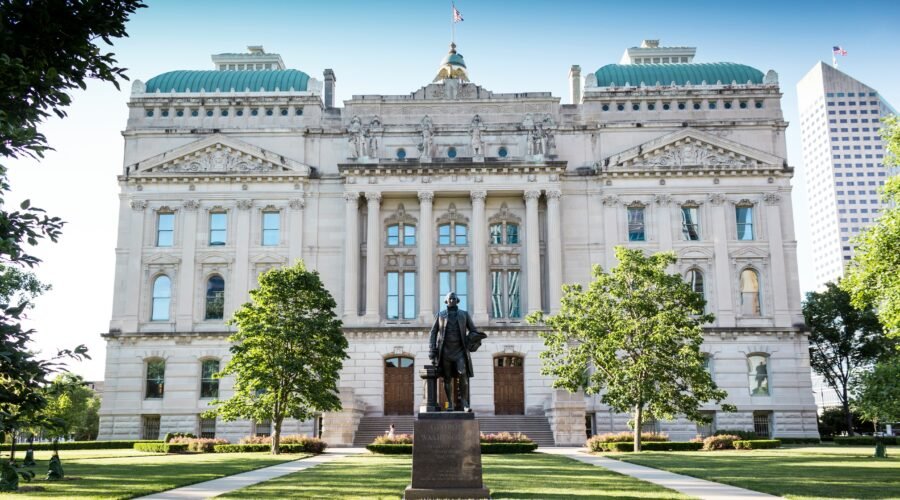
The best time to visit Indianapolis for most travelers is May or September through October. National Weather Service 1991–2020 normals show an average May high of 73.4°F, a September high of 78.2°F, and an October high of 65.6°F. Choose May for spring weather and Indianapolis 500 energy, September for warm outdoor sightseeing, or late October into early November for fall color. Travelers who dislike major crowds should avoid large race, convention, and festival weekends because Indianapolis hotel availability and traffic can change sharply around major events.
Last updated: September 11, 2026. Climate figures use 1991–2020 normals from the National Weather Service, and 2026 event dates were checked against official organizers.
Author: [VERIFY: add the real author name and relevant travel/research credentials before publishing.]
Quick Answer
The best overall time to visit Indianapolis is May or September through October. May averages 73.4°F during the day and 53.7°F at night, while September averages 78.2°F / 57.4°F and October averages 65.6°F / 45.5°F. If fall foliage is your priority, Visit Indy places the Indianapolis region’s typical peak leaf-watching window around October 20 to November 10. Race fans should target late May, while travelers who prefer fewer major outdoor-event crowds can consider winter or dates outside major convention and sports weekends.
Key Takeaways
- Best Overall Weather: May, September, and early October combine mild-to-warm daytime temperatures with comfortable conditions for outdoor sightseeing.
- Best Fall Color: Visit Indy identifies roughly October 20 through November 10 as peak leaf-watching season in the Indianapolis region.
- Biggest Event Alert: The Indianapolis 500 creates exceptional late-May demand. The May 24, 2026 race drew a reported capacity crowd of about 350,000.
- Budget Strategy: Do not rely on season alone. Compare your exact dates against conventions, races, football games, tournaments, and festivals before booking.
Best Time to Visit Indianapolis at a Glance
| Trip Goal | Best Timing | Why |
|---|---|---|
| Best overall sightseeing | May or September–early October | Mild-to-warm temperatures without the most intense midsummer heat. |
| Indianapolis 500 | Late May | Race-week activities build toward Memorial Day weekend. The 2026 race was May 24. |
| Fall foliage | October 20–November 10 | Visit Indy identifies this as the typical peak leaf-watching window for the Indianapolis region. |
| Warm outdoor activities | June or September | June averages 82.0°F / 62.9°F; September averages 78.2°F / 57.4°F. |
| Indoor-focused trip | December–February | Cold weather favors museums, sports, restaurants, and other indoor attractions. |
Weather normals below are based on the National Weather Service’s 1991–2020 Indianapolis climate data. Actual conditions can vary, so check the forecast shortly before your trip.
Spring in Indianapolis (March – May)
Spring changes quickly in Indianapolis. March still feels chilly, April becomes milder but wetter, and May brings some of the year’s most comfortable sightseeing weather. May is also race month, so your experience can change dramatically depending on whether you visit before or during Indianapolis 500 activities.
Spring Weather Patterns
- March: NWS normals are 51.9°F for the average high and 33.0°F for the average low. Indianapolis averages 3.69 inches of precipitation and 3.2 inches of snow during the month.
- April: The normal high is 63.9°F and the normal low is 43.3°F. Average precipitation rises to 4.34 inches.
- May: The normal high reaches 73.4°F with a low of 53.7°F. May averages 4.75 inches of precipitation, so mild temperatures do not mean rain-free conditions.
Crowds & Hotel Costs
March and April generally avoid the exceptional race-week demand seen in late May. Indianapolis 500 activities intensify through May, and the Indianapolis Motor Speedway becomes the center of attention. The 2026 Indianapolis 500 took place on May 24, and IMS reported a capacity crowd of about 350,000. Travelers who do not plan to attend the race should compare hotel availability carefully before choosing a late-May stay.
Pro Tip: If you want May’s mild weather without the biggest race-week crowds, consider early May and check the Indianapolis Motor Speedway calendar before booking.
Top Spring Activities
- Outdoor Exploration: Stroll along the Indianapolis Canal Walk, explore White River State Park, or view spring blooms at Newfields.
- Baseball Games: Catch a minor league baseball game with the Indianapolis Indians at Victory Field.
- Museum Visits: Explore the Eiteljorg Museum of American Indians and Western Art or the Indiana State Museum on cooler or rainy days.
Summer in Indianapolis (June – August)
Summer brings warm weather, long daylight hours, outdoor dining, festivals, conventions, and sporting events. June is usually more comfortable than the hottest part of midsummer, while July and August can feel more demanding during humid spells.
Summer Weather Patterns
- June: The NWS normal high is 82.0°F and the normal low is 62.9°F. June is also the wettest month by normal precipitation at 4.95 inches.
- July: July is the warmest month by normal high, averaging 85.2°F during the day and 66.4°F at night.
- August: The normal high is 84.3°F with a low of 65.0°F. Normal precipitation drops to 3.20 inches.
Crowds & Hotel Costs
Summer includes major festivals, conventions, sporting events, and family travel. Instead of assuming every summer weekend will cost the same, check Indianapolis’ event calendar for your exact dates. A large convention, tournament, festival, or concert can have more effect on downtown availability than the month alone.
Warning: Hot, humid periods can make midday sightseeing uncomfortable in July and August. Schedule longer outdoor walks earlier or later in the day, carry water, and check heat or thunderstorm forecasts before heading out.
Top Summer Activities
- Water & Park Time: Explore the Central Canal, White River State Park, and the city’s trail network when weather conditions cooperate.
- Outdoor Festivals: The 2026 Indiana State Fair ran August 7–23, closed Mondays. Indiana Black Expo’s Summer Celebration also fills the July calendar with major cultural programming.
- Family Attractions: Visit The Children’s Museum of Indianapolis, which identifies itself as the world’s largest children’s museum, or spend time at the Indianapolis Zoo.
Fall in Indianapolis (September – November)
Fall is one of Indianapolis’ strongest seasons for sightseeing. September stays warm enough for long outdoor days, October brings cooler walking weather and changing leaves, and November transitions quickly toward winter conditions.
Fall Weather Patterns
- September: NWS normals are 78.2°F for the high and 57.4°F for the low, with 3.14 inches of monthly precipitation.
- October: The normal high is 65.6°F and the normal low is 45.5°F. For foliage-focused travel, Visit Indy identifies roughly October 20 through November 10 as the Indianapolis region’s peak leaf-watching window.
- November: The normal high falls to 51.8°F and the low to 34.9°F. Frost and occasional early-season snow become more realistic as the month progresses.
Crowds & Hotel Costs
September and October can still produce busy weekends because of football, festivals, concerts, conventions, and fall events. Check the exact event calendar rather than assuming fall automatically means low prices. November generally shifts toward colder-weather travel, although sporting events and conventions can still raise demand on specific dates.
Top Fall Activities
- Fall Foliage Tours: Walk through Eagle Creek Park or take a day trip to Brown County State Park, Indiana’s largest state park and a traditional fall-color destination.
- Seasonal Markets: Explore apple orchards, pumpkin patches, and seasonal markets around Central Indiana.
- Cultural Arts: Attend live theater, concerts, galleries, and events around Mass Ave, Broad Ripple, and downtown.
Winter in Indianapolis (December – February)

Winter in Indianapolis is cold enough to make indoor attractions especially appealing. Snow is normal during the season, but the amount and timing vary from year to year.
Winter Weather Patterns
- December: The normal high is 40.4°F and the low is 26.2°F, with 6.4 inches of average monthly snowfall.
- January: January is the coldest month by normal temperature, averaging 36.1°F for the high and 20.9°F for the low. Normal snowfall is 8.8 inches.
- February: The normal high is 40.8°F and the low is 24.2°F, with 6.0 inches of normal snowfall.
Crowds & Hotel Costs
Winter can be attractive to travelers who prioritize museums, restaurants, professional sports, and indoor attractions over outdoor sightseeing. Leisure demand may be lighter on some dates, but hotel prices can still rise around conventions, sporting events, and the late-December holiday period. Compare exact dates before assuming winter will always be cheapest.
2026 Downtown Access Note: Indianapolis still has climate-controlled skywalk connections linking several downtown hotels, venues, and the Indiana Convention Center, but redevelopment around Circle Centre/Traction Yards has removed or temporarily closed some connectors. Check Visit Indy’s current construction updates before relying on a specific skywalk route.
Top Winter Activities
- Holiday Celebrations: See seasonal lights and holiday programming around downtown Indianapolis.
- Professional Sports: Catch an NBA game with the Indiana Pacers at Gainbridge Fieldhouse.
- Museum Exploration: Use cold or snowy days for Indianapolis’ indoor museums and family attractions.
Indianapolis Event Calendar & Major Festivals

Major annual events can change traffic, restaurant demand, hotel availability, and the atmosphere of an Indianapolis trip. The dates below provide a verified 2026 snapshot; always check the organizer’s current calendar when planning a future year.
Major Sporting Events
- Indianapolis 500: The 110th Indianapolis 500 was held on May 24, 2026. Indianapolis Motor Speedway reported a capacity crowd of about 350,000, and reserved grandstand seating sold out before race week. Late-May travelers should plan around the race even if they are not attending.
- Big Ten Football Championship: The 2026 championship is scheduled for December 5 at Lucas Oil Stadium, with kickoff at 8 p.m. ET.
- NCAA Basketball Tournaments: Indianapolis regularly hosts major college basketball events, but venues and rounds vary by year. Check the NCAA and local venue calendars for the dates of your trip.
Cultural Festivals
- Indiana Black Expo Summer Celebration: This major July event includes cultural, business, health, arts, and entertainment programming. Dates vary by year, so check the current Indiana Black Expo calendar.
- Indiana State Fair: The 2026 fair ran August 7 through August 23 and was closed on Mondays.
- Indy Jazz Fest: The 2026 festival runs September 22–26 across multiple Indianapolis venues, with the Grand Finale on September 26.
Indianapolis Weather by Month
The table below uses National Weather Service Indianapolis 1991–2020 normals. These are long-term planning averages, not a forecast.
| Month | Avg. High | Avg. Low | Precipitation | Snowfall |
|---|---|---|---|---|
| January | 36.1°F | 20.9°F | 3.12 in | 8.8 in |
| February | 40.8°F | 24.2°F | 2.43 in | 6.0 in |
| March | 51.9°F | 33.0°F | 3.69 in | 3.2 in |
| April | 63.9°F | 43.3°F | 4.34 in | 0.2 in |
| May | 73.4°F | 53.7°F | 4.75 in | 0.0 in |
| June | 82.0°F | 62.9°F | 4.95 in | 0.0 in |
| July | 85.2°F | 66.4°F | 4.42 in | 0.0 in |
| August | 84.3°F | 65.0°F | 3.20 in | 0.0 in |
| September | 78.2°F | 57.4°F | 3.14 in | 0.0 in |
| October | 65.6°F | 45.5°F | 3.22 in | 0.1 in |
| November | 51.8°F | 34.9°F | 3.45 in | 0.8 in |
| December | 40.4°F | 26.2°F | 2.92 in | 6.4 in |
Budgeting Your Indianapolis Trip
Indianapolis lodging prices are not determined by weather alone. Major races, conventions, tournaments, football games, concerts, and festivals can create sharp demand on individual weekends. For a price-sensitive trip, check the event calendar first and then compare hotels for your exact dates.
Budget Strategies for Every Season
- Check Events Before Hotels: Search your dates for major downtown conventions, Indianapolis Motor Speedway events, Lucas Oil Stadium games, Gainbridge Fieldhouse events, and festivals before deciding whether a rate is genuinely good.
- Compare More Than Downtown: If downtown rates are high, compare properties around Keystone at the Crossing, Indianapolis International Airport, and nearby communities such as Carmel. Factor parking and transportation into the total cost before choosing.
- Use Flexible Reservations When Practical: A cancellable reservation can give you room to recheck rates before the trip without relying on an unsupported assumption that one weekday or season is always cheaper.
- Use Free Outdoor Attractions: Walking the Central Canal, exploring Monument Circle, and viewing public art can reduce activity costs when weather conditions are comfortable.
Neighborhood Guide & Seasonal Highlights
Each Indianapolis district offers a different seasonal experience:
- Downtown & Wholesale District: Convenient for the Indiana Convention Center, Lucas Oil Stadium, Gainbridge Fieldhouse, museums, hotels, and restaurants. Some climate-controlled skywalk connections remain useful in poor weather, but 2026 redevelopment has closed or removed several links, so verify the current route before relying on them.
- Broad Ripple Village: Especially appealing in warmer months for dining, nightlife, arts, and access to the Monon Trail.
- Fountain Square & Mass Ave: Strong choices for restaurants, shops, arts, entertainment, and walkable fall evenings.
So, When Should You Visit Indianapolis?
For a first Indianapolis trip focused on sightseeing, September or early October is an excellent default: temperatures are milder than midsummer and most outdoor attractions remain comfortable to explore. Choose May if you prefer spring conditions or want to experience Indianapolis 500 season, but avoid race week if crowds are not part of your plan. For fall color, target approximately October 20 through November 10. Winter works best for travelers who are comfortable with cold weather and plan to emphasize museums, sports, restaurants, and indoor attractions.
Frequently Asked Questions
1. What is the best time of year to visit Indianapolis?
The best time to visit Indianapolis for most travelers is May or September through early October. NWS normals show a May high of 73.4°F, a September high of 78.2°F, and an October high of 65.6°F, making these months well suited to outdoor sightseeing.
2. Is October a good time to visit Indianapolis?
Yes. October has a normal average high of 65.6°F and low of 45.5°F. It is also one of the best months for fall scenery, with Visit Indy placing the region’s typical peak leaf-watching period around October 20 through November 10.
3. When is the Indianapolis 500?
The Indianapolis 500 is held in late May around Memorial Day weekend. The 2026 race took place on May 24 and drew a reported capacity crowd of about 350,000. Check Indianapolis Motor Speedway for the exact date when planning a future year.
4. Does Indianapolis get snow in winter?
Yes. NWS 1991–2020 normals show 6.4 inches of snowfall in December, 8.8 inches in January, and 6.0 inches in February. Actual snowfall varies substantially from year to year.
5. When is Indianapolis busiest for visitors?
The most intense single event period is late May around the Indianapolis 500. Summer festivals, major conventions, tournaments, football weekends, and other downtown events can also create busy dates, so check the city event calendar before booking.
6. What is the cheapest time to visit Indianapolis?
There is no single month that is guaranteed to be cheapest because Indianapolis hotel rates change with conventions, sports, races, festivals, and holidays. For lower-cost dates, compare winter and shoulder-season stays outside major events, then check the exact hotel rate rather than relying on a seasonal percentage estimate.
Sources
- National Weather Service Indianapolis — 1991–2020 monthly temperature, precipitation, and snowfall normals
- Visit Indy Weather — Indianapolis seasonal weather and visitor planning information
- Visit Indy Fall Trip Ideas — Indianapolis-region fall foliage timing
- Indianapolis Motor Speedway — 2026 Indianapolis 500 date and event schedule
- Indianapolis Motor Speedway Race Report — 2026 Indianapolis 500 attendance context
- Indiana State Fair — Official annual fair schedule
- Indy Jazz Fest — Official 2026 festival dates and venues
- Big Ten Conference — 2026 Football Championship date and venue
- Visit Indy Construction Updates — Current downtown and skywalk redevelopment information
- The Children’s Museum of Indianapolis — Official museum information


[…] you’re comparing weather, crowds, and trip costs for another destination, this guide to when to visit Indianapolis covers the same planning factors in a very different […]