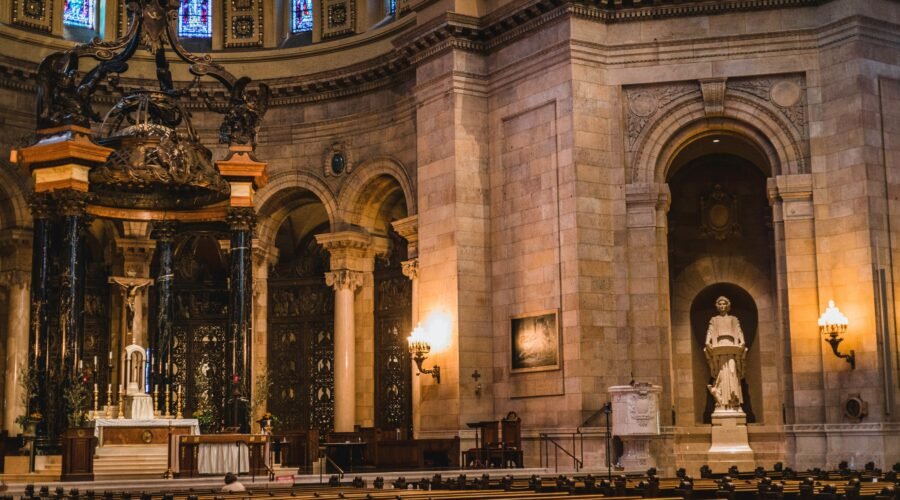
So, when is the best time to visit Saint Paul, Minnesota? It depends on the trip you have in mind. Late spring and early fall offer a comfortable balance of weather and outdoor activities, while summer brings festivals and winter offers snowy adventures. Here’s how the seasons compare so you can choose dates that fit your plans.
Quick Answer
For most travelers, the best time to visit Saint Paul is late May to June or September to early October. These periods balance comfortable weather with outdoor activities. Choose late August or early September for the Minnesota State Fair, and late January to early February for Winter Carnival. Check event dates and forecasts before booking.
Key Takeaways
- Best overall balance: Late May, June, and September offer comfortable conditions for exploring the city.
- Best for summer activities: June through August brings outdoor concerts, parks, festivals, and longer days.
- Best for fall colors: Early to mid-October is a useful planning window, but actual foliage timing varies.
- Best for winter events: Late January and early February bring the Saint Paul Winter Carnival.
- Best for flexible budgets: Compare winter and shoulder-season dates, but avoid assuming any particular month guarantees the lowest prices.
1. Spring (March–May): The City Comes Back to Life
Spring in Saint Paul is a bit of a rollercoaster, but a beautiful one. March can still feel like winter, while April brings melting snow and unpredictable weather. By May, parks and gardens begin to show their colors.
1.1 Weather in Spring
- March: Winter often hangs around. NOAA’s 1991–2020 climate normals show an average high near 42°F and low near 25°F. Snow is still possible, so pack a warm coat, hat, and gloves.
- April: Temperatures become milder, with an average high near 57°F and low near 38°F. Expect a mix of sunshine, rain, and occasional late-season snow. Waterproof shoes and layers are useful.
- May: Average highs reach about 69°F, with lows around 50°F. Trees begin filling out, gardens become colorful, and walking through the city gets more comfortable. Rain remains possible, so keep a light jacket handy.
These figures are monthly climate averages from the Minneapolis–Saint Paul Airport weather station. Individual days can be much warmer or colder.
1.2 Crowds in Spring
- March: Many outdoor attractions are quieter, although indoor venues and special events can still draw visitors.
- April: Parks and walking areas become more active as the weather improves.
- May: Warmer weather, graduation weekends, and local events can increase demand at hotels and popular attractions.
If you prefer a relaxed visit, weekdays outside major event dates are worth considering.
1.3 Costs in Spring
- March: Check for hotel offers, particularly if your travel dates are flexible.
- April: Accommodation prices may be attractive between major events, although individual properties can vary considerably.
- May: Warmer weather and graduation-related demand can affect hotel availability and prices.
Flight costs also depend on your departure airport, booking date, airline, and travel schedule. Compare actual prices rather than relying only on the season.
1.4 Why Spring Might Be for You
If you’re looking for pleasant walking weather without the strongest summer heat, May is a good option. March and April suit visitors who enjoy a quieter atmosphere and don’t mind changing weather.
Spring is also a lovely time to explore Como Park, walk through historic neighborhoods, or visit the Como Park Zoo and Conservatory. If the weather turns wet or chilly, the conservatory provides a useful indoor alternative.
Before your trip, check the forecast and opening information for any outdoor attraction you plan to visit. Minnesota spring weather can change quickly, so a flexible itinerary works well.
2. Summer (June–August): Festivals and Sunny Skies
Summer is the warmest part of the year in Saint Paul, and the city offers plenty of outdoor activities. Parks, riverfront areas, concerts, and seasonal festivals give visitors many ways to spend their days.
2.1 Weather in Summer
- June: Average temperatures range from about 60°F at night to 79°F during the day. Longer daylight hours make this an enjoyable month for walking, cycling, and exploring.
- July: The warmest month, with an average high near 83°F and low around 65°F. Hotter days can reach the 90s, and humidity may make outdoor activities feel more demanding.
- August: Still warm, with an average high near 81°F and low around 63°F. Humidity and thunderstorms remain possible, but temperatures gradually begin to ease as fall approaches.
Summer thunderstorms can develop quickly. Check the weather before spending a full day outdoors, especially if you plan to be near the river or attend an open-air event.
2.2 Crowds in Summer
- June: School vacations, festivals, and outdoor activities bring more people into parks and attractions.
- July: Popular destinations such as Como Park Zoo and Conservatory, museums, and riverfront areas can be busy, especially on weekends.
- August: Summer activity continues, with particularly strong demand around the Minnesota State Fair.
The Minnesota State Fair runs for 12 days ending on Labor Day. The next published dates are August 26–September 6, 2027.
The fairgrounds are located at 1265 Snelling Avenue North. If the fair is the main reason for your visit, choose your accommodation with transportation and travel time in mind.
2.3 Costs in Summer
- June: Compare hotel availability around festivals, graduation dates, and major events.
- July: Summer demand can affect accommodation rates, particularly during event weekends.
- August: State Fair dates deserve special attention. Nearby accommodation and transportation may require additional planning.
Booking earlier gives you more choices, although it does not guarantee the lowest price. Compare refundable rates if your plans may change.
2.4 Why Summer Might Be for You
If you’re looking for warm weather, long days, outdoor concerts, farmers’ markets, and activities along the Mississippi River, summer is an excellent choice.
Saint Paul Parks and Recreation offers summer programs and events, including outdoor music, movies, and community activities. Check its official summer activities calendar for current information.
Music lovers should also look for the Twin Cities Jazz Festival, which takes place in Saint Paul’s Lowertown area. The 2026 festival was held June 19–20; check the official event information before planning a future visit.
Pro Tip: If you’re visiting for the State Fair, book accommodation after checking the official event calendar and transportation options. A hotel farther from the fairgrounds may offer better value, but travel time should be part of the comparison.
3. Fall (September–November): Crisp Air and Colorful Canopies

Fall is one of the most appealing times to visit Saint Paul. The weather gradually cools, colorful leaves brighten the parks, and many outdoor activities remain enjoyable.
3.1 Weather in Fall
- September: Early September can still feel like summer. The average high is near 73°F, with lows around 54°F. Cooler evenings make it a comfortable month for walking and outdoor dining.
- October: Average highs fall to about 58°F, with lows near 41°F. Expect crisp mornings and cooler evenings. Bring a medium-weight jacket, especially if you plan to spend time outside after sunset.
- November: The transition toward winter becomes more noticeable. Average highs are near 42°F and lows around 28°F. Snow is possible, and daylight hours continue to shorten.
3.2 Crowds in Fall
- September: The State Fair can make the beginning of the month busy. Activity generally becomes less concentrated around the fairgrounds after the event ends.
- October: Parks and scenic routes attract visitors during the fall-color season, particularly on pleasant weekends.
- November: Colder weather makes outdoor attractions less appealing to some visitors, although indoor events can still be popular.
3.3 Costs in Fall
- September: Compare dates before and after the State Fair. Event-related demand can make a noticeable difference.
- October: Look for weekday accommodation offers and compare rates around large local events.
- November: Flexible travelers may find useful hotel options, but Thanksgiving travel and other events can affect prices.
3.4 Why Fall Might Be for You
If you enjoy colorful trees, scenic walks, comfortable daytime temperatures, and cozy coffee shops, September and October are worth considering.
Explore the Mississippi River corridor, walk through Como Park, or spend time in the city’s historic neighborhoods. A scenic drive can also be enjoyable when the trees are changing color.
Fall foliage is not tied to an exact calendar date. The Minnesota Department of Natural Resources reports that peak color varies by location and weather conditions.
Use the Minnesota DNR Fall Color Finder to check current conditions before your trip.
Note: Early to mid-October is a useful planning window for fall-color trips around the Twin Cities, but peak foliage can arrive earlier or later. Check the current DNR reports instead of assuming the second or third week will always be the best.
4. Winter (December–February): A Wonderland If You Like Snow

Winter in Saint Paul is beautiful in its own right, but it isn’t for everyone. Expect cold temperatures, snow, and shorter days. With suitable clothing and a flexible itinerary, however, you can enjoy a memorable winter visit.
4.1 Weather in Winter
- December: Average highs are near 29°F, with lows around 15°F. Snow is common, and daylight hours are short.
- January: The coldest month, with an average high near 24°F and low around 9°F. Temperatures can fall below zero, and wind can make outdoor conditions feel much colder.
- February: Average highs rise to about 29°F, with lows near 13°F. Winter conditions continue, but daylight gradually increases.
Pack insulated boots, a warm coat, gloves or mittens, a hat, and suitable layers. Keep additional winter clothing available if you expect to spend several hours outside.
4.2 Crowds in Winter
- December: Holiday attractions and special events can draw visitors, even when regular outdoor tourism is quieter.
- January: Many outdoor locations are quieter, but Winter Carnival events can draw substantial crowds.
- February: Winter Carnival activity may continue into early February. Outside major events, visitors can enjoy a different pace from summer.
The next Saint Paul Winter Carnival is scheduled for January 28–February 7, 2027. Events include ice carvings, snow sculptures, parades, and indoor activities.
4.3 Costs in Winter
- December: Compare dates around holiday periods, when demand may differ from ordinary weekdays.
- January: Look for accommodation offers outside major events, but compare Winter Carnival dates before booking.
- February: Prices depend on hotel availability, local events, and your specific travel dates.
Winter can offer budget opportunities for flexible travelers, but there is no guaranteed cheapest month for every flight or hotel.
4.4 Why Winter Might Be for You
If you love snow, embrace cold weather, and want to experience the Saint Paul Winter Carnival, winter may be your season.
The city offers ice skating, cross-country skiing, seasonal events, and indoor attractions. Como Park Zoo and Conservatory is a useful option when you want a break from the cold.
Check Saint Paul Parks and Recreation for maintained skating rinks and current winter recreation information.
Warning: Never assume a frozen lake is safe for skating or walking simply because it is January or February. Ice thickness and strength vary by location. The Minnesota DNR states that no ice is 100% safe. Check local conditions and follow official ice-safety guidance. Maintained skating rinks are a better option for visitors unfamiliar with natural ice conditions.
5. Saint Paul Weather, Crowds, and Costs by Month
This month-by-month comparison makes it easier to choose your travel dates. Temperatures are rounded NOAA 1991–2020 climate normals for Minneapolis–Saint Paul Airport.
Crowd and cost descriptions are general planning estimates, not measured monthly visitor counts or guaranteed hotel prices. Major events can change the experience considerably.
| Month | Average High / Low | Crowd Considerations | Cost Considerations |
|---|---|---|---|
| January | 24°F / 9°F | Winter Carnival draws visitors | Compare event and non-event dates |
| February | 29°F / 13°F | Winter events early in the month | Check special-event weekends |
| March | 42°F / 25°F | Often quieter outdoors | Check flexible weekday dates |
| April | 57°F / 38°F | Outdoor activity increases | Compare event schedules |
| May | 69°F / 50°F | Graduations and outdoor activities | Watch graduation weekends |
| June | 79°F / 60°F | Festivals and summer activity | Book around major events |
| July | 83°F / 65°F | Busy summer attractions | Compare weekend and weekday rates |
| August | 81°F / 63°F | State Fair draws major crowds | Check fair-related demand |
| September | 73°F / 54°F | State Fair early in the month | Compare dates after Labor Day |
| October | 58°F / 41°F | Fall-color weekends attract visitors | Compare weekday accommodation |
| November | 42°F / 28°F | Often quieter outdoors | Watch holiday travel dates |
| December | 29°F / 15°F | Holiday events and indoor attractions | Compare holiday and non-holiday dates |
6. Quick Reference: Best Time for Specific Interests
To help narrow down your options, here’s a quick guide based on what matters most to you.
6.1 For Comfortable Weather
- Late May, June, and September: These months offer a useful balance of mild or warm temperatures and outdoor activities without relying on the hottest part of summer.
6.2 For Lower Crowds
- March, April, November, and selected winter dates: These periods may be quieter at outdoor attractions. Check major events before booking, since individual weekends can still be busy.
6.3 For Budget Travel
- January, February, March, and November: These are useful months to compare if your dates are flexible. Avoid assuming that low seasonal demand guarantees cheaper flights or hotels.
6.4 For Fall Foliage
- Early to mid-October: A practical starting point for planning a Twin Cities foliage trip. Use current Minnesota DNR reports to identify the actual color progression.
6.5 For Winter Activities and Winter Carnival
- Late January and early February: Winter Carnival provides seasonal attractions, including ice carvings, parades, and snow sculptures. The 2027 event runs January 28–February 7.
For ice skating, use maintained facilities or verify local conditions carefully. Never judge natural ice safety by the calendar alone.
6.6 For Outdoor Festivals and Events
- June, July, and August: Summer brings outdoor concerts, community festivals, farmers’ markets, and opportunities to explore the riverfront. The State Fair continues into early September.
6.7 For Avoiding Extreme Heat or Cold
- Late May and September: These periods offer a useful balance for visitors who prefer moderate conditions. Pack layers because temperatures can vary during the day.
7. How to Plan Your Saint Paul Visit
Choosing the right month is only part of planning a comfortable trip. A few practical steps can help you make the most of your time.
Check Major Events Before Booking
Look at the State Fair, Winter Carnival, and city event calendars before choosing a hotel. Even if you’re not attending an event, local demand can affect traffic, accommodation availability, and travel times.
If you are attending a major event, compare hotels based on the total trip cost, including parking or transportation, rather than the room rate alone.
Allow Two or Three Days for a First Visit
A two- or three-day trip gives you time to explore central Saint Paul, visit Como Park Zoo and Conservatory, enjoy the riverfront, and discover some of the city’s neighborhoods.
If you’re visiting for the State Fair or Winter Carnival, consider setting aside a separate day for that event.
Build a Flexible Weather Plan
Saint Paul can experience changing weather in every season. Keep at least one indoor attraction available as a backup.
Como Park Zoo and Conservatory, local museums, and other indoor cultural attractions can help you enjoy the city when rain, snow, or extreme temperatures make outdoor plans less comfortable.
Check each venue’s current hours, admission requirements, and availability before visiting.
8. What to Pack for Saint Paul by Season
Bringing the right clothing makes a major difference, especially if you plan to walk through the city or spend time at outdoor events.
Spring Packing List
- Light or medium-weight jacket
- Waterproof walking shoes
- Umbrella or rain jacket
- Layers for changing temperatures
- Warmer clothing for March and early April
Summer Packing List
- Lightweight, breathable clothing
- Comfortable walking shoes
- Sunscreen and sunglasses
- Reusable water bottle
- Light rain jacket
Fall Packing List
- Medium-weight jacket
- Comfortable walking shoes
- Layered clothing
- Warmer accessories for November
- Rain protection
Winter Packing List
- Insulated winter coat
- Warm hat and gloves or mittens
- Thermal base layers
- Insulated boots with good traction
- Warm socks and a scarf or neck gaiter
If you’re traveling in winter, check the forecast shortly before departure rather than relying only on average temperatures.
Frequently Asked Questions
What is the best time of year to visit Saint Paul, Minnesota, for favorable weather?
Late May, June, and September offer a comfortable balance for walking and outdoor sightseeing. July and August are warmer, but they can also be hot and humid. Your ideal month depends on whether you prefer mild temperatures or summer heat.
When is the peak tourist season in Saint Paul, Minnesota?
Summer is a popular time for outdoor tourism, with festivals, park activities, and longer days. Late August and early September can be especially busy around the Minnesota State Fair. Crowd levels vary by attraction and event.
What is the off-peak season in Saint Paul for lower crowds and costs?
Colder months may offer a quieter experience at many outdoor attractions. January, February, March, and November are useful months to compare for accommodation deals, although holidays, Winter Carnival, and other events can affect prices.
What is the average cost of visiting Saint Paul during peak tourist season?
There is no single reliable cost for every visitor. Your total depends on your hotel, transportation, dining, activities, and travel dates. Compare accommodation and transportation costs for your actual dates, especially around major events.
What major events and festivals should visitors consider?
The Saint Paul Winter Carnival, Minnesota State Fair, and Twin Cities Jazz Festival are notable events. The next published Winter Carnival dates are January 28–February 7, 2027, and the 2027 State Fair runs August 26–September 6. Check the official event calendars for schedules and ticket information.
When should I visit Saint Paul to see fall colors?
Early to mid-October is a useful planning window, but actual peak color varies with weather and location. Check the Minnesota DNR Fall Color Finder shortly before your visit.
Is Saint Paul worth visiting in winter?
Yes, especially if you enjoy winter festivals, snow, and indoor cultural attractions. Bring suitable winter clothing, check forecasts, and use maintained skating facilities rather than assuming natural ice is safe.
No matter when you choose to visit, Saint Paul offers a different experience in every season. Match your travel dates to your preferred weather, activities, and budget, and check current conditions before setting your itinerary.
Sources
- NOAA National Centers for Environmental Information — Minneapolis–Saint Paul Climate Normals — monthly temperatures and historical weather patterns.
- Minnesota Department of Natural Resources — Fall Color Finder — current foliage conditions and seasonal color progression.
- Minnesota State Fair — Official FAQ — event dates and visitor information.
- Saint Paul Winter Carnival — Official FAQ — event dates, activities, and visitor guidance.
- City of Saint Paul — Parks and Recreation Activities and Events — seasonal activities and local recreation information.
- Minnesota Department of Natural Resources — Ice Safety — guidance on winter ice conditions and safe recreation.