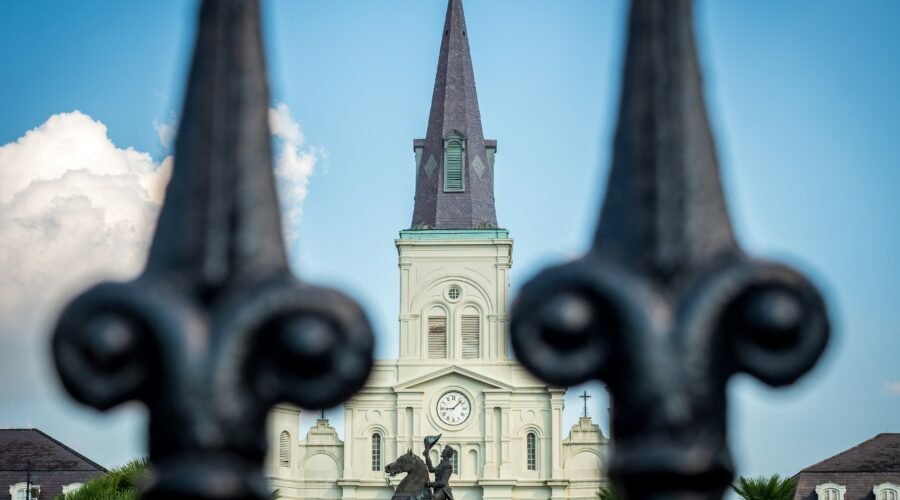
Considering a trip to St. Louis? For most travelers, the best balance of comfortable weather and manageable sightseeing conditions comes in April to May or September to October. Summer brings the most heat and humidity, while winter can be colder and more unpredictable. Your best month ultimately depends on whether you value mild weather, lower costs, festivals, or fewer crowds.
Quick Answer
For most travelers, the best time to visit St. Louis is April to May or September to October. These months usually avoid the coldest winter weather and the hottest part of summer. May and September are especially strong choices, but check event dates because major festivals and sports weekends can still increase crowds and hotel rates.
Key Takeaways
- Best overall: April–May and September–October combine relatively comfortable weather with plenty to do.
- Warmest period: June–August brings normal average highs in the upper 80s, along with higher humidity.
- Budget opportunity: Winter outside major holidays can offer more availability, but hotel and airfare prices always vary by exact dates.
- Watch event weekends: Mardi Gras, Independence Day celebrations, major sports games, and fall festivals can create localized crowds and price spikes.
- Plan the Gateway Arch early: Tram tickets can sell out, so reserve ahead once your travel date is set.
St. Louis has a pronounced seasonal swing: National Weather Service 1991–2020 normals range from an average January high of 40.4°F to an average July high of 89.6°F.
1. Spring (April – May): One of the Best Times to Visit
Spring in St. Louis is one of the strongest choices if you want comfortable sightseeing weather and plenty of outdoor options. April is cooler, while May becomes noticeably warmer. Spring is also fairly wet, so flexibility matters.
Spring Weather
- Mild to Warm Temperatures: According to the National Weather Service St. Louis climate normals, April has an average high of about 68°F (20°C) and low of 47°F (8°C). May averages about 77.1°F (25°C) by day and 57.9°F (14°C) at night.
- Rain is Part of Spring: April and May receive normal monthly precipitation totals of about 4.73 and 4.82 inches respectively. Pack a compact umbrella or light rain jacket and keep an indoor attraction in reserve.
- Good Outdoor Conditions: On dry days, temperatures are well suited to walking through Forest Park, visiting the Gateway Arch grounds, or exploring the Missouri Botanical Garden.
Spring Crowds
- Generally Manageable: Spring can be active without every attraction feeling like peak summer. Crowds still vary sharply by school breaks, weekends, weather, and special events.
- School Groups: Major educational attractions can host school groups on weekdays. If one is particularly busy in the morning, visiting later in the day may help.
- Spring Events: St. Louis has a long Annie Malone May Day tradition. In 2026, organizers held a May Day Community Festival & Talent Showcase on May 17 rather than the traditional parade format. Event formats and dates can change, so check the current calendar before traveling specifically for one.
Spring Costs
- Potential Shoulder-Season Value: April and May can offer a useful compromise between weather and price, but there is no fixed seasonal hotel rate.
- Flights Vary: Airfare depends on route, booking date, holidays, conventions, and demand rather than season alone.
- Compare Exact Dates: If your trip is flexible, compare several nearby weekends. Moving your stay away from a major festival or sports weekend can matter more than simply choosing a different month.
2. Fall (September – October): Another Strong Contender
Fall is also an excellent time to visit St. Louis. September can still feel quite warm, while October becomes much cooler. You also get a busy calendar of sports and cultural events.
Fall Weather
- September is Warmer Than You Might Expect: NWS climate normals show an average September high of about 81.1°F (27°C) and low of 60.9°F (16°C).
- October is Cooler: October averages about 69.2°F (21°C) during the day and 49.1°F (9°C) at night.
- Lower Heat Stress Than Mid-Summer: By October, long walks are generally more comfortable than during the hottest part of July or August.
- Fall Color: Trees throughout Forest Park, the Missouri Botanical Garden, and residential neighborhoods can become colorful in autumn, but peak foliage timing changes with temperature and rainfall each year. Do not plan a trip around one guaranteed peak-color date.
- Pack Layers: A warm afternoon can turn into a cool evening, especially later in October.
Fall Crowds
- Event-Driven Crowds: Rather than assuming the whole season is uniformly busy, check individual weekends. Festivals, concerts, college events, and sports can create localized surges.
- Weekdays Can Be Easier: If your schedule is flexible, weekday sightseeing often reduces competition with weekend leisure traffic.
- Sports Excitement: September can overlap with late-season Cardinals baseball, while Blues hockey activity begins in the fall. Playoff games and major home dates can increase demand near downtown arenas and stadiums, so check current schedules before booking.
Fall Costs
- Rates Are Date-Specific: Fall can offer good value, but a major event weekend may cost more than an ordinary summer weekday.
- Airfare is Dynamic: Compare several travel dates rather than assuming September or October automatically means lower fares.
- Free and Low-Cost Events: Fall brings a strong festival calendar, giving you opportunities to add activities without paying for every attraction.
3. Summer (June – August): Hot, Humid, and Lively

Summer is energetic and event-filled, but heat and humidity are the main trade-offs. If you are traveling with children during school vacation or want a packed events calendar, summer can still work well with a heat-conscious itinerary.
Summer Weather
- Hot Conditions: NWS normals show average highs of about 85.9°F in June, 89.6°F in July, and 88.3°F in August. Average overnight lows remain in the upper 60s to low 70s.
- Humidity Matters: Warm temperatures can feel more tiring during long outdoor sightseeing sessions, especially around midday.
- Thunderstorms are Possible: Keep an eye on the current forecast rather than assuming every summer day will remain dry.
- Sun Protection: Sunscreen, a hat, breathable clothing, and regular water breaks are useful for long outdoor days.
- Mix Indoor and Outdoor Attractions: Schedule museums, restaurants, and other air-conditioned stops during the hottest part of the afternoon.
Warning: Do not build a full summer itinerary around continuous outdoor walking without checking the daily heat forecast. On very hot or humid days, move strenuous outdoor activities to the morning or evening and use indoor attractions during the afternoon.
Summer Crowds
- Family Travel Increases: School vacation makes June through August convenient for families, so family-oriented attractions can be especially active.
- Popular Attractions Can Sell Out: Timed experiences such as the Gateway Arch Tram Ride to the Top deserve advance planning.
- Hours Vary: Some attractions operate longer schedules during busy periods, but hours change by venue and date. Check official calendars rather than relying on a general summer-hours rule.
- Weekends Can Be Busy: Local events and leisure travel can add to visitor numbers, particularly when weather is favorable.
Summer Costs
- Do Not Assume a Fixed Peak Price: Summer demand can lift hotel rates, but conventions, festivals, sports, and holiday weekends may have a larger effect than the season itself.
- Compare Flights Early: Vacation-period airfare can rise on popular routes, especially around holiday weekends.
- Major Independence Day Events: In 2026, the Fair St. Louis organization hosted Celebrate St. Louis on July 3 and 4 around the Gateway Arch, with entertainment, a parade, drone displays, and fireworks. Large downtown events can produce road closures and heavy pedestrian traffic. The format changes from year to year, so verify the current Independence Day schedule before your trip.
4. Winter (December – February): Colder, Quieter, and More Variable

Winter is a reasonable choice if you prioritize indoor attractions and flexibility over warm weather. December through February brings the coldest normal temperatures, while snow, ice, rain, and milder stretches are all possible.
Winter Weather
- Cold but Variable: Normal average highs are about 44.5°F in December, 40.4°F in January, and 45.8°F in February. Average lows are roughly 28.5°F, 23.8°F, and 27.6°F respectively.
- Snow and Ice are Possible: Winter precipitation can complicate driving or walking, so check the short-range forecast before arrival and again before day trips.
- Indoor Attractions Become More Valuable: Museums, performance venues, restaurants, the Gateway Arch museum, and other indoor stops make it possible to build a full itinerary even when outdoor conditions are uncomfortable.
- Some Days are Mild: St. Louis weather is variable, so a winter trip does not guarantee snow or continuous freezing conditions.
Winter Crowds
- Often Less Tourism Pressure: Outside major holidays and special events, winter can feel calmer than busy warm-weather weekends.
- Holiday Exceptions: Thanksgiving through New Year’s brings seasonal events and local outings that can make specific attractions busy.
- Mardi Gras Changes the Picture: Soulard becomes extremely active during major Mardi Gras events, so February is not automatically quiet everywhere in the city.
Winter Costs
- Potential Budget Opportunity: Winter outside holiday and event dates may provide better hotel availability, but compare live rates before assuming it is automatically cheapest.
- Airfare Still Depends on Demand: Holiday weeks can be expensive even during an otherwise quieter season.
- Balance Savings Against Weather Risk: A lower hotel rate may not be worthwhile if snow or ice would significantly affect the activities you want to do.
5. Other Considerations for Your St. Louis Trip
Seasonal Comparison
| Period | Typical Weather | Crowd Pattern | Cost Consideration |
|---|---|---|---|
| March | Variable transition month; normal high about 56.6°F | Usually manageable outside events and spring break | Compare dates; no guaranteed seasonal rate |
| April – May | Mild to warm, with meaningful rain chances | Moderate and event-dependent | Often a useful weather/value compromise |
| June – August | Hot and humid; normal highs about 86–90°F | Higher family and event activity | Popular dates can command higher rates |
| September – October | Warm in September, cooler in October | Strong festival and sports calendar | Good value on some dates; events can raise rates |
| November | Cool transition month; normal high about 55.5°F | Often calmer before major holiday events | Can offer flexible pricing outside Thanksgiving |
| December – February | Cold and variable, with snow or ice possible | Often lower outside holidays and Mardi Gras | Potential savings, but holiday/event dates vary |
March and November: Useful Transition Months
March and November deserve separate consideration rather than being forced into winter or the main shoulder seasons. March has a normal average high of about 56.6°F, while November averages about 55.5°F. Either can produce pleasant sightseeing days, but both are highly variable, so pack layers and make weather-dependent plans flexible.
Weekday vs. Weekend Visits
- Weekdays: Tuesday through Thursday can be useful for visiting major attractions when you want to avoid some weekend leisure traffic, although school groups and special programs can still make individual venues busy.
- Weekends: Friday evenings through Sunday can bring more local visitors to parks, museums, restaurants, sports venues, and family attractions.
- Check the Venue, Not Just the Day: Attraction hours and special programs change throughout the year, so always check the official calendar before building your itinerary around a particular opening time.
Major Local Events and Festivals
Events are one of the biggest reasons a supposedly quiet weekend can become crowded or expensive. Dates change annually, so treat the examples below as planning references and confirm the current year’s calendar.
- Independence Day: In 2026, Celebrate St. Louis took place around the Gateway Arch on July 3 and 4. Large downtown July events can bring street closures, heavy pedestrian traffic, and limited parking.
- Soulard Mardi Gras: This is one of St. Louis’s biggest annual celebrations. The 2026 Bud Light Grand Parade was held February 14. Expect significant crowds and road closures around Soulard on major parade days.
- Annie Malone May Day: This long-running St. Louis tradition can affect downtown activity in May. Its exact format has changed in recent years, including a community festival rather than the traditional parade in 2026.
- St. Louis Earth Day Festival: The 2026 festival was held April 25–26 at Forest Park. Check the official festival calendar for future dates.
- Saint Louis Art Fair: The 2026 Saint Louis Art Fair is scheduled for September 18–20 in downtown Clayton. Admission is free, but the event can increase traffic and parking demand in the area.
- St. Louis Renaissance Festival: The 2026 festival runs weekends from September 12 through October 25, plus Monday, October 12, at Rotary Park in Wentzville. It is outside central St. Louis, so allow extra travel time.
- Sporting Events: Cardinals baseball and Blues hockey can affect traffic, restaurant reservations, and hotel demand near their venues. Check official team schedules for your exact dates.
Booking in Advance
- Gateway Arch Tram: The Gateway Arch officially recommends buying Tram Ride to the Top tickets ahead of your visit because same-day tickets are not guaranteed.
- Hotels: Book earlier for major festival weekends, holidays, conventions, and popular sports dates. For ordinary dates, compare refundable rates before locking yourself into a nonrefundable booking.
- Rental Cars: Advance booking is useful if your itinerary includes suburban attractions or regional day trips where transit would require multiple transfers.
- Restaurants: Reservations are smart for popular restaurants on Friday and Saturday evenings, especially near event districts.
Pro Tip: If the Gateway Arch Tram Ride is a must-do, choose your tram time before filling the rest of that day’s schedule. Visitors must also pass through security, so build extra arrival time into your plan rather than arriving at the exact ticket time.
Note: Travel prices are dynamic. Seasonal labels such as “high season” and “off-season” are useful starting points, but a convention, playoff game, holiday, or major festival can reverse the usual pattern. Compare your exact dates before deciding which month is cheapest.
When comparing hotel, flight, or attraction prices on third-party booking websites, also review each site’s privacy and cookie choices before entering personal information or accepting tracking preferences.
What to Pack
- Layers: Useful in spring, fall, March, and November because temperatures can change considerably between afternoon and evening.
- Comfortable Walking Shoes: Expect substantial walking at downtown attractions, museums, gardens, and parks.
- Rain Gear: A compact umbrella or light waterproof jacket is helpful, particularly during the wetter spring months.
- Summer Sun Protection: Bring sunscreen, sunglasses, a hat, and breathable clothing.
- Winter Outerwear: Pack a warm coat, gloves, and footwear with reasonable traction when freezing temperatures or wintry precipitation are forecast.
- Reusable Water Bottle: Useful year-round and particularly important during hot summer sightseeing.
Accessibility and Getting Around
- MetroLink: Metro Transit operates a light-rail system spanning 46 miles and 38 stations across Missouri and Illinois, with service to several useful visitor corridors.
- MetroBus: More than 50 bus routes extend public transport beyond the rail network. Use the official Metro Trip Planner for your exact origin and destination.
- Cross-City Travel: Individual districts can be walkable, but St. Louis is spread out. Depending on your hotel and itinerary, transit, rideshare, or a rental car may reduce travel time between neighborhoods.
- Gateway Arch Accessibility: The museum and several park facilities have accessibility features, but the observation deck at the top of the Arch is not wheelchair accessible.
Accessibility Warning: According to the National Park Service, reaching the top of the Gateway Arch requires managing at least 96 steps divided among six flights, and wheelchairs, scooters, and strollers are not permitted on the observation deck. Review the official accessibility information before buying tram tickets if anyone in your group has limited mobility.
Ultimately, St. Louis offers worthwhile experiences throughout the year. April–May and September–October are the easiest recommendations for travelers who want moderate weather, while summer suits visitors who prioritize school-vacation travel and major events. Winter can work well for indoor-focused or budget-conscious trips, and March or November can be rewarding if you are comfortable with more variable weather.
Frequently Asked Questions
What is the best time of year to visit St. Louis, Missouri for favorable weather?
April to May and September to October are the best all-around periods for most travelers. April and October are cooler, while May and September are warmer. These months generally avoid the coldest part of winter and the hottest part of summer.
When is the peak tourist season in St. Louis, Missouri?
Summer is a busy travel period because of school vacations and warm-weather events, but St. Louis crowds are highly event-dependent. A major festival, playoff game, or convention can make an otherwise quieter spring, fall, or winter weekend busier than a normal summer weekday.
What is the most cost-effective time to visit St. Louis, Missouri?
Winter outside major holidays and Mardi Gras can provide good hotel availability, but there is no guaranteed cheapest season. Compare live hotel and airfare prices for several nearby dates because conventions, sports, festivals, and holidays can outweigh normal seasonal patterns.
Are there major events or festivals to consider when planning a St. Louis trip?
Yes. Examples include Soulard Mardi Gras, spring Earth Day and May Day events, Independence Day celebrations around the Gateway Arch, the Saint Louis Art Fair, the St. Louis Renaissance Festival, and major Cardinals or Blues games. Always verify current-year dates because festival schedules and formats change.
What outdoor activities are good during the recommended months?
Spring and fall are good for walking through Forest Park, exploring the Missouri Botanical Garden, visiting the Gateway Arch grounds, and spending time in outdoor neighborhoods and public spaces. Gateway Arch riverboats currently operate from March through November, making a Mississippi River cruise another seasonal option.
Is March or November a good time to visit St. Louis?
They can be. Both are transition months with normal average highs in the mid-50s Fahrenheit, but conditions are variable. If you are comfortable packing layers and changing outdoor plans when the forecast shifts, either month can provide a pleasant trip.
Does St. Louis get snow in winter?
Yes. Snow and ice are possible during winter, although conditions vary substantially from one week to another. Do not assume your trip will be snowy; check the National Weather Service forecast shortly before traveling if winter weather would affect your plans.
How far ahead should I book the Gateway Arch Tram Ride?
Buy your ticket ahead once your sightseeing date is reasonably firm. The Gateway Arch says same-day tickets are not guaranteed and recommends advance purchase. Popular summer days, weekends, and event dates deserve especially early attention.
Sources
- National Weather Service St. Louis Regional Climate Summary — 1991–2020 monthly temperature and precipitation normals.
- Gateway Arch FAQs — tram ticket recommendations and visitor-planning information.
- Gateway Arch National Park Accessibility — mobility requirements and accessibility information for the observation deck and park facilities.
- Metro Transit St. Louis — current MetroLink network and trip-planning information.
- Soulard Mardi Gras — official Mardi Gras event information and annual schedule.
- Saint Louis Art Fair — official dates, location, admission, and current event information.