So, you’re thinking about a trip to Zonguldak? Great choice! This region on Turkey’s Black Sea coast has this unique blend of natural beauty and industrial history. But when’s the best time to go to really enjoy it? The short answer is generally late spring (May-June) and early autumn (September-October). These shoulder seasons offer a sweet spot where the weather is pleasant, the crowds are manageable, and you can often find better deals on accommodation.
But let’s dive a bit deeper, because “best” can depend on what you’re looking for. We’ll break down the weather patterns, when you can expect more or fewer people, and how your wallet will fare throughout the year.
Zonguldak’s weather is classic Black Sea. That means it’s pretty green and lush, but also prone to rain and humidity. Understanding the seasons will help you pack right and plan your activities.
Summer: Warm but Humid
Summers in Zonguldak, from June to August, are generally warm to hot. Temperatures can hover in the mid-20s Celsius (mid-70s Fahrenheit) and sometimes climb higher. It’s a popular time for locals to head to the coast, seeking out beaches and cooler breezes.
- Average Temperatures: Expect highs around 27-30°C (80-86°F) and lows in the comfortable 18-20°C (64-68°F).
- Rainfall: While it’s summer, don’t be surprised by occasional showers. The Black Sea region is known for its rainfall year-round, and summer is no exception, though it tends to be less intense than in other seasons.
- Humidity: This is where it gets a bit sticky. Humidity levels can be quite high, making the warm temperatures feel even warmer. If you’re not a fan of feeling constantly a bit damp, this might be a consideration.
- What to Expect: Summer is the time for beach days if that’s your thing. The coastline offers some opportunities to enjoy the sea. Inland, you might find opportunities for hiking, but you’ll need to be prepared for the heat and humidity.
Autumn: Mild and Picturesque
Autumn, from September to November, is often considered one of the most beautiful times to visit. The intense heat of summer subsides, and the landscape transforms with stunning fall colors.
- Early Autumn (September-October): This is prime time. Temperatures are usually very pleasant, often in the low to mid-20s Celsius (70s Fahrenheit). The humidity drops significantly, making it much more comfortable for exploring.
- Late Autumn (November): Things start to cool down considerably. You’ll see temperatures dropping into the teens Celsius (50s Fahrenheit), and rainfall definitely picks up. The days get shorter.
- Colors: The forests and hills surrounding Zonguldak become a riot of reds, oranges, and yellows. It’s a fantastic time for photographers and anyone who appreciates natural beauty.
- Activities: Perfect for hiking, visiting historical sites without the intense heat, and enjoying boat trips.
Winter: Cool and Damp
Winters in Zonguldak, from December to February, are cool, damp, and often cloudy. It’s not the typical time you might think of for a holiday to the Turkish coast, but it has its own charms if you’re looking for a quieter experience.
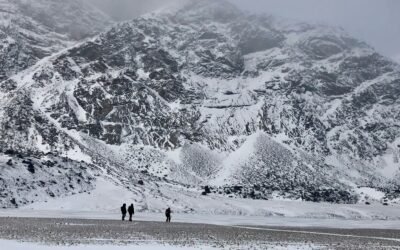
- Average Temperatures: Expect daytime highs around 8-12°C (46-54°F), with nights dropping to around 3-6°C (37-43°F). Frost is possible, and occasionally snow can fall, especially in higher elevations.
- Rainfall: This is a very wet period. Expect frequent rain, often persistent drizzle. Snow is less common in the city itself but can occur in the surrounding hills.
- What to Expect: This is the off-season. Attractions will be less crowded, and you might find some of the best deals on accommodation. It’s a good time for indoor activities like visiting museums or enjoying local cafes and restaurants. The dramatic coastal scenery can also be quite captivating under moody skies.
Spring: Blooming and Fresh
Spring, from March to May, brings Zonguldak back to life. The snow melts, the greenery flourishes, and wildflowers start to bloom. It’s a refreshing time after the winter months.
- Early Spring (March-April): Still quite cool, with temperatures in the low to mid-teens Celsius (50s Fahrenheit). Rain is still common, and you might encounter some chilly days.
- Late Spring (May): This is when it really starts to warm up, often reaching the low to mid-20s Celsius (70s Fahrenheit). The humidity starts to increase, but it’s generally more pleasant than in the peak of summer.
- Nature: The landscape becomes incredibly vibrant. This is a great time for those who want to see Zonguldak at its greenest and most floral.
- Activities: Hiking and exploring the natural parks are very rewarding. The weather is generally good for outdoor activities, though always have a light rain jacket handy.
Crowds in Zonguldak: When to Avoid the Hustle
For many travelers, crowd levels can make or break a trip. Zonguldak isn’t a major international tourist hotspot like Istanbul or Antalya, which is part of its charm. However, certain times of the year do see more visitors, particularly domestic tourists.
Peak Season: Summer Holidays
The busiest time in Zonguldak generally coincides with July and August. This is when Turkish families are on their summer vacations, and many head to the popular coastal towns along the Black Sea.
- What to Expect: Beaches will be more populated, restaurants in tourist areas might require reservations, and popular attractions might have a bit of a queue.
- Domestic Tourism: It’s crucial to remember that Zonguldak’s tourism is largely domestic. During national holidays and school breaks, expect an influx of Turkish visitors.
- Impact: While Zonguldak likely won’t feel “overrun” in the way some Mediterranean resorts do, you will notice more people. If you prefer a more solitary experience, this is probably not the time to visit.
Shoulder Seasons: The Sweet Spot
The late spring (May-June) and early autumn (September-October) periods offer a fantastic balance. You’ll see more people than in winter, but it’s nowhere near the throng of peak summer.
- What to Expect: Tourist areas will have a pleasant buzz. You’ll find reasonable availability for accommodation and restaurants, and you won’t feel like you’re constantly battling for space.
- Local Life: You’ll still get to experience local life, but with an added layer of tourist infrastructure and activity. This is often the ideal time for those who want to see the sights without the intense heat or massive crowds.
Off-Season: Quiet and Serene
The winter months (November to March) are Zonguldak’s quietest period. You’ll find very few tourists, and the towns will feel much more local and laid-back.
- What to Expect: Many smaller tourist-focused businesses might have reduced hours or be closed entirely. The atmosphere will be very peaceful, perhaps even a bit sleepy.
- Benefits: If you’re looking for an authentic experience, to delve into local culture without tourist distractions, or simply to avoid crowds at all costs, winter can be appealing. Be prepared for cooler weather and limited daylight hours.
Costs in Zonguldak: Budgeting Throughout the Year
Your budget will definitely be influenced by when you choose to visit Zonguldak. Generally, prices follow the pattern of crowds.
Peak Season Prices: Summer Surcharge
As expected, July and August will see the highest prices for accommodation and, to some extent, flights and other services.
- Accommodation: Hotels and guesthouses will be at their most expensive. It’s advisable to book well in advance, especially if you have specific preferences.
- Flights: Flight prices to nearby airports (like Zonguldak Çaycuma Airport – ONQ, or larger hubs like Istanbul) will likely be higher during this period.
- Other Services: While not as dramatic as accommodation, restaurant prices might see a slight bump in the most popular tourist spots.
Shoulder Season Value: Best Bang for Your Buck
The late spring (May-June) and early autumn (September-October) periods often present the best value for money. You can still enjoy pleasant weather and good availability without paying peak-season premiums.
- Accommodation Deals: You’ll find more competitive rates on hotels and guesthouses. Last-minute deals might even be available if you’re flexible.
- Flights: Flight prices tend to be more reasonable compared to July and August.
- Activities & Dining: Prices for tours, activities, and dining out will generally be at their standard rates, offering good value for your money.
Off-Season Savings: Winter Bargains
The off-season (November to March) is when you’ll find the biggest savings, especially on accommodation.
- Deep Discounts: Hotels and guesthouses are often eager to fill rooms during these quieter months, leading to significant discounts.
- Flight Prices: Flight prices can be at their lowest, making it an attractive option for budget-conscious travelers.
- Caveats: While the savings are attractive, remember the trade-off is the weather and potentially limited opening hours for some attractions or services. If your priority is cost savings above all else, and you don’t mind cooler, wetter days, winter could be a good pick.
Why Zonguldak? Unique Attractions and What to Do
Zonguldak isn’t just about the weather and crowds; it has a distinct character shaped by its history and natural landscape. Understanding what draws people here will help you decide on the best time for you to go.
The Coal Mining Heritage
Zonguldak is famously known as Turkey’s coal mining capital. This industrial past is deeply ingrained in the city’s identity and offers unique historical and cultural experiences.
- Madencilik Müzesi (Mining Museum): This is a must-visit to understand the city’s past. It details the challenging and vital work of the miners.
- Coal Mines: While active mines aren’t typically open for tourist tours due to safety and operational reasons, you can still see evidence of it everywhere. The very landscape and the history books tell the story.
- Industrial Architecture: Look out for older industrial buildings and infrastructure that hint at its mining era.
The Black Sea Coastline
The natural beauty of the Black Sea coast is a major draw. Zonguldak offers rugged coastlines, hidden coves, and opportunities to enjoy the sea.
- Beaches: While not as famous as the Mediterranean resorts, Zonguldak has several beaches, particularly as you move towards towns like Ereğli. Places like Tersane Beach or Halıçınarı Beach offer opportunities to relax by the water.
- Coastal Drives: Exploring the coastline by car can be very rewarding, with stunning sea views, especially during the less foggy months.
- Boat Trips: Depending on the season and sea conditions, small boat trips might be available, offering a different perspective of the coast.
Natural Wonders Inland
Beyond the coast, the rolling hills and forests of the region hide natural gems.
- Yenice Forest: This is a significant forested area within the province, known for its biodiversity and picturesque scenery. It’s a great spot for hiking and nature walks.
- Caves: The region is known for its karst landscapes and features several caves, though some are more accessible than others.
- Waterfalls and Rivers: You’ll find scattered waterfalls and rivers, especially during the wetter seasons, adding to the lush greenery.
Zonguldak’s Seasonal Vibe: Tailoring Your Visit
| Month | Weather | Crowds | Costs |
|---|---|---|---|
| January | Cold, snowy | Low | Low |
| April | Mild, rainy | Medium | Medium |
| July | Warm, sunny | High | High |
| October | Cool, cloudy | Low | Low |
Ultimately, the “best” time to visit Zonguldak is subjective and depends on your priorities.
For the Nature Lover and Hiker
If your main goal is to explore the lush forests, hike through rolling hills, and enjoy the vibrant greenery, then late spring (May-June) and early autumn (September-October) are your prime candidates. The weather is mild enough for comfortable trekking, and the scenery is at its most spectacular. You’ll avoid the intense heat of summer and the potential for very cold, wet days in winter.
For the Beach Goer and Sun Seeker
If you’re dreaming of a seaside escape, July and August will offer the warmest temperatures conducive to swimming and sunbathing. However, be prepared for higher humidity, more crowds, and higher prices. If you want a balance, late June and early September can still offer pleasant beach weather with fewer people.
For the History and Culture Enthusiast
Zonguldak’s industrial history is always present, but exploring museums and historical sites is generally more comfortable when the weather isn’t extreme. Spring (April-May) and Autumn (September-October) are excellent for this. You can spend your days delving into the mining heritage and your evenings enjoying local cuisine without being too hot or too cold.
For the Budget Traveler and Crowd Avoider
If your primary concern is saving money and avoiding large crowds, then the off-season (November to March) is your best bet. You’ll find the lowest prices for accommodation and flights. However, you’ll need to pack for cooler, wetter weather, and be aware that some attractions might have limited hours or be closed. If you want a middle ground, the edges of the shoulder seasons (early May, late October) can still offer good value with slightly better weather.
For Experiencing Local Life
To truly immerse yourself in the local rhythm, consider visiting outside of the main school holidays. During the shoulder seasons, you can experience the authentic charm of Zonguldak and its people without the hustle and bustle of peak tourist season, while still having access to most services.
The Verdict: A Practical Recommendation
Based on juggling weather, crowds, and costs, the most universally recommended time to visit Zonguldak for a well-rounded experience is likely September and early October. The weather is typically excellent, the humidity drops after summer, the autumn colors begin to emerge, and you’ll find a good balance between having enough services open and not being overwhelmed by tourists. Late May and June are also very strong contenders for many of the same reasons.
No matter when you choose to go, Zonguldak offers a unique glimpse into a less-trodden corner of Turkey. Pack appropriately, keep an open mind, and you’re bound to discover something special.
FAQs
1. What is the best time to visit Zonguldak in terms of weather?
The best time to visit Zonguldak is during the summer months of June to August when the weather is warm and sunny, with average temperatures ranging from 20°C to 25°C.
2. When is the peak tourist season in Zonguldak?
The peak tourist season in Zonguldak is during the summer months of June to August when the weather is ideal for outdoor activities and sightseeing.
3. What is the off-peak season in Zonguldak?
The off-peak season in Zonguldak is during the winter months of December to February when the weather is cold and rainy, and there are fewer tourists.
4. When is the best time to visit Zonguldak to avoid crowds?
To avoid crowds, it is best to visit Zonguldak during the off-peak season in the winter months of December to February when there are fewer tourists.
5. How does the cost of visiting Zonguldak vary throughout the year?
The cost of visiting Zonguldak is higher during the peak tourist season in the summer months of June to August, and lower during the off-peak season in the winter months of December to February.