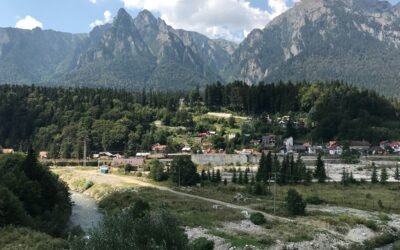
If you’re wondering when the best time to visit Çaycuma, Zonguldak is, the simple answer is late spring (May to early June) or early autumn (September to October). This period offers the most pleasant weather, fewer crowds, and generally reasonable costs, making for a much more enjoyable experience.
Çaycuma, like much of the Western Black Sea region of Turkey, experiences a humid subtropical climate. This means distinct seasons, with warm summers, mild but often wet winters, and transitional spring and autumn periods. Knowing what to expect weather-wise is key to planning your trip.
Summer (June – August)
Summer in Çaycuma brings warm temperatures and is generally the peak tourism season, especially for domestic visitors.
Temperatures and Rainfall
Expect average daily temperatures to hover around 25-30°C (77-86°F), sometimes reaching into the low 30s. Humidity can be a factor, making it feel warmer. While generally sunnier, summer also sees occasional afternoon thunderstorms, which can be quite sudden but usually don’t last too long. These showers can actually be a welcome relief from the heat.
Sunshine Hours
Long daylight hours are a big plus during summer. You’ll typically get around 10-12 hours of sunshine, giving you plenty of time to explore.
What to Pack
Lightweight, breathable clothing like cotton and linen is essential. Shorts, t-shirts, and sundresses are standard. Don’t forget sunscreen, a hat, sunglasses, and comfortable walking shoes. A light rain jacket or umbrella can be useful for those sudden summer showers. If you plan on swimming in nearby rivers or the Black Sea, bring your swimwear.
Autumn (September – November)
Autumn is a beautiful time to visit, often considered by many locals to be the most agreeable season.
Temperatures and Rainfall
September is usually still quite warm, with daytime temperatures around 20-25°C (68-77°F). October sees a pleasant drop to 15-20°C (59-68°F), and November cools down further, potentially dropping below 10°C (50°F) by the end of the month. Rainfall starts to increase from October onwards, so be prepared for more overcast days and a higher chance of rain.
Sunshine Hours
While still adequate for sightseeing, daylight hours gradually shorten throughout autumn, reducing from about 10 hours in September to 8-9 hours in November.
What to Pack
For early autumn, layers are your friend. A light jacket or cardigan for evenings is advisable. As the season progresses, you’ll need warmer sweaters, a good waterproof jacket, and sturdier, possibly waterproof, shoes.
Winter (December – February)
Winter in Çaycuma can be mild but is often damp and lacks the bright sun of other seasons.
Temperatures and Rainfall
Average temperatures usually range from 5-10°C (41-50°F), but can drop below freezing, especially at night. Snowfall is possible, particularly in January and February, though it doesn’t always linger. This is Çaycuma’s wettest season, with consistent rainfall.
Sunshine Hours
Daylight hours are at their shortest, typically 8-9 hours, and sunny days can be less frequent.
What to Pack
Warm, waterproof clothing is a must. Think heavy coats, sweaters, scarves, gloves, and waterproof boots. Thermal layers will also be beneficial if you’re sensitive to cold.
Spring (March – May)
Spring is a season of renewal, bringing with it increasingly pleasant weather and blooming nature.
Temperatures and Rainfall
March is still cool, with average temperatures around 10-15°C (50-59°F), and some rainy days are likely. April sees a noticeable warming trend, reaching 15-20°C (59-68°F). By May, it feels distinctly spring-like, with temperatures in the 20s (68-77°F) and less frequent rain.
Sunshine Hours
Daylight hours increase steadily, offering 9-11 hours of daylight by late spring.
What to Pack
Layers are key for spring. Start with warmer clothes in early spring, transitioning to lighter options by May. A waterproof jacket or umbrella is always a good idea, as spring showers can still occur.
Crowd Levels: When Çaycuma Gets Busy (or Not)
Çaycuma isn’t a destination that typically gets overrun with international tourists like Istanbul or Cappadocia. However, it does experience ebbs and flows in visitor numbers, primarily from domestic tourism.
Peak Season (July – August)
This is when you’ll find the most people around, particularly local families on holiday.
What to Expect
Hotels and guesthouses might have higher occupancy. Local attractions, restaurants, and the main town square can feel livelier. Don’t expect massive crowds, but you won’t have the place to yourself either. Prices for accommodation might see a slight increase, and booking in advance is a good idea, especially if you have specific preferences. Traffic within the town and surrounding areas can also be a bit heavier, particularly on weekends.
Shoulder Seasons (May – June and September – October)
These are generally the sweet spots, offering a good balance.
What to Expect
Fewer visitors than in summer, but enough activity to keep things from feeling deserted. You’ll likely find better deals on accommodation, and there’s less competition for tables at popular restaurants. Local events or festivals might still be running in early autumn, adding to the cultural experience without the overwhelming numbers. This period is ideal for enjoying the natural beauty of the region without feeling rushed.
Off-Season (November – April)
This period sees the fewest visitors.
What to Expect
Many smaller, seasonal businesses might be closed, especially those catering to outdoor activities. Accommodation options might be more limited, though prices will be at their lowest. You’ll have places almost to yourself, which can be wonderful for a contemplative trip. However, some attractions might have reduced hours or be closed entirely. The weather can also be a significant deterrent, particularly for outdoor exploration.
Costs: Making Your Budget Stretch
Çaycuma is generally an affordable destination compared to major Turkish tourist hubs. However, costs can fluctuate based on the season.
Accommodation Prices
Peak Season (July – August)
Expect a moderate increase, possibly 10-20% higher than shoulder season rates. Mid-range hotels might cost around ₺800-₺1500 per night (approximately $25-$50 USD, though exchange rates vary). Budget options like guesthouses might be around ₺500-₺800 ($15-$25 USD). Booking well in advance is recommended for better rates and availability.
Shoulder Seasons (May – June and September – October)
This is typically when you’ll find the best value. Prices are usually lower than peak season but still offer plenty of options. A decent hotel might be in the ₺700-₺1200 range ($20-$40 USD), and guesthouses around ₺400-₺700 ($12-$20 USD).
Off-Season (November – April)
The lowest prices for accommodation. You might find good deals, especially if you’re flexible with your dates. Hotels could drop to ₺600-₺1000 ($18-$35 USD) and guesthouses even lower, sometimes as little as ₺300-₺500 ($10-$15 USD). However, remember that fewer options might be available.
Food and Dining Costs
Eating out in Çaycuma is generally budget-friendly, regardless of the season.
Local Eateries (Lokantas)
Expect to pay around ₺150-₺300 ($5-$10 USD) for a hearty meal at a traditional Turkish restaurant (lokanta) or a kebab shop. This typically includes a main dish, bread, and a drink.
Mid-Range Restaurants
For a more sit-down experience, a meal might be ₺300-₺600 ($10-$20 USD) per person, depending on the establishment and what you order.
Grocery Stores
If you prefer to cook some of your own meals, grocery shopping is very affordable. Fresh produce, bread, and dairy are reasonably priced.
Transportation Costs
Local Buses (Dolmuş)
Within Çaycuma and for short trips to nearby towns, dolmuş (shared minibuses) are incredibly cheap, usually a few lira per ride.
Taxis
Taxis are available but more expensive. A short ride within town might be ₺100-₺200 ($3-$7 USD). For longer distances, negotiate the fare beforehand or ensure the meter is used.
Car Rental
Renting a car can be beneficial for exploring the wider region. Prices vary significantly based on the type of car and rental company, but expect daily rates around ₺800-₺1500 ($25-$50 USD) and up. Off-season might offer slightly better deals. Fuel costs are a factor to consider.
Activity and Attraction Costs
Many of Çaycuma’s attractions, like parks, the Filyos River, and simply enjoying the town’s atmosphere, are free. Entrance fees for specific sites (if any exist, as Çaycuma is less about historical sites and more about natural beauty and local life) would be minimal. Guided tours, if available, would be an additional expense.
Activities and Events Throughout the Year
Çaycuma offers a range of activities, some of which are seasonal.
Seasonal Activities
Summer (June – August)
- River Activities: The Filyos River is popular for fishing, picnicking along its banks, and enjoying the breeze. Some local spots might offer boat rides or swimming if conditions are safe.
- Black Sea Beaches: While Çaycuma itself isn’t directly on the coast, nearby Filyos offers accessible Black Sea beaches for swimming, sunbathing, and waterfront dining.
- Outdoor Exploration: Hiking in the surrounding hills, enjoying picnics in town parks, and simply strolling around are pleasant activities.
- Local Markets: The weekly markets are always vibrant, but in summer, they’re bustling with fresh seasonal produce.
Autumn (September – October)
- Nature Walks and Photography: The changing leaves make for stunning scenery, particularly in the forested areas around Çaycuma. It’s perfect for photography and leisurely walks.
- Harvest Festivals: While not always widely publicized for tourists, local communities often have grape or other agricultural harvest-related events.
- Mushroom Foraging: If you know what you’re doing (or are with a local expert), autumn is prime mushroom season in the Black Sea forests.
Winter (November – April)
- Cozy Cafes: Enjoy Turkish tea and coffee in one of the town’s cafes, watching the world go by.
- Traditional Hamams: A warm Turkish bath can be a wonderful experience, especially on a cold day. (Check for availability in Çaycuma itself or nearby Zonguldak).
- Exploring Local Cuisine: Winter is a great time to savor hearty Black Sea dishes, often warming and comforting.
Spring (March – May)
- Blooming Nature: The countryside comes alive with wildflowers and lush greenery. Perfect for gentle hikes and enjoying the fresh air.
- River Revival: As the weather warms, the Filyos River becomes more inviting for riverside walks and early season fishing.
- Picnics: Enjoy outdoor meals in the parks or by the river as the temperatures become more agreeable.
Annual Events and Festivals
Çaycuma might not have internationally renowned festivals, but it hosts local events that offer a glimpse into the regional culture.
Atatürk’s Commemoration, Youth and Sports Day (May 19th)
A national holiday celebrated with enthusiasm. Expect parades, sports events, and general patriotic festivities. While not unique to Çaycuma, it will be noticeable in the town.
Kurban Bayramı (Eid al-Adha) and Ramazan Bayramı (Eid al-Fitr)
These major Islamic holidays follow the lunar calendar, so their dates shift annually. If your visit coincides with these times, you’ll experience a special atmosphere of family gatherings, feasting, and community spirit. Some businesses might close for a few days, so plan accordingly.
Local Agricultural Fairs and Festivals
Periodically, the municipality or local communities might organize smaller fairs celebrating local produce, crafts, or traditions. These are less predictable but can be a delightful surprise if you happen upon one. Check with local information centers or the municipality website closer to your travel dates.
Practical Considerations Beyond Weather
| Month | Weather | Crowds | Costs |
|---|---|---|---|
| January | Cold, snowy | Low | Low |
| April | Mild, occasional rain | Medium | Medium |
| July | Warm, sunny | High | High |
| October | Cool, occasional rain | Medium | Medium |
Beyond the obvious, a few other things are good to keep in mind when planning your visit to Çaycuma.
Language Barrier
While larger cities in Turkey might have more English speakers, Çaycuma is a smaller town where Turkish is predominantly spoken.
Tips for Communication
- Learn a Few Basic Phrases: “Merhaba” (hello), “Teşekkür ederim” (thank you), “Lütfen” (please), “Evet” (yes), “Hayır” (no) go a long way.
- Use Translation Apps: Google Translate or similar apps can be incredibly helpful for more complex conversations.
- Body Language: Don’t underestimate the power of gestures and a smile. Locals are generally very welcoming and will try to help.
Getting Around Çaycuma and the Region
Having a plan for transportation will enhance your trip.
Within Çaycuma
The town center is easily walkable. For slightly longer distances, local dolmuş (shared minibuses) are efficient and cheap. Taxis are also available.
Exploring the Zonguldak Province
- Car Rental: Highly recommended if you want to explore beyond Çaycuma, such as the coastal town of Filyos, the city of Zonguldak, or the historical caves of Gökgöl. This gives you the most flexibility.
- Intercity Buses: The main bus terminal (otogar) in Zonguldak city connects Çaycuma to other cities in Turkey, but for local excursions, it’s less practical.
- Local Dolmuş: Routes connect Çaycuma to some nearby villages and towns, but they might not always align with tourist attractions.
Booking Your Trip
Accommodation
For peak season and popular travel times (late spring/early autumn), it’s wise to book hotels or guesthouses a few weeks in advance. During the off-season, you might find more last-minute availability and potentially better deals.
Flights (if applicable)
The nearest major airport is Zonguldak Airport (ONQ), which has a few domestic connections, but more international connections are usually via Istanbul (IST or SAW) or Ankara (ESB), followed by a domestic flight or bus transfer to Zonguldak. Booking flights in advance almost always yields better prices, regardless of the season.
Local Customs and Etiquette
Grasping a few local customs will make your visit smoother.
- Hospitality: Turks are generally very hospitable. Don’t be surprised if you’re offered tea or coffee in shops or homes.
- Dress Code: While Çaycuma is not overly conservative, dressing modestly, especially when visiting mosques or religious sites, is respectful. For daily wear, casual attire is fine.
- Bargaining: In local markets (like the weekly pazar), a little friendly bargaining is expected and part of the culture, but not in supermarkets or fixed-price stores.
- Tipping: Tipping in restaurants is appreciated, usually around 5-10% for good service. For taxis, rounding up the fare is common.
By considering these factors and aligning them with the best weather and crowd levels, you’ll be well on your way to planning a fantastic and memorable trip to Çaycuma, Zonguldak. Enjoy your visit!
FAQs
1. What is the best time to visit Çaycuma, Zonguldak in terms of weather?
The best time to visit Çaycuma, Zonguldak is during the summer months of June to August when the weather is warm and sunny, with temperatures ranging from 20°C to 30°C.
2. When is the peak tourist season in Çaycuma, Zonguldak?
The peak tourist season in Çaycuma, Zonguldak is during the summer months of June to August when the weather is ideal for outdoor activities and sightseeing.
3. What is the off-peak season in Çaycuma, Zonguldak?
The off-peak season in Çaycuma, Zonguldak is during the winter months of December to February when the weather is cold and the tourist crowds are minimal.
4. When can visitors expect lower costs for accommodations and activities in Çaycuma, Zonguldak?
Visitors can expect lower costs for accommodations and activities in Çaycuma, Zonguldak during the off-peak season, particularly in the winter months of December to February.
5. What is the average temperature in Çaycuma, Zonguldak throughout the year?
The average temperature in Çaycuma, Zonguldak ranges from 5°C to 25°C throughout the year, with the warmest months being June to August and the coldest months being December to February.