The best time to visit Devrek depends on whether you prefer forest walks, traditional crafts, summer events, or a peaceful town break. This inland district of Zonguldak, Turkey, offers green landscapes and a distinct Black Sea atmosphere throughout the year.
Quick Answer
For most travelers, the best time to visit Devrek is late May to early June or September to mid-October. These periods offer comfortable conditions for sightseeing, forest walks, and cultural experiences. Choose July for the traditional walking-stick festival. Winter brings fewer visitors, but rain, colder weather, and shorter daylight hours can limit outdoor plans.
Last checked: September 25, 2026. Dates and figures were verified against official sources.
Key Takeaways
- May has relatively low rainfall in regional climate records, making late spring appealing for outdoor exploration.
- July is particularly interesting for visitors who want to experience Devrek’s walking-stick-making tradition and cultural festival.
- September remains relatively warm, but rainfall increases as autumn progresses.
- Devrek is inland. A beach holiday requires a separate trip to the Black Sea coast.
Best Time to Visit Devrek: Weather by Month
Devrek has a humid Black Sea climate, with warm summers, cool winters, and rain throughout the year. Spring and autumn offer comfortable temperatures for exploring the town and nearby forests.
The following figures come from the Turkish State Meteorological Service’s Zonguldak records covering 1938–2025. They provide a useful regional reference, but they are not measurements taken in Devrek itself. Inland temperatures and rainfall can differ from conditions at the coastal station.
The table uses average daily maximum temperatures, not record highs or forecasts. The figures are published in the Turkish State Meteorological Service climate statistics.
| Month | Average High | Average Rainfall | Travel Considerations |
|---|---|---|---|
| January | 9.3°C | 139.1 mm | Cold, wet, and quiet |
| February | 9.6°C | 99.9 mm | Indoor activities and winter scenery |
| March | 11.0°C | 97.5 mm | Early spring, with variable weather |
| April | 14.9°C | 66.1 mm | Spring greenery and town walks |
| May | 18.9°C | 54.6 mm | Comfortable outdoor exploration |
| June | 23.1°C | 73.6 mm | Longer days and warm weather |
| July | 25.3°C | 68.4 mm | Summer activities and festival atmosphere |
| August | 25.5°C | 79.4 mm | Warm weather and family travel |
| September | 22.5°C | 103.1 mm | Warm early autumn and forest visits |
| October | 18.8°C | 147.4 mm | Autumn colors and increased rainfall |
| November | 15.3°C | 140.3 mm | Cooler weather and quiet sightseeing |
| December | 11.7°C | 154.0 mm | Wet winter conditions and indoor activities |
May has the lowest average monthly rainfall in these regional records, at 54.6 mm. December has the highest, at 154.0 mm. This explains why late spring is particularly appealing and why an autumn trip needs some flexibility.
Spring (March–May): Green Landscapes and Comfortable Walks
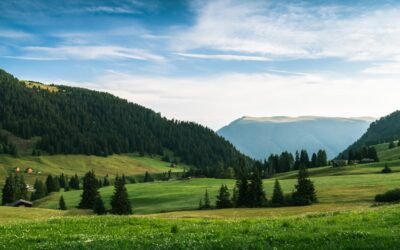
Spring is one of the most appealing seasons for nature lovers. Temperatures gradually rise, trees develop fresh leaves, and the countryside becomes increasingly colorful.
- March: Expect cool mornings, changing weather, and occasional heavy showers.
- April: Milder temperatures make town walks and short outdoor trips more comfortable.
- May: Warmer days and relatively low regional rainfall create favorable conditions for exploring the surrounding forests.
Fruit trees and wildflowers add color to the countryside. Spring is also a pleasant time to explore local markets and enjoy the town before the busier summer period.
Pack layers and waterproof outerwear, especially if you plan to visit higher ground. Conditions can change quickly between the town center and surrounding hills.
Summer (June–August): Warm Weather and Local Events
Summer brings Devrek’s warmest weather and longest days. July and August are particularly suitable for visitors who enjoy outdoor cafés, family activities, and a lively atmosphere.
Regional average daily highs reach 25.3°C in July and 25.5°C in August. Hotter individual days are possible, and humidity can make temperatures feel less comfortable.
- Sunshine: Summer offers the longest average sunshine duration, especially in July.
- Rainfall: Summer is generally less rainy than late autumn and winter, although showers and thunderstorms remain possible.
- Outdoor comfort: Plan longer walks for mornings or evenings when temperatures are more pleasant.
Devrek is inland, so visitors should not rely on a cooling coastal sea breeze. Shaded forest areas can provide a more comfortable setting during hot afternoons.
July also offers the opportunity to experience the town’s walking-stick festival, one of its most recognizable cultural traditions.
Autumn (September–November): Forest Colors and Cooler Weather
Autumn is particularly appealing for photography and quiet outdoor exploration. September retains much of summer’s warmth, while October brings more noticeable changes in temperature and forest color.
- September: Comfortable conditions for walking, with an increasing chance of rain.
- October: Cooler temperatures and colorful forests create excellent opportunities for landscape photography.
- November: Frequent rain and shorter days make flexible sightseeing plans more practical.
The surrounding forests contain a mixture of tree species that produce changing colors during autumn. The exact timing depends on weather and elevation.
However, autumn is not consistently dry. Regional average rainfall rises from 103.1 mm in September to 147.4 mm in October.
For photography, September and early October offer a useful balance between comfortable temperatures and the changing landscape. Later October may provide richer autumn scenery, but wet conditions become more likely.
Winter (December–February): Quiet Streets and Rainy Days
Winter is the quietest time for many outdoor activities in Devrek. It suits travelers who prefer local culture, traditional food, and a slower pace.
Regional average daily highs remain around 9–12°C during winter. Cold spells can bring temperatures close to freezing, while higher elevations may receive snowfall.
- Rainfall: December and January are particularly wet in the regional climate records.
- Fog: Mist and fog can reduce visibility, especially around valleys and during colder conditions.
- Snow: Snow is possible, particularly in surrounding higher areas, although lasting snow in the town center is less predictable.
- Indoor activities: Traditional tea houses, local food, craft shops, and museum visits provide alternatives to outdoor excursions.
Winter visitors should allow extra travel time when rain, fog, or snow affects local roads.
Crowds and Atmosphere: When Is Devrek Busiest?
Devrek’s visitor numbers vary with summer travel, family visits, holidays, and local events. It does not attract the same level of international tourism as Istanbul or Cappadocia, but some periods are noticeably livelier.
Public visitor-count data for each month was not available, so the following descriptions reflect general travel patterns rather than measured attendance figures.
Peak Season: July and August
July and August usually bring the liveliest atmosphere. Families traveling during school holidays and people returning to their hometowns can increase activity around markets, restaurants, and central streets.
The traditional walking-stick festival can also attract additional visitors during its scheduled dates.
- Town-center cafés and restaurants may be busier.
- Accommodation availability may be more limited during events.
- Local markets and cultural activities provide a lively atmosphere.
The 34th Devrek Walking Stick and Culture Festival was scheduled for July 17–19, 2026, according to the municipality’s announcement reported by Zonguldak Pusula. The program included cultural activities and evening concerts.
Festival dates may change from year to year. Travelers planning future visits should use the announced dates for the relevant edition rather than assuming the event always falls on the same weekend.
Shoulder Seasons: April–June and September–October
Spring and early autumn usually offer a more relaxed atmosphere outside public holidays and special events.
- Fewer visitors: Popular places may feel less busy than during summer.
- Local atmosphere: Markets and cafés offer opportunities to experience everyday life.
- Outdoor activities: Moderate temperatures are suitable for hiking, cycling, and sightseeing.
Late May, early June, and September are especially useful for visitors who want comfortable weather without making the festival the focus of their trip.
Off-Season: November–March
Winter and early spring generally offer the quietest atmosphere. This period suits travelers who prefer slower days, local food, and cultural exploration.
Some seasonal businesses outside the town center may operate on reduced schedules. Essential shops and everyday services remain available, although individual opening hours can vary.
A quieter visit can make it easier to explore the craft shops and enjoy traditional Turkish tea without planning around busy summer events.
Cost Considerations: When Is Devrek More Affordable?
Travel costs in Devrek depend on accommodation, transport, food, and the timing of local events. The town generally offers a different cost structure from Turkey’s major international tourist destinations, but there is no single fixed daily price.
Seasonal hotel prices are not consistently published for Devrek. The following comparisons are planning guidance rather than confirmed price averages.
Peak Season: Higher Demand During Summer
July and August can bring higher demand for accommodation, especially around festival dates and summer holidays.
- Accommodation: Hotels and guesthouses may have less availability during busy weekends.
- Transportation: Flight prices depend on route, booking date, and availability. Bus fares may also vary.
- Activities: Some organized tours and special experiences may cost more during busy periods.
Booking accommodation in advance is particularly useful if your visit overlaps with the walking-stick festival.
Shoulder Seasons: A Balance of Cost and Comfort
Late spring and early autumn can offer a useful combination of comfortable weather and accommodation availability.
However, a shoulder-season trip is not automatically cheaper. Individual hotels may charge more during weekends, holidays, or periods of local demand.
Compare accommodation prices for your actual travel dates rather than relying only on seasonal averages.
Off-Season: Potential Savings and Fewer Activities
Winter may offer accommodation deals when visitor demand is lower. However, it is not possible to confirm that every hotel charges its lowest rates during winter.
Some smaller seasonal businesses may close or reduce their operating hours. This can limit dining or activity choices outside central Devrek.
The original broad planning estimates are:
- Budget travel: Approximately US$50–100 per person per day.
- Mid-range travel: Approximately US$100–200 per person per day.
These are indicative allowances, not verified current prices. Actual costs depend on accommodation, transport, restaurant choices, and whether you travel independently or book organized experiences.
For a short visit, a simple town itinerary with local meals and outdoor walks can keep spending manageable.
Activities and Experiences: What to Do in Each Season
Devrek offers different experiences throughout the year. Spring and autumn favor nature walks, summer brings outdoor gatherings and cultural events, and winter is suited to craft shopping and local cuisine.
The town is especially known for its traditional handcrafted walking sticks, called Devrek bastonu.
Spring: Nature Walks and Cultural Exploration
Spring is an excellent time to explore Devrek’s green surroundings. March and April bring fresh growth, while May offers warmer conditions for longer walks.
Possible activities include:
- Forest walks: Explore the surrounding hills and wooded countryside.
- Avdan Nature Park: The original guide identifies this as a spring nature destination; its exact location and current visitor arrangements need confirmation.
- Devrek Çayı: Enjoy views of the river and surrounding landscape.
- Local markets: Explore seasonal produce and everyday town life.
- Cultural sightseeing: Visit traditional streets and architectural features, including the clock tower mentioned in the original guide.
For a more specific outdoor destination, consider Bostandüzü Recreation Area in Akçasu village.
The official tourism listing describes an area of approximately 3.5 hectares, with trees, small streams, seating areas, parking, and other visitor facilities.
Spring river conditions may attract interest in canoeing or rafting where established local operators offer these activities.
Warning: Rain and seasonal runoff can make rivers dangerous. Do not enter fast-moving water or attempt rafting without suitable equipment and an experienced operator. Avoid flooded paths and riverbanks.
Summer: River Recreation and Festival Fun
Summer’s warmer weather encourages outdoor meals, picnics, and social gatherings. It is also the main season for visitors interested in Devrek’s cultural events.
- Riverside picnics: Enjoy suitable designated areas near Devrek Çayı.
- Nearby beaches: Plan a separate trip to the Black Sea coast around Zonguldak or farther afield toward Amasra.
- Outdoor cafés: Enjoy Turkish tea or coffee in the town center.
- Local festivals: Experience music, craft displays, and cultural activities when scheduled.
Devrek itself is inland and does not have a beach. Travelers planning a coastal excursion should allow time for road travel.
Summer is also a good opportunity to learn about the town’s most famous traditional craft. The Devrek District Governor’s Office describes a walking-stick-making tradition with approximately two centuries of history.
The craft is closely associated with cornelian cherry wood, known locally as kızılcık, and decorative carving.
Autumn: Photography, Local Food, and Forest Scenery
Autumn offers colorful scenery and comfortable conditions for exploring the countryside. September is generally warmer, while October provides more noticeable seasonal changes.
- Forest photography: Capture changing leaves and wooded hillsides.
- Mushroom foraging: Explore this traditional seasonal activity only with a knowledgeable local expert.
- Harvest foods: Try seasonal produce and hearty regional dishes.
- Quiet walks: Enjoy the countryside at a slower pace.
For a specific nature destination, consider Madencioğlu Waterfall.
The official tourism listing describes three waterfalls along the same stream, approximately a 30-minute journey from Devrek. The surrounding landscape includes rocky areas and woodland.
Wet weather can make paths slippery, so sturdy footwear is particularly useful in autumn.
Never eat wild mushrooms unless a qualified local expert has identified them as safe. Dangerous species can resemble edible mushrooms.
Winter: Traditional Crafts and Local Cuisine
Winter is well suited to exploring Devrek’s cultural identity. Shorter days and frequent rain make indoor experiences particularly appealing.
- Traditional food: Enjoy Turkish soups, stews, and other warming dishes.
- Tea houses: Spend time in local cafés and traditional gathering places.
- Craft shopping: Explore handmade walking sticks and other traditional items.
- Relaxation: Enjoy a quiet visit without the pace of summer tourism.
One useful destination is Baston Park and the Devrek walking-stick sales center and museum.
The official tourism listing explains that visitors can explore different walking-stick designs and observe the traditional craft.
Decorative twisting patterns and snake motifs are among the recognizable features of classic Devrek walking sticks.
Indoor cultural activities can also provide a useful alternative when rain interrupts an outdoor itinerary.
Final Thoughts: Matching Devrek to Your Travel Style
The right season depends on your main reason for visiting. Late spring and early autumn suit most general sightseeing trips, while July offers a stronger cultural-event focus.
The following comparison summarizes the main summer and early-autumn options.
| Month | Weather | Crowds | Costs |
|---|---|---|---|
| June | Warm, with occasional rain | Moderate | Variable |
| July | Warm to hot | Higher during events | Potentially higher |
| August | Warm to hot | Relatively busy | Variable |
| September | Warm, with increasing rain | Moderate | Variable |
For comfortable sightseeing, choose late May to early June or September to mid-October. July suits travelers who want summer activities and the festival atmosphere. November through March offers a quieter experience, with a greater need for weather flexibility.
Devrek is also accessible through the wider regional road network. The Zonguldak Provincial Directorate of Culture and Tourism identifies the Zonguldak–Devrek–Ankara road as an important regional connection and describes the province’s airport at Çaycuma.
Whether you visit for traditional crafts, green scenery, or quiet local life, choosing your dates around your preferred activities will help you make the most of Devrek.
Frequently Asked Questions
What is the best time to visit Devrek, Zonguldak, for good weather?
Late May to early June and September to mid-October offer a useful balance of comfortable temperatures and outdoor activities. July and August are warmer and receive more sunshine. However, rain is possible throughout the year, and October becomes noticeably wetter.
When is the peak tourist season in Devrek?
July and August are generally the liveliest months because of summer travel, school holidays, and local events. The walking-stick festival can also increase visitor activity during its scheduled dates. Devrek remains a smaller tourism destination than Turkey’s major international visitor centers.
When is the off-peak season in Devrek?
The quieter travel period generally runs from November through March. Winter offers a peaceful atmosphere for visiting tea houses, craft shops, and local restaurants. Rain, fog, and occasional snow can affect outdoor sightseeing and travel conditions.
What are the average costs of visiting Devrek?
A rough planning allowance is US$50–100 per person per day for budget travel or US$100–200 for a mid-range trip. These figures are indicative rather than verified current prices. Accommodation, meals, transportation, and organized activities determine your actual spending.
When should I visit Devrek to avoid crowds?
November through March generally offers the quietest atmosphere. For fewer visitors without the colder winter conditions, consider late spring or September. Avoid major public holidays and festival dates if a peaceful town experience is your priority.
Does it rain in Devrek during summer?
Yes, summer rain is possible in Devrek. The regional climate records show average rainfall of 73.6 mm in June, 68.4 mm in July, and 79.4 mm in August. These figures come from Zonguldak’s official weather station and may differ from conditions in inland Devrek.
When is the Devrek Walking Stick and Culture Festival?
The 34th Devrek Walking Stick and Culture Festival was scheduled for July 17–19, 2026. The event celebrates the town’s traditional cane-making craft through cultural activities and entertainment. Dates for future editions should be confirmed separately because the festival schedule can change.
Sources
- Turkish State Meteorological Service: Official Zonguldak temperature and rainfall statistics covering 1938–2025.
- Devrek District Governor’s Office: History, materials, and traditional production of Devrek walking sticks.
- Visit Zonguldak — Baston Park: Walking-stick sales center, museum, and traditional craft information.
- Visit Zonguldak — Bostandüzü Recreation Area: Location, area, and visitor facilities.
- Visit Zonguldak — Madencioğlu Waterfall: Location, access time, and natural features.
- Zonguldak Pusula — 2026 Festival Announcement: Municipality-announced dates and cultural program for the 34th festival.
- Zonguldak Provincial Directorate of Culture and Tourism: Regional road connections and airport information.