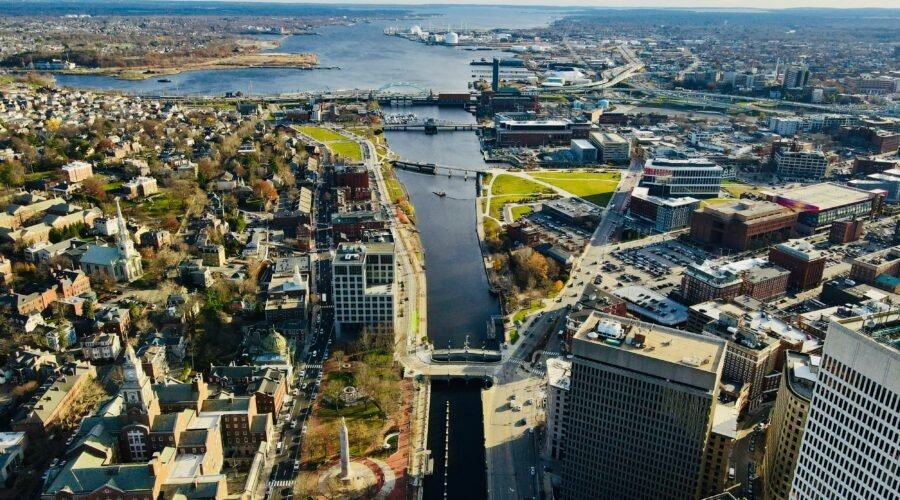
The best time to visit Providence, Rhode Island, is May through June or September through October, when comfortable temperatures support walking historic streets and dining along the riverfront. Early fall brings warm afternoons and colorful foliage, while late spring features blooming gardens and campus celebrations. Summer offers long daylight hours and waterfront festivals, whereas winter delivers snowy scenery alongside cultural attractions and lower hotel rates.
For a first trip, plan two to four days to explore downtown, historic College Hill, and Federal Hill. Checking festival schedules, reviewing local transit options, and factoring in state lodging taxes will help you choose dates that match your budget and travel style.
Quick Answer
The best time to visit Providence, Rhode Island, is May to June or September to October. These shoulder months deliver comfortable daytime highs between 64°F and 78°F, ideal for walking College Hill and attending WaterFire. Summer brings lively riverfront events with warmer humidity, while winter suits travelers seeking quieter museum visits, Italian dining on Federal Hill, and lower lodging rates.
Last checked: September 30, 2026. Dates and figures were verified against official sources.
Key Takeaways
- Prime Weather Windows: May–June and September–October provide 64°F–78°F daytime highs, optimal for exploring Benefit Street, riverwalks, and autumn foliage.
- Crowd & Rate Spikes: Downtown hotels surge during mid-to-late May university commencements, PVDFest, and scheduled Saturday WaterFire full lightings.
- Transit & Walkability: Downtown, College Hill, and Federal Hill are walkable, though hills are steep. RIPTA buses offer $2 fares with a $6 daily cap via the Wave app.
- Taxes & Budgeting: Factor in Rhode Island’s 13%–14% lodging tax and 8% dining tax; mid-range travelers average $150–$250 per person daily when sharing accommodation.
Which Month Should You Choose for Providence?
Choosing the right month depends on whether you prioritize comfortable outdoor walking, autumn foliage, summer waterfront events, or low lodging prices. May, June, and September offer the most reliable weather for walking tours and outdoor dining, while October attracts leaf peepers. Mid-winter months offer the greatest hotel savings for museum enthusiasts.
| Travel Priority | Suggested Period | What to Consider |
|---|---|---|
| Comfortable sightseeing | May–June or September | Highs range from 69°F to 78°F; book around May graduation dates and September festivals. |
| Fall foliage | October | Colors peak across urban parks in late October; cooler evenings require layers. |
| Outdoor festivals & arts | June–August & select fall dates | WaterFire lightings and PVDFest draw large evening crowds downtown; afternoons can be humid. |
| Budget & indoor dining | January–March | Lowest lodging rates of the year; ideal for Federal Hill dining and RISD Museum visits. |
1. Providence Weather: Season-by-Season Guide and Packing Essentials
Providence experiences a humid continental climate with four distinct seasons shaped by its coastal position on Narragansett Bay. Summers are warm and humid with highs in the 80s°F, while winters are cold with freezing lows and periodic snowstorms. Spring brings a brisk thaw and blooming flora, while autumn delivers clear skies and crisp sweater weather.
Official climate data recorded by the National Weather Service Boston/Norton forecast office shows average annual temperatures ranging from winter lows of 22°F to summer highs of 84°F based on 1991–2020 climate normals. Packing strategic layers ensures you stay comfortable across changing New England weather patterns.
Spring (March – May): A Gradual Thaw and Blooming Gardens
Spring in Providence marks a gradual transition from coastal late-winter chills to vibrant green parks and mild walking weather. While March still sees lingering frost, May brings pleasant temperatures in the upper 60s°F that invite strolls along Benefit Street and Roger Williams Park.
- March: Average daytime highs reach 48°F with overnight lows dropping to 30°F. Late-winter snow flurries remain possible.
- April: Highs average 59°F and lows hover near 40°F. Rain showers are frequent, but trees begin budding across College Hill.
- May: Highs average 69°F with lows around 49°F. Outdoor dining reopens along Federal Hill and campus gardens bloom.
Pro Tip: Pack a sturdy, windproof umbrella and water-resistant walking shoes with traction. College Hill’s historic cobblestones and brick sidewalks become very slick when damp.
What to Pack for Spring:
- Waterproof shell jacket or trench coat
- Medium-weight sweaters and breathable layering shirts
- Comfortable walking shoes with slip-resistant soles
- Light scarf and gloves for chilly March and April evenings
Summer (June – August): Waterfront Warmth and Festive Buzz
Summer brings long daylight hours, lively riverwalks, and bustling outdoor patios across the city center. Average daytime highs reach the upper 70s to mid-80s°F, though coastal humidity can push the heat index above 90°F during midsummer heat waves.
- June: Highs average 78°F with lows near 59°F. Mild evenings make June one of the most comfortable months for evening strolls.
- July: The warmest month, averaging highs of 84°F and lows of 65°F. Thunderstorms can occur on humid afternoons.
- August: Highs average 82°F with lows of 64°F. Warm ocean breezes make August prime for combining city sightseeing with Narragansett beaches.
What to Pack for Summer:
- Lightweight linen or moisture-wicking cotton shirts and shorts
- UV-blocking sunglasses, wide-brim hat, and broad-spectrum sunscreen
- Swimwear for coastal day trips to Newport or South County beaches
- Breathable walking sneakers or cushioned sandals
- A light denim jacket or cardigan for air-conditioned museums and theaters
Fall (September – November): Crisp Autumn Air and Peak Foliage
Autumn is widely considered the most scenic time to explore Providence, featuring sunny, dry days and rich fall colors across historic neighborhoods. September carries late-summer warmth, while October brings crisp sweater weather and peak foliage along the Providence River.
- September: Daytime highs average 75°F with evening lows around 57°F, creating prime conditions for outdoor walking and festivals.
- October: Highs average 64°F and lows drop to 45°F. Foliage typically peaks across Providence parks during the third and fourth weeks of October.
- November: Highs fall to 53°F and lows dip to 36°F. Brisk winds and shorter days make afternoon museum visits especially welcoming.
What to Pack for Fall:
- Layered knit sweaters, flannels, and fleece vests
- Medium-weight trench, leather, or quilted jacket
- Sturdy leather walking shoes or ankle boots
- Warm knit beanies and wool scarves for cool October and November nights
Winter (December – February): Cozy Dining, Holiday Lights, and Snow
Winter in Providence offers a quiet, unhurried atmosphere centered on cozy culinary experiences, historic architecture, and indoor arts. Highs generally range between 38°F and 43°F, with overnight lows falling into the low 20s°F alongside roughly 34 inches of seasonal snowfall.
- December: Average highs hover at 43°F with overnight lows around 28°F. Downtown displays holiday lights and opens outdoor skating at the Providence Rink.
- January: The coldest month, with average highs of 38°F and lows of 22°F. Sub-freezing temperatures are common, keeping tourist crowds small.
- February: Highs average 41°F with lows around 24°F. Snowstorms are common, making it an ideal month for Federal Hill comfort dining.
What to Pack for Winter:
- Heavy insulated, windproof winter coat or down parka
- Thermal base layers (merino wool or synthetic fabrics)
- Insulated, waterproof winter boots with slip-resistant rubber tread
- Fleece-lined gloves, wool beanies, and winter scarves
2. Crowd Levels: When to Visit for Excitement or Quiet
Providence experiences unique visitor patterns driven by university academic schedules, downtown arts festivals, and WaterFire rather than pure coastal beach tourism. Understanding these seasonal rhythms helps you choose between vibrant festival weekends and quiet historic exploration.
Peak Season (June through August & Major Holidays)
Summer attracts leisure vacationers, families, and road trippers exploring New England’s coastal corridor. The downtown riverfront fills with evening strollers, while outdoor dining along Atwells Avenue reaches peak popularity on weekend nights.
- Advantages: Extended daylight (sunset after 8:00 p.m.), regular outdoor concerts, open-air river cruises, and vibrant street life.
- Disadvantages: Humid afternoons, higher downtown hotel rates, and crowded parking garages during major festival weekends.
Shoulder Seasons (April – May & September – October)
Spring and autumn strike an appealing balance between pleasant sightseeing weather and cultural programming, though university milestones create sudden crowd spikes. Major commencement weekends in May fill hotels months in advance.
- Spring Highlights: Cherry blossoms, campus greens in bloom, and early outdoor dining. Note that Providence College commencement (May 15–17, 2026) and Brown University commencement (May 22–24, 2026) cause citywide hotel sellouts.
- Fall Highlights: Vibrant foliage along Benefit Street, crisp walking conditions, PVDFest, and autumn WaterFire lightings.
- Booking Strategy: Reserve accommodations at least 3 to 5 months in advance if visiting during May graduations or October foliage weekends.
Off-Peak Season (January through March)
Winter is the quietest travel window in Providence, providing empty museum galleries, easy restaurant reservations, and discounted hotel room rates. While outdoor walking is limited by cold winds and icy sidewalks, indoor cultural venues remain fully accessible.
How Should You Plan Around WaterFire?
WaterFire Providence is an acclaimed public art installation created by Barnaby Evans, illuminating downtown rivers with dozens of floating, fragrant cedar and pine bonfires. Events occur on select Saturday nights from late spring through autumn rather than every weekend.
WaterFire offers three primary lighting formats:
- Full Lightings: Nearly 100 braziers burn from Waterplace Park through Memorial Park, featuring food vendors, live world music, and bustling crowds. Confirmed 2026 dates include May 30, July 4, August 1, August 29, September 5, September 26, October 17, and November 7 (Veterans Salute).
- Basin & Partial Lightings: Smaller, intimate installations focused primarily on the Waterplace Park basin. Published 2026 dates include June 12, June 18, July 17, August 14, October 3, and a holiday basin lighting on December 11.
- Starts at Sunset: Intimate musical performances on the Michael S. Van Leesten Memorial Bridge on select Thursdays.
Always consult the official WaterFire calendar before booking your lodging, as lighting dates and weather postponements are finalized seasonally.
3. Trip Costs: Realistic Budgeting for Providence

Providence is generally more affordable than nearby Boston or Newport, but hotel pricing fluctuates significantly based on university events and season. A comfortable mid-range trip typically costs between $150 and $250 per person per day when sharing accommodation, dining at sit-down restaurants, and using public transit.
Understanding Rhode Island travel taxes helps prevent checkout surprises:
- Lodging Taxes: Standard hotel rooms in Providence carry a combined tax of 13% to 14%, comprising 7% Rhode Island sales tax, a 5% to 6% state hotel tax, and local municipal hotel assessments. Short-term whole-home rentals are taxed under separate residential dwelling guidelines.
- Prepared Meals Tax: Restaurant dining and prepared takeout carry an 8% tax statewide, combining the 7% state sales tax and the 1% local Rhode Island meals and beverage tax.
For statutory updates and registration details, consult the Rhode Island Division of Taxation.
At a Glance: Providence Travel Planning
| Recommended Trip Duration | 2 to 4 Days |
| Walking Accessibility | High in historic core; steep climb to College Hill. |
| Primary Transit Options | Walking, RIPTA buses ($2 fare, $6 daily cap), Amtrak, MBTA commuter rail |
| Daily Mid-Range Budget | $150–$250 per person per day (shared hotel room) |
Accommodation Expenses
Hotel rates in Providence vary widely between regular mid-week dates and peak event weekends. Overnight parking at downtown hotels often adds $25 to $40 per night to your lodging bill.
- Budget Accommodations ($95–$145/night): Modest brand motels along the Warwick or Pawtucket borders, or private rooms on short-term rental platforms.
- Mid-Range Downtown Hotels ($175–$275/night): Well-located downtown properties such as the Omni Providence, Courtyard Providence Downtown, and Hotel Providence. Rates can spike above $350 during major college graduations and WaterFire full lightings.
- Boutique & Luxury Stays ($300–$480+/night): Upscale properties like The Beatrice or boutique inns on College Hill, featuring curated amenities and historic architecture.
Food & Dining Expenses
Providence is celebrated for its culinary diversity, anchored by historic Italian trattorias on Federal Hill and innovative local bakeries. Budgeting for meals depends on whether you sample casual counter-service staples or multi-course dinners.
- Casual Dining & Local Staples ($5–$18): Historic counter spots like Olneyville New York System serve original Rhode Island hot wieners ordered “all the way” (mustard, meat sauce, onions, and celery salt) for approximately $3.70 to $4.70 each, with full lunch specials around $16 to $17.
- Mid-Range Trattorias ($25–$55 per person): Classic Federal Hill Italian restaurants along Atwells Avenue feature handmade pastas and seafood entrees ranging from $20 to $38.
- Upscale Dining ($75–$140+ per person): Fine dining establishments offering tasting menus and wine pairings in the Jewelry District and Downtown.
- Beverages: A pint of Rhode Island craft beer at a local taproom costs $7 to $9, cocktails average $13 to $17, and a glass of Rhode Island’s official state beverage—coffee milk made with Autocrat coffee syrup—costs $3.50 to $4.50 at local diners.
Daily Budget Estimates (Excluding Flights)
Published traveler spending benchmarks from BudgetYourTrip Providence travel-cost data outline realistic spending tiers for different travel styles.
- Budget Traveler (~$117/day): Staying in shared or suburban lodging, riding RIPTA buses, eating casual sandwiches and diner staples, and focusing on free attractions like Benefit Street and the State House.
- Mid-Range Traveler (~$245/day): Splitting a downtown hotel room with a companion, dining at neighborhood trattorias, visiting museums, and taking an occasional rideshare.
- Luxury Traveler (~$462+/day): Booking a boutique downtown suite, enjoying fine dining with wine pairings, booking private boat charters, and using private town cars or valet parking.
How to Calculate Your Actual Daily Cost
To determine your true daily expenditure, calculate your total lodging price per room—factoring in the 14% tax and parking fees—and divide by the number of guests. Add individual food, transit, and attraction spending to reach your realistic per-person figure. Two travelers sharing a $220 downtown room pay $125 each per night including tax, making mid-range comfort attainable.
Ways to Reduce Providence Trip Costs
- Book Sunday through Thursday nights to avoid premium weekend pricing.
- Visit the RISD Museum during its free admission hours on Sundays (10:00 a.m. to 5:00 p.m.) and Thursday evenings (5:00 p.m. to 8:00 p.m.).
- Purchase a $6 RIPTA Wave day pass for unlimited bus rides instead of relying on rideshares or rental car parking.
- Explore the city’s outstanding free architectural landmarks, including the Rhode Island State House, Benefit Street, and the Providence Athenaeum.
- Avoid commencement weekends in mid-to-late May unless attending a university ceremony.
4. Navigating Providence: Transit, Neighborhoods, and Attractions

Providence is one of the most walk-friendly small cities on the East Coast, featuring a dense downtown core flanked by historic neighborhoods. Navigating between major sights is straightforward on foot or by public transit, although the climb from downtown up College Hill requires a short but steep uphill walk.
Arrival and Transit Connections
- Rhode Island T.F. Green International Airport (PVD): Located 9 miles south in Warwick. RIPTA bus Routes 1, 20, and 66 pick up directly in front of the terminal, while Route 14 serves the InterLink facility. The InterLink also connects to rental car facilities and the MBTA commuter rail station. Review RIPTA airport and rail connections for specific weekday and weekend timetables.
- Providence Train Station: Situated directly across from the Rhode Island State House. It is served by Amtrak Northeast Regional and high-speed Acela trains, as well as MBTA Commuter Rail trains operating between Providence and Boston’s South Station.
- Local RIPTA Bus System: Standard cash fare is $2 per boarding with exact change required. Using the RIPTA Wave smart card or mobile app provides 1 hour of unlimited transfers for $2, with an automatic fare cap of $6 per day. Review published RIPTA fares before traveling.
Key Neighborhoods to Explore
- Downtown (City Center): The commercial and civic hub, home to the Providence Performing Arts Center (PPAC), the illuminated riverwalks of Waterplace Park, and historic commercial buildings.
- College Hill: An East Side district housing Brown University and Rhode Island School of Design (RISD). Benefit Street’s famous “Mile of History” showcases one of the highest concentrations of preserved Colonial and Federal architecture in the country.
- Federal Hill: Radiating from Atwells Avenue, this storied Italian enclave features celebrated bakeries, espresso bars, al fresco plazas, and family-owned trattorias.
- Fox Point: A vibrant neighborhood at the southern tip of the East Side, known for historic Portuguese-American roots, independent coffee houses, and indie boutiques along Wickenden Street.
- The Jewelry District: A revitalized former manufacturing district south of downtown, featuring modern craft breweries, riverfront parks, and the Michael S. Van Leesten Memorial Pedestrian Bridge.
Providence Seasonal Travel Comparison
| Season | Daytime Highs (°F) | Typical Visitor Pattern | Cost Considerations |
|---|---|---|---|
| Spring (Mar–May) | 48°F–69°F | Moderate; sharp demand spike during May college commencements | Book mid-to-late May dates months in advance |
| Summer (Jun–Aug) | 78°F–84°F | High volume for WaterFire, PVDFest, and coastal travelers | Higher weekend hotel and parking rates |
| Fall (Sep–Nov) | 53°F–75°F | Busy September and October weekends due to foliage and arts | Peak lodging pricing on October foliage weekends |
| Winter (Dec–Feb) | 38°F–43°F | Quiet; best suited for museum visits and Italian dining | Lowest lodging prices of the year |
Top Must-See Attractions and Cultural Landmarks
- RISD Museum: Features more than 100,000 works of art, ranging from ancient Roman sculptures and a 12th-century Japanese wooden Buddha to French Impressionism and contemporary design. Regular adult admission is $22, seniors are $17, college students are $12, and youth 18 and under enter free. Admission is free for all visitors on Sundays (10:00 a.m.–5:00 p.m.) and Thursday evenings (5:00 p.m.–8:00 p.m.). Check the official hours and admission page before visiting.
- WaterFire Providence: The city’s signature installation on the Woonasquatucket, Moshassuck, and Providence Rivers, featuring aromatic cedar braziers, floating fires, and choral music.
- The Providence Athenaeum: An independent membership library founded in 1753 and housed in an 1838 Greek Revival building on Benefit Street, famous for its associations with Edgar Allan Poe. The Providence Athenaeum welcomes visitors free of charge Tuesday through Sunday.
- Rhode Island State House: Boasts the world’s fourth-largest self-supported marble dome. Free self-guided and docent-led Rhode Island State House tours run Monday through Friday at 10:00 a.m. and 1:00 p.m.
- Roger Williams Park & Zoo: Spanning 435 scenic acres with Victorian gardens, lakes, and a carousel village. Regular Roger Williams Park Zoo admission is $25 for adults, $21 for seniors (62+), $19 for children (2–12), and free for children under 2.
A Practical Two-Day Providence Itinerary
Day 1 — Downtown and College Hill: Start at the Rhode Island State House, stroll down to Waterplace Park, and tour the RISD Museum. Climb the hill to admire Benefit Street’s historic homes, browse Wickenden Street boutiques in Fox Point, and watch an evening WaterFire lighting downtown if scheduled.
Day 2 — Federal Hill and Roger Williams Park: Grab morning pastries and espresso along Atwells Avenue on Federal Hill. Head south to Roger Williams Park to visit the Botanical Center and Zoo, finishing with dinner in the Jewelry District or Downtown.
With an extra day, take the seasonal ferry south to Newport or board the commuter train north to Boston.
Can You Visit Providence Without a Car?
Yes, Providence is an exceptional destination to visit without a car. Amtrak and MBTA rail connect directly into downtown, the historic core is easily explored on foot, and RIPTA buses connect you to outlying parks and the airport for $2.
College Hill has steep grades and uneven brick sidewalks, so travelers with mobility concerns should plan accessible routes or use rideshares. Renting a car is generally only recommended if you plan multiple day trips through coastal Rhode Island towns.
5. Unique Experiences, Local Etiquette, and Easy Day Trips
Beyond its core museums and universities, Providence offers distinct regional food traditions and serves as an ideal base for exploring southern New England.
Local Customs and Colloquialisms
- “Bubbler”: The ubiquitous Rhode Island term for a public drinking water fountain.
- “Cabinet”: A classic Rhode Island specialty milkshake blending milk, ice cream, and thick syrup (order a “coffee cabinet” for the authentic local flavor).
- “Coffee Milk”: Rhode Island’s official state beverage since 1993, made by stirring sweetened coffee syrup into cold whole milk.
- Tipping Etiquette: An 18% to 20% gratuity is customary for sit-down restaurant service in Rhode Island, with 10% to 15% for taxi or rideshare drivers.
Top Day Trips from Providence
- Newport, RI (33 miles south): Tour legendary Gilded Age mansions like The Breakers, walk the 3.5-mile Cliff Walk along the ocean, and explore historic wharves. Seasonal passenger ferry service connects Providence to Newport from late spring through early autumn.
- Block Island, RI: Take RIPTA Route 66 or drive south to the Point Judith ferry terminal in Narragansett. The high-speed catamaran reaches Old Harbor in 30 minutes, while the traditional passenger/vehicle ferry takes 55 minutes. Review the official Block Island Ferry schedule before traveling.
- Boston, MA (50 miles north): Catch the MBTA Commuter Rail Providence/Stoughton Line from Providence Station directly to Boston’s South Station or Back Bay in 65 to 75 minutes, or take Amtrak in 35 to 45 minutes.
- Mystic, CT (48 miles southwest): Visit the historic Mystic Seaport Museum and Mystic Aquarium, accessible via selected Amtrak Northeast Regional trains or a 50-minute drive.
Final Planning Checklist
- Match your dates to seasonal priorities (comfortable weather in May–June or September–October; foliage in late October).
- Cross-reference the official WaterFire schedule before locking in hotel reservations.
- Book accommodations early if traveling during university commencements (mid-to-late May).
- Download the RIPTA Wave mobile app for easy tap-to-pay bus rides with a $6 daily cap.
- Reserve dinner tables in advance on Federal Hill for Friday and Saturday evenings.
Frequently Asked Questions
What is the best time of year to visit Providence, Rhode Island?
May through June and September through October are the best periods to visit Providence. These months provide comfortable daytime temperatures between 64°F and 78°F for walking historic neighborhoods, alongside major outdoor events and vivid fall foliage.
What is the weather like in Providence throughout the year?
Providence experiences four distinct seasons. Summer highs generally reach the upper 70s to mid-80s°F with moderate humidity, while winter temperatures range from highs in the upper 30s°F to overnight lows in the low 20s°F with regular snow. Spring and autumn bring moderate, crisp conditions.
When are the busiest times to visit Providence?
The busiest travel times occur during college commencement weekends in mid-to-late May, summer festival weekends, and scheduled full WaterFire lightings in summer and early autumn. Major October foliage weekends also see higher hotel demand.
How much should I budget per day for a trip to Providence?
A mid-range daily budget averages $150 to $250 per person when sharing a standard hotel room. Budget travelers utilizing public buses and casual dining spend around $117 per day, while luxury travelers spend $460 or more. Remember to add Rhode Island’s 14% hotel tax and 8% dining tax.
What major annual events should I consider when planning my visit?
WaterFire takes place on select Saturdays from May through November. Other major cultural gatherings include PVDFest in September and the Rhode Island International Film Festival in August. Check official event calendars before finalizing travel dates.
Can you visit Providence without renting a car?
Yes, you can easily visit Providence without a car. Downtown, College Hill, and Federal Hill are walkable, while RIPTA buses provide $2 rides across the city and connect to T.F. Green Airport. Regional Amtrak and MBTA rail services stop directly downtown.
How many days do you need in Providence?
Two full days provide enough time to experience Downtown, the RISD Museum, Benefit Street, and dinner on Federal Hill. Three or four days allow you to explore Roger Williams Park and take an easy day trip to Newport or Boston.
Sources
- GoProvidence: Official tourism information, regional event calendars, and visitor resources.
- WaterFire Providence: Official event schedules, lighting calendars, and program details.
- Rhode Island Public Transit Authority: Public transit timetables, Wave card fare policies, and airport connections.
- RISD Museum: Permanent collection details, operating hours, and general admission pricing.
- National Weather Service (Boston/Norton Office): Official 1991–2020 climate normals and Providence temperature data.
- Rhode Island Division of Taxation — Hotel Tax: State lodging tax rates, municipal surcharges, and filing rules.
- Rhode Island Division of Taxation — Meals and Beverage Tax: Statewide prepared food and beverage tax regulations.
- PVDFest: Annual outdoor arts and music festival program details and schedule.
- Providence Athenaeum: Public visiting hours, admission policies, and historic collections.
- Rhode Island Secretary of State: State House visiting hours, architecture history, and guided tour schedules.
- Roger Williams Park Zoo: Official ticket pricing, operating hours, and admission discounts.
- Block Island Ferry: Point Judith ferry sailing schedules, travel times, and passenger fares.
- BudgetYourTrip: Independent traveler spending benchmarks and cost calculations for Providence.