Bowling Green, Kentucky, is a rewarding place to visit in almost any season. You can explore the National Corvette Museum, walk through historic downtown, enjoy local parks, and take a day trip to Mammoth Cave National Park. But the weather, hotel demand, and available outdoor activities can change quite a bit throughout the year.
Quick Answer
The best time to visit Bowling Green, Kentucky, is generally April through May or September through October. These months offer comfortable weather for sightseeing, parks, and nearby Mammoth Cave. Winter can suit budget-conscious museum visitors, while summer works for families who want water parks and outdoor attractions but can handle heat and humidity.
Key Takeaways
- For comfortable weather: Consider April, May, September, or October.
- For outdoor activities: Spring and fall offer more comfortable conditions for walking, hiking, and sightseeing.
- For families: Late spring and summer offer access to more warm-weather attractions, including Beech Bend Park & Splash Lagoon.
- For lower spending: Compare winter and non-event weekday hotel rates rather than assuming a particular month is always cheapest.
- For Mammoth Cave: Reserve cave tours in advance and choose a route that suits your group’s mobility and interests.
- For avoiding crowds: Check university, festival, motorsports, and museum event calendars before booking.
1. Bowling Green Weather by Season
Bowling Green has a humid subtropical climate, with warm, humid summers and generally cool winters. Spring and fall bring noticeable temperature changes, so packing layers is useful.
According to the National Oceanic and Atmospheric Administration’s 1991–2020 climate normals, Bowling Green’s average daily high is approximately 46°F in January, 71°F in April, 90°F in July, and 72°F in October.
These figures describe long-term averages, not guaranteed conditions for your travel dates.
1.1 Spring (March, April, and May)
Spring is a pleasant time to explore Bowling Green, especially if you want to spend time outside without summer’s intense heat.
- Temperatures: Average daytime highs rise from approximately 60°F (16°C) in March to 71°F (22°C) in April and 79°F (26°C) in May. Evenings can still feel cool.
- Rainfall: Spring is relatively wet. NOAA’s monthly precipitation normals are approximately 4.54 inches in March, 4.81 inches in April, and 5.03 inches in May.
- What to pack: Comfortable walking clothes, a light jacket, an umbrella, and a waterproof outer layer.
- Things to consider: Pollen can be bothersome, and thunderstorms may interrupt outdoor plans. Check the forecast before hiking or visiting parks.
April and May are particularly useful months for travelers who want to combine downtown sightseeing with nearby outdoor attractions.
1.2 Summer (June, July, and August)
Summer brings warm weather, long days, and plenty of opportunities for family activities. It also brings humidity that can make walking outdoors uncomfortable during the hottest part of the day.
- Temperatures: Average highs are approximately 87°F (31°C) in June, 90°F (32°C) in July, and 89°F (32°C) in August. Temperatures can rise above those averages during hot spells.
- Rainfall: Afternoon thunderstorms are possible. Outdoor activities may need to be adjusted around changing conditions.
- What to pack: Breathable clothing, sunscreen, a hat, comfortable shoes, and a reusable water bottle.
- Things to consider: Schedule outdoor sightseeing for the morning or evening when possible. Save indoor museums and other air-conditioned attractions for hotter afternoons.
Summer is a practical choice for families interested in Beech Bend Park & Splash Lagoon, provided the park is operating on their selected dates.
Summer Safety: Carry water, take breaks in shaded or air-conditioned places, and avoid exposed trails during thunderstorms. Check the weather before leaving for Mammoth Cave or other outdoor destinations.
1.3 Fall (September, October, and November)
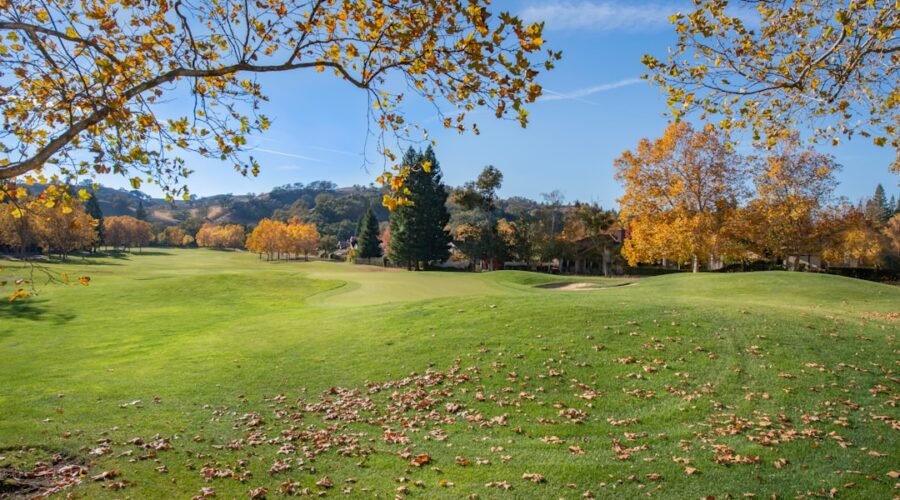
Fall is an appealing season for visitors who enjoy sightseeing, scenic drives, and comfortable walking weather.
- Temperatures: September still feels warm, with an average high of approximately 83°F (28°C). October averages around 72°F (22°C), while November drops to approximately 59°F (15°C).
- Rainfall: September and October are relatively dry compared with late spring, although rainy days remain possible.
- What to pack: Layers, comfortable walking shoes, and a medium-weight jacket for cooler mornings and evenings.
- Things to consider: Fall foliage, university events, festivals, and sporting events can make selected weekends busier.
October is especially suitable for visitors who want to explore downtown, local parks, and the surface trails at Mammoth Cave National Park.
Western Kentucky University’s Homecoming and other major campus events can affect hotel availability. Check event dates before choosing a weekend.
1.4 Winter (December, January, and February)
Winter is generally cooler and quieter, making it useful for visitors who prefer museums, restaurants, and shorter sightseeing days.
- Temperatures: Average highs are approximately 49°F (9°C) in December, 46°F (8°C) in January, and 51°F (11°C) in February. Average overnight lows are close to or below freezing.
- Precipitation: Rain, snow, sleet, and icy conditions are possible. Snowfall varies considerably from year to year.
- What to pack: A winter coat, sweaters, gloves, and shoes suitable for wet or icy sidewalks.
- Things to consider: Some outdoor attractions have reduced seasonal schedules. Indoor museums may be more comfortable choices during cold weather.
The National Corvette Museum and other indoor attractions make winter visits worthwhile even when outdoor conditions are less appealing.
If you’re driving, check the forecast and road conditions before leaving, particularly when freezing rain or snow is expected.
2. Understanding Crowd Levels
Bowling Green generally offers a different visitor experience from major tourism cities. However, hotel demand and attraction crowds can change sharply during university events, festivals, motorsports gatherings, school holidays, and popular travel weekends.
There is no reliable reason to assume that every summer weekend is busy or that every winter weekend is inexpensive. Your exact dates matter.
2.1 Busier Travel Periods
Late spring and fall can attract visitors because of comfortable weather and scheduled events. Summer also brings families interested in seasonal attractions.
- Fall: Pleasant weather, university activities, festivals, and automotive events can increase demand on selected weekends.
- Late spring: Outdoor sightseeing becomes more comfortable, while graduation and other university activities may affect accommodation availability.
- Summer: Water parks, family vacations, and motorsports events may create demand even when some other attractions are quieter.
- Managing crowds: Compare weekday and weekend hotel prices, reserve popular cave tours, and check local event calendars.
The Bowling Green Area Convention & Visitors Bureau event calendar is a useful starting point.
2.2 Shoulder Seasons
March, early June, and November may offer useful compromises between weather, available activities, and visitor demand.
- March: Cooler weather can suit visitors who want indoor attractions and some outdoor sightseeing.
- Early June: Warm weather makes outdoor activities appealing, although humidity is increasing.
- November: Cooler temperatures may suit museum visits and quieter sightseeing days outside major event periods.
- Benefits: Travelers who can move their dates may find better hotel availability and more scheduling flexibility.
Weather and event calendars should guide the final decision rather than seasonal labels alone.
2.3 Quieter Travel Opportunities
January and February can be useful months for travelers whose main interests are museums, dining, and downtown exploration.
However, winter storms can affect travel, and holiday periods may have different hotel-demand patterns.
Mid-summer weekdays may also offer reasonable hotel choices, but popular family attractions can still be busy.
For better value, compare several nearby dates rather than assuming that an entire month offers the lowest prices.
3. Estimating Your Bowling Green Trip Costs
Bowling Green offers a variety of accommodation, dining, and attraction options. Your final cost depends on travel dates, hotel choice, transportation, and the number of paid activities you include.
The figures below are illustrative spending targets in US dollars, not live hotel quotes or verified citywide price averages. Check current prices before booking.
3.1 Accommodation
Your hotel will often be one of the largest expenses, especially during a short trip.
- Budget target — up to $90 per night: Compare economy properties such as Quality Inn, Super 8, and Days Inn. Availability at this price is not guaranteed.
- Mid-range target — $90–$150 per night: Look at properties such as Hampton Inn, Holiday Inn Express, Fairfield Inn & Suites, and Comfort Inn. Check whether breakfast and parking are included.
- Higher-end target — $150–$250 or more per night: Compare Hyatt Place, Marriott-affiliated properties, boutique accommodations, and vacation rentals.
- Longer stays: Vacation rentals through platforms such as Airbnb and Vrbo may suit families or groups, but cleaning and service fees can affect the total.
Hotels near major roads and the National Corvette Museum may be convenient for visitors using a car. Downtown accommodations may be more useful for travelers who want to walk to restaurants and local attractions.
Money-Saving Tip: Compare the final hotel price after taxes and fees. A slightly higher nightly rate that includes breakfast and parking may cost less overall than a cheaper room with extra charges.
3.2 Food and Dining
Bowling Green has casual restaurants, coffee shops, pizza places, international cuisines, and more upscale dining options.
Use these amounts as personal meal-budget targets:
- Budget meals — under $15 per person: Consider fast food, casual counter-service restaurants, simple lunches, or packed meals.
- Mid-range meals — $15–$30 per person: This spending target may suit many casual sit-down meals, depending on what you order.
- Higher-end meals — $30–$50 or more per person: Allow additional room for drinks, appetizers, desserts, tax, and gratuity.
Downtown options include Spencer’s Coffee and Gerard’s 1907 Tavern. Lost River Pizza Co. is another local dining option, while chain restaurants offer additional choices throughout the area.
Menus and prices change, so check current information before making a reservation.
For a typical sit-down restaurant meal in the United States, many travelers budget around 15%–20% for gratuity, depending on service and personal preference.
3.3 Transportation
A car is useful if you plan to explore Bowling Green and visit attractions outside the city.
- Rental car: Nashville International Airport is a common arrival option for visitors. A rental vehicle provides flexibility for exploring Bowling Green and nearby attractions.
- Rental budget: You can use $40–$80 per day as an initial planning allowance, but actual quotes may be higher or lower. Include taxes, insurance choices, fuel, and other fees.
- Personal vehicle: Budget for fuel, parking, and any tolls along your full route.
- Ride-sharing: Uber and Lyft can be useful for selected trips, subject to driver availability.
- Public transit: GoBG Transit operates local bus routes, although the service may not suit every tourist itinerary.
According to the official GoBG Transit website, the system has five bus routes. Its published regular service hours are Monday through Friday, 6 a.m. to 6 p.m., with no regular Saturday or Sunday service.
The published standard adult single-ride fare is $2, with reduced fares for eligible riders.
If you’re visiting without a car, check the exact route between your hotel and each attraction before booking. Do not assume public transportation will reach Mammoth Cave or every destination outside the city.
3.4 Activities and Attractions
Bowling Green has several attractions that can fit different budgets.
Free and Low-Cost Activities
- Western Kentucky University campus: Enjoy the campus grounds and architecture. Check the Kentucky Museum’s current admission and opening hours separately.
- Mitch McConnell Park Riverwalk: Walk along the Barren River and enjoy views from the pedestrian bridge.
- Downtown Bowling Green: Explore Fountain Square Park, historic buildings, local shops, and public spaces.
- Shanty Hollow Lake: Consider hiking when trail and weather conditions are suitable.
- Aviation Heritage Park & Museum: Enjoy outdoor aircraft displays and aviation history. General admission to the park and museum is free.
Visit the official Aviation Heritage Park website for current hours and visitor information.
Paid Attractions
- National Corvette Museum: Explore Corvette history, vehicles, and exhibits. Check the official museum website for current admission prices and exhibitions.
- Historic Railpark & Train Museum: Explore railroad history and restored train cars. The official visitor information lists adult general admission at $22.
- Lost River Cave: Consider a cave boat tour and the site’s outdoor trails. Check tour schedules, availability, and current ticket prices.
- Mammoth Cave National Park: Park entrance is free, but cave tours require tickets.
- Beech Bend Park & Splash Lagoon: A seasonal amusement and water park with admission prices that depend on ticket type and operating dates.
For the Historic Railpark, review the official admission information before your visit.
Mammoth Cave Tour Costs
Mammoth Cave National Park does not charge a general entrance fee. Visitors can enjoy available surface features without purchasing a cave-tour ticket.
However, you must have a ticket to enter the cave on an authorized tour.
The National Park Service’s published adult tour prices include:
- Discovery Tour: $12.
- Historic Tour: $24.
- Frozen Niagara Tour: $26.
- Domes and Dripstones Tour: $30.
Other tours have different prices, and availability changes by season. Check the official Mammoth Cave fee schedule before purchasing tickets.
An America the Beautiful entrance pass is not needed for general park entry. Eligible Senior and Access passholders may receive discounts on their own cave-tour tickets under National Park Service rules.
Corvette Assembly Plant Tours
The National Corvette Museum also coordinates selected tours of the General Motors Bowling Green Assembly Plant when approved by General Motors.
As of September 2026, plant tours are not currently available, and no additional dates have been announced.
Check the official Corvette plant-tour page for future availability rather than building your itinerary around a tour that has not been scheduled.
3.5 Example Budget for a Two-Night Trip
The following example shows how a couple could organize a two-night Bowling Green trip. These are illustrative budget allowances, not live booking prices.
| Expense | Example allowance |
|---|---|
| Hotel, two nights | $240 |
| Food for two people | $180 |
| Activities and attractions | $120 |
| Local fuel and parking allowance | $40 |
| Extra spending allowance | $70 |
| Total | $650 |
This example assumes two people share one hotel room and use their own vehicle. It excludes travel to Bowling Green, rental-car charges, and any additional hotel taxes or fees not covered by the allowance.
Your actual total may differ considerably. A family visiting multiple paid attractions will need a different budget from a couple focusing on museums, parks, and inexpensive meals.
4. Best Times to Visit for Specific Interests

The best travel dates depend on what you want to do. A family planning a water-park visit may prefer summer, while a traveler interested in walking and outdoor scenery may find October more comfortable.
4.1 Outdoor Enthusiasts
- Best time: April–May or September–October.
- Why: These months generally offer more comfortable conditions for hiking, walking, and exploring parks.
- Things to do: Explore Mammoth Cave’s surface trails, visit Shanty Hollow Lake, enjoy Lost River Cave’s outdoor areas, or consider permitted paddling opportunities on local waterways.
Always check trail conditions, river conditions, and the weather before starting an outdoor activity.
4.2 Car and History Enthusiasts
- Best time: Year-round.
- Why: Several important local attractions offer indoor experiences, making them useful during cold, hot, or rainy weather.
- Things to do: Visit the National Corvette Museum, Historic Railpark & Train Museum, Aviation Heritage Park & Museum, and historic downtown Bowling Green.
Automotive events may also be a reason to choose specific travel dates. Check the official museum calendar before making reservations.
4.3 Families With Children
- Best time: May, June, or September, depending on the activities planned.
- Why: These months provide opportunities for outdoor family activities, although September schedules may differ from summer operating schedules.
- Things to do: Explore Beech Bend, Lost River Cave, Mammoth Cave, local parks, and family-oriented museum programs.
If you plan to visit Mammoth Cave with young children, choose a tour based on its length, stairs, age requirements, and physical difficulty.
Some tours are much more demanding than others, and not every route is suitable for every family.
4.4 Budget Travelers
Budget travelers should compare travel dates, particularly weekdays outside major event periods.
Winter may offer useful accommodation options for travelers who prefer indoor sightseeing. However, summer and fall can also offer good value when a particular hotel has availability.
The following month-by-month guide summarizes typical weather and general planning considerations. Crowd and cost descriptions are qualitative, not measured monthly rankings.
| Month | Weather | Crowd considerations | Cost considerations |
|---|---|---|---|
| January | Cold; snow or ice possible | Often suitable for quieter indoor sightseeing | Compare winter hotel offers |
| February | Cool to cold | Check holiday and event weekends | Potential weekday opportunities |
| March | Mild days; variable weather | Spring activity begins | Compare early-spring dates |
| April | Mild; regular rainfall | Outdoor and school-group activity | Book popular weekends early |
| May | Warm and often pleasant | Graduation and spring events | Check university dates |
| June | Warm and humid | Family and seasonal attractions | Compare weekdays and weekends |
| July | Hot and humid | Summer attractions and events | Check event-specific demand |
| August | Hot and humid | Seasonal activities and campus return | Look for date-specific offers |
| September | Warm, gradually cooling | Festivals and outdoor events | Check major event weekends |
| October | Comfortable days; cooler nights | Fall travel and university events | Reserve selected weekends early |
| November | Cool | Variable demand around holidays | Compare non-holiday dates |
| December | Cold; winter precipitation possible | Holiday events and winter travel | Compare dates around holidays |
For a lower-cost trip, combine free attractions with one or two paid experiences. Downtown exploration, the Riverwalk, and Aviation Heritage Park can help keep activity spending manageable.
Packing snacks and choosing accommodation with breakfast can also reduce food expenses.
4.5 Visitors With Limited Mobility
If someone in your group has limited mobility, plan attractions according to accessibility rather than season alone.
The National Corvette Museum and indoor museums can provide alternatives to long outdoor walks. However, accessibility varies by attraction and by individual exhibit.
Mammoth Cave offers different tour experiences, including an accessible tour when scheduled. Many other routes involve stairs, uneven surfaces, or narrow passages.
Review the official cave-tour descriptions before booking, and contact the attraction if you need specific accessibility arrangements.
5. Practical Tips for a Smooth Trip
A little planning can help you avoid unexpected costs, unavailable tours, and weather-related disruptions.
5.1 Book Popular Attractions in Advance
Mammoth Cave tours can sell out, especially during popular travel periods.
The National Park Service recommends advance reservations because walk-up ticket availability is not guaranteed.
Check the official Mammoth Cave tour schedule before choosing your date. The available routes and departure times change seasonally.
Read the full tour description before purchasing tickets. Some tours involve many stairs, significant walking distances, or tight spaces.
Book hotels early if your trip coincides with WKU graduation, Homecoming, or a major local event.
5.2 Check Local Calendars
Bowling Green hosts cultural festivals, automotive gatherings, sporting events, concerts, and seasonal activities throughout the year.
The Bowling Green International Festival is one example. Its official schedule lists the 2026 festival for Saturday, September 26, at Circus Square Park.
Check the festival’s official website for event details and admission information.
Corvette-related events can also influence travel plans. The National Corvette Museum publishes its own event calendar, while other automotive gatherings may take place elsewhere in the Bowling Green area.
Use official event websites to confirm dates instead of assuming an annual event always happens on the same weekend.
5.3 Prepare for Changing Weather
Kentucky weather can change quickly, particularly during spring and fall.
Check the forecast several days before departure and again just before leaving.
- Carry a lightweight waterproof jacket during spring and summer.
- Pack layers for cooler mornings and evenings.
- Move outdoor activities indoors when thunderstorms approach.
- Take frequent breaks and stay hydrated during hot weather.
- Allow extra driving time if winter weather is expected.
If your itinerary includes hiking, paddling, or other outdoor activities, check local conditions and any applicable advisories before starting.
5.4 Plan Transportation and Driving Time
Bowling Green itself is manageable by car, but some of the area’s major attractions are outside the city.
Mammoth Cave National Park is commonly described as approximately 30 minutes from Bowling Green, although the drive to the visitor center can vary depending on your starting point, route, and traffic.
Allow extra time for parking, ticket collection, and getting ready for your cave tour.
The National Park Service advises visitors to arrive at the visitor center approximately 30 minutes before their scheduled tour.
Do not rely only on a general map estimate when arranging a timed attraction.
5.5 Pack for Comfort
Comfortable walking shoes are useful throughout the year.
Bring a reusable water bottle, especially in warmer months. If you’re visiting multiple attractions in one day, a small bag with weather-appropriate clothing and basic essentials can make the trip easier.
For Mammoth Cave, sturdy footwear and a light jacket are important.
The National Park Service reports a deep-cave temperature of approximately 54°F (12°C), even when the weather outside is hot.
Important Cave-Tour Note: Strollers, child backpack carriers, and certain large bags are not permitted on cave tours. Front child carriers may be allowed. Visitors must also follow the park’s biosecurity procedures after leaving the cave to help protect bats from white-nose syndrome.
5.6 Build a Practical Two-Day Itinerary
If you’re planning a short visit, group nearby attractions together instead of spending most of your time driving.
Day 1: Bowling Green
- Visit the National Corvette Museum.
- Explore Aviation Heritage Park & Museum.
- Have lunch at a local restaurant.
- Walk around Fountain Square Park and downtown.
- Enjoy dinner before returning to your hotel.
Day 2: Mammoth Cave and Outdoor Attractions
- Drive to Mammoth Cave National Park.
- Arrive early for your reserved cave tour.
- Explore suitable surface trails if time and weather allow.
- Return to Bowling Green for dinner or another local attraction.
If you have an additional day, consider Lost River Cave, the Historic Railpark & Train Museum, Shanty Hollow Lake, or Beech Bend when it is operating.
This schedule leaves room for weather changes and avoids trying to fit every attraction into one day.
Frequently Asked Questions
1. What is the best time of year to visit Bowling Green, Kentucky, for favorable weather?
April, May, September, and October generally offer comfortable conditions for sightseeing. Spring brings greener scenery and warmer temperatures, while fall offers cooler evenings and pleasant walking weather. Rain and occasional weather changes are possible in either season.
2. When is the peak tourist season in Bowling Green?
Visitor demand varies by attraction and event. Late spring and fall are appealing for outdoor sightseeing, while summer attracts families interested in seasonal attractions. WKU events, festivals, and automotive gatherings can create busy individual weekends. Check the local calendar before booking.
3. What is the off-peak season in Bowling Green?
Winter can offer quieter opportunities for indoor sightseeing, particularly outside holiday and event periods. However, there is no guarantee that every winter date will have low hotel prices. Compare several dates for the best available value.
4. Are there specific events that affect when to visit Bowling Green?
Yes. WKU graduation and Homecoming, automotive gatherings, sporting events, and local festivals can affect hotel demand and traffic. The 2026 Bowling Green International Festival is scheduled for September 26. Check official event calendars for your travel year.
5. How much should I budget for accommodations and attractions?
Hotel prices depend on dates, location, and availability. For planning purposes, compare economy, mid-range, and higher-end properties using their final prices after fees. Attractions also vary: Aviation Heritage Park is free, Mammoth Cave park entrance is free, and cave tours require separate tickets. A two-night trip for two people can be planned around a chosen spending allowance, but live quotes are needed for an accurate total.
6. Is Mammoth Cave worth visiting during winter or summer?
Yes. Mammoth Cave offers underground tours during different seasons, although available routes and departure times change. Deep-cave temperatures are approximately 54°F year-round, so bring a light jacket even during summer. Reserve tickets in advance and check the current tour schedule.
7. Do I need a car to visit Bowling Green?
A car is useful, especially for Mammoth Cave and other attractions outside the city. GoBG Transit serves local routes, but its operating schedule and coverage may not fit every tourist itinerary. Ride-sharing is another option when drivers are available.
8. How many days should I spend in Bowling Green, Kentucky?
Two or three days provide time for the National Corvette Museum, downtown sightseeing, and a Mammoth Cave day trip. Add another day if you want to visit more museums, explore additional parks, or include seasonal family attractions.
Sources
- NOAA National Centers for Environmental Information — Bowling Green Climate Normals — monthly temperatures, precipitation, and seasonal weather patterns.
- National Park Service — Mammoth Cave Tours — tour schedules, reservations, accessibility, cave conditions, and visitor requirements.
- National Park Service — Mammoth Cave Fees and Passes — park entrance, cave-tour prices, and eligible pass discounts.
- National Corvette Museum — Plant Tours — official assembly plant-tour availability.
- Bowling Green Area Convention & Visitors Bureau — Events Calendar — local festivals, visitor activities, and event planning.
- GoBG Transit — Official Website — local bus routes, fares, and operating hours.