Planning a trip to St. Gallen and wondering when to go? The best time to visit St. Gallen, considering a balance of good weather, manageable crowds, and reasonable costs, is generally during late spring (May-June) or early autumn (September-October). These periods offer pleasant temperatures, beautiful scenery, and a less overwhelming experience compared to the peak summer months, often with better deals on accommodation and flights.
St. Gallen, nestled in eastern Switzerland, experiences four distinct seasons. Each brings its own charm and challenges, influencing everything from outdoor activities to the cost of your trip. Knowing what to expect seasonally can help you tailor your visit to your preferences.
Spring (March – May)
Spring in St. Gallen is a time of awakening. The city sheds its winter coat, and the surrounding landscapes transform into vibrant greens.
Weather in Spring
- March: Still quite chilly, with average temperatures ranging from 0°C to 8°C (32°F to 46°F). There can still be late-season snow, especially in the higher elevations. It’s a transition month, so expect unpredictable weather.
- April: Temperatures start to climb, typically between 4°C and 14°C (39°F to 57°F). Rain showers are common, but sunny days become more frequent. The air is fresh and crisp.
- May: This is arguably one of the best months. Average temperatures are comfortable, from 8°C to 18°C (46°F to 64°F). Everything is in bloom, and the longer daylight hours are a welcome change. While rain is still possible, it’s generally pleasant for exploring.
Crowds in Spring
- March: Low crowds. Many tourists avoid this transitional month, making it a good time for a quiet visit if you don’t mind cooler weather.
- April: Crowds remain relatively low, though they start to pick up towards the end of the month as Easter approaches and school holidays begin in some regions.
- May: Moderate crowds. It’s not as busy as summer, but you’ll encounter more tourists, particularly around popular attractions like the Abbey Library.
Costs in Spring
- March: Generally lower prices for flights and accommodation as it’s off-peak.
- April: Still good value, though Easter can see a slight bump in prices.
- May: Prices begin to rise as demand increases, but you can still find good deals, especially if you book in advance.
Activities in Spring
Spring is ideal for exploring the historic Old Town on foot, enjoying a leisurely stroll through the city parks, or taking a scenic train ride through the blooming countryside. Hiking trails in the lower altitudes become accessible and are incredibly picturesque. Outdoor cafes start to open up, offering a chance to enjoy the milder weather.
Summer (June – August)
Summer is peak tourist season in St. Gallen. The weather is at its warmest and most consistent, attracting visitors from all over.
Weather in Summer
- June: Pleasant and warm, with temperatures averaging 12°C to 22°C (54°F to 72°F). Longer daylight hours mean more time for sightseeing. Occasional thunderstorms can clear the air.
- July: The warmest month, with averages between 14°C and 25°C (57°F to 77°F). It can get hotter, occasionally reaching into the low 30s°C (high 80s°F), but typically it’s comfortable.
- August: Similar to July, with temperatures from 13°C to 24°C (55°F to 75°F). Towards the end of the month, you might notice a slight coolness in the mornings and evenings, hinting at autumn.
Crowds in Summer
- June: Busy, especially towards the latter half of the month as school holidays begin. Expect queues at major attractions.
- July: Peak crowds. St. Gallen can feel quite bustling. Expect longer waits, and popular areas will be packed. Booking accommodations and tours well in advance is crucial.
- August: Remains very busy, though it might taper off slightly towards the very end of the month.
Costs in Summer
- June: High prices for flights and accommodation. Expect to pay a premium.
- July: Highest prices of the year. Budget accordingly.
- August: Prices remain high, though you might find a slight dip at the very end of the month compared to early August.
Activities in Summer
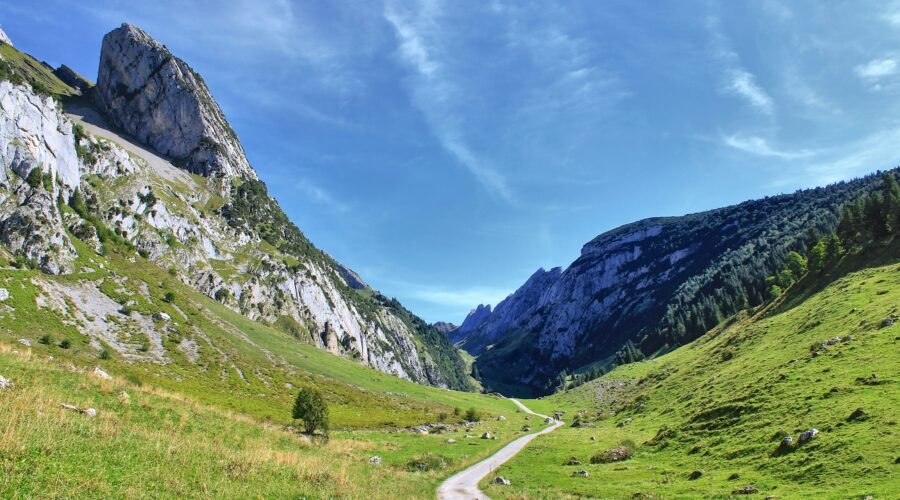
Summer is perfect for outdoor enthusiasts. Take a cable car up Säntis mountain for breathtaking panoramic views, explore the many hiking and biking trails, or enjoy a picnic by Lake Constance (Bodensee), which is a short train ride away. Outdoor festivals and events are common. The city’s fountains and parks provide a welcome respite from the heat.
Autumn (September – November)
Autumn brings a beautiful palette of colors to St. Gallen and a more relaxed atmosphere.
Weather in Autumn
- September: A fantastic month. Temperatures are mild, typically 9°C to 19°C (48°F to 66°F). The foliage starts to change, creating stunning landscapes. Sunny days are common, though mornings can be crisp.
- October: Cooler, with temperatures ranging from 5°C to 13°C (41°F to 55°F). The fall colors are at their peak. Expect more rain, and some days can feel quite chilly.
- November: Significantly colder, averaging 1°C to 7°C (34°F to 45°F). This is a grey month, with frequent fog and drizzle. Snow is possible, especially later in the month.
Crowds in Autumn
- September: Moderate crowds. It’s still popular, but not as overwhelmingly busy as summer. It’s a great time for cultural visits without battling huge throngs.
- October: Low to moderate crowds. Many tourists avoid the cooler, wetter weather, making it a peaceful time to explore.
- November: Low crowds. A quiet time to visit, particularly good for museum visits and enjoying cozy indoor spaces.
Costs in Autumn
- September: Prices start to drop from summer highs but are still moderate. Good value can be found.
- October: Lower prices for flights and accommodation. This can be an excellent month for budget-conscious travelers.
- November: Low prices. One of the cheapest times to visit, outside of deep winter.
Activities in Autumn
Autumn is ideal for enjoying the fall foliage, particularly around the Appenzell region. It’s a great time for scenic drives or walks through vineyards. Visiting the Abbey Library and other indoor attractions is comfortable. Many local harvest festivals take place, offering a taste of regional culture and cuisine.
Winter (December – February)
Winter in St. Gallen is often cold and can be quite snowy, creating a magical, festive atmosphere, especially around Christmas.
Weather in Winter
- December: Cold, with temperatures around -2°C to 4°C (28°F to 39°F). Snowfall is common, transforming the city into a winter wonderland. The Christmas markets add warmth and light.
- January: The coldest month, averaging -3°C to 2°C (27°F to 36°F). Expect frequent snow and icy conditions. Days are short.
- February: Still very cold, similar to January, with temperatures between -3°C to 3°C (27°F to 37°F). Towards the end of the month, there might be hints of spring, with slightly longer daylight hours.
Crowds in Winter
- December: Moderate to high crowds, especially around the Christmas markets and New Year. The festive season draws many visitors.
- January: Low crowds. After the New Year, tourism drops significantly.
- February: Low crowds. A very quiet time, ideal for those seeking solitude and winter sports.
Costs in Winter
- December: Prices for flights and accommodation are high due to the festive season, particularly around Christmas and New Year.
- January: Low prices. Excellent deals can be found.
- February: Low prices. Another good month for budget travelers, especially if you’re interested in winter sports.
Activities in Winter
Winter is perfect for experiencing St. Gallen’s enchanting Christmas markets (Christkindlimarkt). Nearby ski resorts offer opportunities for skiing, snowboarding, and snowshoeing. Ice skating rinks often pop up in the city. Warm up in cozy cafes or explore the city’s museums and galleries. The UNESCO World Heritage-listed Abbey Library is particularly atmospheric on a cold day.
If you’re planning a trip to St. Gallen, Switzerland, you might also find it helpful to explore the best times to visit other destinations in Switzerland. For instance, an insightful article on the best time to visit Gurun, Sivas, discusses the weather, crowds, and costs associated with traveling to that region. You can read more about it by following this link: Best Time to Visit Gurun, Sivas: Weather, Crowds, and Costs.
Best Time for Specific Interests
Your ideal travel time might shift depending on what you want to experience in St. Gallen.
If you’re planning a trip to St. Gallen, Switzerland, you might also find it helpful to explore the best time to visit other beautiful destinations. For instance, the article on the best time to visit Botan Valley in Siirt offers insights into weather patterns, crowd levels, and travel costs that can enhance your travel planning. You can read more about it here. Understanding these factors can help you make the most of your journey and ensure a memorable experience.
For Outdoor Activities
Summer (June-August) is undoubtedly the best for most outdoor pursuits like hiking, biking, and exploring Lake Constance. The weather is reliable, and all trails and cable cars are fully operational. However, late spring (May) and early autumn (September) also offer excellent conditions with fewer crowds and pleasant temperatures for active exploration.
For Cultural Immersion & Sightseeing
Late spring (May-June) and early autumn (September-October) strike the best balance. The weather is comfortable for walking around the Old Town, and the main attractions like the Abbey Library are less crowded than in peak summer. You’ll have a more relaxed experience. Winter (December) is also unique for its festive atmosphere and Christmas markets, offering a different kind of cultural immersion.
For Budget Travelers
Shoulder seasons (April, May, September, October) and off-peak winter months (January, February, November) offer the best value. You’ll find lower prices for flights and accommodation. While the weather might be less predictable, the savings can be significant, allowing you to stretch your budget further. Avoid July and August if cost is a primary concern.
For Avoiding Crowds
November, January, and February are your best bet for a tranquil visit. During these months, you’ll experience St. Gallen without the throngs of tourists. While some outdoor activities might be limited by weather, indoor attractions will be more enjoyable. March also offers low crowds, but the weather can be a bit hit or miss.
Practical Considerations Beyond Season

Beyond the calendar, a few other things can influence your St. Gallen visit.
Public Holidays and Events
Be aware of Swiss public holidays, as many shops and businesses may be closed, and transportation can be busier. Major events like the St. Gallen Festival (usually late June/early July) or various local fairs can significantly impact accommodation availability and prices. Checking a local event calendar before you book is always a good idea.
Local Transportation
St. Gallen has an excellent public transportation system, regardless of the season. However, during heavy snowfall in winter, some bus routes to higher elevations might be affected. Always check local service updates. Summer months might see more crowded trains and buses to popular excursion destinations.
Booking Ahead
Regardless of when you visit, if you’re traveling during a popular period (summer, Christmas, or around major festivals), booking your accommodation and any must-do tours well in advance is highly recommended. This ensures you get your preferred options and potentially better rates. Even during shoulder seasons, booking a month or two out can give you peace of mind.
Final Recommendation

For a well-rounded and enjoyable experience in St. Gallen that balances good weather, manageable crowds, and reasonable costs, aim for late spring (May-June) or early autumn (September-October). These periods offer the best of what St. Gallen has to offer without the intense crowds and premium prices of peak summer. However, St. Gallen is a charming city year-round, and each season has its unique appeal, so choose the time that best aligns with your personal travel priorities.
FAQs
1. What is the best time to visit St. Gallen, Switzerland for favorable weather?
The best time to visit St. Gallen for favorable weather is during the summer months of June to August when the temperatures are mild and the days are longer.
2. When is the peak tourist season in St. Gallen, Switzerland?
The peak tourist season in St. Gallen is during the summer months of June to August when the weather is most favorable.
3. What is the off-peak season in St. Gallen, Switzerland?
The off-peak season in St. Gallen is during the winter months of December to February when the temperatures are colder and there are fewer tourists.
4. When is the best time to visit St. Gallen to avoid crowds?
To avoid crowds, it is best to visit St. Gallen during the shoulder seasons of spring (April to May) and fall (September to October) when the weather is still pleasant but there are fewer tourists.
5. What is the cost of visiting St. Gallen, Switzerland during the peak tourist season?
During the peak tourist season, the cost of visiting St. Gallen may be higher due to increased demand for accommodations and activities. It is advisable to book in advance to secure better prices.