Deciding on the best time to visit Kentucky comes down to whether you prioritize mild hiking weather, world-class equestrian events and bourbon festivals, peak autumn foliage, or off-season budget savings. While the Bluegrass State offers distinct attractions throughout the year, the shoulder seasons of spring and fall provide the most comfortable climate and balanced crowd levels.
Quick Answer
The overall best time to visit Kentucky is during fall (September to October) and spring (April to May). These months deliver comfortable temperatures in the 60s and 70s Fahrenheit, vibrant spring blooms or peak autumn foliage, and premier events like the Kentucky Derby and Keeneland racing meets, all without extreme summer humidity.
Key Takeaways
- Best Weather: May and October offer pleasant daytime highs (65°F–75°F) with lower humidity.
- Peak Foliage: Mid-October in the eastern mountain highlands; late October to early November across central horse country.
- Peak Crowds & High Prices: Kentucky Derby week (early May in Louisville) and summer family vacation months (June to August).
- Best for Budget Travelers: December through February delivers the lowest hotel rates and quietest distillery tours.
Spring (March to May): Wildflowers and Horse Racing
Spring in Kentucky brings vibrant green landscapes as horse farms, rolling pastures, and forested ridges shake off the winter chill. It is one of the most energetic and visually appealing seasons to explore the state.
Pleasant Temperatures for Exploring
Daily average highs climb steadily from the upper 50s in March to the comfortable 70s Fahrenheit by May. This mild climate creates ideal conditions for touring the historic horse farms around Lexington, hiking in the Daniel Boone National Forest, or taking guided walking routes at Mammoth Cave National Park.
Blooming Landscapes and Scenic Drives
Native redbuds and dogwoods blossom across Kentucky’s hillsides from early to mid-spring, followed by dense mountain laurel and rhododendron in the Red River Gorge. Scenic byways like the Old Frankfort Pike and Country Music Highway (U.S. 23) offer picturesque drives through blooming countryside.
Festivals, Keeneland, and Derby Season
Spring is the heartbeat of Kentucky’s thoroughbred horse racing culture. Lexington’s historic Keeneland Race Course hosts its Spring Meet throughout April, offering a classic equestrian tailgating and racing atmosphere. Early May centers on Louisville for the Kentucky Derby at Churchill Downs, accompanied by the multi-week Kentucky Derby Festival featuring steamboat races, airshows, and marathons.
Pro Tip: If you plan to visit Louisville during the first week of May for the Kentucky Derby, reserve hotel accommodations 6 to 12 months in advance. If you want to avoid peak lodging surcharges and heavy traffic, explore the Kentucky Bourbon Trail craft distilleries or eastern state parks during Derby weekend instead.
Crowd Levels and Travel Costs
Outside of Derby week in Louisville, spring sees moderate crowd levels and standard lodging pricing. April and late May are popular for outdoor recreation, so reserving campsite permits and cave tour tickets 3 to 4 weeks in advance is recommended.
Fall (September to November): Peak Foliage and Bourbon Harvest
Autumn is widely considered by locals and frequent travelers to be the premier time to experience Kentucky. Crisp morning air, dry afternoons, brilliant tree canopy colors, and harvest celebrations define the season.
Vibrant Autumn Foliage
Forests covering the Appalachian foothills and Cumberland Plateau begin changing color in late September. Peak foliage typically arrives in the eastern highlands around mid-October, spreading westward through the Bluegrass region and Mammoth Cave by late October and early November. Highlights include driving the Red River Gorge Scenic Byway or hiking to Natural Bridge.
Crisp, Comfortable Weather
Fall brings an end to summer’s heavy humidity. Daytime temperatures average in the mid-60s to low 70s Fahrenheit, dipping into the crisp 40s at night. This stable, dry weather provides optimal conditions for rock climbing in the Gorge, cycling the Legacy Trail, or exploring urban distillery districts.
Harvest Festivals, Bourbon Events, and Fall Meets
September and October feature a dense festival lineup. Bardstown hosts the annual Kentucky Bourbon Festival each September, while Louisville stages massive outdoor music events including Bourbon & Beyond and Louder Than Life. In October, Keeneland opens its Fall Meet, where visitors can watch morning workouts in the mist and wager on championship races.
Autumn Tourism and Budget Planning
Fall is a popular travel period, particularly on October weekends in foliage hotspots and along the Kentucky Bourbon Trail. Distilleries frequently sell out premium tasting tours weeks ahead. Visiting mid-week provides a quieter, more personalized tasting experience and better availability at boutique inns and bed-and-breakfasts.
Summer (June to August): Waterways, Festivals, and Peak Crowds

Summer brings long daylight hours, warm lake waters, and high tourism activity. It is the primary window for family vacations, lake boating, and outdoor concerts.
Warm Weather and Water Adventures
Summer temperatures regularly reach the upper 80s and low 90s Fahrenheit, accompanied by high humidity. Travelers often gravitate toward water-based recreation, such as boating on Lake Cumberland, kayaking the subterranean underground river at Lost River Cave, or paddling the Green River through Mammoth Cave National Park.
Warning: Summer afternoons frequently bring sudden convective thunderstorms and high heat indices. When hiking exposed ridges in Red River Gorge, carry ample hydration and monitor regional radar forecasts closely.
Bustling Peak Tourist Season
School summer breaks make this the busiest tourism period across the state. Family attractions such as the Kentucky Horse Park, the Louisville Slugger Museum & Factory, the Newport Aquarium, and the Ark Encounter see consistent visitor traffic, resulting in longer lines and booked-out tour slots.
Summer Festival Scene
County fairs, food truck rallies, and bluegrass music gatherings fill the summer calendar. Highlights include the Great American Brass Band Festival in Danville (June), the Kentucky State Fair in Louisville (August), and riverfront music series in Paducah and Owensboro along the Ohio River.
Peak Season Rates and Booking Strategies
Accommodation rates and state park cabin rentals hit seasonal peaks between June and August. Secure reservations for popular distillery tours, cave spelunking excursions, and state resort park lodges 2 to 3 months before your trip.
Winter (December to February): Quiet Trails, Low Rates, and Indoor Heritage

Winter in Kentucky offers a tranquil atmosphere, seasonal holiday displays, uncrowded attractions, and significant travel savings for budget-conscious visitors.
Cool Temperatures and Occasional Snow
Daily highs generally range from the upper 30s to mid-40s Fahrenheit, with overnight lows dipping below freezing. Snowfall is typically moderate, averaging 10 to 20 inches annually, with heavier accumulations in the Appalachian mountain passes. Clear winter days provide long-range panoramic views through defoliated forest canopies.
Lowest Rates and Minimal Crowds
Winter represents Kentucky’s official off-peak travel window. Hotels, boutique historic properties, and rental cabins offer their lowest nightly rates. Top attractions operate without heavy crowds, allowing for relaxed self-guided museum tours and unhurried distillery visits.
Holiday Lights, Distillery Tours, and Cave Exploration
Holiday celebrations bring vibrant light displays to the Louisville Mega Cavern (Lights Under Louisville) and the Kentucky Horse Park (Southern Lights). Winter is also prime for indoor cultural exploration, including the Muhammad Ali Center and the Speed Art Museum in Louisville, or the National Corvette Museum in Bowling Green.
Note: Mammoth Cave maintains a steady internal temperature of around 54°F (12°C) year-round. This makes cave touring a comfortable underground escape during freezing winter days as well as humid summer afternoons.
Cozy Off-Season Travel
Winter travel in Kentucky is well-suited for travelers seeking cozy culinary weekends, unhurried bourbon tastings by stone fireplaces, and solitary winter hiking. Be aware that select seasonal attractions and outdoor concessionaires operate on reduced winter hours or close between January and February.
Kentucky Seasonal Comparison Overview
| Season / Months | Average Temperatures | Crowd Levels | Relative Pricing | Key Highlights |
|---|---|---|---|---|
| Spring (March–May) | 55°F–75°F (13°C–24°C) | Moderate (Surge at Derby) | Moderate to Peak | Wildflower blooms, Keeneland Spring Meet, Kentucky Derby |
| Summer (June–August) | 82°F–90°F+ (28°C–32°C+) | High | High | Lakes and waterways, family attractions, outdoor music festivals |
| Fall (Sept–Nov) | 58°F–76°F (14°C–24°C) | Moderate to High | Moderate | Peak foliage, Bourbon Festival, Keeneland Fall Meet |
| Winter (Dec–Feb) | 35°F–48°F (2°C–9°C) | Low | Low | Holiday light trails, uncrowded bourbon tasting, cave tours |
Key Considerations for Planning Your Kentucky Trip
Beyond seasonal weather patterns, aligning your itinerary with major statewide events and regional geography will ensure a seamless trip.
The Kentucky Derby Experience
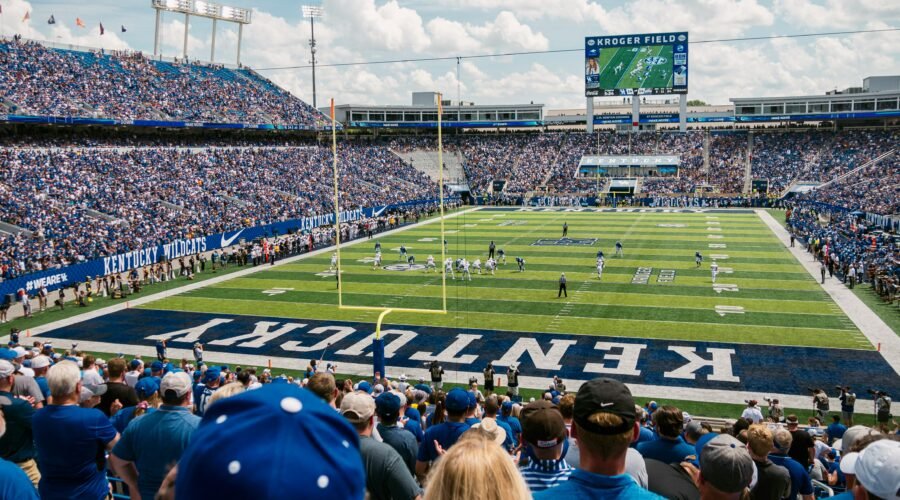
The Kentucky Derby takes place annually on the first Saturday in May at Churchill Downs in Louisville. Attending the race requires purchasing tickets and booking lodging many months in advance, as Louisville hotel room rates often triple. If your itinerary is focused on general sightseeing rather than horse racing, schedule your visit for mid-to-late May to avoid regional congestion.
Planning a Kentucky Bourbon Trail Itinerary
While distilleries operate year-round, spring and fall offer the most enjoyable conditions for touring campuses that involve extensive outdoor walking between rickhouses and still rooms (such as Maker’s Mark in Loretto or Woodford Reserve in Versailles). Booking tour reservations at least 4 to 8 weeks in advance is essential regardless of season.
Outdoor Recreation: Hiking, Climbing, and Caving
For rock climbing and backcountry trekking in Red River Gorge, late spring and mid-autumn provide optimal friction and comfortable trail temperatures. Summer is best reserved for water-based activities along Lake Cumberland or underground tours inside Mammoth Cave, while winter provides quiet trails and clear sightlines through the woods.
Shoulder Season and Mid-Week Budget Strategies
To maximize value, schedule your trip during the shoulder months of April (outside of Derby week) or late October/early November. Booking lodging for Tuesday through Thursday stays regularly unlocks lower nightly rates and ensures higher availability for guided heritage tours and craft distillery experiences across the state.
Frequently Asked Questions
What is the best time to visit Kentucky for favorable weather?
The best months for favorable weather in Kentucky are April, May, September, and October. During these months, average daytime temperatures stay in the pleasant 60s and 70s Fahrenheit with lower humidity, creating ideal conditions for hiking, horse farm tours, and outdoor dining.
When is the peak tourist season in Kentucky?
The peak tourist season spans the summer months from June through August, along with the first week of May during the Kentucky Derby in Louisville. During these windows, popular state parks, distillery tours, and family attractions experience their highest visitor volumes and peak accommodation rates.
What is the off-peak season in Kentucky?
The off-peak season occurs during the winter months from December through February. Winter brings cooler temperatures (30s to 40s Fahrenheit) and occasional snowfall, offering travelers the lowest hotel prices of the year, uncrowded attractions, and quiet distillery tours.
Are there specific festivals or events worth planning a trip around?
Key events include the Kentucky Derby in Louisville (first Saturday in May), the Keeneland Spring and Fall Racing Meets in Lexington (April and October), the Kentucky Bourbon Festival in Bardstown (September), and the Bourbon & Beyond music festival in Louisville (September).
How does travel cost vary throughout the year in Kentucky?
Travel costs peak during the first week of May in Louisville (for the Derby) and throughout summer across major lake resorts. Shoulder seasons (April, May, September, October) offer balanced pricing, while winter (December to February) provides the deepest discounts on lodging and vacation packages.
Sources
- Kentucky Department of Tourism — Official statewide visitor guides, seasonal event calendars, and regional travel itineraries.
- National Park Service: Mammoth Cave — Cave tour schedules, year-round underground microclimate data, and surface trail conditions.
- U.S. Forest Service: Daniel Boone National Forest — Red River Gorge recreation guidelines, wildflower blooms, and foliage management.
- Churchill Downs & Kentucky Derby — Official race schedules, Derby Week events, and ticket reservation timelines.
- NOAA National Centers for Environmental Information — Historical climate normals, seasonal temperature averages, and precipitation records for Kentucky.