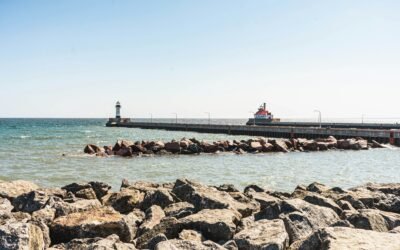
So, when’s the best time to head up to Kugluktuk, Nunavut? If you’re looking for the sweet spot, late July to early August is generally your best bet. This period offers the warmest (relatively speaking!) weather, the most daylight, and a fantastic window for wildlife viewing and outdoor activities. Of course, “best” is subjective, so let’s dig into the details to help you find your ideal travel window.
Kugluktuk operates on a different kind of weather calendar than most. Forget the four distinct seasons of the south; here, it’s more about winter, a short spring/fall transition, and an even shorter summer.
1.1 The Arctic Summer (Late June – Mid-August)
This is what most people aim for. Temperatures genuinely rise above freezing, and the sun is up for a significant portion of the day – sometimes nearly 24 hours in late June and early July.
- Average Temperatures: Expect daytime highs from 10°C to 20°C (50°F to 68°F). Nights can still dip down to 0°C to 5°C (32°F to 41°F).
- What to Expect: Melting snow and ice, blooming tundra flowers, active wildlife (birds nesting, caribou grazing), open waters for boating, and relatively calm winds.
- Drawbacks: Mosquitos can be abundant, especially early in the season and near standing water.
1.2 The Shoulder Seasons (Late May – Mid-June & Mid-August – Late September)
These periods are a bit of a transition. They offer unique experiences but come with their own set of considerations.
- Spring Transition (Late May – Mid-June):
- Average Temperatures: Still quite cold, ranging from -5°C to 5°C (23°F to 41°F).
- What to Expect: Ice breaking up on the ocean and rivers (a spectacular sight), migratory birds returning, potential for late-season Northern Lights viewing as nights get longer. Less buggy than peak summer.
- Drawbacks: Many areas still inaccessible due to ice/snow, some guided tours might not be fully operational yet, limited daylight compared to summer.
- Fall Transition (Mid-August – Late September):
- Average Temperatures: Cooling down considerably, from 0°C to 10°C (32°F to 50°F).
- What to Expect: Tundra colors turning vibrant reds and golds, excellent Northern Lights viewing as nights lengthen, caribou migrations, good fishing opportunities. Fewer mosquitos.
- Drawbacks: Colder, possibility of early snow, shorter days, some tour operators might be winding down.
1.3 The Arctic Winter (October – May)
Unless you’re extremely specialized in winter activities and prepared for serious cold, this isn’t typically the “best” time for a general visit.
- Average Temperatures: Severely cold. October can range from -10°C to -20°C (14°F to -4°F), and deeper winter months (November – March) often see temperatures from -25°C to -40°C (-13°F to -40°F) or even colder with wind chill.
- What to Expect: Frozen landscape, aurora borealis nearly every clear night, dog sledding, snowmobiling, ice fishing, a quiet and stark beauty.
- Drawbacks: Extreme cold, very limited daylight (darkness for most of the day in December/January), potential for blizzards and travel delays, many services may be reduced.
If you’re planning a trip to Kugluktuk, Nunavut, it’s essential to consider not only the best time to visit but also the various activities and experiences available in the region. For more insights on travel tips and recommendations for exploring this unique destination, you can check out the article on Lele Tours, which provides valuable information on local attractions and cultural experiences. For more details, visit Lele Tours.
2. Navigating the Crowds: When Kugluktuk is Most Lively (and Quiet)
“Crowds” in Kugluktuk generally means a few more people on your flight or at the local store, not lines at attractions. The community is small, and even at its busiest, it’s a far cry from any southern tourist hotspot.
2.1 Peak Season Activity (Late July – Early August)
This is when you’ll find the most visitors, mostly those on organized tours, researchers, or government workers.
- What to Expect:
- Increased demand for flights: Flights to Kugluktuk (typically connecting through Yellowknife) are limited, so they fill up quickly in summer. Book well in advance.
- More competition for accommodation: While there aren’t many hotels, what’s available will be booked. Guest houses and B&Bs also see higher traffic.
- Tour operators are busiest: This is prime time for guided excursions like boat tours, fishing trips, and hiking. You’ll have the most options, but also the most demand.
- Community events: Summer often brings local celebrations or sporting events, adding to the vibrancy.
- Impact on Experience: While “crowds” are relative, this is the time when you’re most likely to encounter other visitors. It generally doesn’t detract from the experience due to the vastness of the landscape.
2.2 Shoulder Season Serenity (May/June & September)
If you prefer a quieter experience and don’t mind slightly cooler weather or shorter days, these periods offer a different kind of charm.
- What to Expect:
- Fewer visitors: You’ll likely have flights and local amenities more to yourself.
- More availability: Accommodation might be easier to secure, potentially at slightly lower rates (though this is less common in the North).
- Specific experiences: May/June is great for watching the ice break up. September is prime for fall colors and aurora viewing without extreme cold.
- Impact on Experience: A more solitary feel, a stronger connection to the natural environment without as many other people around.
2.3 Winter’s Embrace (October – April)
This is the quietest time, with only essential travelers or dedicated winter adventurers.
- What to Expect:
- Minimal tourist presence: You might be the only visitor in town.
- Limited services: Some tour operators may not be running, or their offerings will be winter-specific (e.g., snowmobiling, dog sledding).
- Challenging travel: Flights can be delayed or cancelled due to weather.
- Impact on Experience: An incredibly serene, stark, and deeply immersive experience for those prepared for it. It feels very remote and authentic.
3. The Cost Factor: A Real Talk About Arctic Travel
Let’s be upfront: traveling to Kugluktuk, and the Arctic in general, is expensive. There’s no way around that. The best time to visit often aligns with the most expensive time, but understanding the breakdown can help manage expectations.
3.1 Flights: The Biggest Chunk (Any Time of Year)
Airfare is usually the most significant portion of your budget.
- Routes: You’ll typically fly from a major southern city to Yellowknife (YZF), and then connect to Kugluktuk (YCO). There are no direct flights from outside the North.
- Cost Drivers: Remote location, limited carriers, specialized aircraft, and unpredictable operational costs.
- Peak Season Impact: Flights are highest in demand, so while the base price is already high, booking last-minute in summer can be prohibitively expensive. Book AT LEAST 6 months in advance for summer travel.
- Shoulder/Winter Season Impact: While demand is lower, flight prices don’t necessarily drop dramatically due to the fixed high operating costs. Availability might be better, however.
- Rough Estimate: Expect round-trip airfare from Yellowknife to Kugluktuk to be anywhere from $1,200 to $2,500 CAD, sometimes more, even for a short flight. Flights from southern Canada to Yellowknife are additional.
3.2 Accommodation: What to Expect
Options are limited, meaning they command higher prices.
- Types: Guesthouses, small hotels, and occasionally B&Bs. Don’t expect chain hotels or budget options.
- Cost Drivers: High cost of supplies, shipping, and labor in the North.
- Peak Season Impact: Higher demand, meaning full bookings and no room for negotiation. Book early.
- Shoulder/Winter Season Impact: You might find slightly more availability, but prices aren’t likely to fluctuate significantly.
- Rough Estimate: Budget $200 – $400+ CAD per night for a basic room.
3.3 Food and Groceries: Plan Accordingly
Everything needs to be flown or shipped in, and that cost is passed on to you.
- Restaurant Options: Limited. There might be one or two small operations, often with limited hours or specialized fare. Expect home-style cooking.
- Grocery Stores: Kugluktuk has at least one grocery store, but selections are smaller and prices are significantly higher than in the South.
- Cost Drivers: Transportation costs are extreme.
- Rough Estimate: A basic restaurant meal could easily be $30 – $50 CAD. Groceries will be 2-3 times what you pay down South. Consider bringing some non-perishable snacks or specialized dietary items with you.
3.4 Activities and Tours: Essential for Experience
To truly experience Kugluktuk, you’ll likely want a guided tour, especially if you’re not an experienced Arctic traveler.
- Types: Boat tours for wildlife, fishing charters, cultural experiences, hiking guides, snowmobiling, dog sledding (winter).
- Cost Drivers: Specialized equipment, guides’ expertise, fuel, insurance, remote logistics.
- Peak Season Impact: Most tour operators are fully operational, offering the widest range of activities. Book well in advance.
- Shoulder/Winter Season Impact: Some operators might have reduced offerings or require minimum group sizes.
- Rough Estimate: Day trips can range from $300 – $1000+ CAD per person, depending on the activity and duration. Multi-day excursions will be significantly more.
3.5 Overall Budgeting Advice
- Buffer, Buffer, Buffer: Always add a significant buffer (20-30%) to your estimated costs for unexpected delays, extra purchases, or emergency flights.
- Book Early: Especially for flights and summer accommodation/tours.
- Be Flexible: Arctic travel can be unpredictable. Weather delays are common. Building in extra days at the beginning or end of your trip can save stress.
4. Activities and Experiences Throughout the Year
The “best” time often depends on what you want to do. Here’s a breakdown by season.
4.1 Summer Adventures (Late June – Mid-August)
This is when the land truly comes alive.
- Wildlife Viewing:
- Birds: Millions of migratory birds return to nest. Great for birdwatchers.
- Caribou: Herds can be seen grazing on the tundra.
- Seals & Whales: In the Coronation Gulf (if accessible by boat), you might spot ringed seals, bearded seals, and occasionally beluga whales.
- Boating & Fishing: The ocean and rivers are free of ice, opening up possibilities for sport fishing (Arctic char is prolific) and coastal exploration.
- Hiking & Tundra Walks: Explore the vibrant tundra, discover unique Arctic flora, and enjoy the endless daylight.
- Paddleboarding/Kayaking: If you have the right gear and experience, exploring calm waters can be beautiful.
- Camping: With proper gear and permits, wilderness camping is an option, offering true immersion.
4.2 Shoulder Season Highlights (May/June & September)
These periods offer unique natural phenomena.
- Ice Breakup (Late May – Mid-June): Witnessing the massive ice floes break apart and move is a powerful, unforgettable experience.
- Bird Migration (May/June & September): See birds arriving in spring or preparing to depart in fall.
- Autumn Colours (September): The tundra erupts in fiery reds, oranges, and yellows – a photographer’s dream.
- Northern Lights (September): As the nights lengthen and temperatures are still manageable, September is excellent for aurora viewing.
4.3 Winter Wonders (October – April)
For the truly adventurous and well-prepared.
- Aurora Borealis (October – April): If the skies are clear, the Northern Lights are a near-daily spectacle of incredible intensity.
- Dog Sledding: Experience traditional Inuit transportation, gliding across the frozen landscape.
- Snowmobiling: Cover vast distances and explore frozen rivers and plains.
- Ice Fishing: Try your hand at fishing through the ice for Arctic char.
- Photography: The stark, snow-covered landscape and endless twilight offer unique opportunities.
If you’re planning a trip to Kugluktuk, Nunavut, understanding the best time to visit is essential for making the most of your experience. For insights on how to navigate the various factors like weather, crowds, and costs, you might find it helpful to explore a related article that discusses the importance of thorough product reviews in travel planning. This can enhance your journey by ensuring you choose the right activities and accommodations. To learn more about effective travel planning, check out this informative piece on how we review products.
5. Practical Advice for Any Visit
| Month | Weather | Crowds | Costs |
|---|---|---|---|
| June | Mild temperatures, long days | Low | Medium |
| July | Warmer temperatures, peak of summer | Low to Medium | Medium |
| August | Mild temperatures, decreasing daylight | Low | Medium |
| September | Cooling temperatures, start of fall | Low | Low |
No matter when you go, a trip to Kugluktuk requires careful planning and a flexible mindset.
5.1 Dress in Layers
This is the golden rule of Arctic travel. Temperatures can change rapidly, and layering allows you to adapt.
- Base Layer: Moisture-wicking material (not cotton).
- Mid-Layers: Fleece or wool for insulation.
- Outer Layer: Windproof, waterproof jacket and pants.
- Accessories: Warm hat (essential, even in summer), gloves/mittens, warm socks, sturdy waterproof boots. In winter, serious expedition-grade outerwear is necessary.
5.2 Respect Local Culture
Kugluktuk is an Inuit community. Be mindful and respectful.
- Ask Before Photographing: Always ask permission before taking photos of people.
- Learn a Few Words: Even a simple “qujannamiik” (thank you) in Inuinnaqtun can go a long way.
- Understand Local Customs: Your guide can provide insights.
- Support Local: Buy from local artists, take tours from local operators.
5.3 Be Prepared for the Unexpected
Travel in the Arctic is subject to the elements.
- Delays: Weather can cause flight delays or cancellations. Build in buffer days.
- Limited Services: Be aware that medical facilities are basic, and specialized services are limited. Travel insurance is highly recommended.
- Wildlife Safety: Carry bear spray and know how to use it if venturing into the wilderness. Listen to local advice about wildlife encounters.
5.4 Sustainable Travel
Minimize your impact on this fragile environment.
- Leave No Trace: Pack out everything you pack in.
- Respect Wildlife: Keep a respectful distance, never feed animals.
- Conserve Resources: Water and energy are precious in remote communities.
In conclusion, while late July to early August offers the most accessible and generally pleasant conditions for a first-time visitor, Kugluktuk holds unique allure in its shoulder seasons for aurora viewing, fall colors, or the dramatic ice breakup, and for the truly intrepid, a profoundly powerful winter experience. Your “best” time comes down to your priorities concerning weather, crowd levels, and specifically what adventures you seek. Just remember to plan meticulously, budget generously, and prepare for an unforgettable journey to Canada’s North.
FAQs
1. What is the best time to visit Kugluktuk, Nunavut in terms of weather?
The best time to visit Kugluktuk, Nunavut is during the summer months of June to August when the weather is milder with temperatures ranging from 5°C to 15°C. This is also the time when the sun shines for almost 24 hours a day, providing ample daylight for outdoor activities.
2. When is the best time to visit Kugluktuk, Nunavut to avoid crowds?
To avoid crowds, it is best to visit Kugluktuk, Nunavut during the shoulder seasons of spring (April to May) and fall (September to October). During these times, the tourist traffic is lower, allowing for a more peaceful and intimate experience of the region.
3. What is the best time to visit Kugluktuk, Nunavut to save on costs?
Visiting Kugluktuk, Nunavut during the shoulder seasons of spring (April to May) and fall (September to October) can help save on costs as accommodations and tour prices are generally lower compared to the peak summer months.
4. What is the weather like in Kugluktuk, Nunavut during the winter months?
During the winter months of December to February, Kugluktuk, Nunavut experiences extremely cold temperatures, often dropping below -30°C. The region also experiences limited daylight during this time, with only a few hours of sunlight each day.
5. What are the main activities to do in Kugluktuk, Nunavut during the best time to visit?
During the best time to visit Kugluktuk, Nunavut, visitors can enjoy activities such as hiking, wildlife viewing, fishing, and cultural experiences with the local Inuit community. Additionally, the summer months offer opportunities for boating and kayaking along the Coppermine River and the Arctic Ocean.