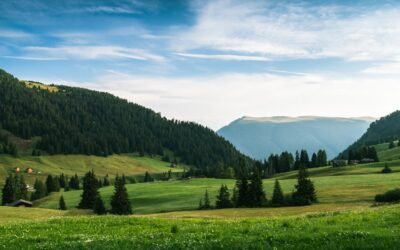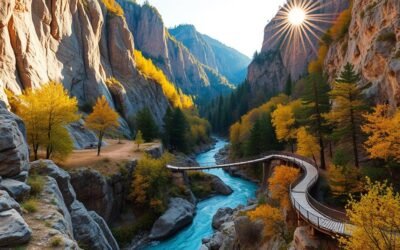
So, you’re thinking about a trip to Tunceli? Great choice! When’s the best time to go, you ask? To boil it down: late spring (May-June) and early autumn (September-October) are generally your sweet spots. You’ll get pleasant weather, fewer crowds than peak summer, and reasonable prices.
Now, let’s dive into the details so you can plan your perfect visit.
Tunceli, nestled in Eastern Anatolia, experiences a continental climate. This means distinct seasons, often with noticeable temperature swings. You’ll find hot, dry summers, cold and snowy winters, and relatively short, mild transitional periods.
Summer (June – August)
Summer in Tunceli can be genuinely hot. While the daytime temperatures soar, it’s a dry heat, which some find more tolerable than humid climates.
- Temperatures: Expect daily highs often in the 30-35°C (86-95°F) range, sometimes even pushing higher. Nights are generally cooler and more pleasant, dropping to 15-20°C (59-68°F).
- Sunshine: Long, sunny days are the norm. You’ll have plenty of daylight for exploring.
- Rainfall: Very minimal. Summer is the driest season.
- What to Expect: Best for water activities in the Munzur Valley, hiking in the cooler early mornings or late afternoons, and enjoying outdoor cafes in the evening.
Autumn (September – November)
Autumn is arguably one of the most beautiful times in Tunceli. The landscape transforms with vibrant fall colors, and the air crispness is invigorating.
- Temperatures: September is still quite warm, with highs around 25-30°C (77-86°F), gradually cooling to 15-20°C (59-68°F) by October. November sees cooler temperatures, averaging 5-10°C (41-50°F) during the day.
- Sunshine: Plenty of sunshine in early autumn, diminishing as you get closer to winter.
- Rainfall: Moderate, increasing towards late autumn.
- What to Expect: Excellent for hiking, enjoying the stunning scenery, and visiting historical sites without the summer heat. The changing foliage is a photographer’s dream.
Winter (December – February)
Winter in Tunceli means cold, snow, and sometimes difficult travel conditions. If you’re into winter sports or don’t mind bundling up, it can be a unique experience.
- Temperatures: Daily highs often hover around 0-5°C (32-41°F), frequently dropping below freezing at night.
- Snowfall: Significant snowfall is common, especially in the higher elevations. Roads can be affected.
- What to Expect: Winter sports (if facilities are available or you’re experienced in backcountry), cozying up indoors, and experiencing a truly “winter wonderland” feel. Be prepared for potential travel delays due to snow.
Spring (March – May)
Spring breathes new life into Tunceli. The snow melts, rivers swell, and wildflowers bloom across the landscape.
- Temperatures: March can still be chilly, with highs around 5-10°C (41-50°F). April sees a pleasant climb to 15-20°C (59-68°F), and May often hits 20-25°C (68-77°F).
- Sunshine: Increasingly sunny days as spring progresses.
- Rainfall: Moderate to heavy, especially in April and May, as the snow melts and spring showers occur.
- What to Expect: Ideal for witnessing the natural beauty of the region, rafting on the Munzur River (especially in late spring when water levels are high), and exploring the burgeoning flora.
Crowds and Atmosphere
The number of visitors in Tunceli can impact your experience, from how busy attractions are to the overall vibe of the town.
Peak Season: Summer
Given its natural beauty, summer does see an uptick in domestic tourists, especially in July and August.
- Who it Attracts: Families on school holidays, people looking to escape city heat elsewhere in Turkey, and those drawn to water activities.
- What it Means for You: Munzur Valley’s popular spots (like Munzur Gözeleri) can get quite busy, especially on weekends. Accommodation might require booking a bit more in advance. Restaurants and cafes will be livelier.
Shoulder Seasons: Late Spring & Early Autumn
These are generally the sweet spots for most visitors.
- Late Spring (May-June): The weather is beautiful, and the crowds are noticeable but definitely manageable. You’ll find a good balance of activity without feeling overwhelmed.
- Early Autumn (September-October): Similar to late spring, with comfortable temperatures and fewer large tour groups. The local town bustling, but not overly crowded.
- What it Means for You: Easier to get around, more relaxed atmosphere at attractions, and generally no issues finding accommodation or dining options.
Off-Season: Winter & Early Spring
These months see the fewest tourists.
- Winter (December-February): Tunceli is very quiet. Many smaller businesses catering to tourism might have reduced hours or even close.
- Early Spring (March-April): Still relatively quiet, though you’ll start to see more locals venturing out as the weather improves.
- What it Means for You: A more authentic, local experience, but with fewer tourist-oriented services. Some roads to higher elevation attractions might be closed due to snow. If you enjoy solitude, this could be for you.
Cost Considerations
Your wallet can breathe easier or feel a bit lighter depending on when you travel. Tunceli isn’t a super expensive destination compared to Turkey’s major tourist hubs, but there are still fluctuations.
Accommodation Prices
- Peak Season (Summer): Expect a slight increase, maybe 10-20% on average, for hotels and guesthouses. Demand is higher, especially for places near the Munzur Valley.
- Shoulder Seasons (Late Spring/Early Autumn): Prices are generally stable and reasonable. You’ll have good availability and can often find deals.
- Off-Season (Winter/Early Spring): This is when you’ll find the lowest rates. Many places might offer discounts to attract the few visitors.
Flights and Transportation
- Flights: If you’re flying into Elazığ (EZS), which is the nearest major airport, prices tend to be higher during peak summer travel periods (late June-August) and around national holidays. Booking well in advance is always a good strategy regardless of the season.
- Buses: Intercity bus travel to Tunceli is generally consistent in price throughout the year, with minor fluctuations around major holidays.
- Car Rental: Similar to accommodation, car rental prices might see a small bump in demand during summer, but generally remain stable.
Activities and Dining
- Activities: Most entrance fees to natural parks or historical sites are fixed and don’t change with the seasons. Activities like rafting or guided hikes might be seasonal, with their operational periods coinciding with the shoulder and peak seasons.
- Dining: Restaurant prices are quite stable year-round. Tunceli offers good value for food. You won’t find significant seasonal price increases.
Best Times for Specific Activities
Depending on what you want to do, certain times of the year simply work better.
Hiking and Trekking
- Best Time: Late spring (May-June) and early autumn (September-October). The temperatures are perfect, the landscapes are lush or vibrant with fall colors, and most trails are accessible.
- Considerations: Summer can be too hot for strenuous midday hikes. Winter brings snow, limiting access to many trails and requiring specialized gear/experience. Early spring can be muddy.
Munzur River Rafting / Water Sports
- Best Time: Late spring (May) and early summer (June). This is when the snowmelt increases water levels, making for exciting rafting conditions.
- Considerations: Later in summer, water levels can drop significantly, making rafting less thrilling or even impossible in some sections. Check with local operators for current conditions.
Photography and Scenery
- Best Time: Early autumn (September-October) for the stunning fall foliage, and late spring (May-June) for wildflowers and lush green landscapes.
- Considerations: Winter offers dramatic snowscapes, but access to some scenic spots might be challenging. Summer provides clear skies but less color variation.
Cultural Exploration
- Best Time: Shoulder seasons (late spring/early autumn) generally, as the weather is agreeable for walking around towns, visiting historical sites, and attending local festivals (if any are planned).
- Considerations: Summer can be hot for extensive daytime exploration. Winter means fewer outdoor events but opportunities for cozy indoor cultural experiences.
National and Religious Holidays
| Month | Weather | Crowds | Costs |
|---|---|---|---|
| April – June | Mild temperatures, little rainfall | Low to moderate | Moderate |
| July – August | Hot temperatures, low rainfall | High | High |
| September – October | Mild temperatures, little rainfall | Low to moderate | Moderate |
Turkey observes several national and religious holidays. These can impact your travel plans, regardless of the region.
National Holidays
- April 23 (National Sovereignty and Children’s Day): A public holiday.
- May 1 (Labor and Solidarity Day): A public holiday.
- May 19 (Commemoration of Atatürk, Youth and Sports Day): A public holiday.
- July 15 (Democracy and National Unity Day): A public holiday.
- August 30 (Victory Day): A public holiday.
- October 29 (Republic Day): A major public holiday.
- What to Expect: Banks, government offices, and some businesses will be closed. Transportation hubs (airports, bus stations) can be busier in the days leading up to and immediately after long holiday weekends. Accommodation might book up faster in popular areas.
Religious Holidays (Dates Vary Annually)
There are two main religious holidays:
- Ramadan Eid (Ramazan Bayramı / Şeker Bayramı): A three-day feast marking the end of the Islamic holy month of Ramadan.
- Sacrifice Eid (Kurban Bayramı): A four-day feast.
- What to Expect: These are major family holidays. Many people travel to visit relatives, leading to very crowded roads, airports, and bus stations. Most businesses, including restaurants and shops, may be closed for part or all of the holiday, though tourist-oriented establishments in highly frequented areas usually operate. Tunceli, being more of a local destination, might see more closures than, say, Istanbul. Check specific dates each year as they shift according to the Islamic lunar calendar.
In Summary: When to Go
- For the best overall experience (weather, crowds, costs): Aim for May-June or September-October. You’ll strike a good balance.
- If you love hot weather and water activities: July-August is your window, but be prepared for more people.
- If you seek solitude and don’t mind the cold/snow: December-February offers a unique, quiet perspective.
- If you’re on a tight budget: The off-season (winter) will generally offer the lowest accommodation prices.
No matter when you choose to visit, Tunceli’s natural beauty and distinctive culture are sure to leave a lasting impression. Just pick the season that aligns best with what you’re hoping to experience.
FAQs
1. What is the best time to visit Tunceli in terms of weather?
The best time to visit Tunceli is during the summer months of June, July, and August when the weather is warm and dry, with average temperatures ranging from 20°C to 30°C.
2. When is the peak tourist season in Tunceli?
The peak tourist season in Tunceli is during the summer months, particularly in July and August, when the weather is most favorable for outdoor activities and sightseeing.
3. When is the off-peak season in Tunceli?
The off-peak season in Tunceli is during the winter months of December, January, and February, when the weather is cold and snowy, and outdoor activities are limited.
4. What are the average costs for visiting Tunceli during the peak season?
During the peak season, the average costs for visiting Tunceli, including accommodation, dining, and activities, may be higher due to increased demand from tourists.
5. When is the best time to visit Tunceli to avoid crowds and high costs?
To avoid crowds and high costs, consider visiting Tunceli during the shoulder seasons of spring (April and May) and fall (September and October), when the weather is still pleasant and the tourist crowds are thinner.