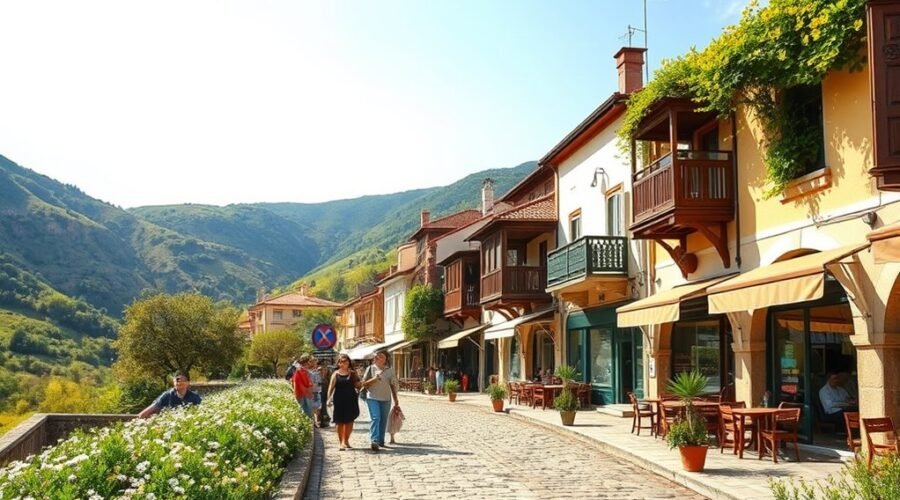
Osmaniye is easiest to explore when the weather is warm without reaching the strongest summer heat. For most sightseeing trips, April–May and October offer the best balance. Early June and late September can also work, but daytime temperatures are noticeably hotter. Your ideal month depends on whether you prioritize archaeological sites, hiking, quiet streets, or the driest weather.
Quick Answer
The best time to visit Osmaniye is usually April through May or October. These months avoid the strongest midsummer heat while still offering pleasant conditions for archaeological sites and outdoor sightseeing. Early June and late September are also good options if you do not mind warmer afternoons.
Key Takeaways
- Best overall: April–May and October for milder sightseeing weather.
- Warm shoulder-season option: early June and late September, especially if you start outdoor activities early.
- Hottest period: July and August, when average daytime highs are roughly 34°C.
- Cooler, wetter period: December through March, so keep plans flexible.
- Budget planning: compare live hotel and transport prices rather than assuming one month is always cheapest.
Quick Verdict: Best Months to Visit Osmaniye
If your priority is comfortable sightseeing, April, May, and October are the strongest choices. According to the Turkish State Meteorological Service, Osmaniye’s average daytime high is about 23.8°C in April, 27.9°C in May, and 28.3°C in October.
June and September are still useful travel months, but they are warmer than many generic travel guides suggest. Average highs reach about 31.4°C in June and 32.3°C in September. If you visit during either month, schedule exposed archaeological sites and longer walks for the morning.
July and August are the hottest part of the year. Average highs are approximately 33.7°C and 34.4°C, while rainy days are uncommon. That can suit travelers who prefer dry weather, but it is less comfortable for long periods at open archaeological sites.
For most travelers, Osmaniye’s best balance is not the driest month—it is the period when you can comfortably spend several hours outside.
Warning: Do not treat September as a cool month. Its long-term average daytime high is still above 32°C. Carry water, use sun protection, and move strenuous outdoor plans to the cooler part of the day.
Month-by-Month: What to Expect in Osmaniye
The table below uses Osmaniye climate observations published by the Turkish State Meteorological Service for the 1986–2025 measurement period. These are long-term averages, not a forecast for your exact travel dates.
| Month | Avg. High | Avg. Low | Avg. Rainy Days | Travel Feel |
|---|---|---|---|---|
| January | 14.8°C | 3.7°C | 9.4 | Cool and relatively wet |
| February | 16.2°C | 4.7°C | 8.6 | Cool, quiet, changeable |
| March | 19.2°C | 7.4°C | 10.2 | Mild but among the wetter months |
| April | 23.8°C | 11.1°C | 9.2 | Excellent for sightseeing |
| May | 27.9°C | 15.0°C | 7.5 | Warm and very practical |
| June | 31.4°C | 19.1°C | 3.3 | Hotter and drier |
| July | 33.7°C | 22.6°C | 1.4 | Very hot and dry |
| August | 34.4°C | 23.3°C | 1.2 | Hottest period |
| September | 32.3°C | 19.6°C | 3.1 | Still hot, especially early in month |
| October | 28.3°C | 14.5°C | 6.4 | One of the best months |
| November | 21.9°C | 8.5°C | 6.9 | Cooler with more weather risk |
| December | 16.5°C | 5.2°C | 8.8 | Cool and wetter |
January–February: Expect cool days and chilly mornings or evenings. These months suit travelers who prefer quieter sightseeing and do not mind building flexibility around rain.
March–April: Temperatures rise quickly. March remains relatively wet, while April offers one of the year’s most comfortable combinations for walking and archaeological sightseeing.
May: Days are noticeably warmer, but May remains one of the most practical months for combining town sightseeing with longer outdoor stops.
June–August: Osmaniye becomes hot and dry. June can still work with early starts, but July and August are better for travelers comfortable with strong heat.
September–October: September is still hot, while October brings a more comfortable drop in daytime temperature. For many visitors, October is the best autumn choice.
November–December: Temperatures fall and wetter weather returns. These months can suit flexible, lower-key trips, but outdoor plans are more weather-dependent.
Best Months for Outdoor Activities and Sightseeing in Osmaniye
For archaeological sites, walking, picnics, and general outdoor sightseeing, prioritize April–May and October. These months give you a better chance of spending several hours outside without the strongest midsummer heat.
One of Osmaniye’s major attractions is Karatepe-Aslantaş Open-Air Museum, a Late Hittite site in the Kadirli district. The surrounding Karatepe-Aslantaş National Park combines archaeological remains, wooded scenery and the Aslantaş reservoir area.
The inscriptions at Karatepe-Aslantaş received additional international recognition when they entered UNESCO’s Memory of the World International Register in 2025. This recognition applies to the inscriptions; it should not be confused with inscription of the archaeological site itself on the UNESCO World Heritage List.
Kastabala-Hierapolis, roughly 12 km north of central Osmaniye according to the provincial tourism authority, is another important archaeological stop. Because parts of the site are exposed to the sun, mild months or morning visits are more comfortable than midsummer afternoons.
Pro Tip: If your trip falls in June or September, put open archaeological sites first in your day. Save meals, shaded stops and shorter city activities for the hotter afternoon hours.
If hiking or nature time is your main goal, remember that conditions can vary between Osmaniye city and higher ground. Check the local forecast for the exact district or trail area rather than relying only on the city-center temperature.
Cheapest, Least Crowded Months in Osmaniye
There is no reliable public dataset showing that one Osmaniye month is always the cheapest for hotels or transportation. Prices change with booking lead time, weekends, holidays, local events and demand, so a fixed statement such as “November is cheapest” can quickly become wrong.
That said, March and November are sensible months to compare if your priority is value rather than perfect weather. Both sit outside the hottest summer period, but each comes with a greater chance of rain than June through September.
You can improve your odds of finding a better deal by comparing several dates, checking midweek stays against weekends, and avoiding major holiday or event periods. If you are flying, compare the total trip cost rather than airfare alone because airport transfers and onward transport also matter.
Note: Festival and public-event dates can change from year to year. If an event is important to your trip, confirm the current schedule with the Osmaniye Provincial Directorate of Culture and Tourism before booking nonrefundable travel.
Which Month Is Best for Your Type of Trip?
Your ideal month depends on what you want to do rather than on one universal “best” date.
- General sightseeing: April, May or October.
- Archaeological sites: April or October for milder daytime conditions.
- Outdoor trips: April–May and October; early June or late September if you tolerate heat.
- Dry-weather priority: July and August, with the trade-off of much hotter afternoons.
- Quiet, cooler travel: January or February, provided you are comfortable with wetter and chillier conditions.
- Value hunting: Compare March and November live rates instead of assuming either month will always be cheapest.
Late May is a strong compromise if you want warm weather without July–August conditions. October is the best autumn alternative for most walkers and sightseers because daytime temperatures have fallen noticeably from September.
If culture or a particular festival is your main reason for visiting, reverse the process: confirm the event date first, then plan your weather strategy around it. Osmaniye’s official tourism pages publish current announcements rather than guaranteeing the same festival schedule every year.
Practical Planning for Your Osmaniye Trip
Getting to Osmaniye
For air travelers, Çukurova International Airport is a major regional gateway serving the wider Çukurova area. The airport’s official transportation information lists HAVAMAŞ services connecting the airport with Osmaniye as well as other regional destinations.
Check current shuttle times before travel because schedules can change. Once you are in Osmaniye, reaching outlying archaeological and nature sites may require a taxi, minibus, rental car, tour or another pre-arranged transport option depending on your destination.
What to Pack by Season
- April–May: breathable daytime clothing, a light evening layer, sun protection and a compact rain layer.
- June–September: lightweight clothing, a hat, sunscreen and enough drinking water for exposed outdoor stops.
- October: light clothing for warm afternoons plus a layer for cooler mornings and evenings.
- November–March: warmer layers and rain protection.
Food to Try in Osmaniye
Osmaniye’s official tourism authority highlights a cuisine built heavily around bulgur. Local dishes include içli köfte, tırşik, toğga, batırık, bulgur pilavı and etli kömbe. The province is also strongly associated with locally produced peanuts and peanut products.
If food is important to your trip, ask restaurants what is prepared locally or seasonally rather than assuming every dish common across southern Türkiye is specifically an Osmaniye specialty.
Frequently Asked Questions
Is public transportation reliable within Osmaniye city?
Local transport is available, but do not assume ordinary city routes will conveniently reach every archaeological or nature attraction. For outlying places such as Karatepe-Aslantaş, check current transport options before leaving and consider a taxi, minibus, rental car or organized transfer when needed.
Are English speakers common in Osmaniye?
Do not assume English will be widely spoken in every shop, restaurant or transport setting. A translation app, saved Turkish place names and a few basic Turkish phrases can make independent travel easier.
What local dishes should I try in Osmaniye?
Look for documented regional specialties such as içli köfte, tırşik, toğga, batırık, bulgur pilavı and etli kömbe. Osmaniye is also strongly associated with peanuts, so locally made peanut snacks and sweets are worth trying.
Is tap water safe to drink in Osmaniye?
Water quality can vary by building, supply conditions and time, so a blanket yes-or-no answer is not reliable without current local test data. Ask your accommodation about the present supply. If you are uncertain about taste or quality, use sealed bottled water or appropriately filtered water for drinking.
Are there medical facilities for tourists in Osmaniye?
Healthcare services are available in Türkiye, but facility capabilities, language support and waiting times can vary. Carry travel insurance details and any essential medicine. For an emergency anywhere in Türkiye, call 112, the country’s unified emergency number.
Is Osmaniye too hot to visit in summer?
You can visit in summer, but July and August are the least comfortable months for long exposed walks. Average daytime highs are about 33.7°C in July and 34.4°C in August. Start sightseeing early, use sun protection and plan breaks during the hottest part of the day.
Is September a good month to visit Osmaniye?
Yes if you enjoy hot, mostly dry weather, but September is not yet a cool autumn month. Its long-term average daytime high is about 32.3°C. Late September is generally a better choice than early September for travelers who want to spend more time outside.
Which airport should I use for Osmaniye?
Çukurova International Airport is a current regional gateway for the Çukurova area. Official airport information lists HAVAMAŞ transport between the airport and Osmaniye. Check the latest timetable and your airline’s schedule before booking.
Conclusion
For most travelers, the best time to visit Osmaniye is April–May or October. April offers the mildest spring sightseeing conditions, May is warmer but still practical, and October provides a comfortable alternative after the heat of September. Early June and late September can also work if you plan outdoor activities for cooler hours.
If you prefer very dry weather and tolerate heat well, July and August remain possible, but they are less comfortable for exposed archaeological sites. For a quieter or potentially lower-demand trip, compare live prices in March or November while allowing for more variable weather.
Whatever month you choose, build your itinerary around Osmaniye’s strongest reasons to visit: Karatepe-Aslantaş, Kastabala, the surrounding natural areas, and regional food. Check the current forecast, transport schedule and event calendar shortly before departure rather than relying on fixed seasonal promises.
Sources
- Turkish State Meteorological Service — Osmaniye Climate Statistics — monthly temperature, rainfall and rainy-day averages.
- Osmaniye Provincial Directorate of Culture and Tourism — Museums and Archaeological Sites — Karatepe-Aslantaş and regional heritage information.
- Osmaniye Provincial Directorate of Culture and Tourism — Protected Areas — Karatepe-Aslantaş National Park and outdoor attractions.
- Osmaniye Provincial Directorate of Culture and Tourism — What to Eat — documented Osmaniye dishes and regional cuisine.
- UNESCO — Karatepe-Aslantaş Inscriptions — 2025 Memory of the World registration.
- Çukurova International Airport — Transportation — current regional airport and Osmaniye shuttle information.