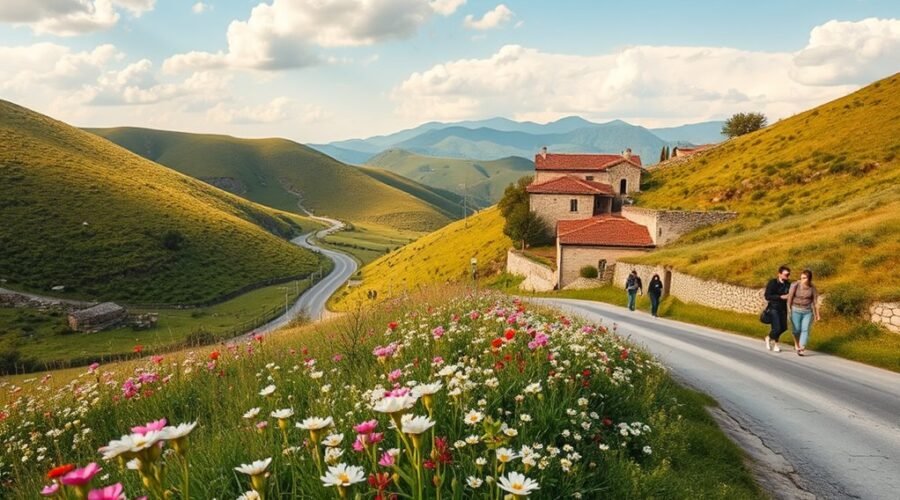
You’ll find Kadirli best in late spring or early autumn, when days are warm and clear and evenings cool enough to linger outside; those months cut down on summer crowds and high prices, too. Picture hiking between olive groves, wandering a quiet market, and exploring archaeological sites without the peak‑season rush. Keep going to see how each season shapes weather, costs, crowds and practical tips so you can choose what matters most for your trip.
Key Takeaways
- May–October offers the best balance of comfortable weather, steady tourist services, and lively evenings.
- April–June and September–October provide mild days, cool evenings, layered clothing needs, and moderate crowds.
- June–September brings hot daytime temperatures, thinner midday visitors, and bustling summer evenings.
- Winter has the lowest prices, quiet streets, and selective attractions, ideal for budget-minded, reflective travelers.
- Book spring and autumn lodgings early; hunt last‑minute winter deals and reserve summer transport well in advance.
Best Time to Visit Kadirli (Quick Verdict)
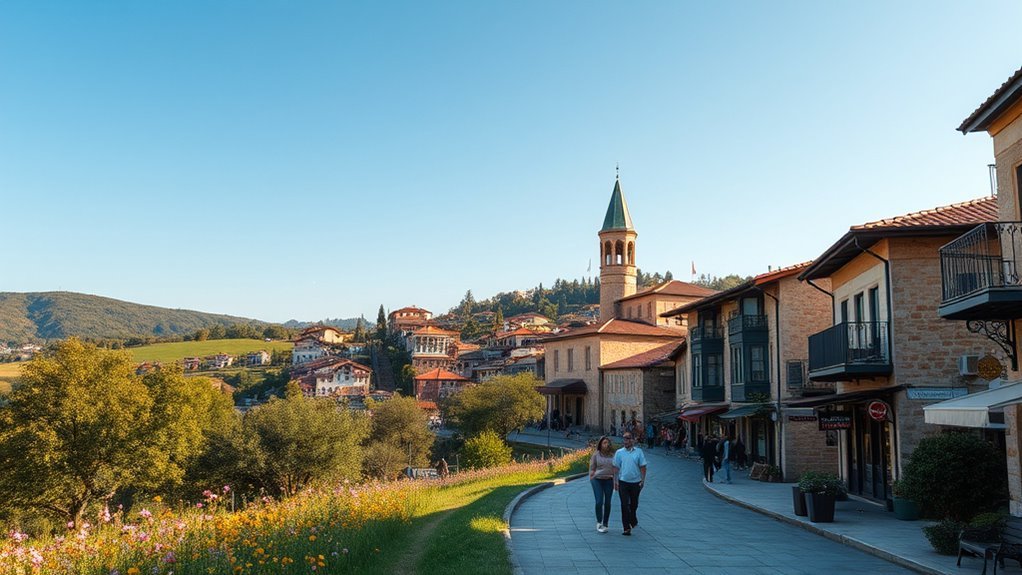
If you want mild weather and lively local scenes, visit Kadirli between April–June or September–October, when temperatures stay comfortable and rainfall is low enough for exploring outdoor sites without the summer heat.
You’ll find streets humming with local cultural festivals that let you move freely through music, dance, and communal ritual; these moments free you from routine and invite bold curiosity.
You can wander markets where local cuisine tempts you with grilled kebabs, olive oil pastries, and vibrant mezes — eat boldly, converse with vendors, and let flavor rewrite your expectations.
Days feel generous: sunlight favors hikes and ruins, evenings cool for terrace cafes where conversation flows like wine.
You’ll avoid peak summer crowds and inflated costs, gaining a steadier rhythm to set your own pace.
Plan for shoulder-season bookings to secure the best stays, and bring layers so you can claim every hour, from dawn light to relaxed, starry nights.
Spring in Kadirli: Weather, Blooms, Activities
Spring in Kadirli wakes the plains with warm, gentle days and evenings that cool just enough for lingering on a café terrace; you’ll find wildflowers carpeting the foothills, citrus blossoms perfuming village lanes, and almond trees bursting into pale pink that makes the ruins and olive groves glow.
Spring in Kadirli unfurls warm days, citrus-scented lanes, and almond blossoms that make ruins glow.
You’ll move freely through open landscapes, breathing air that feels like permission to slow down and choose.
Mornings bring crisp light for walking archaeological sites; afternoons suit picnics beneath fig trees or joining wildflower festivals where locals celebrate color, music, and shared stories.
Markets brim with seasonal produce, and you can taste liberation in the simplicity of local cuisine—grilled vegetables, fresh cheeses, citrus-scented desserts—served by people proud of their land.
Evenings invite café conversations and starward wandering.
Pack layers for variable springs, a camera for blooms, and an appetite for honest flavors; you’ll leave refreshed, grounded, and keen to return.
Summer in Kadirli: Heat, Crowds, Events
As the almond blossoms fade and markets settle into a slower rhythm, Kadirli summers arrive with bright, relentless heat that reshapes your days: mornings are for exploring shaded ruins or sipping çay while the town wakes, afternoons draw locals and visitors alike to cool courtyards or nearby streams, and evenings fill with long, social hours on terraces.
You’ll feel a raw, liberating pulse here — the sun strips away pretense and invites simple pleasures: barefoot walks by irrigation channels, bargaining in late bazaars, and joining neighbors at communal iftars on sultry nights.
- Local festivals bring color and music; you can wander crowded squares, taste street food, and move with the crowd.
- Daytime crowds thin into pockets of sun-seekers; plan shade-first routes and embrace slow discovery.
- Nightlife buzz centers on open-air cafés and terraces; you’ll find lively conversation, impromptu music, and freedom to linger.
Autumn in Kadirli: Mild Weather, Quiet Sightseeing
When the fierce summer sun eases, Kadirli settles into a gentler rhythm. You’ll find days that stretch warm and forgiving, perfect for wandering freed from heat’s tyranny. Streets empty around midday; stone courtyards hum with a calmer pulse. Olive groves glow amber and you can breathe deeper, moving at your own pace to explore ruins, narrow lanes, and small museums without jostling crowds.
Evenings invite conversation over plates of seasonal produce at low-key eateries; local food festivals pop up, celebrating harvests and giving you chances to taste liberated, honest flavors. Markets feel intimate, vendors keen to share stories. Local folklore surfaces in casual chats—tales of ancient heroes, stubborn women, and clever tricksters—that make places feel lived-in and instructive rather than staged. You’ll enjoy quiet cafés, short hikes with wide views, and a slower timetable that encourages reflection and bold choices. Autumn lets you claim the town for yourself, calm and capacious.
Winter in Kadirli: Lower Costs, Seasonal Limits
In winter you’ll notice accommodation prices drop, so you can stretch your budget farther than in peak season.
Temperatures are cooler and some attractions, guided tours and rural sites run on reduced hours or close for the season.
If you’re after quiet streets and savings, just be ready for fewer activity options and shorter daylight for exploring.
Lower Accommodation Prices
Though many businesses slow down for the season, you’ll find accommodation prices in Kadirli drop noticeably in winter, making it the most budget-friendly time to stay. You can claim quieter rooms, negotiate weekly rates, and use savings to explore cultural festivals or splurge on rich local cuisine. Embrace freedom from crowds and stretch your travel fund.
- Hunt guesthouses and small hotels for off-season discounts; they’ll reward direct bookings and flexible check-ins.
- Consider long-stay deals in town centers; lower rates let you live like a local and roam at will.
- Use saved money for spontaneous experiences—street food, a warm tea with locals, or an artisan purchase that feels liberating.
Winter’s calm lets you travel cheaper and truer.
Limited Tourist Activities
Savings on lodging can come with trade-offs: winter’s quiet means several seasonal attractions scale back or shut, so you may find fewer guided tours, closed archaeological site kiosks, and limited boat or nature excursions. You’ll still explore streets, taste bold local cuisine in family-run spots, and seek out small cultural festivals that persist—yet plan for fewer options. Embrace freedom by crafting your own itinerary: self-guided walks, conversations with shopkeepers, and improvising visits to quiet ruins. Below is a quick snapshot to help you decide.
| Activity type | Winter availability |
|---|---|
| Guided tours | Limited or on-request |
| Archaeological sites | Partial access |
| Boat/nature trips | Mostly suspended |
| Cultural festivals/local cuisine | Selective, intimate events |
If you value solitude and spontaneity, this season liberates you.
Kadirli Month-by-Month Crowds
As you scan Kadirli’s calendar, you’ll notice clear monthly visitor patterns that shift with the weather and local events.
Summers bring the peak season months, when streets and sites feel liveliest and services run at full tilt.
Visit during off-peak months and you’ll enjoy quieter attractions, lower prices, and a more relaxed pace.
Monthly Visitor Patterns
When you look at Kadirli month by month, a clear rhythm of crowds emerges with spring and fall drawing the liveliest mix of locals and travelers, summer bringing heat-driven daytime lulls offset by busy evenings, and winter settling into a quieter, more local pace.
You’ll notice visitor demographics shift with each turn of the calendar: students and families in spring, elders and culture‑seekers around seasonal festivals, and small groups seeking solitude in winter.
You can plan to move with that pulse, choosing bustle or stillness as you wish.
- Spring: active streets, markets full of fresh produce and communal energy.
- Summer: evenings hum with cafes and outdoor gatherings despite hot days.
- Winter: calm rhythms, intimate conversations, and restorative quiet.
Peak Season Months
Though spring and autumn draw the largest crowds, each month has its own beat you can follow when planning a visit: March and April fill with students and market activity, May and October offer the most comfortable sightseeing weather and steady tourist numbers, while June through September bring lively evenings even as daytime heat thins daytime foot traffic.
You’ll find rhythms to match your mood: bustling bazaars in spring, relaxed walks in May, warm nocturnal social life in summer, and crisp cultural walks in October. Seek out localultural festivals and bold local cuisine to connect with liberated locals. Use the table below to scan expected crowd levels and vibe quickly.
| Month Group | Vibe |
|---|---|
| Mar–Apr | Active markets |
| May–Oct | Balanced crowds |
Off-Peak Advantages
If you liked the seasonal rhythms above, you’ll find even more rewards in Kadirli’s quieter months: off-peak visits let you see the town’s everyday pulse without the bustle.
You can wander markets where vendors chat freely, taste local cuisine at family tables, and slip into a cultural festivals rehearsal unnoticed.
You’re free to set your own pace, listen to olive groves rustle, and claim streets that feel cinematic at dawn.
- Fewer crowds — explore ruins and cafes without waiting, take photos that feel like yours.
- Lower costs — hotels and transport drop, so you can stay longer or upgrade.
- Genuine connections — join a kitchen, attend a rehearsal, learn recipes and stories from locals.
Kadirli Seasonal Costs (Hotels, Transport, Food)
Because Kadirli’s climate and local events shape demand, you’ll find seasonal swings in what you pay for hotels, transport, and food—peaks during summer and local festivals raise prices and occupancy, while late autumn and winter bring quieter streets and lower rates.
You can chase freedom by timing stays: boutique guesthouses and mid-range hotels hike rates in June–August and around festival weekends, so book early or pivot to shoulder months.
Street food and small cafés stay affordable year-round, but riverside restaurants add weekend surcharges when crowds swell.
Public transport tightens schedules in low season but often offers transport discounts to keep riders—watch regional bus deals and occasional festival passes that bundle transfers.
Renting a car costs more in high season; fuel and tolls remain steady, so compare daily rates.
If you want autonomy, balance savings with convenience: travel off-peak for lower nightly rates and cheaper transfers, or invest in peak-season comfort when activities match your liberated rhythm.
Which Season Fits Your Trip Goals (Hiking, Culture, Budget, Family)
While each season in Kadirli brings its own rhythm, choose timing based on what you want to do. You’ll feel liberated planning around seasons: spring opens fragrant valleys for hiking and familyultural festivals, summer unleashes long sunlit days for adventure sports, and autumn cools into perfect cultural wandering. Winter is quieter, cheaper, introspective.
- Spring — Ideal for hiking: trails green, wildflowers vivid, crowds modest; you’ll connect with landscape and local celebrations that blend familyultural festivals and open-air markets.
- Summer — Best for adventure sports and bold freedom: river runs, climbing, long evenings; expect higher prices and lively streets, great if you want energy and late-night social life.
- Autumn/Winter — Budget and culture: cooler weather sharpens ruins and museums, fewer tourists, lower costs; winter gives calm reflection and more intimate cultural encounters.
Pick the season that matches your priorities and reclaim travel as a deliberate, freeing choice.
Booking and Packing Tips for Kadirli by Season
When you book, think season-first: snag spring and autumn lodging early for the best locations, reserve summer gear and transport well in advance, and hunt winter deals close to your dates to stay flexible.
Plan with intent: choose central stays near markets if you want immersive evenings, or quieter outskirts for solitary walks.
Plan with intent: stay central for lively market evenings, or choose quiet outskirts for solitary walks.
Pack light but smart—localsite packing lists will tell you to layer for spring chills, bring breathable linens for blazing summers, and include a windproof jacket for brisk autumns. Winter needs insulated boots and a compact thermos.
Reserve refundable options and buy travel insurance; liberation comes easier when disruptions don’t trap you.
Keep digital copies of documents, a physical map, and a small first-aid kit.
Opt for versatile footwear and a daypack that doubles as your market tote.
Embrace minimalist resilience: each item should earn its space. You’ll move freer, spend less, and enjoy Kadirli on your terms.
Frequently Asked Questions
Are There Any Local Festivals in Kadirli Not Tied to a Season?
Yes — you’ll find occasional cultural heritage events and pop-up local cuisine celebrations not tied to a season; you’ll discover spirited gatherings that free expression, celebrate history, and invite you to taste, learn, and join communal liberation.
What Health Services Are Available for Tourists in Kadirli?
You’ll find basic hospitals, medicalemergency clinics at the state hospital, and private family clinics; pharmacies keep varied pharmacy hours, and you can access urgent care, ambulances, and compassionate translators to help you navigate care and claim your health freedom.
Is Kadirli Safe for Solo Female Travelers Year-Round?
Like a steady lighthouse, you’ll generally find Kadirli safe for solo female travelers year-round; you’ll use solo safety instincts, respect cultural etiquette, trust locals, stay aware at night, and embrace freedom while keeping practical precautions.
Can I Use Public Transport to Reach Nearby Archaeological Sites?
Yes — you can use public transport to reach nearby archaeological sites; you’ll find local buses and dolmuş routes, they’re affordable and frequent enough, letting you explore ruins freely while connecting with locals and savoring independent discovery.
Are Credit Cards Widely Accepted in Kadirli’s Small Businesses?
Like lightning, many places accept cards—yet in Kadirli small shops often prefer cash; credit card acceptance varies, so you’ll ask merchants about merchant payment methods, carry cash boldly, and refuse being limited by payment norms.
Conclusion
Visit Kadirli in spring or early autumn and you’ll get the best of mild days, cool nights, and fewer crowds—perfect for exploring archaeological sites and wandering markets without the summer rush or inflated prices. As the old adage goes, “make hay while the sun shines”: seize those shoulder-season windows for comfortable hikes, blooming landscapes, and friendlier rates. Pack layers, plan ahead, and let the gentle weather shape an easy, memorable trip tailored to your goals.